وصف المنتج
مواصفات المعلمات
| شهادة | شحنة | جودة | مادة | شهادة نظام الشركة |
| IATF16949 | في الوقت المناسب | عالي | فُولاَذ | ISO9001 |
نبذة عن الشركة
يقع مصنع هانغتشو شيهو (بحيرة الغرب) لتصنيع التروس في المنطقة الصناعية تشوجيا، بلدة تشاينامفغ، هانغتشو، على بُعد 3 كيلومترات من بحيرة شيهو (بحيرة الغرب). يختص المصنع بأبحاث وتطوير وإنتاج وبيع التروس الدقيقة. وقد حصل على شهادتي ISO9001:2015 وIATF16949:2016. تشمل أسواق التصدير الرئيسية أمريكا الشمالية وأمريكا الجنوبية وأوروبا. يمكن تخصيص المنتجات، وتشمل بشكل أساسي: أعمدة محركات الطاقة الجديدة، وتروس مضخات الزيت، وتروس الآلات الزراعية، وتروس ناقل الحركة، وتروس المركبات الكهربائية، وغيرها. نتطلع بصدق إلى التعاون مع الشركات من جميع أنحاء العالم.
المعدات والمنتجات الرئيسية
الشهادات
التعليمات
س1:كيف هي جودة منتجكم؟
ج: يتميز منتجنا بجودة موثوقة وعمر افتراضي طويل.
س2: عملية التخصيص / سير العمل؟
الاستشارات – اختيار المواد – الرسم ثنائي/ثلاثي الأبعاد – عرض الأسعار – الدفع – الإنتاج – مراقبة الجودة – التغليف – التسليم
س3: ما هي شروط التعبئة والتغليف لديكم؟
ج: بشكل عام، نقوم بتعبئة بضائعنا في صناديق خشبية، إذا كان لديك طلب خاص بشأن التعبئة، فيرجى التفاوض معنا مسبقًا، ويمكننا تعبئة البضائع حسب طلبك.
س4: السعر؟
ج: سنقدم سعرًا تنافسيًا بعد استلام الرسم الخاص بك
س5: ما هي شروط الدفع الخاصة بكم؟
أ: 30% دفع مقدمًا عن طريق التحويل المصرفي، 70% دفع قبل الشحن عن طريق التحويل المصرفي
س6: ما هي شروط التسليم الخاصة بكم؟
أ: فوب
س7: ما هو برنامج الرسم الذي تستخدمه شركتكم؟
أ: كاكسا
س8: هل تقومون باختبار جميع منتجاتكم قبل التسليم؟
ج: نعم، نجري اختبار 100% قبل التسليم
س9: ماذا عن وقت التسليم لديكم؟
ج: يمكن تسليم المنتج في غضون 40-90 يومًا
س10: عينة؟
ج: نحن نقدم عينات مدفوعة الأجر. إذا كانت لديكم متطلبات خاصة بالعينات، فلا تترددوا في الاتصال بنا في أي وقت.
س11: ما هي مواد التغليف اللوجستية التي تستخدمها شركتكم؟
أ: خدمة الشحن السريع للطلبات العاجلة. يو بي إس، فيديكس، دي إتش إل، تي إن تي، إي إم إس.
س12: نطاق التطبيق؟
ج: السيارات، والطب، والأتمتة، والزراعة، والبحرية، إلخ.
س13: كيف تجعلون أعمالنا التجارية طويلة الأمد وعلاقة جيدة؟
أ: 1. نحافظ على الجودة العالية والأسعار التنافسية لضمان استفادة عملائنا؛
2. نحن نحترم كل عميل كصديق لنا، ونتعامل معه بصدق ونبني معه علاقات صداقة.
بغض النظر عن مصدرهم.
/* 22 يناير 2571 19:08:37 */!function(){function s(e,r){var a,o={};try{e&&e.split(“,").forEach(function(e,t){e&&(a=e.match(/(.*?):(.*)$/))&&1
| طلب: | محركات، سيارات كهربائية، دراجات نارية، آلات، آلات زراعية، سيارات |
|---|---|
| صلابة: | سطح السن المقوى |
| وضعية التروس: | معدات خارجية |
| أمثلة: |
US$ 50/قطعة
قطعة واحدة (الحد الأدنى للطلب) | اطلب عينة نسخة مخصصة
|
|---|
| التخصيص: |
متاح
| طلب مخصص |
|---|
.shipping-cost-tm .tm-status-off{background: none;padding:0;color: #1470cc}
|
تكلفة الشحن:
تكلفة الشحن المقدرة لكل وحدة. |
بخصوص تكلفة الشحن ووقت التسليم المتوقع. |
|---|
| طريقة الدفع: |
|
|---|---|
|
الدفعة الأولى الدفع الكامل |
| عملة: | US$ |
|---|
| سياسة الإرجاع والاسترداد: | يمكنك التقدم بطلب استرداد الأموال حتى 30 يومًا بعد استلام المنتجات. |
|---|
ما هي ممارسات الصيانة الضرورية لإطالة عمر أعمدة نقل الحركة؟
يُعدّ الحفاظ على العناية المناسبة وإجراء الصيانة الدورية لأعمدة نقل الحركة (PTO) أمرًا بالغ الأهمية لإطالة عمرها وضمان أدائها الأمثل. باتباع ممارسات الصيانة الأساسية، يمكنك منع التآكل المبكر، وتحديد المشكلات المحتملة في وقت مبكر، وزيادة عمر أعمدة نقل الحركة إلى أقصى حد. إليك بعض ممارسات الصيانة الرئيسية التي يجب مراعاتها:
1. الفحص الدوري: قم بإجراء فحوصات بصرية دورية لعمود نقل الحركة للتحقق من أي علامات تلف أو تآكل أو عدم محاذاة. ابحث عن الشقوق أو الانبعاجات أو الأجزاء المنحنية أو المكونات المفكوكة. افحص الوصلات العالمية وآليات التوصيل والواقيات وغيرها من الأجزاء ذات الصلة. انتبه لأي أصوات أو اهتزازات غير عادية أو تغيرات في الأداء، فقد تشير هذه إلى مشاكل كامنة تتطلب معالجة.
2. التشحيم: يُعدّ التشحيم السليم ضروريًا لضمان التشغيل السلس وطول عمر أعمدة نقل الحركة. اتبع توصيات الشركة المصنعة فيما يتعلق بفترات التشحيم، واستخدم نوع المُشحِّم الموصى به. قم بتشحيم الوصلات العالمية، ووصلات السرعة الثابتة (إن وجدت)، والأجزاء المتحركة الأخرى وفقًا للمواصفات. تحقق بانتظام من مستويات المُشحِّم الكافية، وأضف المزيد عند الحاجة. تأكد من أن المُشحِّم المستخدم متوافق مع مادة العمود، ولا يجذب الأوساخ أو الشوائب التي قد تُسبب التآكل أو التلف.
3. التنظيف: حافظ على عمود نقل الحركة نظيفًا وخاليًا من الأوساخ والحطام والملوثات الأخرى. أزل بانتظام أي أوساخ أو شحوم أو رواسب متراكمة باستخدام فرشاة أو هواء مضغوط. احرص بشكل خاص على تنظيف الوصلات العالمية والمناطق التي يتصل فيها العمود بالمكونات الأخرى. يمنع التنظيف تراكم الجزيئات الكاشطة التي قد تسرع التآكل وتؤثر سلبًا على أداء العمود.
4. فحص وصيانة الحراس: افحص واقيات الحماية بانتظام للتأكد من تثبيتها بإحكام وخلوها من التلف. تلعب هذه الواقيات دورًا بالغ الأهمية في منع التلامس العرضي مع العمود الدوار وتقليل خطر الإصابة. أصلح أو استبدل أي واقيات تالفة أو مفقودة على الفور. تأكد من محاذاة الواقيات بشكل صحيح وأنها توفر تغطية كافية لجميع الأجزاء المتحركة لعمود نقل الحركة.
5. فحص عزم الدوران والمثبتات: افحص دوريًا عزم ربط المسامير والصواميل التي تثبت عمود نقل الحركة ومكوناته. مع مرور الوقت، قد يؤدي الاهتزاز والتشغيل العادي إلى ارتخاء هذه المسامير، مما يُضعف سلامة العمود. استخدم مواصفات عزم الربط المناسبة المُقدمة من الشركة المصنعة لضمان الربط الصحيح. تحقق بانتظام من إحكام ربط المسامير وأعد ربطها عند الضرورة.
6. صيانة مسمار القص أو قابض الانزلاق: إذا كان عمود نقل الحركة (PTO) الخاص بك مزودًا بآلية مسمار قص أو قابض انزلاقي، فتأكد من سلامة عملها. افحص مسامير القص بحثًا عن أي علامات تآكل أو تلف، واستبدلها عند الضرورة. تحقق من ضبط القابض الانزلاقي بشكل صحيح وسلاسة تشغيله. اتبع توصيات الشركة المصنعة فيما يتعلق بصيانة وضبط آليات الأمان هذه لضمان فعاليتها في حماية مكونات نظام نقل الحركة.
7. التخزين السليم: عند عدم استخدام عمود نقل الحركة، يُحفظ في مكان نظيف وجاف. يجب حماية العمود من الرطوبة ودرجات الحرارة القصوى والمواد المسببة للتآكل. يُفضل حفظ العمود في وضع رأسي لمنع انحنائه أو تشوهه. يُنصح باستخدام أغطية أو حافظات واقية لحماية العمود من الغبار والأوساخ وغيرها من مصادر التلف المحتملة.
8. تدريب المشغلين: يجب توفير التدريب المناسب للمشغلين على التشغيل والصيانة وإجراءات السلامة الصحيحة المتعلقة بأعمدة نقل الحركة. يجب توعيتهم بأهمية الفحوصات الدورية والتشحيم والالتزام بممارسات الصيانة الموصى بها. يجب تشجيع المشغلين على الإبلاغ الفوري عن أي أعطال أو مشاكل لمنع حدوث المزيد من الأضرار وضمان إجراء الإصلاحات أو التعديلات في الوقت المناسب.
9. إرشادات الشركة المصنعة والخبير: راجع إرشادات وتوصيات الشركة المصنعة بشأن ممارسات الصيانة الخاصة بطراز عمود نقل الحركة (PTO) الخاص بك. بالإضافة إلى ذلك، استشر خبراء أو فنيي صيانة معتمدين لديهم خبرة في صيانة أعمدة نقل الحركة. بإمكانهم تقديم معلومات قيّمة ومساعدة في تطبيق أفضل ممارسات الصيانة لأعمدة نقل الحركة الخاصة بك.
باتباع ممارسات الصيانة هذه، يمكنك إطالة عمر أعمدة نقل الحركة، وتحسين أدائها، وتقليل احتمالية حدوث أعطال غير متوقعة أو إصلاحات مكلفة. تُعدّ عمليات الفحص الدورية، والتشحيم، والتنظيف، وصيانة واقيات الأعمدة، وفحص عزم الدوران، والتخزين السليم، جميعها أمورًا أساسية لضمان طول عمر أعمدة نقل الحركة وموثوقيتها.
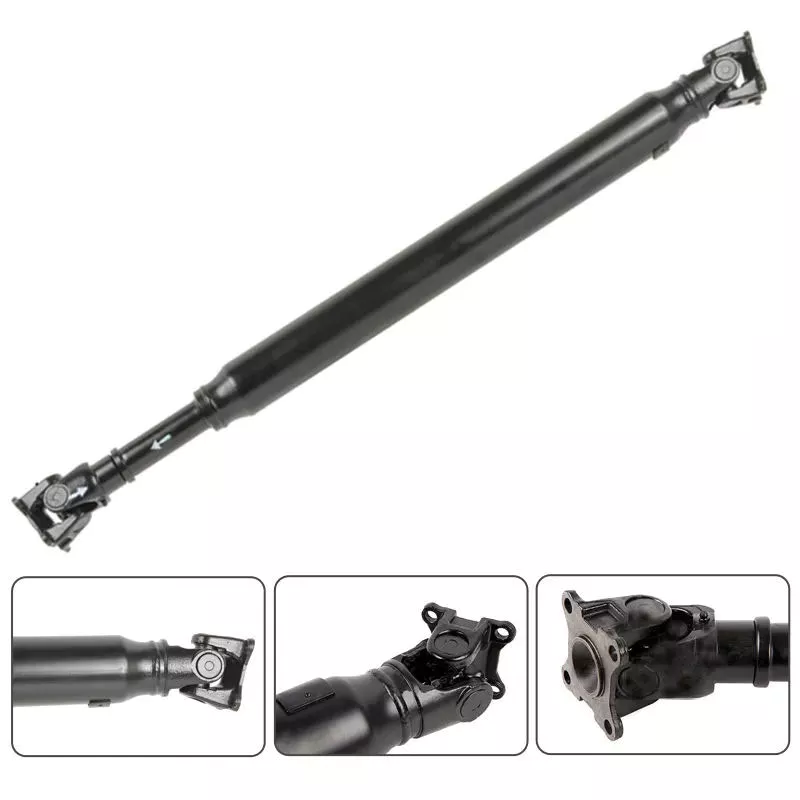
هل توجد أي قيود أو عيوب مرتبطة بأعمدة نقل الحركة؟
رغم ما توفره أعمدة نقل الطاقة (PTO) من مزايا عديدة من حيث نقل الطاقة وتعدد الاستخدامات، إلا أنها تنطوي أيضاً على بعض القيود والعيوب. من المهم مراعاة هذه العوامل عند استخدام أعمدة نقل الطاقة لضمان التشغيل الآمن والفعال. إليكم شرح مفصل لبعض القيود والعيوب المرتبطة بأعمدة نقل الطاقة:
1. مخاطر السلامة: من أهم المخاوف المتعلقة بأعمدة نقل الحركة (PTO) احتمالية حدوث مخاطر على السلامة. تدور هذه الأعمدة بسرعات عالية، وقد تشكل خطراً كبيراً إذا لم يتم تأمينها أو التعامل معها بشكل صحيح. قد يؤدي التلامس العرضي مع عمود نقل حركة مكشوف أو غير محمي بشكل كافٍ إلى إصابات خطيرة، بما في ذلك التشابك أو البتر أو حتى الوفاة. من الضروري اتباع إرشادات السلامة، وتطبيق وسائل الحماية المناسبة، والتأكد من تدريب المشغلين تدريباً جيداً على ممارسات المناولة الآمنة للحد من هذه المخاطر.
2. الصيانة والتشحيم: تتطلب أعمدة نقل الحركة صيانةً وتزييتًا دوريين لضمان الأداء الأمثل وطول العمر. يجب فحص الأجزاء المتحركة، مثل الوصلات العالمية والوصلات المسننة، وتنظيفها وتزييتها على فترات زمنية محددة. قد يؤدي إهمال الصيانة إلى تآكل مبكر، وانخفاض الكفاءة، واحتمالية حدوث أعطال. لذا، تُعدّ ممارسات الصيانة السليمة، بما في ذلك الفحوصات الدورية والتزييت في الوقت المناسب، ضروريةً لتجنب هذه المشكلات.
3. المحاذاة والزوايا: تعتمد أعمدة نقل الحركة (PTO) على المحاذاة والزوايا الصحيحة لضمان نقل الطاقة بكفاءة. قد يؤدي عدم المحاذاة أو الزوايا المفرطة بين مصدر الطاقة والآلات المُدارة إلى زيادة التآكل والإجهاد على المكونات، مما قد يتسبب في تلفها قبل الأوان. لذا، يُعد ضمان المحاذاة الصحيحة وضبط الزاوية، باستخدام أذرع انزلاقية قابلة للتعديل أو غيرها من الوسائل، أمرًا بالغ الأهمية لمنع الإجهاد الزائد على عمود نقل الحركة والمعدات المرتبطة به.
4. قيود الطول: تُفرض قيود هندسية على أطوال أعمدة نقل الحركة (PTO) القصوى والدنيا. يسمح التصميم التلسكوبي ببعض التعديلات، ولكن هناك حد عملي لمدى امتداد أو انكماش العمود. إذا تجاوزت المسافة بين مصدر الطاقة والآلات المُدارة الطول الأقصى أو انخفضت عن الطول الأدنى لعمود نقل الحركة، فقد يلزم إيجاد حلول بديلة أو إجراء تعديلات. في بعض الحالات، قد يكون من الضروري إضافة مكونات أخرى، مثل وصلات عمود الدوران أو علب التروس، لسد هذه المسافة.
5. التوافق: رغم سعي المصنّعين لضمان التوافق، قد تظل هناك تحديات في إيجاد عمود نقل الحركة المناسب لتكوينات المعدات المحددة. قد تتطلب المعدات متطلبات فريدة من حيث أحجام التروس، أو معدلات عزم الدوران، أو طرق التوصيل، والتي قد لا تكون متوفرة بسهولة أو متوافقة مع أعمدة نقل الحركة الجاهزة. قد يتطلب الأمر تخصيصًا لمعالجة مشكلات التوافق هذه، مما قد يؤدي إلى زيادة التكاليف أو فترات التسليم.
6. الضوضاء والاهتزازات: قد تُصدر أعمدة نقل الحركة (PTO) أثناء التشغيل ضوضاءً واهتزازاتٍ كبيرة، خاصةً عند السرعات العالية. وهذا قد يُسبب إزعاجًا للمشغلين، وقد يتطلب اتخاذ تدابير إضافية لخفض مستويات الضوضاء أو تخفيف الاهتزازات. كما يُمكن أن تؤثر الاهتزازات المفرطة على الأداء العام وعمر عمود نقل الحركة والمعدات المتصلة به. ويُمكن أن يُساعد استخدام مُخمدات الاهتزاز أو الوصلات المرنة في التخفيف من هذه المشكلات.
7. حدود الطاقة: تتمتع أعمدة نقل الحركة (PTO) بحدود طاقة محددة بناءً على تصميمها وموادها ومكوناتها. قد يؤدي تجاوز هذه الحدود إلى تآكل مبكر، أو تلف المكونات، أو حتى كسر العمود. من الضروري فهم والالتزام بتصنيفات الطاقة الموصى بها لأعمدة نقل الحركة لضمان التشغيل الآمن والموثوق. في بعض الحالات، قد يكون من الضروري الترقية إلى عمود نقل حركة ذي سعة أعلى أو إضافة مكونات نقل طاقة إضافية لتلبية متطلبات الطاقة الأعلى.
8. التركيب والإزالة المعقدة: قد يكون تركيب وإزالة أعمدة نقل الحركة عملية معقدة، خاصة في الأماكن الضيقة أو عند التعامل مع المعدات الثقيلة. وقد يتطلب ذلك محاذاة التروس، وتركيب الوصلات، وتأمين آليات القفل. ويمكن أن تؤدي تقنيات التركيب أو الإزالة غير الصحيحة إلى تلف العمود أو المعدات المرتبطة به. لذا، يُعد التدريب المناسب، والتعامل السليم مع المعدات، واتباع إرشادات الشركة المصنعة أمورًا أساسية لتبسيط عملية تركيب وإزالة أعمدة نقل الحركة وضمان سلامتها.
على الرغم من هذه القيود والعيوب، لا تزال أعمدة نقل الطاقة (PTO) تُستخدم على نطاق واسع وتُعدّ مكونات قيّمة لنقل الطاقة في مختلف الصناعات. ومن خلال مراعاة هذه الاعتبارات وتطبيق تدابير السلامة المناسبة، وممارسات الصيانة، وإجراءات المحاذاة، يمكن التخفيف من العيوب المحتملة لأعمدة نقل الطاقة بشكل فعّال، مما يسمح بتشغيل آمن وفعّال.

ما هي الفوائد التي توفرها أعمدة نقل الحركة (PTO) لأنواع مختلفة من الآلات؟
توفر أعمدة نقل الحركة (PTO) العديد من المزايا لأنواع مختلفة من الآلات في التطبيقات الزراعية والصناعية. فهي توفر وسيلة مرنة وفعالة لنقل الطاقة، مما يُمكّن الآلات من أداء مهام ووظائف محددة. إليكم شرحًا مفصلاً للمزايا التي توفرها أعمدة نقل الحركة لأنواع مختلفة من الآلات:
التنوع: تساهم أعمدة نقل الحركة (PTO) في تعدد استخدامات الآلات من خلال تمكينها من العمل بمصدر طاقة واحد، مثل الجرار أو المحرك. وهذا يعني إمكانية استخدام مصدر طاقة واحد لتشغيل عدة أدوات أو آلات ببساطة عن طريق توصيل وفصل عمود نقل الحركة. على سبيل المثال، في الزراعة، يمكن للجرار المزود بعمود نقل الحركة تشغيل أدوات متنوعة مثل جزازات العشب، وآلات كبس التبن، وآلات الحراثة، وآلات الرش، وآلات نقل الحبوب. وبالمثل، في التطبيقات الصناعية، تُمكّن أعمدة نقل الحركة من استخدام محرك واحد لتشغيل آلات أو معدات مختلفة، مثل المولدات، والمضخات، والضواغط، والخلاطات الصناعية.
كفاءة: توفر أعمدة نقل الطاقة (PTO) طريقة فعالة لنقل الطاقة من مصدر الطاقة إلى الآلات. فمن خلال توصيل مصدر الطاقة مباشرةً بالآلة المُدارة، تُقلل أعمدة نقل الطاقة من فقد الطاقة الذي قد يحدث مع طرق نقل الطاقة الأخرى. ويؤدي هذا النقل المباشر للطاقة إلى تحسين الكفاءة والأداء العام للآلات. بالإضافة إلى ذلك، تسمح أعمدة نقل الطاقة بضبط سرعة الدوران وقدرة الخرج لتتوافق مع متطلبات الآلة المحددة، مما يضمن التشغيل الأمثل ويقلل من استهلاك الطاقة غير الضروري.
توفير التكاليف: يُمكن أن يُؤدي استخدام أعمدة نقل الحركة (PTO) إلى توفير التكاليف بطرقٍ مُتعددة. أولًا، من خلال استخدام مصدر طاقة واحد لتشغيل العديد من الآلات أو المعدات، يتم الاستغناء عن الحاجة إلى مُحركات مُنفصلة لكل قطعة من المعدات، مما يُقلل من التكاليف الرأسمالية. ثانيًا، تُغني أعمدة نقل الحركة عن الحاجة إلى مصادر وقود أو طاقة إضافية، حيث إنها تستفيد من مصدر الطاقة الحالي، مما يُؤدي إلى انخفاض نفقات الوقود أو الطاقة. بالإضافة إلى ذلك، تُتيح المرونة التي تُوفرها أعمدة نقل الحركة تحسين استخدام المعدات، مما يُعظم العائد على الاستثمار.
المرونة: توفر أعمدة نقل الحركة (PTO) مرونةً في إعداد وتكوين المعدات. إذ يمكن تعديل طولها أو تزويدها بأجزاء تلسكوبية، مما يتيح سهولة التكيف مع ترتيبات المعدات المختلفة والمسافات المتفاوتة بين مصدر الطاقة والآلات المُدارة. تُمكّن هذه المرونة المشغلين من توصيل وفصل أعمدة نقل الحركة بسرعة حسب الحاجة، مما يُسهّل تغيير المعدات بكفاءة ويقلل من وقت التوقف. علاوة على ذلك، تُضيف إمكانية ضبط سرعة الدوران وقدرة خرج أعمدة نقل الحركة مزيدًا من المرونة، لتلبية المتطلبات الخاصة لمختلف الآلات والتطبيقات.
سهولة الاستخدام: تتميز أعمدة نقل الحركة (PTO) بسهولة استخدامها، مما يجعلها في متناول المشغلين الذين يحتاجون إلى تدريب بسيط. عملية توصيل وفصل هذه الأعمدة سهلة ومباشرة، وغالبًا ما تتضمن آلية ربط أو قفل بسيطة. هذه السهولة في الاستخدام تُحسّن من كفاءة تشغيل المعدات، مما يسمح للمشغلين بالتبديل السريع بين الأدوات أو الآلات المختلفة دون بذل جهد كبير أو اتباع إجراءات تستغرق وقتًا طويلاً. علاوة على ذلك، يُسهّل نقل الطاقة المباشر عبر أعمدة نقل الحركة تشغيل المعدات، حيث يمكن تشغيل الآلات من مصدر الطاقة الحالي دون الحاجة إلى أنظمة تحكم أو إدارة طاقة إضافية.
زيادة الإنتاجية: تساهم أعمدة نقل الحركة (PTO) في زيادة الإنتاجية في العمليات الزراعية والصناعية. فمن خلال تمكين استخدام تكوينات آلات متعددة الاستخدامات، يستطيع المشغلون إنجاز مجموعة واسعة من المهام باستخدام مصدر طاقة واحد. وهذا يُغني عن الحاجة إلى العمل اليدوي أو استخدام آلات متعددة، مما يُبسط سير العمل ويقلل الوقت اللازم لإنجاز مختلف العمليات. كما تُسهم كفاءة وموثوقية نقل الطاقة عبر أعمدة نقل الحركة في تحسين الإنتاجية من خلال ضمان تشغيل الآلات بشكل متسق وفعال، مما يؤدي إلى زيادة الإنتاج وتقليل وقت التوقف.
أمان: على الرغم من عدم ارتباطها المباشر بأداء الآلات، توفر أعمدة نقل الحركة (PTO) مزايا أمان إضافية. إذ يُسهم تركيب واقيات أو دروع أمان على هذه الأعمدة في منع التلامس العرضي مع العمود الدوار، مما يقلل من خطر إصابة المشغلين. صُممت هذه الميزات لتغطية العمود الدوار والمفاصل العالمية، لضمان عدم ملامسة المشغلين لها أثناء التشغيل. كما يُعزز التدريب المناسب على تشغيل أعمدة نقل الحركة والالتزام بإرشادات السلامة سلامة المشغلين عند العمل مع الآلات التي تعمل بنظام نقل الحركة.
باختصار، توفر أعمدة نقل الحركة (PTO) مجموعة من المزايا لأنواع مختلفة من الآلات. تشمل هذه المزايا زيادة التنوع، وتحسين الكفاءة، وتوفير التكاليف، ومرونة تكوين المعدات، وسهولة الاستخدام، وزيادة الإنتاجية، وتعزيز سلامة المشغل. تلعب أعمدة نقل الحركة دورًا حاسمًا في التطبيقات الزراعية والصناعية من خلال تمكين نقل الطاقة المباشر من مصدر طاقة مشترك إلى مختلف الآلات أو الأدوات، مما يؤدي إلى تحسين الأداء والفعالية التشغيلية.


تم التحرير بواسطة CX بتاريخ 14 مايو 2024