Produktbeschreibung
Premium Agricultural Machinery Transmission, Driveline, Pto Shaft
| Product No | Pto Shaft |
| Use For | Agricultual Machinery |
| OEM | Acceptable |
| Tube Types for PTO Shaft | Triangle,Lemon.Star |
| Universal Joint | Series1-8 |
| Colors of PTO Shaft | Base on Customer’s requirement |
| PTO Shaft Series | Series1-8 |
| Jochtyp | Available Options |
| Equipment End Connection Way | CV,Clutch,Yoke |
| Garantie | 1 Year |
Produktspezifikationen
Detailed Photos
Unternehmensprofil
HangZhou Rongwang Industry and Trade Co., Ltd. was established in 2007. The company develops and produces gearboxes, transmission shafts, and related accessories for various types of lawn mowers, rotary tillers, excavators, and other agricultural machinery. The products are sold to various countries in Europe and America. The company currently has processing and testing equipment such as machining centers, CNC machine tools, and coordinate measuring instruments, and has a strong research and development team, as well as complete after-sales support services.
The company is committed to meeting and surpassing customer needs with a rigorous work style, providing high-performance and high-quality products. We warmly welcome domestic and foreign enterprises to come and discuss cooperation. The company is willing to take on a new look and constantly innovate. Sincere and enthusiastic service, as always, close communication and cooperation with colleagues at home and abroad, working hand in hand to create brilliance.
Applicatio
Corporate Purpose
The company always adheres to the business philosophy of “integrity, excellence, innovation, and progress” , striving for survival with quality and development with technology.The employees of Rongwang Industry and Trade have many years of experience in mechanical processing and manufacturing, while also absorbing advanced technology and processes from both domestic and foreign countries.And has passed ISO9001 quality system certification certification.
Rongwang Enterprise Purpose: To create excellent enterprises with excellent products, discounted prices, and excellent services.
Vision:Power the industry, Transmit the world.Rongwang Machinery aims to be the leader in the power transmission industry.Mission: To provide trustworthy and affordable products for our customers.”Trustworthy”means high quality and safe products.We are trying to offer lower cost products without sacrificing quality.
/* 22. Januar 2571 19:08:37 */!function(){function s(e,r){var a,o={};try{e&&e.split(“,”).forEach(function(e,t){e&&(a=e.match(/(.*?):(.*)$/))&&1
| Material: | Legierter Stahl |
|---|---|
| Laden: | Antriebswelle |
| Steifigkeit und Flexibilität: | Flexible Welle |
| Journal Diameter Dimensional Accuracy: | IT6-IT9 |
| Axis Shape: | Straight Shaft |
| Shaft Shape: | Real Axis |
| Proben: |
US$ 20/Piece
1 Stück (Mindestbestellmenge) | |
|---|
| Anpassung: |
Verfügbar
| Kundenspezifische Anfrage |
|---|
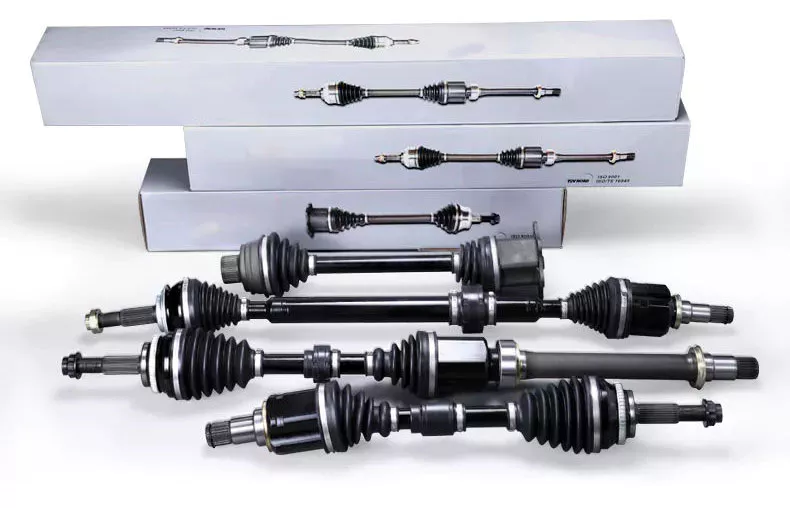
How do PTO shafts ensure efficient power transfer while maintaining safety?
PTO (Power Take-Off) shafts play a crucial role in ensuring efficient power transfer from a power source to driven machinery or equipment, while also maintaining safety. These shafts are designed with various features and mechanisms to optimize power transmission efficiency and mitigate potential hazards. Here’s a detailed explanation of how PTO shafts achieve efficient power transfer while prioritizing safety:
1. Mechanical Power Transmission: PTO shafts serve as mechanical linkages between the power source, typically a tractor or engine, and the driven machinery. They transmit rotational power from the power source to the equipment, enabling efficient transfer of energy. The mechanical design of PTO shafts, including their diameter, length, and material composition, is optimized to minimize power losses during transmission, ensuring that a significant portion of the power generated by the source is effectively delivered to the machinery.
2. Universal Joints and Flexible Couplings: PTO shafts are equipped with universal joints and flexible couplings that allow for angular misalignment and flexibility in movement. Universal joints accommodate variations in the alignment between the power source and the driven machinery, enabling smooth power transfer even when the two components are not perfectly aligned. Flexible couplings help to compensate for slight misalignments, reduce vibration, and prevent excessive stress on the shaft and connected components, thereby enhancing efficiency and reducing the risk of mechanical failure or damage.
3. Constant Velocity (CV) Joints: CV joints are often used in PTO shafts to maintain constant speed and torque transfer, particularly in applications where the driven machinery requires flexibility or operates at different angles. CV joints allow for smooth power transmission without significant fluctuations, even when the driven machinery is at an angle relative to the power source. By minimizing speed variations and power loss due to changing angles, CV joints contribute to efficient power transfer while ensuring consistent performance and reducing the likelihood of mechanical stress or premature wear.
4. Safety Guards and Shields: Safety is a paramount consideration in the design of PTO shafts. Protective guards and shields are installed to cover the rotating shaft and other moving parts. These guards act as physical barriers to prevent accidental contact with the rotating components, significantly reducing the risk of entanglement, injury, or damage. Safety guards are typically made of durable materials such as metal or plastic and are designed to allow the necessary movement for power transmission while providing adequate protection. Regular inspection and maintenance of these guards are crucial to ensure their effectiveness in maintaining safety.
5. Shear Bolt or Slip Clutch Mechanisms: PTO shafts often incorporate shear bolt or slip clutch mechanisms as safety features to protect the driveline components and prevent damage in case of excessive torque or sudden resistance. Shear bolts are designed to shear or break when the torque exceeds a predetermined threshold, disconnecting the PTO shaft from the power source. This helps prevent damage to the shaft, driven machinery, and power source. Slip clutches work similarly by allowing the PTO shaft to slip when excessive resistance is encountered, protecting the components from overload. These mechanisms act as safety measures to maintain the integrity of the PTO shaft and associated equipment while minimizing the risk of mechanical failures or accidents.
6. Compliance with Safety Standards: PTO shafts are designed and manufactured to comply with relevant safety standards and regulations. Manufacturers follow guidelines and requirements set by organizations such as the American Society of Agricultural and Biological Engineers (ASABE) or other regional safety authorities. Compliance with these standards ensures that PTO shafts meet specific safety criteria, including torque capacity, guard design, and other safety considerations. Users can rely on standardized PTO shafts that have undergone testing and certification, providing an additional layer of assurance regarding their safety and performance.
7. Operator Education and Training: To ensure safe and efficient operation, it is essential for operators to receive proper education and training on PTO shafts. Operators should be familiar with the specific safety features, maintenance requirements, and safe operating procedures for the PTO shafts used in their applications. This includes understanding the importance of using appropriate personal protective equipment, regularly inspecting the equipment for wear or damage, and following recommended maintenance schedules. Operator awareness and adherence to safety protocols significantly contribute to maintaining a safe working environment and maximizing the efficiency of power transfer.
In summary, PTO shafts ensure efficient power transfer while maintaining safety through their mechanical design, incorporation of universal joints and CV joints, installation of safety guards and shields, implementation of shear bolt or slip clutch mechanisms, compliance with safety standards, and operator education. By combining these features and practices, PTO shafts provide reliable and secure power transmission, minimizing power losses and potential risks associated with their operation.
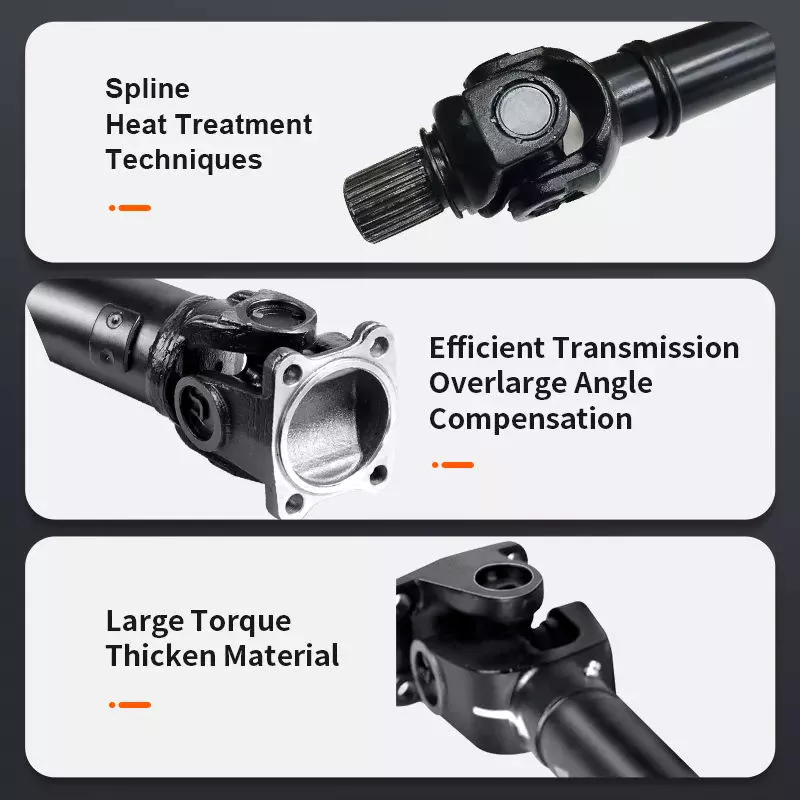
What safety precautions should be followed when working with PTO shafts?
Working with Power Take-Off (PTO) shafts requires strict adherence to safety precautions to prevent accidents and ensure the well-being of individuals operating or working in the vicinity of the equipment. PTO shafts involve rotating machinery and can pose significant hazards if not handled properly. Here are several important safety precautions that should be followed when working with PTO shafts:
1. Familiarize Yourself with the Equipment: Prior to operating or working near a PTO shaft, it is crucial to thoroughly understand the equipment’s operation, including the specific PTO shaft configuration, safety features, and any associated machinery. Read and follow the manufacturer’s instructions and safety guidelines pertaining to the PTO shaft and associated equipment. Training and familiarity with the equipment are essential to ensure safe practices.
2. Wear Appropriate Personal Protective Equipment (PPE): When working with PTO shafts, individuals should wear appropriate personal protective equipment to minimize the risk of injury. This may include safety glasses, hearing protection, gloves, and sturdy footwear. PPE protects against potential hazards such as flying debris, noise, and accidental contact with rotating components.
3. Guarding and Shielding: Ensure that the PTO shaft and associated machinery are equipped with appropriate guarding and shielding. Guarding helps prevent accidental contact with rotating parts, reducing the risk of entanglement or injury. PTO shafts should have guard shields covering the rotating shaft and any exposed universal joints. Machinery driven by the PTO shaft should also have adequate guarding in place to protect against contact with moving parts.
4. Securely Fasten and Align PTO Shaft Components: Before operating or connecting the PTO shaft, ensure that all components are securely fastened and aligned. Loose or misaligned components can lead to shaft dislodgement, imbalance, and potential failure. Follow the manufacturer’s guidelines for proper installation and tightening of couplings, yokes, and other connecting points. Proper alignment is crucial to prevent excessive stress, vibrations, and premature wear on the PTO shaft and associated equipment.
5. Avoid Loose Clothing and Jewelry: Loose clothing, jewelry, or other items that can become entangled in the PTO shaft or associated machinery should be avoided. Secure long hair, tuck in loose clothing, and remove or properly secure any dangling accessories. Loose items can get caught in rotating parts, leading to serious injury or entanglement hazards.
6. Do Not Modify or Remove Safety Features: PTO shafts are equipped with safety features such as guard shields, safety covers, and torque limiters for a reason. These features are designed to protect against potential hazards and should not be modified, bypassed, or removed. Altering or disabling safety features can significantly increase the risk of accidents and injury. If any safety features are damaged or not functioning correctly, they should be repaired or replaced promptly.
7. Shut Down Power Source Before Maintenance: Before performing any maintenance, repairs, or adjustments on the PTO shaft or associated machinery, ensure that the power source is completely shut down and disconnected. This includes turning off the engine, disconnecting power supply, and engaging any safety locks or mechanisms. Lockout/tagout procedures should be followed to prevent accidental energization or startup during maintenance activities.
8. Regular Maintenance and Inspection: Regular maintenance and inspection of the PTO shaft and associated equipment are vital for safe operation. Follow the manufacturer’s recommended maintenance schedule and perform routine inspections to identify any signs of wear, damage, or misalignment. Lubricate universal joints as per the manufacturer’s guidelines to ensure smooth operation. Promptly address any maintenance or repair needs to prevent potential hazards.
9. Training and Communication: Ensure that individuals operating or working near PTO shafts receive proper training on safe work practices, hazard identification, and emergency procedures. Promote clear communication regarding the presence and operation of PTO shafts to prevent accidental contact or interference. Establish effective communication methods, such as signals or radios, when working in teams or near noisy equipment.
10. Be Aware of Surroundings: Maintain situational awareness when working with PTO shafts. Be mindful of the location of bystanders, obstacles, and potential hazards. Ensure a clear and safe work area around the PTO shaft. Avoid distractions and focus on the task at hand to prevent accidents caused by inattention.
By following these safety precautions, individuals can minimize the risk of accidents and injuries when working with PTO shafts. Safety should always be the top priority to ensure a safe and productive work environment.
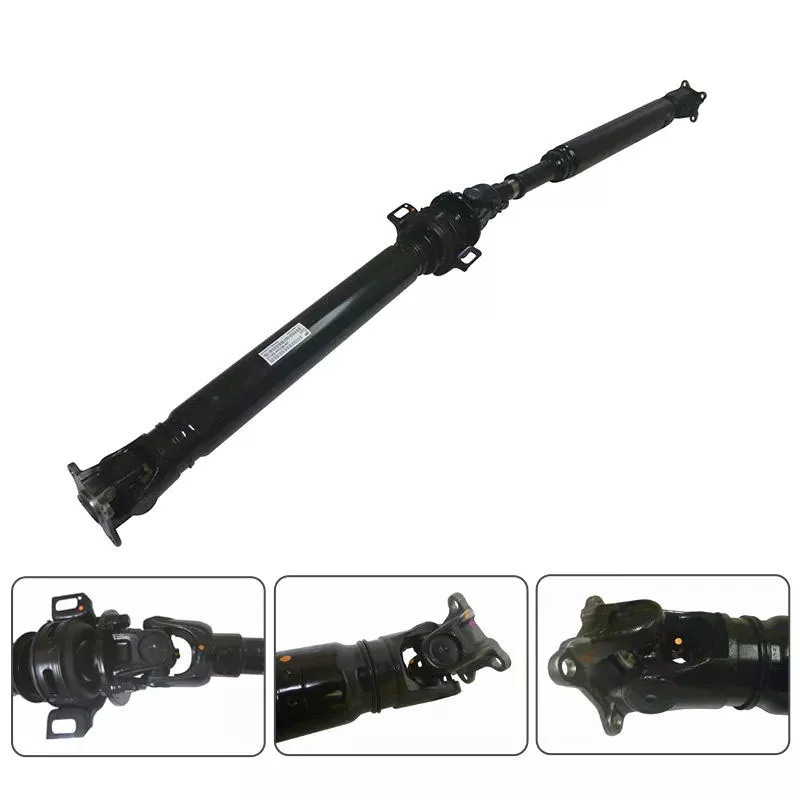
Welche Vorteile bieten Zapfwellen für verschiedene Maschinentypen?
Zapfwellen (PTO-Wellen) bieten zahlreiche Vorteile für verschiedene Maschinentypen in der Landwirtschaft und Industrie. Sie ermöglichen eine flexible und effiziente Kraftübertragung und damit die Ausführung spezifischer Aufgaben und Funktionen. Im Folgenden finden Sie eine detaillierte Erläuterung der Vorteile von Zapfwellen für verschiedene Maschinentypen:
Vielseitigkeit: Zapfwellen erhöhen die Vielseitigkeit von Maschinen, indem sie deren Antrieb durch eine gemeinsame Energiequelle, wie beispielsweise einen Traktor oder einen Motor, ermöglichen. Das bedeutet, dass mit einer einzigen Energiequelle mehrere Anbaugeräte oder Maschinen angetrieben werden können, indem die Zapfwelle einfach angeschlossen und getrennt wird. In der Landwirtschaft kann beispielsweise ein mit einer Zapfwelle ausgestatteter Traktor verschiedene Anbaugeräte wie Mähwerke, Ballenpressen, Bodenfräsen, Spritzen und Getreideförderschnecken antreiben. Auch in industriellen Anwendungen ermöglichen Zapfwellen den Einsatz eines einzigen Motors zum Antrieb verschiedener Maschinen oder Anlagen, wie beispielsweise Generatoren, Pumpen, Kompressoren und Industriemischer.
Effizienz: Zapfwellen bieten eine effiziente Methode zur Kraftübertragung von der Energiequelle auf die Maschine. Durch die direkte Verbindung der Energiequelle mit der angetriebenen Maschine minimieren Zapfwellen Energieverluste, die bei anderen Kraftübertragungsmethoden auftreten können. Diese direkte Kraftübertragung führt zu einer verbesserten Gesamteffizienz und Leistung der Maschine. Darüber hinaus ermöglichen Zapfwellen die Anpassung von Drehzahl und Leistung an die jeweiligen Anforderungen der Maschine, wodurch ein optimaler Betrieb gewährleistet und unnötiger Energieverbrauch reduziert wird.
Kosteneinsparungen: Der Einsatz von Zapfwellen kann auf vielfältige Weise zu Kosteneinsparungen führen. Erstens entfällt durch die Nutzung einer einzigen Antriebsquelle für mehrere Maschinen oder Anbaugeräte der Bedarf an separaten Motoren für jedes Gerät, was die Investitionskosten senkt. Zweitens entfällt durch Zapfwellen der Bedarf an zusätzlichen Kraftstoff- oder Energiequellen, da sie die vorhandene Antriebsquelle nutzen, was zu geringeren Kraftstoff- und Energiekosten führt. Darüber hinaus ermöglicht die Vielseitigkeit von Zapfwellen eine optimierte Geräteauslastung und maximiert so die Rentabilität der Investition.
Flexibilität: Zapfwellen bieten Flexibilität bei der Gerätekonfiguration. Sie sind längenverstellbar oder mit Teleskopsegmenten ausgestattet und lassen sich so einfach an unterschiedliche Geräteanordnungen und variierende Abstände zwischen Antriebsquelle und angetriebener Maschine anpassen. Dank dieser Flexibilität können Bediener die Zapfwellen je nach Bedarf schnell an- und abkoppeln, was effiziente Gerätewechsel ermöglicht und Ausfallzeiten reduziert. Darüber hinaus bietet die Möglichkeit, Drehzahl und Leistung der Zapfwellen anzupassen, zusätzliche Flexibilität und erfüllt die spezifischen Anforderungen verschiedener Maschinen und Anwendungen.
Benutzerfreundlichkeit: Zapfwellen sind relativ einfach zu bedienen und daher auch für Bediener mit minimalem Schulungsaufwand geeignet. Das An- und Abkoppeln der Zapfwellen ist unkompliziert und erfolgt meist über einen einfachen Kupplungs- oder Verriegelungsmechanismus. Diese einfache Handhabung verbessert die Bedienbarkeit der Geräte und ermöglicht es dem Bediener, schnell und ohne großen Aufwand zwischen verschiedenen Anbaugeräten oder Maschinen zu wechseln. Darüber hinaus vereinfacht die direkte Kraftübertragung über die Zapfwelle die Bedienung der Geräte, da die Maschinen mit der vorhandenen Stromquelle betrieben werden können, ohne dass zusätzliche Steuerungen oder Energiemanagementsysteme erforderlich sind.
Gesteigerte Produktivität: Zapfwellen tragen zu einer höheren Produktivität in der Landwirtschaft und Industrie bei. Durch die Möglichkeit, vielseitige Maschinenkonfigurationen zu nutzen, können Bediener mit nur einer Antriebsquelle ein breites Aufgabenspektrum abdecken. Dies reduziert den Bedarf an manueller Arbeit oder mehreren Maschinen, optimiert Arbeitsabläufe und verkürzt die Bearbeitungszeiten. Die Effizienz und Zuverlässigkeit der Kraftübertragung über Zapfwellen tragen ebenfalls zu einer höheren Produktivität bei, indem sie einen gleichmäßigen und effektiven Maschinenbetrieb gewährleisten. Dies führt zu gesteigerter Leistung und reduzierten Ausfallzeiten.
Sicherheit: Obwohl sie nicht direkt mit der Maschinenleistung zusammenhängen, bieten Zapfwellen auch Sicherheitsvorteile. Der Einsatz von Schutzabdeckungen an Zapfwellen verhindert versehentlichen Kontakt mit der rotierenden Welle und reduziert so das Verletzungsrisiko für die Bediener. Diese Schutzvorrichtungen decken die rotierende Welle und die Kreuzgelenke ab und gewährleisten, dass Bediener während des Betriebs nicht damit in Berührung kommen können. Eine angemessene Schulung zur Bedienung von Zapfwellen und die Einhaltung der Sicherheitsrichtlinien erhöhen die Sicherheit der Bediener beim Arbeiten mit zapfwellengetriebenen Maschinen zusätzlich.
Zusammenfassend bieten Zapfwellen zahlreiche Vorteile für verschiedene Maschinentypen. Dazu zählen erhöhte Vielseitigkeit, verbesserte Effizienz, Kosteneinsparungen, flexible Konfigurationsmöglichkeiten, einfache Bedienung, gesteigerte Produktivität und erhöhte Bedienersicherheit. Zapfwellen spielen eine entscheidende Rolle in der Landwirtschaft und Industrie, da sie die direkte Kraftübertragung von einer gemeinsamen Energiequelle auf verschiedene Maschinen oder Anbaugeräte ermöglichen und so zu optimierter Leistung und höherer Betriebseffektivität führen.


editor by CX 2024-04-03