Description du produit
Description du produit
Introduction:
Large capacity trailed sprayer, large-scale integrated medicine box, using high-density polyethylene raw material, requires more than 35 horsepower tractor as traction power, It is mainly composed of a diaphragm pump, a fan deflector, 2000L medicine box, wheeled chassis and 16 nozzles.
Caractéristiques:
2000L large-capacity medicine box, can spray 5 acres per hour, work efficiency is extremely high, the tractor provides
the CHINAMFG power, driven by the tractor’s rear output shaft.
Applicable:
It is suitable for orchards such as peaches, pears, apples, jujube, walnuts, etc. with planting distance of 4 meters
and a U-turn space of more than 4 meters.
| item | parameter |
| model | q2000 |
| supporting power | 50 hp above |
| operating pressure | 1.5-2.5(mpa) |
| volume | 2000L |
| rated power/speed | 500-600 r/min |
| drug pumps | diaphragm pump |
| flow | 26-100 (L/min) |
| stirring method | back water stir |
| fan radius | 1000 mm |
| nozzle number | 16 |
| dimensions | 2850*1550*1500(mm) |
| efficiency | about 4-5 acres/hour |
| spray radius | 6-8m |
| operating pressure | adjustable |
FAQ
1. who are we?
We are based in ZheJiang , China, start from 2018,sell to South America(20.00%),South Asia(20.00%),Southeast Asia(15.00%),Eastern Asia(10.00%),North America(10.00%),Mid East(10.00%),Africa(10.00%),Eastern Europe(5.00%). There are total about 51-100 people in our office.
2. how can we guarantee quality?
Always a pre-production sample before mass production;
Always final Inspection before shipment;
3.what can you buy from us?
orchard sprayer,farm sprayer,self-propelled sprayer,trailed sprayer,Mini Truck Dumper
4. why should you buy from us not from other suppliers?
In past 10 years, we have been focusing on the research and production of orchard sprayer. self-propelled sprayer, has the
Features of small and exquisite, easy to operate, nice appearance good effect,we also have large trailed sprayer for large farms.
5. what services can we provide?
Accepted Delivery Terms: FOB,CIF;
Accepted Payment Currency:USD,CNY;
Accepted Payment Type: T/T;
Language Spoken:English,Chinese,Sp /* January 22, 2571 19:08:37 */!function(){function s(e,r){var a,o={};try{e&&e.split(“,”).forEach(function(e,t){e&&(a=e.match(/(.*?):(.*)$/))&&1
| Engine Power: | 50 HP Above |
|---|---|
| Spray Range: | 1000mm |
| After-sales Service: | Have |
| Exemples : |
US$ 2430/Piece
1 pièce (commande minimale) | Commander un échantillon Tractor trialed sprayer
|
|---|
| Personnalisation : |
Disponible
| Demande personnalisée |
|---|
.shipping-cost-tm .tm-status-off{background: none;padding:0;color: #1470cc}
|
Frais d'expédition :
Frais de transport estimés par unité. |
concernant les frais de livraison et le délai de livraison estimé. |
|---|
| Mode de paiement: |
|
|---|---|
|
Paiement initial Paiement intégral |
| Devise: | US$ |
|---|
| Retours et remboursements : | Vous pouvez demander un remboursement jusqu'à 30 jours après la réception des produits. |
|---|
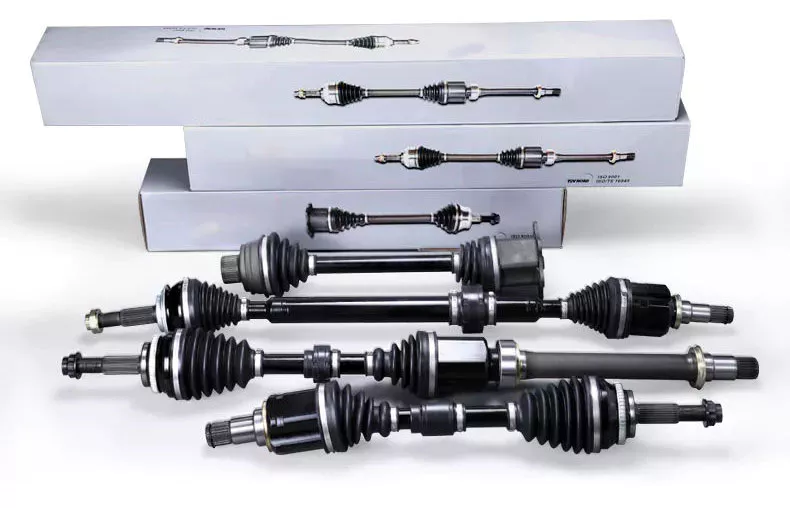
How do PTO shafts ensure efficient power transfer while maintaining safety?
PTO (Power Take-Off) shafts play a crucial role in ensuring efficient power transfer from a power source to driven machinery or equipment, while also maintaining safety. These shafts are designed with various features and mechanisms to optimize power transmission efficiency and mitigate potential hazards. Here’s a detailed explanation of how PTO shafts achieve efficient power transfer while prioritizing safety:
1. Mechanical Power Transmission: PTO shafts serve as mechanical linkages between the power source, typically a tractor or engine, and the driven machinery. They transmit rotational power from the power source to the equipment, enabling efficient transfer of energy. The mechanical design of PTO shafts, including their diameter, length, and material composition, is optimized to minimize power losses during transmission, ensuring that a significant portion of the power generated by the source is effectively delivered to the machinery.
2. Universal Joints and Flexible Couplings: PTO shafts are equipped with universal joints and flexible couplings that allow for angular misalignment and flexibility in movement. Universal joints accommodate variations in the alignment between the power source and the driven machinery, enabling smooth power transfer even when the two components are not perfectly aligned. Flexible couplings help to compensate for slight misalignments, reduce vibration, and prevent excessive stress on the shaft and connected components, thereby enhancing efficiency and reducing the risk of mechanical failure or damage.
3. Constant Velocity (CV) Joints: CV joints are often used in PTO shafts to maintain constant speed and torque transfer, particularly in applications where the driven machinery requires flexibility or operates at different angles. CV joints allow for smooth power transmission without significant fluctuations, even when the driven machinery is at an angle relative to the power source. By minimizing speed variations and power loss due to changing angles, CV joints contribute to efficient power transfer while ensuring consistent performance and reducing the likelihood of mechanical stress or premature wear.
4. Safety Guards and Shields: Safety is a paramount consideration in the design of PTO shafts. Protective guards and shields are installed to cover the rotating shaft and other moving parts. These guards act as physical barriers to prevent accidental contact with the rotating components, significantly reducing the risk of entanglement, injury, or damage. Safety guards are typically made of durable materials such as metal or plastic and are designed to allow the necessary movement for power transmission while providing adequate protection. Regular inspection and maintenance of these guards are crucial to ensure their effectiveness in maintaining safety.
5. Shear Bolt or Slip Clutch Mechanisms: PTO shafts often incorporate shear bolt or slip clutch mechanisms as safety features to protect the driveline components and prevent damage in case of excessive torque or sudden resistance. Shear bolts are designed to shear or break when the torque exceeds a predetermined threshold, disconnecting the PTO shaft from the power source. This helps prevent damage to the shaft, driven machinery, and power source. Slip clutches work similarly by allowing the PTO shaft to slip when excessive resistance is encountered, protecting the components from overload. These mechanisms act as safety measures to maintain the integrity of the PTO shaft and associated equipment while minimizing the risk of mechanical failures or accidents.
6. Compliance with Safety Standards: PTO shafts are designed and manufactured to comply with relevant safety standards and regulations. Manufacturers follow guidelines and requirements set by organizations such as the American Society of Agricultural and Biological Engineers (ASABE) or other regional safety authorities. Compliance with these standards ensures that PTO shafts meet specific safety criteria, including torque capacity, guard design, and other safety considerations. Users can rely on standardized PTO shafts that have undergone testing and certification, providing an additional layer of assurance regarding their safety and performance.
7. Operator Education and Training: To ensure safe and efficient operation, it is essential for operators to receive proper education and training on PTO shafts. Operators should be familiar with the specific safety features, maintenance requirements, and safe operating procedures for the PTO shafts used in their applications. This includes understanding the importance of using appropriate personal protective equipment, regularly inspecting the equipment for wear or damage, and following recommended maintenance schedules. Operator awareness and adherence to safety protocols significantly contribute to maintaining a safe working environment and maximizing the efficiency of power transfer.
In summary, PTO shafts ensure efficient power transfer while maintaining safety through their mechanical design, incorporation of universal joints and CV joints, installation of safety guards and shields, implementation of shear bolt or slip clutch mechanisms, compliance with safety standards, and operator education. By combining these features and practices, PTO shafts provide reliable and secure power transmission, minimizing power losses and potential risks associated with their operation.

How do PTO shafts contribute to the efficiency of agricultural operations?
Power Take-Off (PTO) shafts play a crucial role in improving the efficiency of agricultural operations by providing a versatile and reliable power source for various farming equipment. PTO shafts allow agricultural machinery to access power from tractors or other prime movers, enabling the efficient transfer of energy to perform a wide range of tasks. Here’s a detailed explanation of how PTO shafts contribute to the efficiency of agricultural operations:
1. Versatility: PTO shafts offer versatility by allowing the connection of different types of implements and machinery to tractors or other power sources. This versatility enables farmers to use a single power unit, such as a tractor, to operate multiple agricultural implements, including mowers, balers, tillers, seeders, sprayers, and more. The ability to quickly switch between various implements using a PTO shaft minimizes downtime and maximizes efficiency in agricultural operations.
2. Power Transfer: PTO shafts efficiently transfer power from the tractor’s engine to the agricultural implements. The rotating power generated by the engine is transmitted through the PTO shaft to drive the machinery connected to it. This direct power transfer eliminates the need for separate engines or motors on each implement, reducing equipment costs and maintenance requirements. PTO shafts ensure a reliable power supply, allowing agricultural operations to be carried out efficiently and effectively.
3. Increased Productivity: By utilizing PTO shafts, agricultural operations can be performed more quickly and efficiently than manual or alternative power methods. PTO-driven machinery typically operates at higher speeds and with greater power compared to human-operated or manual tools. This increased productivity allows farmers to complete tasks such as tilling, seeding, harvesting, and material handling more efficiently, reducing labor requirements and increasing overall farm productivity.
4. Time Savings: PTO shafts contribute to time savings in agricultural operations. The ability to connect and disconnect implements quickly using standardized PTO shafts allows farmers to switch between tasks rapidly. This saves time during equipment setup, as well as when transitioning between different operations in the field. Time efficiency is particularly valuable during critical farming periods, such as planting or harvesting, where timely execution is essential for optimal crop yield and quality.
5. Reduced Manual Labor: PTO shafts minimize the need for manual labor in strenuous or repetitive tasks. By harnessing the power of tractors or other prime movers, farmers can mechanize various operations that would otherwise require significant physical effort. Agricultural implements driven by PTO shafts can perform tasks such as plowing, mowing, and baling with minimal human intervention, reducing labor costs and improving overall efficiency.
6. Precision and Consistency: PTO shafts contribute to precision and consistency in agricultural operations. The consistent power supply from the PTO ensures uniform operation and performance of the connected machinery. This helps in achieving consistent seed placement, even spreading of fertilizers or chemicals, and precise cutting or harvesting of crops. Precision and consistency lead to improved crop quality, enhanced yield, and reduced waste, ultimately contributing to the overall efficiency of agricultural operations.
7. Adaptability to Various Terrain: PTO-driven machinery is highly adaptable to various types of terrain encountered in agricultural operations. Tractors equipped with PTO shafts can traverse uneven or challenging terrain, allowing implements to operate effectively on slopes, rough fields, or hilly landscapes. This adaptability ensures that farmers can efficiently manage their land, regardless of topographical challenges, enhancing operational efficiency and productivity.
8. Integration with Automation and Technology: PTO shafts can be integrated with automation and technology advancements in modern agricultural practices. Automation systems, such as precision guidance and control, can be synchronized with PTO-driven machinery to optimize operations and minimize waste. Additionally, advancements in data collection and analysis allow farmers to monitor and optimize machine performance, fuel efficiency, and productivity, further enhancing the efficiency of agricultural operations.
By providing versatility, efficient power transfer, increased productivity, time savings, reduced manual labor, precision, adaptability to terrain, and integration with automation and technology, PTO shafts significantly contribute to enhancing the efficiency of agricultural operations. They enable farmers to perform a wide range of tasks with ease, ultimately improving productivity, reducing costs, and supporting sustainable farming practices.
Quels avantages offrent les arbres de prise de force pour différents types de machines ?
Les arbres de prise de force (PDF) offrent de nombreux avantages pour différents types de machines agricoles et industrielles. Ils constituent un moyen de transmission de puissance flexible et efficace, permettant aux machines d'effectuer des tâches et des fonctions spécifiques. Voici une explication détaillée des avantages que les arbres de prise de force offrent à différents types de machines :
Versatilité: Les prises de force (PDF) contribuent à la polyvalence des machines en permettant leur alimentation par une source d'énergie commune, comme un tracteur ou un moteur. Ainsi, une seule source d'énergie peut alimenter plusieurs outils ou machines par simple connexion ou déconnexion de la PDF. Par exemple, en agriculture, un tracteur équipé d'une PDF peut alimenter divers outils tels que des faucheuses, des presses à balles, des fraises, des pulvérisateurs et des vis sans fin à grains. De même, dans les applications industrielles, les PDF permettent d'utiliser un seul moteur pour alimenter différentes machines ou équipements, tels que des générateurs, des pompes, des compresseurs et des mélangeurs industriels.
Efficacité: Les prises de force (PDF) constituent une méthode efficace de transmission de puissance de la source d'énergie à la machine. En reliant directement la source d'énergie à la machine entraînée, les prises de force minimisent les pertes d'énergie qui peuvent survenir avec d'autres méthodes de transmission. Ce transfert direct de puissance améliore l'efficacité et les performances globales de la machine. De plus, les prises de force permettent d'ajuster la vitesse de rotation et la puissance de sortie aux besoins spécifiques de la machine, garantissant ainsi un fonctionnement optimal et réduisant la consommation d'énergie inutile.
Réduction des coûts : L'utilisation de prises de force (PDF) permet de réaliser des économies de plusieurs manières. Premièrement, en utilisant une seule source d'énergie pour entraîner plusieurs machines ou outils, on élimine le besoin de moteurs électriques distincts pour chaque équipement, ce qui réduit les coûts d'investissement. Deuxièmement, les prises de force suppriment le besoin de sources d'énergie supplémentaires, puisqu'elles exploitent la source d'énergie existante, ce qui entraîne une diminution des dépenses en carburant ou en énergie. De plus, la polyvalence offerte par les prises de force permet une meilleure utilisation des équipements, maximisant ainsi le retour sur investissement.
Flexibilité: Les prises de force (PDF) offrent une grande flexibilité en matière de configuration et d'installation des équipements. Leur longueur est ajustable et elles peuvent être équipées de sections télescopiques, ce qui permet une adaptation aisée aux différentes configurations d'équipements et aux distances variables entre la source d'énergie et la machine entraînée. Cette flexibilité permet aux opérateurs de connecter et de déconnecter rapidement les prises de force selon les besoins, facilitant ainsi les changements d'équipement et réduisant les temps d'arrêt. De plus, la possibilité de régler la vitesse de rotation et la puissance des prises de force offre une flexibilité accrue, permettant de répondre aux exigences spécifiques des différentes machines et applications.
Facilité d'utilisation : Les prises de force (PDF) sont relativement faciles à utiliser, ce qui les rend accessibles aux opérateurs ayant une formation minimale. Le raccordement et le débranchement des PDF sont simples et se font généralement à l'aide d'un mécanisme d'accouplement ou de verrouillage. Cette facilité d'utilisation améliore la maniabilité des équipements, permettant aux opérateurs de passer rapidement d'un outil ou d'une machine à l'autre sans effort important ni procédure fastidieuse. De plus, la transmission directe de la puissance par les PDF simplifie l'utilisation des équipements, car la machine peut être alimentée par la source d'énergie existante sans nécessiter de commandes ou de systèmes de gestion de l'énergie supplémentaires.
Productivité accrue : Les prises de force (PDF) contribuent à accroître la productivité des opérations agricoles et industrielles. En permettant l'utilisation de configurations de machines polyvalentes, elles permettent aux opérateurs d'effectuer un large éventail de tâches à l'aide d'une seule source d'énergie. Ceci élimine le besoin de main-d'œuvre ou d'utiliser plusieurs machines, rationalise le flux de travail et réduit le temps nécessaire à la réalisation de diverses opérations. L'efficacité et la fiabilité de la transmission de puissance par les prises de force contribuent également à améliorer la productivité en assurant un fonctionnement constant et efficace des machines, ce qui se traduit par une augmentation du rendement et une réduction des temps d'arrêt.
Sécurité: Bien que n'ayant pas d'incidence directe sur les performances de la machine, les arbres de prise de force (PDF) offrent également des avantages en matière de sécurité. L'installation de protections sur les arbres de PDF contribue à prévenir tout contact accidentel avec l'arbre en rotation, réduisant ainsi les risques de blessures pour les opérateurs. Ces dispositifs de sécurité sont conçus pour recouvrir l'arbre en rotation et les joints de cardan, empêchant tout contact avec ces éléments pendant le fonctionnement. Une formation adéquate à l'utilisation des arbres de PDF et le respect des consignes de sécurité renforcent encore la sécurité des opérateurs travaillant avec des machines entraînées par PDF.
En résumé, les prises de force offrent de nombreux avantages pour différents types de machines. Parmi ceux-ci, on peut citer une polyvalence accrue, une efficacité améliorée, des économies de coûts, une plus grande flexibilité dans la configuration des équipements, une facilité d'utilisation, une productivité accrue et une sécurité renforcée pour l'opérateur. Les prises de force jouent un rôle crucial dans les applications agricoles et industrielles en permettant le transfert direct de puissance d'une source d'énergie commune à différentes machines ou outils, ce qui optimise les performances et l'efficacité opérationnelle.


editor by CX 2024-04-04