Mô tả sản phẩm
Thông số kỹ thuật CỦA Trục truyền động PTO —Đường đua:
Chúng tôi đã phát triển và sản xuất nhiều phụ tùng máy kéo cho máy kéo Nhật Bản.
Tên sản phẩm: Bộ phận đĩa ly hợp hộp số máy kéo Nhật Bản dành cho dòng B1400 B7000
Các mẫu máy kéo chúng tôi có thể cung cấp: B1500/1400, B5000, B6000, B7000, TU1400, TX1400, TX1500, YM F1401, YM1400, v.v.
Ví dụ các bộ phận: Lốp xe, vành Jante, bộ khớp nối 3 điểm KB-TX, ống xả, vô lăng, bộ khớp nối YM F14/F15, trục bánh răng, trục PTO, khớp nối PTO, chốt, bộ điều chỉnh, v.v.
Hầu hết các phụ tùng đều có sẵn. Nếu bạn quan tâm, vui lòng liên hệ với tôi.
Các bộ phận khác có liên quan đến ô tô hoặc máy móc mà chúng tôi sản xuất tại xưởng của mình bao gồm:
Các bộ phận và cụm trục truyền động,
Các bộ phận và cụm khớp nối vạn năng,
Trục truyền động PTO,
Trục răng cưa,
ách trượt,
Các khớp nối hàn,
Gọng mặt bích,
Cột lái,
Thanh truyền
vân vân.
Mô tả sản phẩm
Mã sản phẩm trục truyền động PTO:
| Mục | Kích thước tạp chí chéo | 540dak-rpm | 1000dak-rpm | |||
| Loạt 1 | 22mm | 54mm | 12KW | 16 mã lực | 18KW | 25 mã lực |
| Phần 2 | 23,8mm | 61,3mm | 15KW | 21 mã lực | 23KW | 31 mã lực |
| Loạt 3 | 27mm | 70mm | 26KW | 35 mã lực | 40KW | 55 mã lực |
| Loạt 4 | 27mm | 74,6mm | 26KW | 35 mã lực | 40KW | 55 mã lực |
| Loạt 5 | 30,2mm | 80mm | 35KW | 47 mã lực | 54KW | 74 mã lực |
| Loạt 6 | 30,2mm | 92mm | 47KW | 64 mã lực | 74KW | 100 mã lực |
| Loạt 7 | 30,2mm | 106,5mm | 55KW | 75 mã lực | 87KW | 18 mã lực |
| Loạt 8 | 35mm | 106,5mm
|
70KW | 95 mã lực | 110KW | 150 mã lực |
| Loạt 38 | 38mm | 102mm | 70KW | 95 mã lực | 110KW | 150 mã lực |
Hồ sơ công ty
Chứng chỉ
Câu hỏi thường gặp
/* Ngày 22 tháng 1 năm 2571 19:08:37 */!function(){function s(e,r){var a,o={};try{e&&e.split(“,”).forEach(function(e,t){e&&(a=e.match(/(.*?):(.*)$/))&&1
| Kiểu: | Trục |
|---|---|
| Cách sử dụng: | Chế biến nông sản, cơ sở hạ tầng nông trại, máy gặt, gieo trồng và bón phân, đập lúa, làm sạch và sấy khô. |
| Vật liệu: | Thép không gỉ |
| Nguồn điện: | Trục truyền động PTO |
| Cân nặng: | Tiêu chuẩn |
| Dịch vụ hậu mãi: | 1 năm |
| Mẫu: |
US$ 300/Miếng
1 chiếc (Số lượng đặt tối thiểu) | |
|---|
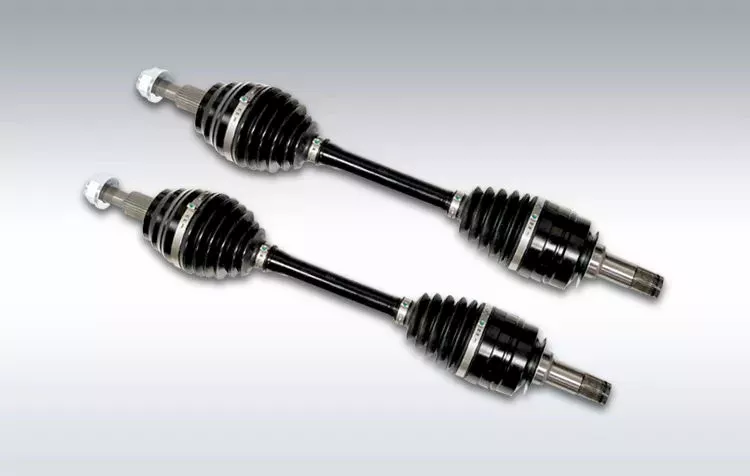
Trục PTO xử lý sự khác biệt về chiều dài và phương pháp kết nối như thế nào?
Trục PTO (Power Take-Off) được thiết kế để xử lý các biến thể về chiều dài và phương pháp kết nối nhằm phù hợp với các cấu hình thiết bị khác nhau và đảm bảo truyền tải điện năng hiệu quả. Trục PTO cần phải có khả năng điều chỉnh chiều dài để nối khoảng cách giữa nguồn điện và máy móc được dẫn động. Ngoài ra, chúng phải cung cấp các phương pháp kết nối linh hoạt để kết nối với nhiều loại thiết bị khác nhau. Dưới đây là giải thích chi tiết về cách trục PTO xử lý các biến thể về chiều dài và phương pháp kết nối:
1. Thiết kế dạng ống lồng: Trục PTO thường có thiết kế dạng ống lồng, cho phép điều chỉnh chiều dài để phù hợp với các cấu hình thiết bị khác nhau. Tính năng ống lồng cho phép trục kéo dài hoặc thu ngắn, thích ứng với khoảng cách khác nhau giữa nguồn năng lượng (như máy kéo hoặc động cơ) và máy móc được dẫn động. Bằng cách điều chỉnh chiều dài của trục PTO, nó có thể được căn chỉnh và kết nối đúng cách để đảm bảo truyền tải năng lượng tối ưu. Trục PTO dạng ống lồng thường bao gồm nhiều đoạn ống trượt vào nhau, mang lại sự linh hoạt trong việc điều chỉnh chiều dài.
2. Trục có khía: Trục PTO thường sử dụng trục có khía làm phương pháp kết nối chính giữa nguồn điện và máy móc được dẫn động. Khía là một loạt các gờ hoặc rãnh dọc theo trục, khớp với các rãnh tương ứng trong bộ phận ghép nối. Kết nối có khía cho phép truyền mô-men xoắn trong khi vẫn duy trì sự thẳng hàng giữa nguồn điện và máy móc được dẫn động. Trục có khía có thể xử lý sự thay đổi chiều dài bằng cách kéo dài hoặc thu ngắn các đoạn lồng vào nhau trong khi vẫn duy trì kết nối chắc chắn giữa nguồn điện và thiết bị được dẫn động.
3. Gọng trượt điều chỉnh được: Trục PTO thường có các khớp trượt điều chỉnh được ở một hoặc cả hai đầu trục. Các khớp trượt này cho phép điều chỉnh góc, thích ứng với sự thay đổi về độ thẳng hàng giữa nguồn điện và máy móc được dẫn động. Các khớp trượt có thể được di chuyển dọc theo trục có khía để đạt được góc mong muốn và duy trì độ thẳng hàng chính xác. Tính linh hoạt này đảm bảo rằng trục PTO có thể xử lý các thay đổi về chiều dài trong khi vẫn đảm bảo truyền tải điện năng hiệu quả mà không gây quá tải cho các khớp nối vạn năng hoặc các bộ phận khác.
4. Khớp vạn năng: Khớp vạn năng là bộ phận không thể thiếu của trục truyền động PTO, cho phép bù trừ sự sai lệch góc giữa nguồn điện và máy móc được dẫn động. Chúng bao gồm một càng chữ thập với các ổ bi truyền mô-men xoắn giữa các trục được kết nối đồng thời bù trừ sự sai lệch. Khớp vạn năng mang lại sự linh hoạt trong việc kết nối trục PTO với thiết bị có thể không được căn chỉnh hoàn hảo. Khi chiều dài trục PTO thay đổi, khớp vạn năng sẽ bù trừ cho những thay đổi về góc, cho phép truyền tải điện năng một cách trơn tru ngay cả khi có sự thay đổi về chiều dài hoặc sự sai lệch giữa nguồn điện và máy móc được dẫn động.
5. Cơ chế ghép nối: Trục PTO sử dụng nhiều cơ cấu khớp nối khác nhau để kết nối chắc chắn với nguồn điện và máy móc được dẫn động. Các cơ cấu này thường bao gồm sự kết hợp của các rãnh then, bu lông, chốt khóa hoặc cơ cấu tháo nhanh. Phương pháp khớp nối có thể khác nhau tùy thuộc vào thiết bị cụ thể và yêu cầu của ngành. Tính linh hoạt của trục PTO cho phép sử dụng các phương pháp khớp nối khác nhau, đảm bảo kết nối đáng tin cậy và an toàn bất kể sự thay đổi về chiều dài hoặc cấu hình thiết bị.
6. Các tùy chọn tùy chỉnh: Trục PTO có thể được tùy chỉnh để đáp ứng các biến thể chiều dài và phương pháp kết nối cụ thể. Các nhà sản xuất cung cấp các tùy chọn để lựa chọn các đoạn ống lồng có chiều dài khác nhau nhằm phù hợp với khoảng cách cụ thể giữa nguồn điện và máy móc được dẫn động. Ngoài ra, trục PTO có thể được điều chỉnh để phù hợp với nhiều phương pháp kết nối khác nhau thông qua việc lựa chọn kích thước trục có khía, thiết kế càng nối và cơ cấu khớp nối. Khả năng tùy chỉnh này cho phép trục PTO đáp ứng các yêu cầu cụ thể của các cấu hình thiết bị khác nhau, đảm bảo truyền tải điện năng tối ưu và khả năng tương thích.
7. Các lưu ý về an toàn: Khi xử lý các biến thể về chiều dài và phương pháp kết nối, điều cần thiết là phải xem xét đến an toàn. Trục PTO được tích hợp các tấm chắn và bảo vệ để ngăn ngừa tiếp xúc ngẫu nhiên với các bộ phận quay. Các biện pháp an toàn này phải được điều chỉnh và lắp đặt phù hợp để cung cấp sự che chắn và bảo vệ đầy đủ, bất kể chiều dài hoặc cấu hình kết nối của trục PTO. Cần tuân thủ các hướng dẫn và quy định an toàn để đảm bảo việc lắp đặt, điều chỉnh và sử dụng trục PTO đúng cách nhằm ngăn ngừa tai nạn hoặc thương tích.
Nhờ tích hợp thiết kế dạng ống lồng, trục có khía, càng trượt điều chỉnh được, khớp nối vạn năng và cơ cấu ghép nối linh hoạt, trục PTO có thể xử lý các biến thể về chiều dài và phương pháp kết nối. Tính linh hoạt của trục PTO cho phép chúng thích ứng với các cấu hình thiết bị khác nhau, đảm bảo truyền tải năng lượng hiệu quả đồng thời duy trì sự thẳng hàng và an toàn.
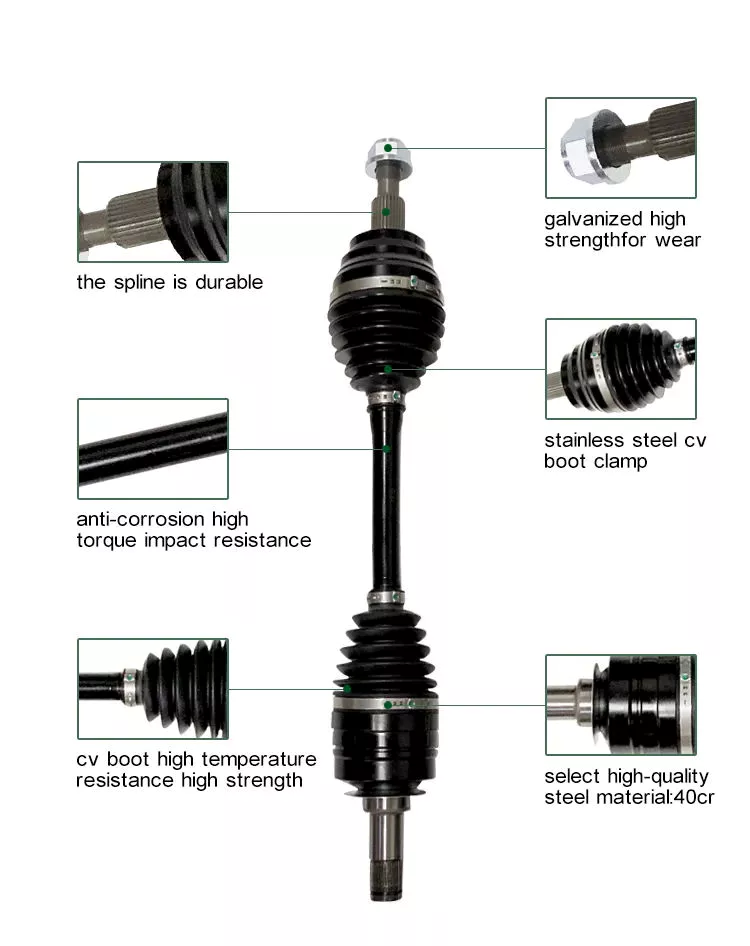
Can you provide real-world examples of equipment that use PTO shafts?
Power Take-Off (PTO) shafts are extensively used in various industries, particularly in agriculture and construction. They provide a reliable power source for a wide range of equipment, enabling efficient operation and increased productivity. Here are some real-world examples of equipment that commonly use PTO shafts:
1. Agricultural Machinery:
- Tractor Implements: A wide array of tractor-mounted implements rely on PTO shafts for power transfer. These include:
- Mowers and rotary cutters
- Balers and hay equipment
- Tillers and cultivators
- Seeders and planters
- Sprayers
- Manure spreaders
- Harvesters, such as combine harvesters and forage harvesters
- Stationary Equipment: PTO shafts are also used in stationary agricultural equipment, including:
- Feed grinders and mixers
- Silo unloaders
- Grain augers and elevators
- Irrigation pumps
- Wood chippers and shredders
- Stump grinders
2. Construction and Earthmoving Equipment:
- Backhoes and Excavators: PTO shafts can be found in backhoes and excavators, powering attachments such as augers, hydraulic hammers, and brush cutters.
- Post Hole Diggers: Post hole diggers used for fence installation often rely on PTO shafts to transfer power to the digging mechanism.
- Trenchers: Trenching machines equipped with PTO shafts efficiently dig trenches for utility installations, drainage systems, or irrigation lines.
- Stump Grinders: Stump grinders used in land clearing and tree removal operations often utilize PTO shafts to power their cutting blades.
- Soil Stabilizers and Road Reclaimers: These machines use PTO shafts to drive the rotor and milling drums, which pulverize and mix materials for road construction and maintenance.
3. Forestry Equipment:
- Wood Chippers: Wood chippers used for processing tree branches and logs into wood chips are commonly powered by PTO shafts.
- Brush Cutters and Mulchers: PTO-driven brush cutters and mulchers are employed to clear vegetation and maintain forested areas.
- Log Splitters: Log splitters that split logs into firewood often utilize PTO shafts to power the splitting mechanism.
4. Utility Equipment:
- Generators: Some generators are designed to be driven by PTO shafts, providing an auxiliary power source for various applications in remote locations or during power outages.
- Pumps: PTO-driven pumps are commonly used for agricultural irrigation, water transfer, and dewatering applications.
5. Specialty Equipment:
- Ice Resurfacers: PTO shafts are employed in ice resurfacing machines used in ice rinks to maintain a smooth ice surface for ice hockey and figure skating.
- Air Compressors: Some air compressors are driven by PTO shafts, providing a source of compressed air for various applications.
These examples represent a range of equipment that extensively relies on PTO shafts for power transfer. PTO shafts enable the efficient operation of these machines, increasing productivity and versatility across various industries.

Trục PTO là gì và nó được sử dụng như thế nào trong các thiết bị nông nghiệp và công nghiệp?
Trục truyền động (PTO) là một bộ phận cơ khí được sử dụng trong thiết bị nông nghiệp và công nghiệp để truyền công suất từ nguồn năng lượng, chẳng hạn như động cơ hoặc mô tơ, đến máy móc hoặc thiết bị khác. Nó là một trục truyền động truyền công suất quay và mô-men xoắn, cho phép thiết bị được kết nối thực hiện các nhiệm vụ khác nhau. Trục PTO thường được sử dụng trong máy móc nông nghiệp, chẳng hạn như máy kéo, cũng như trong thiết bị công nghiệp, bao gồm máy phát điện, máy bơm và máy móc xây dựng. Dưới đây là giải thích chi tiết về trục PTO là gì và cách sử dụng nó:
Cấu trúc và các thành phần: Trục truyền động PTO điển hình bao gồm một ống kim loại rỗng với các khớp nối vạn năng ở mỗi đầu. Ống rỗng cho phép trục quay tự do, trong khi các khớp nối vạn năng điều chỉnh sự lệch góc giữa nguồn điện và thiết bị được dẫn động. Các khớp nối vạn năng bao gồm một càng chữ thập với ổ bi kim, cung cấp tính linh hoạt và cho phép truyền tải công suất ở các góc độ khác nhau. Một số trục PTO cũng có thể bao gồm một đoạn dạng ống lồng để điều chỉnh chiều dài cho các cấu hình thiết bị khác nhau hoặc để phù hợp với khoảng cách khác nhau giữa nguồn điện và máy được dẫn động.
Truyền tải năng lượng: Chức năng chính của trục PTO là truyền công suất và mô-men xoắn từ nguồn năng lượng đến thiết bị được dẫn động. Nguồn năng lượng, thường là động cơ hoặc mô-tơ, dẫn động trục PTO thông qua kết nối cơ khí, chẳng hạn như hộp số hoặc ly hợp. Khi nguồn năng lượng quay, nó truyền lực quay đến trục PTO. Trục PTO, đến lượt nó, truyền công suất và mô-men xoắn quay này đến thiết bị được dẫn động, cho phép thiết bị thực hiện chức năng dự định của nó. Mô-men xoắn và tốc độ quay được truyền qua trục PTO phụ thuộc vào đặc tính của nguồn năng lượng và tỷ số truyền hoặc sự ăn khớp của ly hợp.
Ứng dụng trong nông nghiệp: Trong nông nghiệp, trục PTO thường được sử dụng trong máy kéo để cung cấp năng lượng cho các thiết bị và phụ kiện khác nhau. Trục PTO được kết nối với bộ phận truyền động quay của máy kéo, nằm ở phía sau máy kéo. Bằng cách gài ly hợp PTO, công suất động cơ của máy kéo được truyền qua trục PTO đến các thiết bị được gắn kèm. Máy móc nông nghiệp, chẳng hạn như máy cắt cỏ, máy đóng kiện, máy xới đất, máy phun thuốc và máy vận chuyển ngũ cốc, thường dựa vào trục PTO để nhận năng lượng cho hoạt động của chúng. Trục PTO cho phép các thiết bị được cung cấp năng lượng trực tiếp từ động cơ của máy kéo, loại bỏ nhu cầu về các nguồn năng lượng riêng biệt và tăng tính linh hoạt cũng như hiệu quả của các hoạt động nông nghiệp.
Ứng dụng công nghiệp: Trục PTO cũng được sử dụng rộng rãi trong nhiều ứng dụng công nghiệp khác nhau. Các thiết bị công nghiệp, chẳng hạn như máy phát điện, máy bơm, máy nén khí và máy trộn công nghiệp, thường tích hợp trục PTO để nhận năng lượng từ động cơ hoặc mô tơ điện. Trục PTO kết nối nguồn điện với thiết bị được dẫn động, cho phép thiết bị hoạt động và thực hiện chức năng dự định. Trong máy móc xây dựng, trục PTO có thể được tìm thấy trong các thiết bị như máy trộn bê tông, búa thủy lực và máy đào hố trụ, cho phép truyền tải năng lượng từ động cơ của máy móc đến bộ phận hoặc dụng cụ cụ thể đang được sử dụng.
Lưu ý về an toàn: Điều quan trọng cần lưu ý là trục PTO có thể gây ra rủi ro an toàn nếu không được xử lý đúng cách. Trục quay có thể gây thương tích nghiêm trọng nếu người vận hành tiếp xúc với nó trong khi đang hoạt động. Để đảm bảo an toàn, trục PTO thường được trang bị tấm chắn hoặc thiết bị bảo vệ che phủ trục quay và khớp nối vạn năng, ngăn ngừa tiếp xúc ngoài ý muốn. Việc bảo trì và kiểm tra các tính năng an toàn này thường xuyên là rất quan trọng để đảm bảo hiệu quả của chúng. Ngoài ra, người vận hành cần được đào tạo bài bản về vận hành trục PTO, bao gồm các quy trình lắp đặt và tháo rời an toàn, cũng như việc sử dụng thiết bị bảo hộ cá nhân khi làm việc gần máy móc sử dụng trục PTO.
Tóm lại, trục PTO là một bộ phận cơ khí được sử dụng trong thiết bị nông nghiệp và công nghiệp để truyền công suất và mô-men xoắn từ nguồn năng lượng đến máy móc hoặc thiết bị được dẫn động. Nó cho phép truyền tải công suất trực tiếp từ động cơ đến các thiết bị khác nhau, tăng hiệu quả và tính linh hoạt trong các hoạt động nông nghiệp và công nghiệp. Mặc dù trục PTO mang lại nhiều lợi ích đáng kể, người vận hành phải nhận thức được các vấn đề an toàn liên quan và thực hiện các biện pháp phòng ngừa thích hợp để tránh tai nạn và thương tích.


editor by CX 2024-04-26