Mô tả sản phẩm
Mô tả sản phẩm
| item | parameter |
| model | q750 |
| supporting power | 18 hp above |
| operating pressure | 1.5-2.5(mpa) |
| volume | 750L |
| rated power/speed | 480-550 r/min |
| drug pumps | diaphragm pump |
| flow | 14-16(L/min) |
| stirring method | back water stir |
| fan radius | 700 mm |
| nozzle number | 14 |
| dimensions | 2200*1000*1300(mm) |
| efficiency | about 4-5 acres/hour |
| spray radius | 5-6m |
| operating pressure | adjustable |
Ảnh chi tiết
Introduction:
750 liter capacity trailed sprayer, integrated medicine box, using high-density polyethylene raw material, requires more than 18 horsepower tractor as traction power, It is mainly composed of a diaphragm pump, a fan deflector, 750L medicine box, wheeled chassis and 14 nozzles.
Features:
600L large-capacity medicine box, can spray 4-5 acres per hour, work efficiency is extremely high, the tractor provides
the CHINAMFG power, driven by the tractor’s rear output shaft.
Applicable:
It is suitable for orchards such as peaches, pears, apples, jujube, walnuts, etc. with planting distance of 4 meters
and a U-turn space of more than 4 meters.
Chứng chỉ
Packaging & Shipping
Hồ sơ công ty
1. who are we?
We are based in ZheJiang , China, start from 2018,sell to South America(20.00%),South Asia(20.00%),Southeast Asia(15.00%),Eastern Asia(10.00%),North America(10.00%),Mid East(10.00%),Africa(10.00%),Eastern Europe(5.00%). There are total about 51-100 people in our office.
2. how can we guarantee quality?
Always a pre-production sample before mass production;
Always final Inspection before shipment;
3.what can you buy from us?
orchard sprayer,farm sprayer,self-propelled sprayer,trailed sprayer,Mini Truck Dumper
4. why should you buy from us not from other suppliers?
In past 10 years, we have been focusing on the research and production of orchard sprayer. self-propelled sprayer, has the
Features of small and exquisite, easy to operate, nice appearance good effect,we also have large trailed sprayer for large farms.
5. what services can we provide?
Accepted Delivery Terms: FOB,CIF;
Accepted Payment Currency:USD,CNY;
Accepted Payment Type: T/T;
Contact:
Theo Wang
/* Ngày 22 tháng 1 năm 2571 19:08:37 */!function(){function s(e,r){var a,o={};try{e&&e.split(“,”).forEach(function(e,t){e&&(a=e.match(/(.*?):(.*)$/))&&1
| Engine Power: | More Than 18 HP Tractor |
|---|---|
| Spray Range: | Radius 3m |
| Dịch vụ hậu mãi: | Provide Free Wear Accessories |
| Mẫu: |
US$ 1590/Piece
1 chiếc (Số lượng đặt tối thiểu) | Order Sample Tractor trialed sprayer
|
|---|
| Tùy chỉnh: |
Có sẵn
| Yêu cầu tùy chỉnh |
|---|
.shipping-cost-tm .tm-status-off{background: none;padding:0;color: #1470cc}
|
Chi phí vận chuyển:
Cước phí vận chuyển ước tính cho mỗi đơn vị sản phẩm. |
Thông tin về chi phí vận chuyển và thời gian giao hàng dự kiến. |
|---|
| Phương thức thanh toán: |
|
|---|---|
|
Khoản thanh toán ban đầu Thanh toán đầy đủ |
| Tiền tệ: | US$ |
|---|
| Chính sách đổi trả và hoàn tiền: | Bạn có thể yêu cầu hoàn tiền trong vòng 30 ngày kể từ ngày nhận sản phẩm. |
|---|
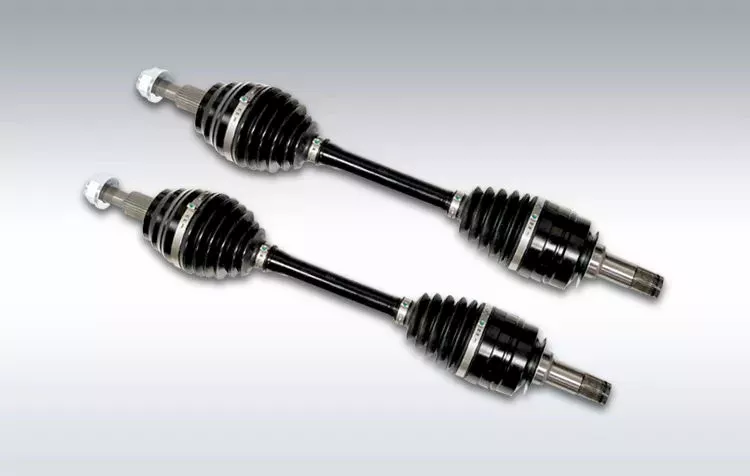
Trục PTO xử lý sự khác biệt về chiều dài và phương pháp kết nối như thế nào?
Trục PTO (Power Take-Off) được thiết kế để xử lý các biến thể về chiều dài và phương pháp kết nối nhằm phù hợp với các cấu hình thiết bị khác nhau và đảm bảo truyền tải điện năng hiệu quả. Trục PTO cần phải có khả năng điều chỉnh chiều dài để nối khoảng cách giữa nguồn điện và máy móc được dẫn động. Ngoài ra, chúng phải cung cấp các phương pháp kết nối linh hoạt để kết nối với nhiều loại thiết bị khác nhau. Dưới đây là giải thích chi tiết về cách trục PTO xử lý các biến thể về chiều dài và phương pháp kết nối:
1. Thiết kế dạng ống lồng: Trục PTO thường có thiết kế dạng ống lồng, cho phép điều chỉnh chiều dài để phù hợp với các cấu hình thiết bị khác nhau. Tính năng ống lồng cho phép trục kéo dài hoặc thu ngắn, thích ứng với khoảng cách khác nhau giữa nguồn năng lượng (như máy kéo hoặc động cơ) và máy móc được dẫn động. Bằng cách điều chỉnh chiều dài của trục PTO, nó có thể được căn chỉnh và kết nối đúng cách để đảm bảo truyền tải năng lượng tối ưu. Trục PTO dạng ống lồng thường bao gồm nhiều đoạn ống trượt vào nhau, mang lại sự linh hoạt trong việc điều chỉnh chiều dài.
2. Trục có khía: Trục PTO thường sử dụng trục có khía làm phương pháp kết nối chính giữa nguồn điện và máy móc được dẫn động. Khía là một loạt các gờ hoặc rãnh dọc theo trục, khớp với các rãnh tương ứng trong bộ phận ghép nối. Kết nối có khía cho phép truyền mô-men xoắn trong khi vẫn duy trì sự thẳng hàng giữa nguồn điện và máy móc được dẫn động. Trục có khía có thể xử lý sự thay đổi chiều dài bằng cách kéo dài hoặc thu ngắn các đoạn lồng vào nhau trong khi vẫn duy trì kết nối chắc chắn giữa nguồn điện và thiết bị được dẫn động.
3. Gọng trượt điều chỉnh được: Trục PTO thường có các khớp trượt điều chỉnh được ở một hoặc cả hai đầu trục. Các khớp trượt này cho phép điều chỉnh góc, thích ứng với sự thay đổi về độ thẳng hàng giữa nguồn điện và máy móc được dẫn động. Các khớp trượt có thể được di chuyển dọc theo trục có khía để đạt được góc mong muốn và duy trì độ thẳng hàng chính xác. Tính linh hoạt này đảm bảo rằng trục PTO có thể xử lý các thay đổi về chiều dài trong khi vẫn đảm bảo truyền tải điện năng hiệu quả mà không gây quá tải cho các khớp nối vạn năng hoặc các bộ phận khác.
4. Khớp vạn năng: Khớp vạn năng là bộ phận không thể thiếu của trục truyền động PTO, cho phép bù trừ sự sai lệch góc giữa nguồn điện và máy móc được dẫn động. Chúng bao gồm một càng chữ thập với các ổ bi truyền mô-men xoắn giữa các trục được kết nối đồng thời bù trừ sự sai lệch. Khớp vạn năng mang lại sự linh hoạt trong việc kết nối trục PTO với thiết bị có thể không được căn chỉnh hoàn hảo. Khi chiều dài trục PTO thay đổi, khớp vạn năng sẽ bù trừ cho những thay đổi về góc, cho phép truyền tải điện năng một cách trơn tru ngay cả khi có sự thay đổi về chiều dài hoặc sự sai lệch giữa nguồn điện và máy móc được dẫn động.
5. Cơ chế ghép nối: Trục PTO sử dụng nhiều cơ cấu khớp nối khác nhau để kết nối chắc chắn với nguồn điện và máy móc được dẫn động. Các cơ cấu này thường bao gồm sự kết hợp của các rãnh then, bu lông, chốt khóa hoặc cơ cấu tháo nhanh. Phương pháp khớp nối có thể khác nhau tùy thuộc vào thiết bị cụ thể và yêu cầu của ngành. Tính linh hoạt của trục PTO cho phép sử dụng các phương pháp khớp nối khác nhau, đảm bảo kết nối đáng tin cậy và an toàn bất kể sự thay đổi về chiều dài hoặc cấu hình thiết bị.
6. Các tùy chọn tùy chỉnh: Trục PTO có thể được tùy chỉnh để đáp ứng các biến thể chiều dài và phương pháp kết nối cụ thể. Các nhà sản xuất cung cấp các tùy chọn để lựa chọn các đoạn ống lồng có chiều dài khác nhau nhằm phù hợp với khoảng cách cụ thể giữa nguồn điện và máy móc được dẫn động. Ngoài ra, trục PTO có thể được điều chỉnh để phù hợp với nhiều phương pháp kết nối khác nhau thông qua việc lựa chọn kích thước trục có khía, thiết kế càng nối và cơ cấu khớp nối. Khả năng tùy chỉnh này cho phép trục PTO đáp ứng các yêu cầu cụ thể của các cấu hình thiết bị khác nhau, đảm bảo truyền tải điện năng tối ưu và khả năng tương thích.
7. Các lưu ý về an toàn: Khi xử lý các biến thể về chiều dài và phương pháp kết nối, điều cần thiết là phải xem xét đến an toàn. Trục PTO được tích hợp các tấm chắn và bảo vệ để ngăn ngừa tiếp xúc ngẫu nhiên với các bộ phận quay. Các biện pháp an toàn này phải được điều chỉnh và lắp đặt phù hợp để cung cấp sự che chắn và bảo vệ đầy đủ, bất kể chiều dài hoặc cấu hình kết nối của trục PTO. Cần tuân thủ các hướng dẫn và quy định an toàn để đảm bảo việc lắp đặt, điều chỉnh và sử dụng trục PTO đúng cách nhằm ngăn ngừa tai nạn hoặc thương tích.
Nhờ tích hợp thiết kế dạng ống lồng, trục có khía, càng trượt điều chỉnh được, khớp nối vạn năng và cơ cấu ghép nối linh hoạt, trục PTO có thể xử lý các biến thể về chiều dài và phương pháp kết nối. Tính linh hoạt của trục PTO cho phép chúng thích ứng với các cấu hình thiết bị khác nhau, đảm bảo truyền tải năng lượng hiệu quả đồng thời duy trì sự thẳng hàng và an toàn.
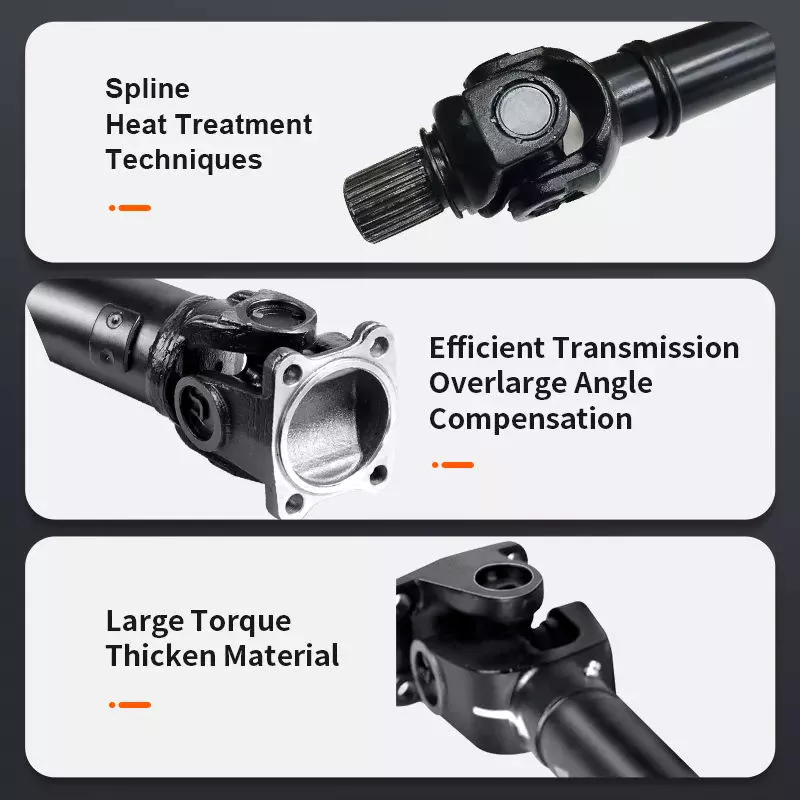
What safety precautions should be followed when working with PTO shafts?
Working with Power Take-Off (PTO) shafts requires strict adherence to safety precautions to prevent accidents and ensure the well-being of individuals operating or working in the vicinity of the equipment. PTO shafts involve rotating machinery and can pose significant hazards if not handled properly. Here are several important safety precautions that should be followed when working with PTO shafts:
1. Familiarize Yourself with the Equipment: Prior to operating or working near a PTO shaft, it is crucial to thoroughly understand the equipment’s operation, including the specific PTO shaft configuration, safety features, and any associated machinery. Read and follow the manufacturer’s instructions and safety guidelines pertaining to the PTO shaft and associated equipment. Training and familiarity with the equipment are essential to ensure safe practices.
2. Wear Appropriate Personal Protective Equipment (PPE): When working with PTO shafts, individuals should wear appropriate personal protective equipment to minimize the risk of injury. This may include safety glasses, hearing protection, gloves, and sturdy footwear. PPE protects against potential hazards such as flying debris, noise, and accidental contact with rotating components.
3. Guarding and Shielding: Ensure that the PTO shaft and associated machinery are equipped with appropriate guarding and shielding. Guarding helps prevent accidental contact with rotating parts, reducing the risk of entanglement or injury. PTO shafts should have guard shields covering the rotating shaft and any exposed universal joints. Machinery driven by the PTO shaft should also have adequate guarding in place to protect against contact with moving parts.
4. Securely Fasten and Align PTO Shaft Components: Before operating or connecting the PTO shaft, ensure that all components are securely fastened and aligned. Loose or misaligned components can lead to shaft dislodgement, imbalance, and potential failure. Follow the manufacturer’s guidelines for proper installation and tightening of couplings, yokes, and other connecting points. Proper alignment is crucial to prevent excessive stress, vibrations, and premature wear on the PTO shaft and associated equipment.
5. Avoid Loose Clothing and Jewelry: Loose clothing, jewelry, or other items that can become entangled in the PTO shaft or associated machinery should be avoided. Secure long hair, tuck in loose clothing, and remove or properly secure any dangling accessories. Loose items can get caught in rotating parts, leading to serious injury or entanglement hazards.
6. Do Not Modify or Remove Safety Features: PTO shafts are equipped with safety features such as guard shields, safety covers, and torque limiters for a reason. These features are designed to protect against potential hazards and should not be modified, bypassed, or removed. Altering or disabling safety features can significantly increase the risk of accidents and injury. If any safety features are damaged or not functioning correctly, they should be repaired or replaced promptly.
7. Shut Down Power Source Before Maintenance: Before performing any maintenance, repairs, or adjustments on the PTO shaft or associated machinery, ensure that the power source is completely shut down and disconnected. This includes turning off the engine, disconnecting power supply, and engaging any safety locks or mechanisms. Lockout/tagout procedures should be followed to prevent accidental energization or startup during maintenance activities.
8. Regular Maintenance and Inspection: Regular maintenance and inspection of the PTO shaft and associated equipment are vital for safe operation. Follow the manufacturer’s recommended maintenance schedule and perform routine inspections to identify any signs of wear, damage, or misalignment. Lubricate universal joints as per the manufacturer’s guidelines to ensure smooth operation. Promptly address any maintenance or repair needs to prevent potential hazards.
9. Training and Communication: Ensure that individuals operating or working near PTO shafts receive proper training on safe work practices, hazard identification, and emergency procedures. Promote clear communication regarding the presence and operation of PTO shafts to prevent accidental contact or interference. Establish effective communication methods, such as signals or radios, when working in teams or near noisy equipment.
10. Be Aware of Surroundings: Maintain situational awareness when working with PTO shafts. Be mindful of the location of bystanders, obstacles, and potential hazards. Ensure a clear and safe work area around the PTO shaft. Avoid distractions and focus on the task at hand to prevent accidents caused by inattention.
By following these safety precautions, individuals can minimize the risk of accidents and injuries when working with PTO shafts. Safety should always be the top priority to ensure a safe and productive work environment.
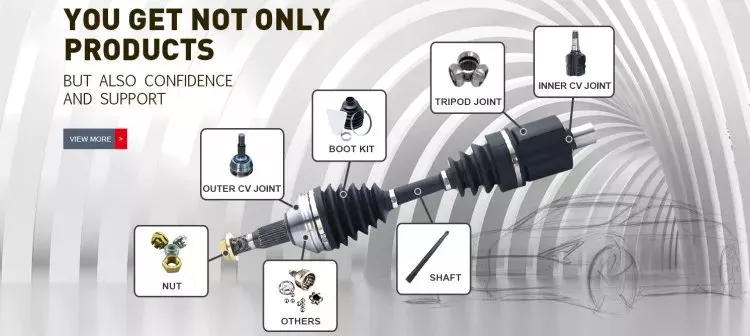
Which industries commonly use PTO shafts for power transmission?
PTO shafts (Power Take-Off shafts) are widely used in various industries where power transmission is required to drive machinery and equipment. Their versatility, efficiency, and compatibility with different types of machinery make them valuable components in several sectors. Here’s a detailed explanation of the industries that commonly use PTO shafts for power transmission:
1. Agriculture: The agricultural industry extensively relies on PTO shafts for power transmission. Tractors equipped with PTOs are commonly used to drive a wide range of agricultural implements and machinery. PTO-driven equipment includes mowers, balers, tillers, seeders, sprayers, grain augers, harvesters, and many more. PTO shafts allow for the efficient transfer of power from the tractor’s engine to these implements, enabling various agricultural operations such as cutting, baling, tilling, planting, spraying, and harvesting. The agricultural sector heavily depends on PTO shafts to enhance productivity and streamline farming processes.
2. Construction and Earthmoving: In the construction and earthmoving industry, PTO shafts find applications in machinery used for excavation, grading, and material handling. PTO-driven equipment such as backhoes, loaders, excavators, trenchers, and stump grinders utilize PTO shafts to transfer power from the prime movers, typically hydraulic systems, to drive the necessary attachments. These attachments require the high torque and power provided by PTO shafts to perform tasks like digging, loading, trenching, and grinding. PTO shafts allow for versatile and efficient power transmission in construction and earthmoving operations.
3. Forestry: The forestry industry utilizes PTO shafts for power transmission in various logging and timber processing equipment. PTO-driven machinery such as wood chippers, sawmills, log splitters, and debarkers rely on PTO shafts to transfer power from tractors or dedicated power units to perform tasks like chipping, sawing, splitting, and debarking wood. PTO shafts provide the necessary power and torque to drive the cutting and processing mechanisms, enabling efficient and productive forestry operations.
4. Landscaping and Groundskeeping: PTO shafts play a crucial role in the landscaping and groundskeeping industry. Equipment like lawn mowers, rotary cutters, flail mowers, and aerators utilize PTO shafts to transfer power from tractors or dedicated power units to drive the cutting or grooming mechanisms. PTO shafts enable efficient power transmission, allowing operators to maintain lawns, parks, golf courses, and other outdoor spaces with precision and productivity.
5. Mining and Quarrying: PTO shafts have applications in the mining and quarrying industry, particularly in equipment used for material extraction, crushing, and screening. PTO-driven machinery such as crushers, screeners, and conveyors rely on PTO shafts to transfer power from engines or motors to drive the crushing and screening mechanisms, as well as the material handling systems. PTO shafts provide the necessary power and torque to process and transport bulk materials effectively in mining and quarrying operations.
6. Industrial Manufacturing: PTO shafts are utilized in various industrial manufacturing processes that require power transmission to drive specific machinery and equipment. Industries such as food processing, textile manufacturing, paper production, and chemical processing may use PTO-driven machinery for tasks like mixing, blending, cutting, extruding, and conveying. PTO shafts enable efficient power transfer to these machines, ensuring smooth and reliable operation in industrial manufacturing settings.
7. Utilities and Infrastructure Maintenance: PTO shafts find applications in utilities and infrastructure maintenance operations. Equipment like street sweepers, sewer cleaners, road maintenance machines, and drain augers utilize PTO shafts to transfer power from trucks or dedicated power units to perform tasks like sweeping, cleaning, and maintenance of roads, sewers, and other public infrastructure. PTO shafts enable efficient power transmission, ensuring effective and reliable operation of these utility and maintenance machines.
8. Others: PTO shafts are also used in several other industries and sectors where power transmission is required. This includes applications in the transportation industry for powering refrigeration units, fuel pumps, and hydraulic systems in trucks and trailers. PTO shafts also find applications in the marine industry for powering winches, pumps, and other equipment on boats and ships.
In summary, PTO shafts are commonly used in a wide range of industries for power transmission. These industries include agriculture, construction and earthmoving, forestry, landscaping and groundskeeping, mining and quarrying, industrial manufacturing, utilities and infrastructure maintenance, transportation, and marine sectors. PTO shafts play a critical rolein enhancing productivity, enabling efficient operation of machinery, and facilitating various tasks in these industries.

editor by CX 2024-03-07