وصف المنتج
مواصفات المعلمات
| شهادة | شحنة | جودة | مادة | شهادة نظام الشركة |
| IATF16949 | في الوقت المناسب | عالي | فُولاَذ | ISO9001 |
نبذة عن الشركة
يقع مصنع هانغتشو شيهو (بحيرة الغرب) لتصنيع التروس في المنطقة الصناعية تشوجيا، بلدة تشاينامفغ، هانغتشو، على بُعد 3 كيلومترات من بحيرة شيهو (بحيرة الغرب). يختص المصنع بأبحاث وتطوير وإنتاج وبيع التروس الدقيقة. وقد حصل على شهادتي ISO9001:2015 وIATF16949:2016. تشمل أسواق التصدير الرئيسية أمريكا الشمالية وأمريكا الجنوبية وأوروبا. يمكن تخصيص المنتجات، وتشمل بشكل أساسي: أعمدة محركات الطاقة الجديدة، وتروس مضخات الزيت، وتروس الآلات الزراعية، وتروس ناقل الحركة، وتروس المركبات الكهربائية، وغيرها. نتطلع بصدق إلى التعاون مع الشركات من جميع أنحاء العالم.
المعدات والمنتجات الرئيسية
الشهادات
التعليمات
س1:كيف هي جودة منتجكم؟
ج: يتميز منتجنا بجودة موثوقة وعمر افتراضي طويل.
س2: عملية التخصيص / سير العمل؟
الاستشارات – اختيار المواد – الرسم ثنائي/ثلاثي الأبعاد – عرض الأسعار – الدفع – الإنتاج – مراقبة الجودة – التغليف – التسليم
س3: ما هي شروط التعبئة والتغليف لديكم؟
ج: بشكل عام، نقوم بتعبئة بضائعنا في صناديق خشبية، إذا كان لديك طلب خاص بشأن التعبئة، فيرجى التفاوض معنا مسبقًا، ويمكننا تعبئة البضائع حسب طلبك.
س4: السعر؟
ج: سنقدم سعرًا تنافسيًا بعد استلام الرسم الخاص بك
س5: ما هي شروط الدفع الخاصة بكم؟
أ: 30% دفع مقدمًا عن طريق التحويل المصرفي، 70% دفع قبل الشحن عن طريق التحويل المصرفي
س6: ما هي شروط التسليم الخاصة بكم؟
أ: فوب
س7: ما هو برنامج الرسم الذي تستخدمه شركتكم؟
أ: كاكسا
س8: هل تقومون باختبار جميع منتجاتكم قبل التسليم؟
ج: نعم، نجري اختبار 100% قبل التسليم
س9: ماذا عن وقت التسليم لديكم؟
ج: يمكن تسليم المنتج في غضون 40-90 يومًا
س10: عينة؟
ج: نحن نقدم عينات مدفوعة الأجر. إذا كانت لديكم متطلبات خاصة بالعينات، فلا تترددوا في الاتصال بنا في أي وقت.
س11: ما هي مواد التغليف اللوجستية التي تستخدمها شركتكم؟
أ: خدمة الشحن السريع للطلبات العاجلة. يو بي إس، فيديكس، دي إتش إل، تي إن تي، إي إم إس.
س12: نطاق التطبيق؟
ج: السيارات، والطب، والأتمتة، والزراعة، والبحرية، إلخ.
س13: كيف تجعلون أعمالنا التجارية طويلة الأمد وعلاقة جيدة؟
أ: 1. نحافظ على الجودة العالية والأسعار التنافسية لضمان استفادة عملائنا؛
2. نحن نحترم كل عميل كصديق لنا، ونتعامل معه بصدق ونبني معه علاقات صداقة.
بغض النظر عن مصدرهم.
| مادة: | Alloy Steel |
|---|---|
| حمولة: | عمود الدوران |
| الصلابة والمرونة: | Stiffness / Rigid Axle |
| أمثلة: |
US$ 50/قطعة
قطعة واحدة (الحد الأدنى للطلب) | اطلب عينة نسخة مخصصة
|
|---|
| التخصيص: |
متاح
| طلب مخصص |
|---|
.shipping-cost-tm .tm-status-off{background: none;padding:0;color: #1470cc}
|
تكلفة الشحن:
تكلفة الشحن المقدرة لكل وحدة. |
بخصوص تكلفة الشحن ووقت التسليم المتوقع. |
|---|
| طريقة الدفع: |
|
|---|---|
|
الدفعة الأولى الدفع الكامل |
| عملة: | US$ |
|---|
| سياسة الإرجاع والاسترداد: | يمكنك التقدم بطلب استرداد الأموال حتى 30 يومًا بعد استلام المنتجات. |
|---|
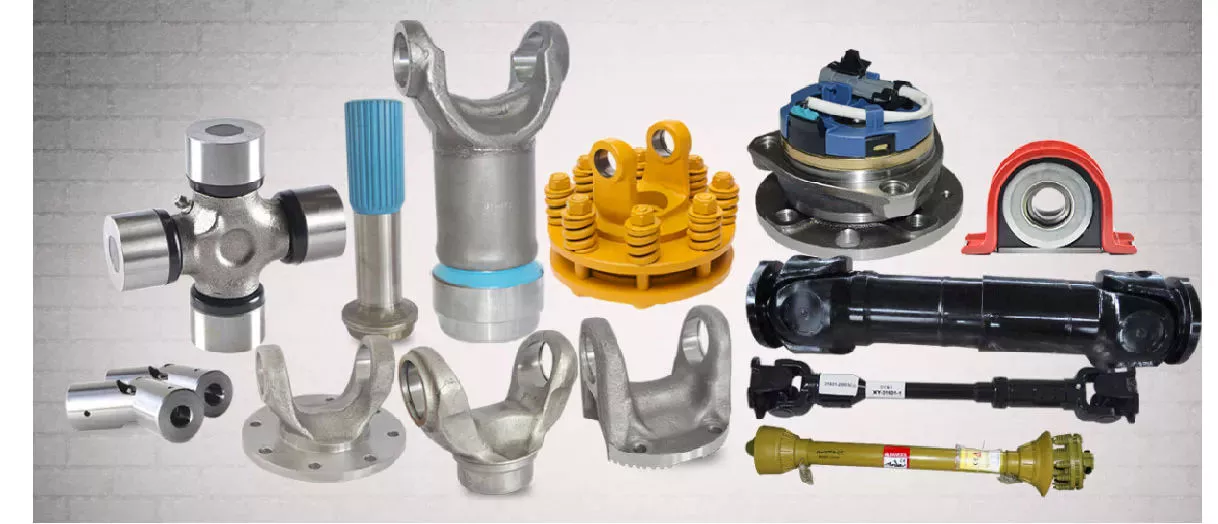
هل توجد اختلافات في تصميمات عمود نقل الحركة لأنواع مختلفة من الآلات؟
نعم، توجد اختلافات في تصميمات أعمدة نقل الحركة (PTO) لتلبية المتطلبات الخاصة لأنواع الآلات المختلفة. تُعد أعمدة نقل الحركة مكونات متعددة الاستخدامات وقابلة للتكيف، تُستخدم لنقل الطاقة من مصدر طاقة، مثل الجرار أو المحرك، إلى الآلات أو المعدات المُدارة. تُعد اختلافات تصميم أعمدة نقل الحركة ضرورية لضمان التوافق والكفاءة والسلامة في مختلف التطبيقات. إليك شرح مفصل لتصميمات أعمدة نقل الحركة المختلفة لأنواع الآلات المختلفة:
1. أعمدة نقل الحركة القياسية: تُعدّ أعمدة نقل الحركة القياسية (PTO) التصميم الأكثر شيوعًا، وتُستخدم على نطاق واسع في تطبيقات متنوعة. تتكون عادةً من عمود فولاذي صلب مزود بمفصل عالمي في كل طرف. تسمح هذه المفاصل العالمية بتفاوت الزاوية بين مصدر الطاقة والآلة المُدارة. تُناسب أعمدة نقل الحركة القياسية التطبيقات التي تكون فيها المسافة بين مصدر الطاقة والآلة المُدارة ثابتة نسبيًا. وهي شائعة الاستخدام في الأدوات الزراعية، مثل جزازات العشب، وآلات كبس التبن، وآلات الحراثة، وآلات البذر، بالإضافة إلى التطبيقات الصناعية.
2. أعمدة نقل الحركة التلسكوبية: تتميز أعمدة نقل الحركة التلسكوبية بتصميم قابل للتعديل يسمح بضبط طولها. تتكون هذه الأعمدة من عمودين أو أكثر متحدة المركز يمكن انزلاقها داخل بعضها البعض. تُعد أعمدة نقل الحركة التلسكوبية مفيدة في التطبيقات التي تتغير فيها المسافة بين مصدر الطاقة والآلة المُدارة. من خلال ضبط طول العمود، يضمن المشغلون نقل الطاقة بشكل صحيح دون خطر احتكاك العمود بالأرض أو قصره عن الوصول إلى المعدات. تُستخدم أعمدة نقل الحركة التلسكوبية بشكل شائع في الأدوات الأمامية، وآلات نفخ الثلج، وعربات التحميل الذاتي، وغيرها من التطبيقات التي تتغير فيها المسافة بين مصدر الطاقة والأداة.
3. أعمدة نقل الحركة ذات السرعة الثابتة (CV): تتضمن أعمدة نقل الحركة ذات السرعة الثابتة (CV PTO) وصلات ذات سرعة ثابتة لمعالجة عدم المحاذاة والتغيرات الزاوية. تحافظ هذه الوصلات على سرعة ثابتة ونقل عزم دوران ثابت حتى عندما تكون الآلة المُدارة بزاوية بالنسبة لمصدر الطاقة. تُعد أعمدة نقل الحركة ذات السرعة الثابتة مفيدة في التطبيقات التي تتطلب فيها الآلات المُدارة مرونة ونطاق حركة واسع. وهي شائعة الاستخدام في اللوادر المفصلية، والرافعات التلسكوبية، والرشاشات ذاتية الدفع، وغيرها من المعدات التي تتطلب نقل طاقة مستمر أثناء التشغيل بزوايا مختلفة.
4. أعمدة نقل الحركة المدفوعة بعلبة التروس: تتطلب بعض الآلات نسب سرعة أو عزم دوران محددة بين مصدر الطاقة والمعدات المُدارة. في مثل هذه الحالات، قد تتضمن أعمدة نقل الحركة (PTO) أنظمة تروس. تسمح أعمدة نقل الحركة المُدارة بواسطة علبة التروس بتقليل السرعة أو زيادتها، كما يمكنها تغيير اتجاه الدوران عند الضرورة. يمكن ضبط نسب التروس في علبة التروس لتتوافق مع متطلبات السرعة وعزم الدوران للآلات المُدارة. تُستخدم هذه الأعمدة عادةً في التطبيقات التي يعمل فيها مصدر الطاقة بسرعة أو عزم دوران مختلف عن المعدات التي يُشغلها، كما هو الحال في بعض عمليات التصنيع الصناعية والآلات المتخصصة.
5. أعمدة نقل الحركة ذات عزم الدوران العالي: تتطلب بعض الآلات الثقيلة مستويات عزم دوران عالية لنقل الطاقة. صُممت أعمدة نقل الحركة ذات عزم الدوران العالي خصيصًا للتعامل مع هذه التطبيقات الشاقة. وهي مصنوعة من مكونات مُعززة، بما في ذلك أعمدة ذات أقطار أكبر ومفاصل عالمية أكثر متانة، لتحمل متطلبات عزم الدوران المتزايدة. تُستخدم أعمدة نقل الحركة ذات عزم الدوران العالي بشكل شائع في معدات مثل آلات تقطيع الأخشاب، والكسارات، والآلات الزراعية الثقيلة التي تتطلب طاقة وعزم دوران كبيرين لتشغيلها.
6. أعمدة نقل الحركة الآمنة: تُعدّ السلامة من الاعتبارات الأساسية عند استخدام أعمدة نقل الحركة (PTO). تتضمن أعمدة نقل الحركة الآمنة آليات للحدّ من مخاطر الحوادث والإصابات. ومن أبرز ميزات السلامة الشائعة استخدام واقيات تغطي العمود الدوّار لمنع التلامس العرضي. تُصنع هذه الواقيات عادةً من المعدن أو البلاستيك، وهي مصممة لحماية الأجزاء الدوّارة مع السماح بالحركة اللازمة لنقل الطاقة. تُستخدم أعمدة نقل الحركة الآمنة في تطبيقات متنوعة حيث يكون خطر التشابك أو التلامس العرضي مع العمود الدوّار مرتفعًا، كما هو الحال في جزازات العشب، وآلات القطع الدوّارة، وغيرها من المعدات المستخدمة في تنسيق الحدائق والزراعة.
هذه بعض الاختلافات الرئيسية في تصميمات أعمدة نقل الحركة (PTO) لأنواع مختلفة من الآلات. يعتمد التصميم المُختار على عوامل مثل متطلبات التطبيق، وخصائص مصدر الطاقة، ومستويات عزم الدوران، ومرونة الحركة، واعتبارات السلامة. تُقدم الشركات المصنعة لأعمدة نقل الحركة (PTO) مجموعة من التصميمات لضمان التوافق ونقل الطاقة بكفاءة في مختلف الصناعات والتطبيقات.

How do PTO shafts handle variations in load and torque during operation?
PTO (Power Take-Off) shafts are designed to handle variations in load and torque during operation by employing specific mechanisms and features that ensure efficient power transfer and protection against overload conditions. Here’s a detailed explanation of how PTO shafts handle variations in load and torque:
1. Mechanical Design: PTO shafts are engineered with robust mechanical design principles that enable them to handle variations in load and torque. They are typically constructed using high-strength materials such as steel, which provides durability and resistance to bending or twisting forces. The shaft’s diameter, wall thickness, and overall dimensions are carefully calculated to withstand the expected torque levels and load variations. The mechanical design of the PTO shaft ensures that it can transmit power reliably and accommodate the dynamic forces encountered during operation.
2. Universal Joints: Universal joints are a key component of PTO shafts that allow for flexibility and compensation of misalignment between the power source and driven machinery. These joints can accommodate variations in angular alignment, which may occur due to changes in load or movement of the machinery. Universal joints consist of a cross-shaped yoke with needle bearings that allow for smooth rotation and transfer of torque, even when the shafts are not perfectly aligned. The design of universal joints enables PTO shafts to handle variations in load and torque while maintaining consistent power transmission.
3. Slip Clutches: Slip clutches are often incorporated into PTO shafts to provide overload protection. These clutches allow the PTO shaft to slip or disengage momentarily when excessive torque or resistance is encountered. Slip clutches typically consist of friction plates that can be adjusted to a specific torque setting. When the torque surpasses the predetermined limit, the clutch slips, preventing damage to the PTO shaft and connected equipment. Slip clutches are particularly useful when sudden changes in load or torque occur, providing a safety mechanism to protect the PTO shaft and associated machinery.
4. Torque Limiters: Torque limiters are another protective feature found in some PTO shafts. These devices are designed to automatically disengage the power transmission when a predetermined torque threshold is exceeded. Torque limiters can be mechanical, such as shear pin couplings or friction clutches, or electronic, utilizing sensors and control systems. When the torque exceeds the set limit, the torque limiter disengages, preventing further power transfer and protecting the PTO shaft from overload conditions. Torque limiters are effective in handling sudden spikes in torque and safeguarding the PTO shaft and associated equipment.
5. Maintenance and Inspection: Regular maintenance and inspection of PTO shafts are essential to ensure their proper functioning and ability to handle variations in load and torque. Routine maintenance includes lubrication of universal joints, inspection of shaft integrity, and tightening of fasteners. Regular inspections allow for early detection of wear, misalignment, or other issues that may affect the PTO shaft’s performance. By addressing maintenance and inspection requirements, operators can identify and address any concerns that may arise due to variations in load and torque, ensuring the continued safe and efficient operation of the PTO shaft.
6. Operator Awareness and Control: Operators play a crucial role in managing variations in load and torque during PTO shaft operation. They should be aware of the machinery’s operational limits, including the recommended torque ratings and load capacities of the PTO shaft. Proper training and understanding of the equipment’s capabilities enable operators to make informed decisions and adjust the operation when encountering significant load or torque changes. Operators should also be vigilant in monitoring the equipment’s performance, watching for any signs of excessive vibration, noise, or other indications of potential issues related to load and torque variations.
By incorporating robust mechanical design, utilizing universal joints, slip clutches, torque limiters, and implementing proper maintenance practices, PTO shafts are equipped to handle variations in load and torque during operation. These features ensure reliable power transmission, protect against overload conditions, and contribute to the safe and efficient functioning of the PTO shaft and the machinery it drives.

كيف تساهم أعمدة نقل الطاقة في نقل الطاقة من الجرارات إلى المعدات الزراعية؟
تلعب أعمدة نقل الحركة (PTO) دورًا محوريًا في نقل الطاقة من الجرارات إلى المعدات الزراعية والصناعية. فهي توفر وسيلة موثوقة وفعالة لنقل الطاقة، مما يُمكّن الجرارات من تشغيل مختلف المعدات وأداء مجموعة واسعة من المهام. إليكم شرحًا مفصلًا لكيفية مساهمة أعمدة نقل الحركة في نقل الطاقة من الجرارات إلى المعدات:
مصدر الطاقة: تُجهز الجرارات بمحركات قوية مصممة لتوليد كميات كبيرة من الطاقة الميكانيكية. تُستغل هذه الطاقة لتشغيل عجلات الجرار وأنظمة الهيدروليك، بالإضافة إلى توفير الطاقة اللازمة لتركيب المعدات عبر عمود نقل الحركة (PTO). يتصل عمود نقل الحركة عادةً بالجزء الخلفي أو الجانبي من الجرار، حيث توجد آلية نقل الطاقة. تستمد آلية نقل الطاقة الطاقة مباشرةً من محرك الجرار أو ناقل الحركة، مما يسمح بنقل الطاقة بكفاءة إلى عمود نقل الحركة.
تصميم عمود نقل الحركة: صُممت أعمدة نقل الحركة (PTO) كمكونات أساسية في نظام نقل الحركة، حيث تنقل الطاقة الدورانية وعزم الدوران من مأخذ الطاقة في الجرار إلى الآلة الزراعية. تتكون هذه الأعمدة من أنبوب معدني مجوف مزود بوصلات عالمية في كل طرف. تعمل هذه الوصلات على استيعاب أي انحرافات زاوية، مما يسمح لعمود نقل الحركة بنقل الطاقة حتى في حال عدم محاذاة الجرار والآلة الزراعية بشكل مثالي. كما زُوّد عمود نقل الحركة بواقٍ أو غطاء أمان لمنع أي تلامس عرضي مع العمود الدوار، مما يضمن سلامة المشغل أثناء التشغيل.
مشاركة الموظفين في الإجازات المدفوعة: لنقل الطاقة من الجرار إلى الآلة، يجب تشغيل عمود نقل الحركة (PTO). تُجهز الجرارات بآلية قابض PTO التي تسمح للمشغلين بتشغيل أو فصل عمود PTO حسب الحاجة. عند تشغيل قابض PTO، تتدفق الطاقة من محرك الجرار عبر آلية نقل الحركة إلى عمود PTO. ثم تُنقل هذه الطاقة الدورانية عبر عمود PTO إلى الآلة، لتشغيل أجزائها العاملة.
نقل الطاقة الدوراني: تُنقل الطاقة الدورانية الناتجة عن محرك الجرار إلى عمود نقل الحركة (PTO) عبر آلية نقل الطاقة. يدور عمود نقل الحركة، المتصل مباشرةً بآلية نقل الطاقة، بنفس سرعة دوران المحرك. ثم تُنقل هذه الطاقة الدورانية من عمود نقل الحركة إلى نظام نقل الحركة أو علبة التروس الخاصة بالآلة. يقوم نظام نقل الحركة بدوره بتوزيع الطاقة على مكونات الآلة العاملة، مثل الشفرات والمثاقب والمضخات، مما يُمكّنها من أداء وظائفها.
مواءمة السرعة والقوة: صُممت أعمدة نقل الحركة (PTO) لتتوافق مع سرعة الدوران ومتطلبات الطاقة لمختلف الأدوات. غالبًا ما تحتوي الجرارات على إعدادات سرعة متعددة لعمود نقل الحركة، مما يسمح للمشغلين باختيار السرعة المناسبة للأداة المستخدمة. قد تتطلب الأدوات المختلفة سرعات دوران مختلفة للعمل بكفاءة، ويتيح عمود نقل الحركة سهولة التعديل لتلبية هذه المتطلبات. بالإضافة إلى ذلك، تُنقل الطاقة المولدة من محرك الجرار عبر عمود نقل الحركة، مما يوفر عزم الدوران اللازم لتشغيل مكونات الأداة بكفاءة.
التنوع والكفاءة: توفر أعمدة نقل الحركة (PTO) مرونة وكفاءة عاليتين في العمليات الزراعية والصناعية. فهي تُمكّن الجرارات من تشغيل مجموعة واسعة من الأدوات، بما في ذلك جزازات العشب، وآلات كبس التبن، وآلات الحراثة، وآلات الرش، وآلات نقل الحبوب، وغيرها. ومن خلال توصيل الأدوات مباشرةً بمصدر طاقة الجرار، يستطيع المشغلون التبديل بسرعة بين المهام دون الحاجة إلى مولدات طاقة أو محركات منفصلة. تُسهم هذه المرونة والكفاءة في تبسيط سير العمل، وخفض التكاليف، وزيادة الإنتاجية الإجمالية في البيئات الزراعية والصناعية.
اعتبارات السلامة: على الرغم من أهمية أعمدة نقل الحركة (PTO) في نقل الطاقة، إلا أنها قد تشكل مخاطر على السلامة في حال سوء استخدامها. إذ يمكن أن يتسبب العمود الدوار والمفاصل العالمية في إصابات بالغة إذا لامسها المشغلون أثناء التشغيل. ولذلك، تُزود أعمدة نقل الحركة بدروع أو واقيات أمان لمنع التلامس العرضي. يجب على المشغلين التأكد دائمًا من تثبيت دروع الأمان بإحكام قبل تشغيل عمود نقل الحركة. ويُعد التدريب المناسب والالتزام بإرشادات السلامة والصيانة الدورية لأعمدة نقل الحركة وميزات السلامة المرتبطة بها أمورًا بالغة الأهمية لضمان التشغيل الآمن.
باختصار، تُعدّ أعمدة نقل الحركة (PTO) مكونات أساسية تُمكّن من نقل الطاقة من الجرارات إلى المعدات في التطبيقات الزراعية والصناعية. فهي توفر وسيلة موثوقة وفعّالة لنقل الطاقة، مما يسمح للجرارات بتشغيل مختلف المعدات وأداء مجموعة واسعة من المهام. ومن خلال تشغيل قابض نقل الحركة ونقل الطاقة الدورانية عبر عمود نقل الحركة، تُشغّل الجرارات المكونات العاملة للمعدات، مما يوفر تنوعًا وكفاءة وإنتاجية في العمليات الزراعية والصناعية.


editor by CX 2023-10-31