Descrição do produto
Especificações de parâmetros
| Certificação | Envio | Qualidade | material | Certificação do Sistema da Empresa |
| IATF16949 | com o tempo | alto | aço | ISO9001 |
perfil de companhia
A fábrica de engrenagens HangZhou Xihu (Lago Oeste), localizada no Porto Leste, na Zona Industrial de Zhoujia, cidade de CHINAMFG, HangZhou, a 3 km do Lago Qian, distrito de Xihu (Lago Oeste). A empresa se dedica à pesquisa, desenvolvimento, produção e venda de engrenagens de precisão. A fábrica possui as certificações ISO9001:2015 e IATF16949:2016. Seus principais mercados de exportação são a América do Norte, a América do Sul e a Europa. Os produtos podem ser personalizados e incluem principalmente: eixos para motores de novas energias, engrenagens para bombas de óleo, engrenagens para máquinas agrícolas, engrenagens de transmissão, engrenagens para veículos elétricos, etc. Estamos sinceramente dispostos a cooperar com empresas de todo o mundo.
Equipamentos e principais produtos
Certificações
Perguntas frequentes
Q1:Qual a qualidade do seu produto?
A: Nosso produto possui qualidade confiável e alta durabilidade.
Q2: Processo/fluxo de trabalho de personalização?
Consultoria – Seleção de materiais – Desenho 2D/3D – Orçamento – Pagamento – Produção – Controle de qualidade – Embalagem – Entrega
Q3: Quais são as suas condições de embalagem?
A: Geralmente, embalamos nossos produtos em caixas de madeira. Se você tiver alguma solicitação especial sobre a embalagem, por favor, negocie conosco com antecedência. Podemos embalar os produtos conforme sua solicitação.
Q4: Preço?
A: Ofereceremos um preço competitivo após recebermos seu desenho.
Q5: Quais são as suas condições de pagamento?
A: 30% T/T adiantado, 70% T/T antes do envio
Q6: Quais são as suas condições de entrega?
A: FOB
Q7: Qual software de desenho sua empresa utiliza?
A:CAXA
Q8: Vocês testam todos os seus produtos antes da entrega?
A: Sim, realizamos o teste 100% antes da entrega.
Q9: E quanto ao prazo de entrega?
A: O produto geralmente pode ser entregue dentro de 40 a 90 dias.
Q10: Amostra?
A: Oferecemos amostras pagas. Se você precisar de amostras, entre em contato conosco a qualquer momento.
Q11: Que tipo de embalagem logística sua empresa utiliza?
A: Envio expresso para pedidos urgentes. UPS, FedEx, DHL, TNT, EMS.
Q12: Qual é o intervalo de aplicação?
A: Automotivo, médico, automação, agrícola, marítimo, etc.
Q13: Como vocês fazem para que nosso relacionamento comercial seja duradouro e de qualidade?
A:1. Mantemos boa qualidade e preços competitivos para garantir que nossos clientes se beneficiem;
2. Respeitamos cada cliente como nosso amigo e fazemos negócios e amizades com sinceridade.
Não importa de onde venham.
| Material: | Liga de aço |
|---|---|
| Carregar: | Eixo de transmissão |
| Rigidez e flexibilidade: | Rigidez / Eixo Rígido |
| Exemplos: |
US$ 50/Peça
1 unidade (pedido mínimo) | Solicitar amostra versão personalizada
|
|---|
| Personalização: |
Disponível
| Solicitação personalizada |
|---|
.shipping-cost-tm .tm-status-off{background: none;padding:0;color: #1470cc}
|
Custo do frete:
Frete estimado por unidade. |
sobre o custo do frete e o prazo estimado de entrega. |
|---|
| Método de pagamento: |
|
|---|---|
|
Pagamento inicial Pagamento integral |
| Moeda: | US$ |
|---|
| Devoluções e reembolsos: | Você pode solicitar um reembolso em até 30 dias após o recebimento dos produtos. |
|---|
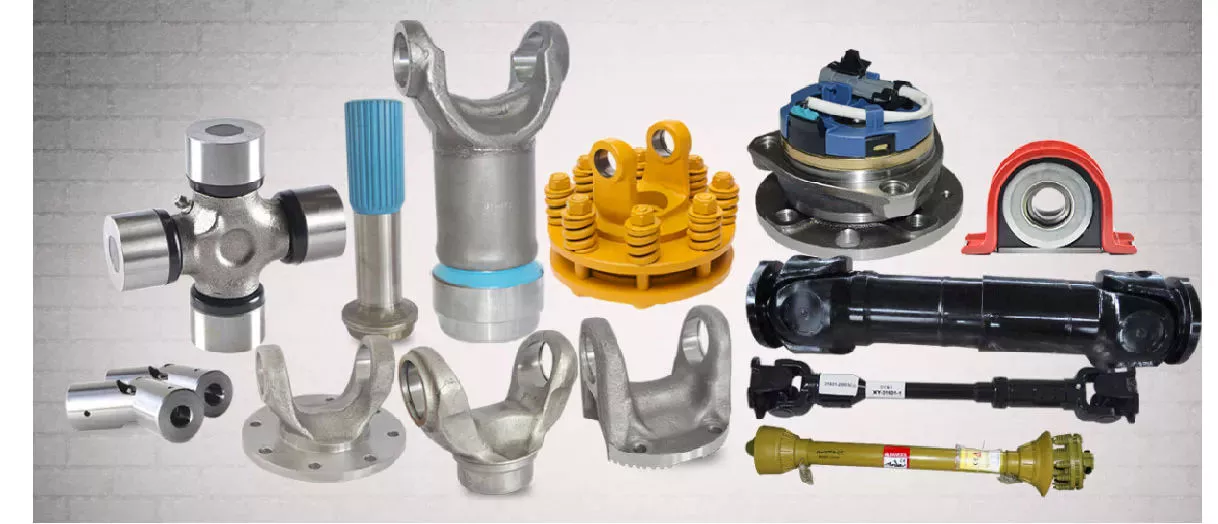
Existem variações nos projetos de eixos de tomada de força (PTO) para diferentes tipos de máquinas?
Sim, existem variações nos projetos de eixos de tomada de força (TDF) para atender às necessidades específicas de diferentes tipos de máquinas. Os eixos de TDF são componentes altamente versáteis e adaptáveis, usados para transferir energia de uma fonte, como um trator ou motor, para máquinas ou equipamentos acionados. As variações de projeto nos eixos de TDF são necessárias para garantir compatibilidade, eficiência e segurança em diversas aplicações. Aqui está uma explicação detalhada dos diferentes projetos de eixos de TDF para diferentes tipos de máquinas:
1. Eixos de tomada de força padrão: Eixos de tomada de força (TDF) padrão são o modelo mais comum e amplamente utilizados em diversas aplicações. Normalmente, consistem em um eixo de aço maciço com uma junta universal em cada extremidade. Essas juntas universais permitem o desalinhamento angular entre a fonte de energia e a máquina acionada. Os eixos de TDF padrão são adequados para aplicações em que a distância entre a fonte de energia e a máquina acionada permanece relativamente fixa. São comumente utilizados em implementos agrícolas, como segadoras, enfardadeiras, cultivadores e semeadoras, bem como em aplicações industriais.
2. Eixos telescópicos da tomada de força: Eixos telescópicos de tomada de força (TDF) possuem um design telescópico que permite o ajuste do comprimento. Esses eixos consistem em dois ou mais eixos concêntricos que podem deslizar uns dentro dos outros. Os eixos telescópicos de TDF são vantajosos em aplicações onde a distância entre a fonte de energia e a máquina acionada varia. Ao ajustar o comprimento do eixo, os operadores podem garantir a transmissão adequada de potência sem o risco de o eixo arrastar no chão ou ser curto demais para alcançar o equipamento. Os eixos telescópicos de TDF são comumente usados em implementos frontais, sopradores de neve, vagões autocarregáveis e outras aplicações onde a distância entre a fonte de energia e o implemento muda.
3. Eixos de tomada de força (TDF) CV (velocidade constante): Os eixos de tomada de força (PTO) com juntas homocinéticas (CV) incorporam juntas de velocidade constante para acomodar desalinhamentos e variações angulares. Essas juntas mantêm uma velocidade constante e a transferência de torque mesmo quando a máquina acionada está em um ângulo em relação à fonte de energia. Os eixos de tomada de força com juntas homocinéticas são vantajosos em aplicações onde a máquina acionada requer flexibilidade e uma ampla gama de movimentos. Eles são comumente usados em carregadeiras articuladas, manipuladores telescópicos, pulverizadores autopropelidos e outros equipamentos que exigem transmissão contínua de potência enquanto operam em vários ângulos.
4. Eixos da tomada de força acionados por caixa de engrenagens: Algumas máquinas exigem relações específicas de velocidade ou torque entre a fonte de energia e o equipamento acionado. Nesses casos, os eixos de tomada de força (TDF) podem incorporar sistemas de engrenagens. Os eixos de TDF acionados por caixa de engrenagens permitem a redução ou o aumento da velocidade e podem inverter o sentido de rotação, se necessário. As relações de engrenagem na caixa de engrenagens podem ser ajustadas para atender aos requisitos de velocidade e torque da máquina acionada. Esses eixos de TDF são comumente usados em aplicações onde a fonte de energia opera em um nível de velocidade ou torque diferente do equipamento que aciona, como em certos processos de fabricação industrial e máquinas especializadas.
5. Eixos de tomada de força de alto torque: Algumas máquinas pesadas exigem altos níveis de torque para a transmissão de potência. Os eixos de tomada de força (TDF) de alto torque são projetados para lidar com essas aplicações exigentes. Eles são construídos com componentes reforçados, incluindo eixos de maior diâmetro e juntas universais mais robustas, para suportar as maiores necessidades de torque. Os eixos de TDF de alto torque são comumente usados em equipamentos como trituradores de madeira, britadores e implementos agrícolas pesados que requerem potência e torque substanciais para sua operação.
6. Eixos de tomada de força de segurança: A segurança é uma consideração crucial ao usar eixos de tomada de força (TDF). Os eixos de TDF de segurança incorporam mecanismos para reduzir o risco de acidentes e lesões. Uma característica de segurança comum é o uso de proteções que cobrem o eixo rotativo para evitar contato acidental. Essas proteções são geralmente feitas de metal ou plástico e são projetadas para proteger os componentes rotativos, permitindo o movimento necessário para a transmissão de potência. Os eixos de TDF de segurança são usados em diversas aplicações onde o risco de emaranhamento ou contato acidental com o eixo rotativo é alto, como em cortadores de grama, roçadeiras e outros equipamentos usados em paisagismo e agricultura.
Estas são algumas das principais variações nos projetos de eixos de tomada de força (TDF) para diferentes tipos de máquinas. O projeto específico utilizado depende de fatores como os requisitos da aplicação, as características da fonte de energia, os níveis de torque, a flexibilidade de movimento e as considerações de segurança. Os fabricantes de eixos de TDF oferecem uma gama de projetos para garantir a compatibilidade e a transmissão eficiente de potência em diversos setores e aplicações.

How do PTO shafts handle variations in load and torque during operation?
PTO (Power Take-Off) shafts are designed to handle variations in load and torque during operation by employing specific mechanisms and features that ensure efficient power transfer and protection against overload conditions. Here’s a detailed explanation of how PTO shafts handle variations in load and torque:
1. Mechanical Design: PTO shafts are engineered with robust mechanical design principles that enable them to handle variations in load and torque. They are typically constructed using high-strength materials such as steel, which provides durability and resistance to bending or twisting forces. The shaft’s diameter, wall thickness, and overall dimensions are carefully calculated to withstand the expected torque levels and load variations. The mechanical design of the PTO shaft ensures that it can transmit power reliably and accommodate the dynamic forces encountered during operation.
2. Universal Joints: Universal joints are a key component of PTO shafts that allow for flexibility and compensation of misalignment between the power source and driven machinery. These joints can accommodate variations in angular alignment, which may occur due to changes in load or movement of the machinery. Universal joints consist of a cross-shaped yoke with needle bearings that allow for smooth rotation and transfer of torque, even when the shafts are not perfectly aligned. The design of universal joints enables PTO shafts to handle variations in load and torque while maintaining consistent power transmission.
3. Slip Clutches: Slip clutches are often incorporated into PTO shafts to provide overload protection. These clutches allow the PTO shaft to slip or disengage momentarily when excessive torque or resistance is encountered. Slip clutches typically consist of friction plates that can be adjusted to a specific torque setting. When the torque surpasses the predetermined limit, the clutch slips, preventing damage to the PTO shaft and connected equipment. Slip clutches are particularly useful when sudden changes in load or torque occur, providing a safety mechanism to protect the PTO shaft and associated machinery.
4. Torque Limiters: Torque limiters are another protective feature found in some PTO shafts. These devices are designed to automatically disengage the power transmission when a predetermined torque threshold is exceeded. Torque limiters can be mechanical, such as shear pin couplings or friction clutches, or electronic, utilizing sensors and control systems. When the torque exceeds the set limit, the torque limiter disengages, preventing further power transfer and protecting the PTO shaft from overload conditions. Torque limiters are effective in handling sudden spikes in torque and safeguarding the PTO shaft and associated equipment.
5. Maintenance and Inspection: Regular maintenance and inspection of PTO shafts are essential to ensure their proper functioning and ability to handle variations in load and torque. Routine maintenance includes lubrication of universal joints, inspection of shaft integrity, and tightening of fasteners. Regular inspections allow for early detection of wear, misalignment, or other issues that may affect the PTO shaft’s performance. By addressing maintenance and inspection requirements, operators can identify and address any concerns that may arise due to variations in load and torque, ensuring the continued safe and efficient operation of the PTO shaft.
6. Operator Awareness and Control: Operators play a crucial role in managing variations in load and torque during PTO shaft operation. They should be aware of the machinery’s operational limits, including the recommended torque ratings and load capacities of the PTO shaft. Proper training and understanding of the equipment’s capabilities enable operators to make informed decisions and adjust the operation when encountering significant load or torque changes. Operators should also be vigilant in monitoring the equipment’s performance, watching for any signs of excessive vibration, noise, or other indications of potential issues related to load and torque variations.
By incorporating robust mechanical design, utilizing universal joints, slip clutches, torque limiters, and implementing proper maintenance practices, PTO shafts are equipped to handle variations in load and torque during operation. These features ensure reliable power transmission, protect against overload conditions, and contribute to the safe and efficient functioning of the PTO shaft and the machinery it drives.

How do PTO shafts contribute to transferring power from tractors to implements?
PTO shafts (Power Take-Off shafts) play a critical role in transferring power from tractors to implements in agricultural and industrial settings. They provide a reliable and efficient means of power transmission, enabling tractors to drive various implements and perform a wide range of tasks. Here’s a detailed explanation of how PTO shafts contribute to transferring power from tractors to implements:
Fonte de alimentação: Tractors are equipped with powerful engines designed to generate substantial amounts of mechanical power. This power is harnessed to drive the tractor’s wheels and operate hydraulic systems, as well as to provide power for the attachment of implements through the PTO shaft. The PTO shaft typically connects to the rear or side of the tractor, where the power take-off mechanism is located. The power take-off derives power directly from the tractor’s engine or transmission, allowing for efficient power transfer to the PTO shaft.
PTO Shaft Design: PTO shafts are designed as driveline components that transmit rotational power and torque from the tractor’s power take-off to the implement. They consist of a hollow metal tube with universal joints at each end. The universal joints accommodate angular misalignments and allow the PTO shaft to transmit power even when the tractor and implement are not perfectly aligned. The PTO shaft is also equipped with a safety shield or guard to prevent accidental contact with the rotating shaft, ensuring operator safety during operation.
PTO Engagement: To transfer power from the tractor to the implement, the PTO shaft needs to be engaged. Tractors are equipped with a PTO clutch mechanism that allows operators to engage or disengage the PTO shaft as needed. When the PTO clutch is engaged, power flows from the tractor’s engine through the power take-off mechanism and into the PTO shaft. This rotational power is then transmitted through the PTO shaft to the implement, driving its working components.
Rotational Power Transmission: The rotational power generated by the tractor’s engine is transferred to the PTO shaft through the power take-off mechanism. The PTO shaft, being directly connected to the power take-off, rotates at the same speed as the engine. This rotational power is then transmitted from the PTO shaft to the implement’s driveline or gearbox. The implement’s driveline, in turn, distributes the power to the implement’s working components, such as blades, augers, or pumps, enabling them to carry out their respective functions.
Matching Speed and Power: PTO shafts are designed to match the rotational speed and power requirements of various implements. Tractors often feature multiple speed settings for the PTO, allowing operators to select the appropriate speed for the specific implement being used. Different implements may require different rotational speeds to operate optimally, and the PTO shaft allows for easy adjustment to match those requirements. Additionally, the power generated by the tractor’s engine is transmitted through the PTO shaft, providing the necessary torque to drive the implement’s working components effectively.
Versatility and Efficiency: PTO shafts offer significant versatility and efficiency in agricultural and industrial operations. They allow tractors to power a wide range of implements, including mowers, balers, tillers, sprayers, and grain augers, among others. By connecting implements directly to the tractor’s power source, operators can quickly switch between tasks without the need for separate power generators or engines. This versatility and efficiency streamline workflow, reduce costs, and increase overall productivity in agricultural and industrial settings.
Considerações de segurança: While PTO shafts are essential for power transmission, they can pose safety risks if mishandled. The rotating shaft and universal joints can cause severe injuries if operators come into contact with them while in operation. That’s why PTO shafts are equipped with safety shields or guards to prevent accidental contact. Operators should always ensure that the safety shields are in place and secure before engaging the PTO shaft. Proper training, adherence to safety guidelines, and regular maintenance of PTO shafts and associated safety features are crucial to ensuring safe operation.
In summary, PTO shafts are vital components that enable the transfer of power from tractors to implements in agricultural and industrial applications. They provide a reliable and efficient means of power transmission, allowing tractors to drive various implements and perform a wide range of tasks. By engaging the PTO clutch and transmitting rotational power through the PTO shaft, tractors power the working components of implements, providing versatility, efficiency, and productivity in agricultural and industrial operations.


editor by CX 2023-10-31