Descrição do produto
Professional Manufacturer Pto Cardan Shaft for Farm Implement
1. Descrição do produto
|
2. Mais produtos
3. A estrutura do eixo da tomada de força (TDF)
4. Processo de Instalação
5. Embalagem e Envio
6. Nossa Empresa
A HangZhou CHINAMFG Tech.Machinery Co., Ltd. foi fundada em 2003. Está localizada no Condado de Hangzhou, cidade de Hangzhou, próxima à Rodovia Nacional 204. Nossos principais produtos: 1. Todos os tipos de eixos de transmissão; 2. Todos os tipos de caixas de engrenagens; 3. Máquinas agrícolas: distribuidor de fertilizantes inorgânicos IMT500, distribuidor de fertilizantes orgânicos HMT05S, rotocultivador 3M, cultivador rotativo para arrozais alagados 3M, cultivador profundo King 185, entre outros; 4. Peças para máquinas: diversos tipos de engrenagens, eixos, flanges, caixas de engrenagens, peças cortadas a laser, peças estampadas, entre outras.
7. Perguntas frequentes
1. P: Seus produtos são forjados ou fundidos?
A: Todos os nossos produtos são forjados.
2. P: Qual é a sua quantidade mínima de encomenda (MOQ)?
A: 20 unidades de cada tipo. Aceitamos pedidos de amostra.
3. P: Qual a potência em cavalos-vapor (HP) disponível para o eixo da tomada de força (TDF)?
A: Oferecemos uma gama completa de eixos de tomada de força (TDF), com potências que variam de 16 HP a 200 HP.
4. P: Quantas especificações de encaixe estriado vocês têm?
A: Produzimos estrias de 1 1/8″-Z6, 1 3/8″-Z6, 1 3/4″-Z6, 1 3/8″-Z21, 1 3/4″-Z20, 8X42X48X8 e 8X32X38X6.
5. P: E quanto à garantia?
A: Oferecemos 1 ano de garantia. Em caso de problemas de qualidade, enviaremos novos produtos gratuitamente na próxima remessa.
6. P: Quais são as suas condições de pagamento?
A: T/T, L/C, D/A, D/P….
7. P: Qual é o prazo de entrega?
A: 40 dias após o recebimento do seu depósito inicial.
/* May 10, 2571 16:49:51 */!function(){function d(e,r){var a,o={};try{e&&e.split(“,”).forEach(function(e,t){e&&(a=e.match(/(.*?):(.*)$/))&&1
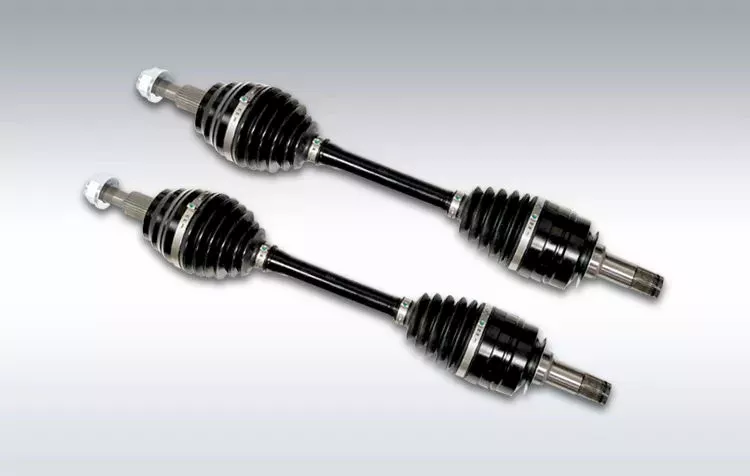
Como os eixos da tomada de força (PTO) lidam com variações de comprimento e métodos de conexão?
Os eixos de tomada de força (PTO, do inglês Power Take-Off) são projetados para lidar com variações de comprimento e métodos de conexão, adaptando-se a diferentes configurações de equipamentos e garantindo a transferência eficiente de potência. Os eixos de PTO precisam ter comprimento ajustável para compensar a distância entre a fonte de energia e a máquina acionada. Além disso, devem oferecer métodos de conexão versáteis para se adaptarem a uma ampla gama de equipamentos. A seguir, uma explicação detalhada de como os eixos de PTO lidam com variações de comprimento e métodos de conexão:
1. Design telescópico: Os eixos de tomada de força (TDF) geralmente apresentam um design telescópico, permitindo o ajuste do comprimento para se adequarem a diferentes configurações de equipamentos. O recurso telescópico permite que o eixo se estenda ou retraia, acomodando diferentes distâncias entre a fonte de energia (como um trator ou motor) e a máquina acionada. Ao ajustar o comprimento do eixo de TDF, ele pode ser alinhado e conectado corretamente para garantir a transferência ideal de potência. Os eixos de TDF telescópicos normalmente consistem em várias seções tubulares que deslizam umas dentro das outras, proporcionando flexibilidade no ajuste do comprimento.
2. Eixos estriados: Os eixos de tomada de força (TDF) geralmente utilizam eixos estriados como principal método de conexão entre a fonte de energia e o equipamento acionado. As estrias são uma série de saliências ou ranhuras ao longo do eixo que se encaixam com ranhuras correspondentes no componente de acoplamento. A conexão estriada permite a transferência de torque, mantendo o alinhamento entre a fonte de energia e o equipamento acionado. Os eixos estriados podem lidar com variações de comprimento, estendendo ou retraindo as seções telescópicas, mantendo ainda uma conexão sólida entre a fonte de energia e o equipamento acionado.
3. Garfos deslizantes ajustáveis: Os eixos de tomada de força (TDF) geralmente apresentam garfos deslizantes ajustáveis em uma ou ambas as extremidades. Esses garfos permitem o ajuste angular, acomodando variações no alinhamento entre a fonte de energia e a máquina acionada. Os garfos deslizantes podem ser movidos ao longo do eixo estriado para atingir o ângulo desejado e manter o alinhamento correto. Essa flexibilidade garante que o eixo da TDF suporte variações de comprimento, assegurando a transferência eficiente de potência sem sobrecarregar as juntas universais ou outros componentes.
4. Juntas universais: As juntas universais são componentes integrais dos eixos da tomada de força (TDF) que permitem o desalinhamento angular entre a fonte de energia e o equipamento acionado. Elas consistem em um garfo em forma de cruz com rolamentos que transmitem o torque entre os eixos conectados, acomodando o desalinhamento. As juntas universais proporcionam flexibilidade na conexão dos eixos da TDF a equipamentos que podem não estar perfeitamente alinhados. À medida que o comprimento do eixo da TDF varia, as juntas universais compensam as mudanças de ângulo, permitindo uma transmissão de potência suave mesmo quando há variações de comprimento ou desalinhamento entre a fonte de energia e o equipamento acionado.
5. Mecanismos de acoplamento: Os eixos de tomada de força (TDF) utilizam diversos mecanismos de acoplamento para conectar-se com segurança à fonte de energia e à máquina acionada. Esses mecanismos geralmente envolvem uma combinação de estrias, parafusos, pinos de travamento ou mecanismos de liberação rápida. Os métodos de acoplamento podem variar dependendo do equipamento específico e das exigências do setor. A versatilidade dos eixos de TDF permite o uso de diferentes métodos de acoplamento, garantindo uma conexão confiável e segura, independentemente da variação de comprimento ou da configuração do equipamento.
6. Opções de personalização: Os eixos de tomada de força (TDF) podem ser personalizados para lidar com variações específicas de comprimento e métodos de conexão. Os fabricantes oferecem opções para selecionar diferentes comprimentos de seções telescópicas para corresponder à distância específica entre a fonte de energia e a máquina acionada. Além disso, os eixos de TDF podem ser adaptados para acomodar vários métodos de conexão por meio da seleção de tamanhos de eixo estriado, designs de garfo e mecanismos de acoplamento. Essa personalização permite que os eixos de TDF atendam aos requisitos específicos de diferentes configurações de equipamentos, garantindo transferência de potência e compatibilidade ideais.
7. Considerações de segurança: Ao lidar com variações de comprimento e métodos de conexão, é essencial considerar a segurança. Os eixos da tomada de força (TDF) incorporam proteções e blindagens para evitar o contato acidental com componentes rotativos. Essas medidas de segurança devem ser ajustadas e instaladas adequadamente para fornecer cobertura e proteção suficientes, independentemente do comprimento do eixo da TDF ou da configuração da conexão. As diretrizes e regulamentações de segurança devem ser seguidas para garantir a instalação, o ajuste e o uso corretos dos eixos da TDF, a fim de evitar acidentes ou lesões.
Ao incorporar designs telescópicos, eixos estriados, garfos deslizantes ajustáveis, juntas universais e mecanismos de acoplamento versáteis, os eixos de tomada de força (PTO) podem lidar com variações de comprimento e métodos de conexão. A flexibilidade dos eixos de PTO permite que se adaptem a diferentes configurações de equipamentos, garantindo a transferência eficiente de potência, mantendo o alinhamento e a segurança.
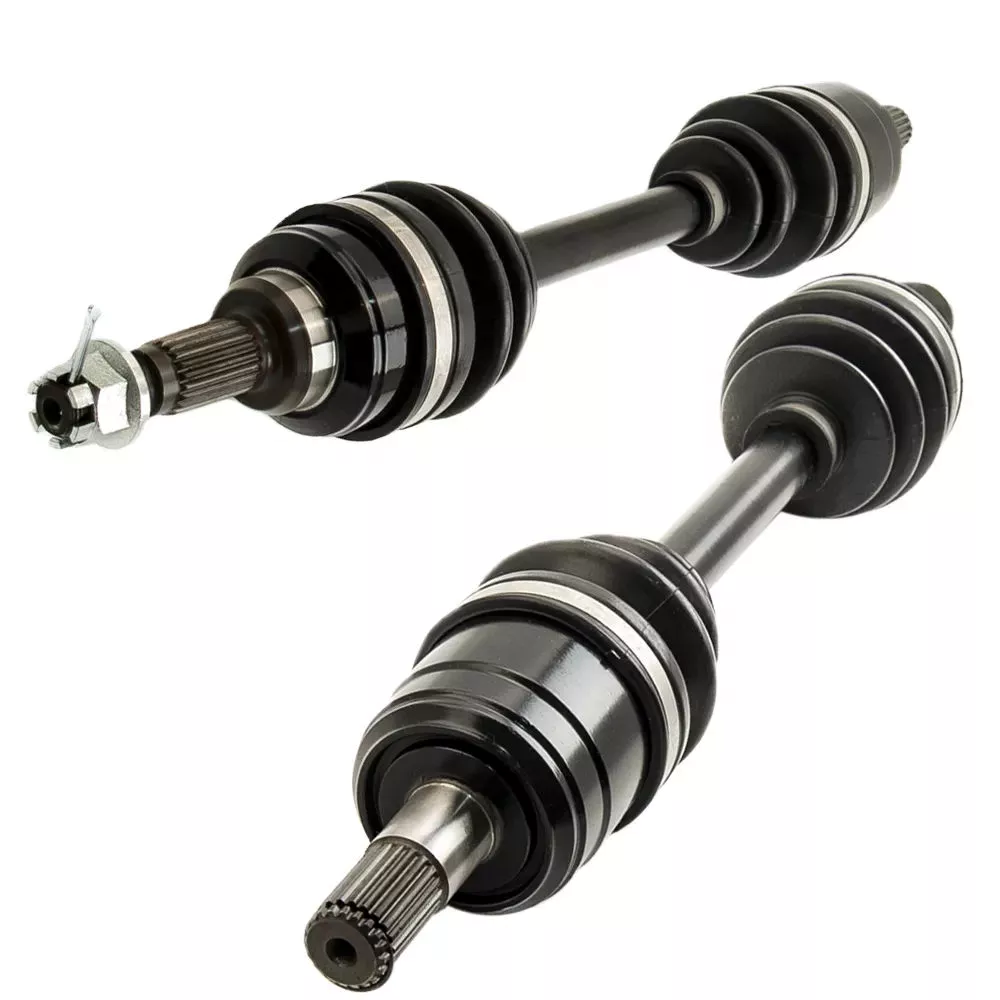
Can PTO shafts be customized for specific machinery and power requirements?
Yes, PTO (Power Take-Off) shafts can be customized to meet the specific machinery and power requirements of different applications. Manufacturers offer customization options to ensure that PTO shafts are precisely tailored to the power source, driven machinery, and the intended application. Here’s a detailed explanation of how PTO shafts can be customized:
1. Shaft Length: PTO shafts can be customized in terms of length to accommodate different equipment configurations. The length of the PTO shaft is critical to ensure proper alignment and connection between the power source and driven machinery. Manufacturers can provide PTO shafts with adjustable or fixed-length options, allowing for flexibility in meeting specific length requirements. Customizing the shaft length ensures that the PTO shaft fits the equipment properly, optimizing power transfer efficiency and reducing the risk of misalignment or excessive stress.
2. Spline Sizes: PTO shafts are available with different spline sizes to match the input and output shafts of various equipment. Spline size customization allows the PTO shaft to seamlessly connect to the power source and driven machinery. Manufacturers can offer different spline configurations, such as 1-3/8 inch, 1-3/4 inch, or metric sizes, to accommodate specific machinery requirements. Customizing the spline size ensures a proper fit and secure connection, enabling efficient power transfer without the need for additional adapters or modifications.
3. Yoke Designs: PTO shafts can be customized with different yoke designs to match the connection points on the power source and driven machinery. The yoke is the component that attaches to the shaft and connects to the equipment. Manufacturers can provide various yoke designs, such as round, triangular, or splined yokes, to ensure compatibility with specific machinery. Customizing the yoke design allows for a secure and reliable connection, aligning the PTO shaft with the equipment’s input/output shafts and optimizing power transmission efficiency.
4. Torque Ratings: PTO shafts can be customized to handle specific torque requirements based on the power demands of the application. Torque is the rotational force that the PTO shaft needs to transmit from the power source to the driven machinery. Manufacturers can design PTO shafts with different torque ratings by using appropriate materials, dimensions, and reinforcement techniques. Customizing the torque rating ensures that the PTO shaft can safely and reliably handle the required power levels without premature wear or failure.
5. Mecanismos de acoplamento: PTO shafts can be customized with different coupling mechanisms to match the connection requirements of specific equipment. Coupling mechanisms are the means by which the PTO shaft connects and disconnects from the power source and driven machinery. Manufacturers can provide various coupling options, such as quick-release couplings, shear pin couplings, or mechanical lock couplings, to accommodate different machinery designs and operational needs. Customizing the coupling mechanism ensures ease of use, secure attachment, and quick disengagement when necessary.
6. Protective Features: PTO shafts can be customized with additional protective features to enhance safety and durability. These features may include guard shields, safety covers, or slip clutches. Guard shields and safety covers provide physical protection by enclosing the rotating shaft and preventing accidental contact, reducing the risk of injuries. Slip clutches offer overload protection by allowing the PTO shaft to slip or disengage when excessive torque or resistance is encountered, preventing damage to the shaft and associated equipment. Customizing the protective features ensures compliance with safety regulations and addresses specific safety requirements of the machinery or application.
7. Material Selection: PTO shafts can be customized with different materials based on the application’s demands. Manufacturers can offer a range of material options, such as steel, aluminum, or composite materials, with varying strength, weight, and corrosion resistance properties. Customizing the material selection allows for optimizing the PTO shaft’s performance, considering factors like operating conditions, environmental exposure, and weight restrictions.
By providing customization options such as shaft length, spline sizes, yoke designs, torque ratings, coupling mechanisms, protective features, and material selection, manufacturers can ensure that PTO shafts are specifically tailored to meet the machinery and power requirements of different applications. Customized PTO shafts facilitate seamless integration, efficient power transfer, and reliable operation, enhancing the overall performance and productivity of the equipment.

What is a PTO shaft and how is it used in agricultural and industrial equipment?
A power take-off (PTO) shaft is a mechanical component used in agricultural and industrial equipment to transfer power from a power source, such as an engine or motor, to another machine or implement. It is a driveline shaft that transmits rotational power and torque, allowing the connected equipment to perform various tasks. PTO shafts are commonly used in agricultural machinery, such as tractors, as well as in industrial equipment, including generators, pumps, and construction machinery. Here’s a detailed explanation of what a PTO shaft is and how it is used:
Structure and Components: A typical PTO shaft consists of a hollow metal tube with universal joints at each end. The hollow tube allows the shaft to rotate freely, while the universal joints accommodate angular misalignments between the power source and the driven equipment. The universal joints consist of a cross-shaped yoke with needle bearings, providing flexibility and allowing the transmission of power at varying angles. Some PTO shafts may also include a telescopic section to adjust the length for different equipment setups or to accommodate varying distances between the power source and the driven machine.
Power Transfer: The primary function of a PTO shaft is to transfer power and torque from the power source to the driven equipment. The power source, typically an engine or motor, drives the PTO shaft through a mechanical connection, such as a gearbox or a clutch. As the power source rotates, it transmits rotational force to the PTO shaft. The PTO shaft, in turn, transfers this rotational power and torque to the driven equipment, enabling it to perform its intended function. The torque and rotational speed transmitted through the PTO shaft depend on the power source’s characteristics and the gear ratio or clutch engagement.
Agricultural Applications: In agriculture, PTO shafts are commonly used in tractors to power various implements and attachments. The PTO shaft is connected to the tractor’s power take-off, a rotating drive shaft located at the rear of the tractor. By engaging the PTO clutch, the tractor’s engine power is transferred through the PTO shaft to the attached implements. Agricultural machinery, such as mowers, balers, tillers, sprayers, and grain augers, often rely on PTO shafts to receive power for their operation. The PTO shaft allows the implements to be powered directly by the tractor’s engine, eliminating the need for separate power sources and increasing the versatility and efficiency of agricultural operations.
Industrial Applications: PTO shafts also find extensive use in various industrial applications. Industrial equipment, such as generators, pumps, compressors, and industrial mixers, often incorporate PTO shafts to receive power from engines or electric motors. The PTO shaft connects the power source to the driven equipment, allowing it to operate and perform its intended function. In construction machinery, PTO shafts can be found in equipment like concrete mixers, hydraulic hammers, and post hole diggers, enabling the transfer of power from the machinery’s engine to the specific attachment or tool being used.
Safety Considerations: It is important to note that PTO shafts can pose safety risks if not handled properly. The rotating shaft can cause serious injuries if operators come into contact with it while it is in operation. To ensure safety, PTO shafts are often equipped with shielding or guards that cover the rotating shaft and universal joints, preventing accidental contact. It is crucial to maintain and inspect these safety features regularly to ensure their effectiveness. Additionally, operators should receive proper training on PTO shaft operation, including safe attachment and detachment procedures, as well as the use of personal protective equipment when working near PTO-driven machinery.
In summary, a PTO shaft is a mechanical component used in agricultural and industrial equipment to transmit power and torque from a power source to a driven machine or implement. It enables the direct power transfer from engines or motors to various equipment, increasing efficiency and versatility in agricultural and industrial operations. While PTO shafts offer significant benefits, operators must be aware of the associated safety considerations and take appropriate precautions to prevent accidents and injuries.


editor by lmc 2024-11-19