Produktbeskrivning
Professional Manufacturer Pto Cardan Shaft for Farm Implement
1. Product Description
|
2. More Products
3. The Structure Of PTO Shaft
4. Installing Process
5. Packing and Shipping
6.Our Company
HangZhou CHINAMFG Tech.Machinery Co.,Ltd was founded in 2003. It is located at HangZhou County, HangZhou City, closed to 204 National Road.Our main products: 1. all kinds of drive shaft 2.all kinds of gera box 3. Farm machinery: IMT500 inorganic fertilizer spreader, HMT05S organic fertilizer spreader, 3M rotovator , 3M wet-paddy field rotary, King 185 deep cultviating machine and so on. 4.The machinery parts: many kinds of Gear, Shaft, Flang, ,Gear box, Laser parts, Stamping parts and so on.
7. FAQ
1. Q: Are your products forged or cast?
A: All of our products are forged.
2. Q: What’s your MOQ?
A: 20 PCS for each type. We accept the sample order.
3. Q: What’s the horse power of the pto shaft are available?
A: We provide a full range of pto shaft, ranging from 16HP-200HP.
4. Q: How many splined specification do you have ?
A: We produce 1 1/8″-Z6, 1 3/8″-Z6, 1 3/4″-Z6, 1 3/8″- Z21, 1 3/4″-Z20, 8X42X48X8 and 8X32X38X6 splines.
5. Q: How about the warranty?
A: We guarantee 1 year warranty. With quality problems, we will send you the new products for free within next shipment.
6. Q: What’s your payment terms?
A: T/T, L/C, D/A, D/P….
7. Q: What is the delivery time?
A: 40 days after receiving your advanced deposit.
/* 10 maj 2571 16:49:51 */!function(){function d(e,r){var a,o={};try{e&&e.split(“,”).forEach(function(e,t){e&&(a=e.match(/(.*?):(.*)$/))&&1
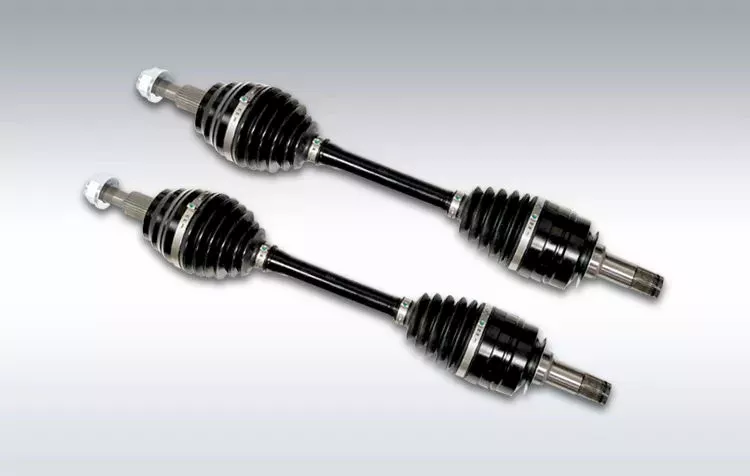
Hur hanterar kraftuttagsaxlar variationer i längd och kopplingsmetoder?
Kraftuttagsaxlar (PTO) är konstruerade för att hantera variationer i längd och kopplingsmetoder för att passa olika utrustningsuppsättningar och säkerställa effektiv kraftöverföring. Kraftuttagsaxlar måste vara justerbara i längd för att överbrygga avståndet mellan kraftkällan och den drivna maskinen. Dessutom måste de erbjuda mångsidiga kopplingsmetoder för att ansluta till en mängd olika utrustningar. Här är en detaljerad förklaring av hur kraftuttagsaxlar hanterar variationer i längd och kopplingsmetoder:
1. Teleskopisk design: Kraftuttagsaxlar har ofta en teleskopisk design, vilket gör att de kan justeras i längd för att passa olika utrustningskonfigurationer. Teleskopfunktionen gör att axeln kan förlängas eller dras in, vilket möjliggör varierande avstånd mellan kraftkällan (t.ex. en traktor eller motor) och den drivna maskinen. Genom att justera längden på kraftuttagsaxeln kan den justeras och anslutas korrekt för att säkerställa optimal kraftöverföring. Teleskopiska kraftuttagsaxlar består vanligtvis av flera rörformiga sektioner som glider in i varandra, vilket ger flexibilitet i längdjusteringen.
2. Splineaxlar: Kraftöverföringsaxlar använder vanligtvis splinesaxlar som den primära anslutningsmetoden mellan kraftkällan och den drivna maskinen. Splines är en serie åsar eller spår längs axeln som sammankopplas med motsvarande spår i den motstående komponenten. Splines-anslutningen möjliggör vridmomentöverföring samtidigt som uppriktningen mellan kraftkällan och den drivna maskinen bibehålls. Splinesaxlar kan hantera variationer i längd genom att förlänga eller dra in de teleskopiska sektionerna samtidigt som en solid anslutning mellan kraftkällan och den drivna utrustningen bibehålls.
3. Justerbara glidande ok: Kraftöverföringsaxlar har vanligtvis justerbara glidande ok i en eller båda ändarna av axeln. Dessa ok möjliggör vinkeljustering, vilket möjliggör variationer i uppriktningen mellan kraftkällan och den drivna maskinen. De glidande oken kan flyttas längs den splinesförsedda axeln för att uppnå önskad vinkel och bibehålla korrekt uppriktning. Denna flexibilitet säkerställer att kraftöverföringsaxeln kan hantera längdvariationer samtidigt som effektiv kraftöverföring säkerställs utan att universalkopplingarna eller andra komponenter utsätts för alltför stor belastning.
4. Universalkopplingar: Universalkopplingar är integrerade komponenter i kraftöverföringsaxlar som möjliggör vinkelförskjutning mellan kraftkällan och den drivna maskinen. De består av ett korsformat ok med lager som överför vridmoment mellan anslutna axlar samtidigt som de kompenserar för feljustering. Universalkopplingar ger flexibilitet vid anslutning av kraftöverföringsaxlar till utrustning som kanske inte är perfekt uppriktad. Eftersom kraftöverföringsaxelns längd varierar kompenserar universalkopplingarna för vinkelförändringarna, vilket möjliggör en smidig kraftöverföring även när det finns variationer i längd eller feljustering mellan kraftkällan och den drivna maskinen.
5. Kopplingsmekanismer: Kraftöverföringsaxlar använder olika kopplingsmekanismer för att säkert ansluta till kraftkällan och drivna maskiner. Dessa mekanismer involverar ofta en kombination av splines, bultar, låsstift eller snabbkopplingsmekanismer. Kopplingsmetoderna kan variera beroende på specifik utrustning och branschkrav. Kraftöverföringsaxlarnas mångsidighet möjliggör användning av olika kopplingsmetoder, vilket säkerställer en tillförlitlig och säker anslutning oavsett längdvariation eller utrustningskonfiguration.
6. Anpassningsalternativ: Kraftöverföringsaxlar kan anpassas för att hantera specifika längdvariationer och kopplingsmetoder. Tillverkare erbjuder alternativ för att välja olika längder på teleskopsektioner för att matcha det specifika avståndet mellan kraftkällan och den drivna maskinen. Dessutom kan kraftöverföringsaxlar skräddarsys för att passa olika kopplingsmetoder genom val av splinesaxlar i olika storlekar, okdesigner och kopplingsmekanismer. Denna anpassning gör det möjligt för kraftöverföringsaxlar att uppfylla de specifika kraven för olika utrustningsuppsättningar, vilket säkerställer optimal kraftöverföring och kompatibilitet.
7. Säkerhetsaspekter: Vid hantering av variationer i längd och kopplingsmetoder är det viktigt att beakta säkerheten. Kraftöverföringsaxlar har skydd och sköldar för att förhindra oavsiktlig kontakt med roterande komponenter. Dessa säkerhetsåtgärder måste justeras och installeras på lämpligt sätt för att ge tillräckligt skydd, oavsett kraftöverföringsaxelns längd eller kopplingskonfiguration. Säkerhetsriktlinjer och föreskrifter bör följas för att säkerställa korrekt installation, justering och användning av kraftöverföringsaxlar för att förhindra olyckor eller skador.
Genom att använda teleskopiska konstruktioner, splinesaxlar, justerbara glidok, universalkopplingar och mångsidiga kopplingsmekanismer kan kraftuttagsaxlar hantera variationer i längd och kopplingsmetoder. Kraftuttagsaxlarnas flexibilitet gör att de kan anpassas till olika utrustningsuppsättningar, vilket säkerställer effektiv kraftöverföring samtidigt som uppriktning och säkerhet bibehålls.
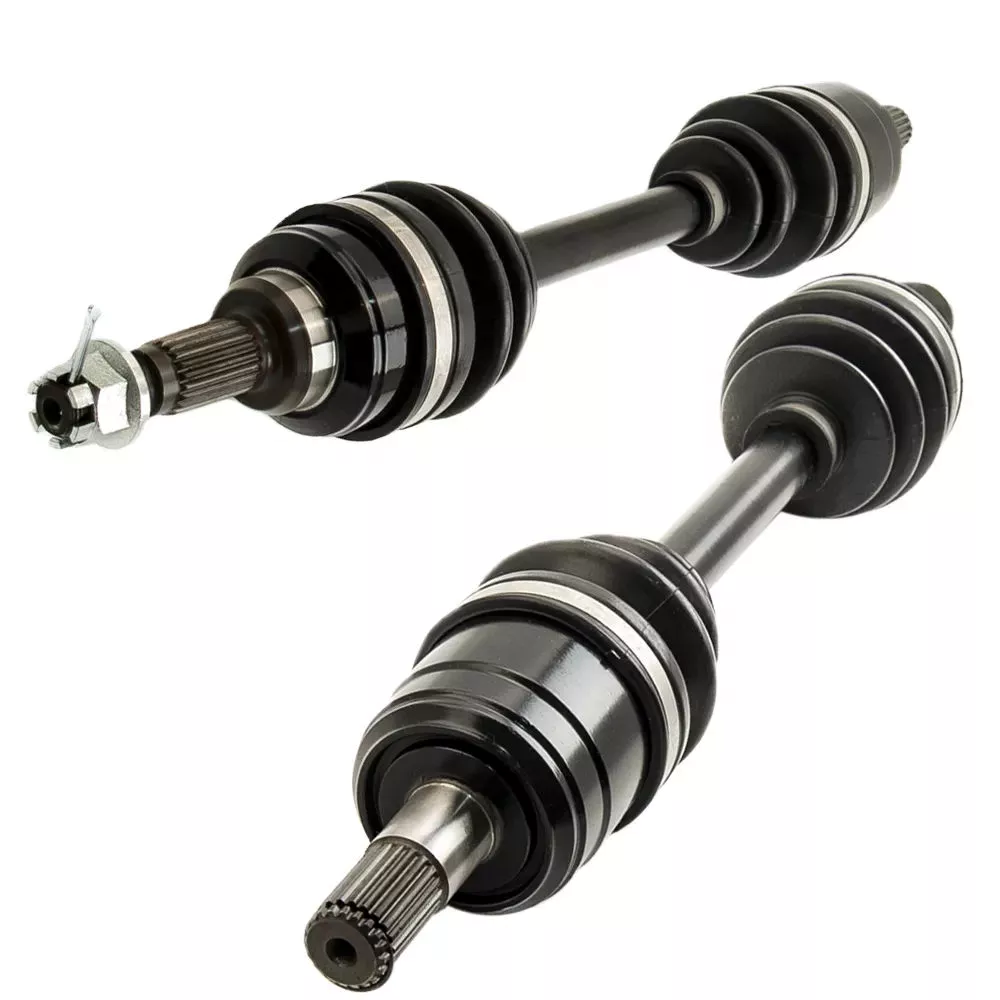
Kan kraftuttagsaxlar anpassas för specifika maskiner och effektbehov?
Ja, kraftuttagsaxlar (PTO) kan anpassas för att möta specifika maskiner och effektkrav för olika tillämpningar. Tillverkare erbjuder anpassningsalternativ för att säkerställa att kraftuttagsaxlar är exakt anpassade till kraftkällan, den drivna maskinen och den avsedda tillämpningen. Här är en detaljerad förklaring av hur kraftuttagsaxlar kan anpassas:
1. Axellängd: Kraftuttagsaxlar kan anpassas i längd för att passa olika utrustningskonfigurationer. Kraftuttagsaxelns längd är avgörande för att säkerställa korrekt uppriktning och anslutning mellan kraftkällan och den drivna maskinen. Tillverkare kan erbjuda kraftuttagsaxlar med justerbara eller fasta längdalternativ, vilket möjliggör flexibilitet för att uppfylla specifika längdkrav. Anpassning av axellängden säkerställer att kraftuttagsaxeln passar korrekt till utrustningen, vilket optimerar kraftöverföringseffektiviteten och minskar risken för feljustering eller överdriven stress.
2. Splinestorlekar: Kraftöverföringsaxlar finns med olika splinestorlekar för att matcha ingångs- och utgående axlar på olika utrustningar. Anpassning av splinestorlek gör att kraftöverföringsaxeln kan anslutas sömlöst till kraftkällan och drivna maskiner. Tillverkare kan erbjuda olika splinekonfigurationer, såsom 1-3/8 tum, 1-3/4 tum eller metriska storlekar, för att tillgodose specifika maskinkrav. Anpassning av splinestorleken säkerställer korrekt passform och säker anslutning, vilket möjliggör effektiv kraftöverföring utan behov av ytterligare adaptrar eller modifieringar.
3. Okdesigner: Kraftuttagsaxlar kan anpassas med olika okdesigner för att matcha anslutningspunkterna på kraftkällan och den drivna maskinen. Oket är den komponent som fästs på axeln och ansluts till utrustningen. Tillverkare kan erbjuda olika okdesigner, såsom runda, triangulära eller splinesförsedda ok, för att säkerställa kompatibilitet med specifika maskiner. Anpassning av okdesignen möjliggör en säker och pålitlig anslutning, som justerar kraftuttagsaxeln med utrustningens ingående/utgående axlar och optimerar kraftöverföringens effektivitet.
4. Momentvärden: Kraftöverföringsaxlar kan anpassas för att hantera specifika vridmomentkrav baserat på applikationens effektbehov. Vridmoment är den rotationskraft som kraftöverföringsaxeln behöver överföra från kraftkällan till den drivna maskinen. Tillverkare kan konstruera kraftöverföringsaxlar med olika vridmomentklassificeringar genom att använda lämpliga material, dimensioner och förstärkningstekniker. Anpassning av vridmomentklassificeringen säkerställer att kraftöverföringsaxeln säkert och tillförlitligt kan hantera de erforderliga effektnivåerna utan för tidigt slitage eller fel.
5. Kopplingsmekanismer: Kraftuttagsaxlar kan anpassas med olika kopplingsmekanismer för att matcha anslutningskraven för specifik utrustning. Kopplingsmekanismer är det sätt på vilket kraftuttagsaxeln ansluts och kopplas bort från kraftkällan och drivna maskiner. Tillverkare kan erbjuda olika kopplingsalternativ, såsom snabbkopplingar, brytstiftskopplingar eller mekaniska låskopplingar, för att passa olika maskindesigner och driftsbehov. Anpassning av kopplingsmekanismen säkerställer enkel användning, säker fastsättning och snabb frikoppling vid behov.
6. Skyddande funktioner: Kraftöverföringsaxlar kan anpassas med ytterligare skyddsfunktioner för att förbättra säkerhet och hållbarhet. Dessa funktioner kan inkludera skyddskåpor, säkerhetskåpor eller slirkopplingar. Skyddskåpor och säkerhetskåpor ger fysiskt skydd genom att omsluta den roterande axeln och förhindra oavsiktlig kontakt, vilket minskar risken för skador. Slirkopplingar erbjuder överbelastningsskydd genom att låta kraftöverföringsaxeln slira eller urkopplas vid för stort vridmoment eller motstånd, vilket förhindrar skador på axeln och tillhörande utrustning. Anpassning av skyddsfunktionerna säkerställer att säkerhetsföreskrifterna följs och uppfyller specifika säkerhetskrav för maskinen eller applikationen.
7. Materialval: Kraftöverföringsaxlar kan anpassas med olika material baserat på tillämpningens krav. Tillverkare kan erbjuda en rad olika materialalternativ, såsom stål, aluminium eller kompositmaterial, med varierande hållfasthet, vikt och korrosionsbeständighetsegenskaper. Anpassning av materialvalet möjliggör optimering av kraftöverföringsaxelns prestanda, med hänsyn till faktorer som driftsförhållanden, miljöexponering och viktbegränsningar.
Genom att erbjuda anpassningsalternativ som axellängd, splinestorlekar, okdesign, vridmomentklassificering, kopplingsmekanismer, skyddsfunktioner och materialval kan tillverkare säkerställa att kraftuttagsaxlar är specifikt anpassade för att möta maskin- och effektkraven i olika applikationer. Anpassade kraftuttagsaxlar underlättar sömlös integration, effektiv kraftöverföring och tillförlitlig drift, vilket förbättrar utrustningens totala prestanda och produktivitet.

Vad är en kraftuttagsaxel och hur används den i jordbruks- och industriutrustning?
En kraftuttagsaxel (PTO) är en mekanisk komponent som används i jordbruks- och industriell utrustning för att överföra kraft från en kraftkälla, såsom en motor, till en annan maskin eller ett annat redskap. Det är en drivaxel som överför rotationskraft och vridmoment, vilket gör att den anslutna utrustningen kan utföra olika uppgifter. Kraftuttagsaxlar används ofta i jordbruksmaskiner, såsom traktorer, såväl som i industriell utrustning, inklusive generatorer, pumpar och entreprenadmaskiner. Här är en detaljerad förklaring av vad en kraftuttagsaxel är och hur den används:
Struktur och komponenter: En typisk kraftuttagsaxel består av ett ihåligt metallrör med universalkopplingar i varje ände. Det ihåliga röret gör att axeln kan rotera fritt, medan universalkopplingarna hanterar vinkelförskjutningar mellan kraftkällan och den drivna maskinen. Universalkopplingarna består av ett korsformat ok med nållager, vilket ger flexibilitet och möjliggör kraftöverföring i olika vinklar. Vissa kraftuttagsaxlar kan också ha en teleskopsektion för att justera längden för olika utrustningsuppsättningar eller för att hantera varierande avstånd mellan kraftkällan och den drivna maskinen.
Kraftöverföring: Den primära funktionen hos en kraftuttagsaxel är att överföra kraft och vridmoment från kraftkällan till den drivna utrustningen. Kraftkällan, vanligtvis en motor, driver kraftuttagsaxeln via en mekanisk anslutning, såsom en växellåda eller en koppling. När kraftkällan roterar överför den rotationskraft till kraftuttagsaxeln. Kraftuttagsaxeln överför i sin tur denna rotationskraft och vridmoment till den drivna utrustningen, vilket gör att den kan utföra sin avsedda funktion. Vridmomentet och rotationshastigheten som överförs genom kraftuttagsaxeln beror på kraftkällans egenskaper och utväxlingsförhållandet eller kopplingsingreppet.
Jordbrukstillämpningar: Inom jordbruket används kraftuttagsaxlar ofta i traktorer för att driva olika redskap och tillbehör. Kraftuttagsaxeln är ansluten till traktorns kraftuttag, en roterande drivaxel som är placerad baktill på traktorn. Genom att aktivera kraftuttagskopplingen överförs traktorns motorkraft via kraftuttagsaxeln till de anslutna redskapen. Jordbruksmaskiner, såsom slåttermaskiner, balpressar, jordfräsar, sprutor och spannmålsskruvar, är ofta beroende av kraftuttagsaxlar för att få kraft för sin drift. Kraftuttagsaxeln gör att redskapen kan drivas direkt av traktorns motor, vilket eliminerar behovet av separata kraftkällor och ökar mångsidigheten och effektiviteten i jordbruksarbetet.
Industriella tillämpningar: Kraftuttagsaxlar används också flitigt i olika industriella tillämpningar. Industriell utrustning, såsom generatorer, pumpar, kompressorer och industriella blandare, har ofta kraftuttagsaxlar för att ta emot kraft från motorer eller elmotorer. Kraftuttagsaxeln ansluter kraftkällan till den drivna utrustningen, vilket gör att den kan fungera och utföra sin avsedda funktion. I entreprenadmaskiner kan kraftuttagsaxlar hittas i utrustning som betongblandare, hydraulhammare och grävmaskiner för stolphål, vilket möjliggör överföring av kraft från maskinens motor till det specifika redskap eller verktyg som används.
Säkerhetsöverväganden: Det är viktigt att notera att kraftuttagsaxlar kan utgöra säkerhetsrisker om de inte hanteras korrekt. Den roterande axeln kan orsaka allvarliga skador om operatörer kommer i kontakt med den medan den är i drift. För att garantera säkerheten är kraftuttagsaxlar ofta utrustade med skärmar eller skydd som täcker den roterande axeln och universalkopplingarna och förhindrar oavsiktlig kontakt. Det är avgörande att underhålla och inspektera dessa säkerhetsfunktioner regelbundet för att säkerställa deras effektivitet. Dessutom bör operatörer få korrekt utbildning i kraftuttagsaxelns drift, inklusive säkra till- och frånkopplingsprocedurer, samt användning av personlig skyddsutrustning vid arbete nära kraftuttagsdrivna maskiner.
Sammanfattningsvis är en kraftuttagsaxel en mekanisk komponent som används i jordbruks- och industriell utrustning för att överföra kraft och vridmoment från en kraftkälla till en driven maskin eller ett redskap. Den möjliggör direkt kraftöverföring från motorer till olika utrustningar, vilket ökar effektiviteten och mångsidigheten inom jordbruks- och industriell verksamhet. Även om kraftuttagsaxlar erbjuder betydande fördelar måste operatörer vara medvetna om de därmed sammanhängande säkerhetsaspekterna och vidta lämpliga försiktighetsåtgärder för att förhindra olyckor och skador.


editor by lmc 2024-11-19