Descrizione del prodotto
Professional Manufacturer Pto Cardan Shaft for Farm Implement
1. Product Description
|
2. More Products
3. The Structure Of PTO Shaft
4. Installing Process
5. Packing and Shipping
6.Our Company
HangZhou CHINAMFG Tech.Machinery Co.,Ltd was founded in 2003. It is located at HangZhou County, HangZhou City, closed to 204 National Road.Our main products: 1. all kinds of drive shaft 2.all kinds of gera box 3. Farm machinery: IMT500 inorganic fertilizer spreader, HMT05S organic fertilizer spreader, 3M rotovator , 3M wet-paddy field rotary, King 185 deep cultviating machine and so on. 4.The machinery parts: many kinds of Gear, Shaft, Flang, ,Gear box, Laser parts, Stamping parts and so on.
7. FAQ
1. Q: Are your products forged or cast?
A: All of our products are forged.
2. Q: What’s your MOQ?
A: 20 PCS for each type. We accept the sample order.
3. Q: What’s the horse power of the pto shaft are available?
A: We provide a full range of pto shaft, ranging from 16HP-200HP.
4. Q: How many splined specification do you have ?
A: We produce 1 1/8″-Z6, 1 3/8″-Z6, 1 3/4″-Z6, 1 3/8″- Z21, 1 3/4″-Z20, 8X42X48X8 and 8X32X38X6 splines.
5. Q: How about the warranty?
A: We guarantee 1 year warranty. With quality problems, we will send you the new products for free within next shipment.
6. Q: What’s your payment terms?
A: T/T, L/C, D/A, D/P….
7. Q: What is the delivery time?
A: 40 days after receiving your advanced deposit.
/* May 10, 2571 16:49:51 */!function(){function d(e,r){var a,o={};try{e&&e.split(“,”).forEach(function(e,t){e&&(a=e.match(/(.*?):(.*)$/))&&1
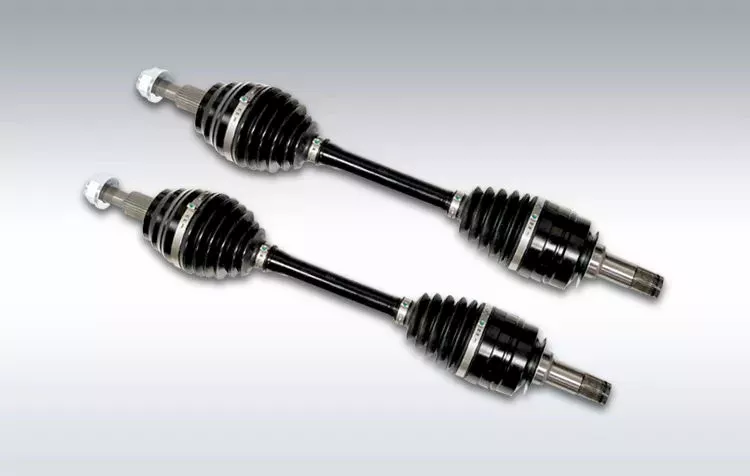
How do PTO shafts handle variations in length and connection methods?
PTO (Power Take-Off) shafts are designed to handle variations in length and connection methods to accommodate different equipment setups and ensure efficient power transfer. PTO shafts need to be adjustable in length to bridge the distance between the power source and the driven machinery. Additionally, they must provide versatile connection methods to connect to a wide range of equipment. Here’s a detailed explanation of how PTO shafts handle variations in length and connection methods:
1. Telescoping Design: PTO shafts often feature a telescoping design, allowing them to be adjusted in length to suit different equipment configurations. The telescoping feature enables the shaft to extend or retract, accommodating varying distances between the power source (such as a tractor or engine) and the driven machinery. By adjusting the length of the PTO shaft, it can be properly aligned and connected to ensure optimal power transfer. Telescoping PTO shafts typically consist of multiple tubular sections that slide into one another, providing flexibility in length adjustment.
2. Splined Shafts: PTO shafts commonly employ splined shafts as the primary connection method between the power source and driven machinery. Splines are a series of ridges or grooves along the shaft that interlock with corresponding grooves in the mating component. The splined connection allows for torque transfer while maintaining alignment between the power source and driven machinery. Splined shafts can handle variations in length by extending or retracting the telescoping sections while still maintaining a solid connection between the power source and the driven equipment.
3. Adjustable Sliding Yokes: PTO shafts typically feature adjustable sliding yokes on one or both ends of the shaft. These yokes allow for angular adjustment, accommodating variations in the alignment between the power source and driven machinery. The sliding yokes can be moved along the splined shaft to achieve the desired angle and maintain proper alignment. This flexibility ensures that the PTO shaft can handle length variations while ensuring efficient power transfer without placing excessive strain on the universal joints or other components.
4. Universal Joints: Universal joints are integral components of PTO shafts that allow for angular misalignment between the power source and driven machinery. They consist of a cross-shaped yoke with bearings that transmit torque between connected shafts while accommodating misalignment. Universal joints provide flexibility in connecting PTO shafts to equipment that may not be perfectly aligned. As the PTO shaft length varies, the universal joints compensate for the changes in angle, allowing for smooth power transmission even when there are variations in length or misalignment between the power source and driven machinery.
5. Coupling Mechanisms: PTO shafts utilize various coupling mechanisms to securely connect to the power source and driven machinery. These mechanisms often involve a combination of splines, bolts, locking pins, or quick-release mechanisms. The coupling methods can vary depending on the specific equipment and industry requirements. The versatility of PTO shafts allows for the use of different coupling methods, ensuring a reliable and secure connection regardless of the length variation or equipment configuration.
6. Customization Options: PTO shafts can be customized to handle specific length variations and connection methods. Manufacturers offer options to select different lengths of telescoping sections to match the specific distance between the power source and driven machinery. Additionally, PTO shafts can be tailored to accommodate various connection methods through the selection of splined shaft sizes, yoke designs, and coupling mechanisms. This customization enables PTO shafts to meet the specific requirements of different equipment setups, ensuring optimal power transfer and compatibility.
7. Safety Considerations: When handling variations in length and connection methods, it is essential to consider safety. PTO shafts incorporate protective guards and shields to prevent accidental contact with rotating components. These safety measures must be appropriately adjusted and installed to provide adequate coverage and protection, regardless of the PTO shaft’s length or connection configuration. Safety guidelines and regulations should be followed to ensure the proper installation, adjustment, and use of PTO shafts in order to prevent accidents or injuries.
By incorporating telescoping designs, splined shafts, adjustable sliding yokes, universal joints, and versatile coupling mechanisms, PTO shafts can handle variations in length and connection methods. The flexibility of PTO shafts allows them to adapt to different equipment setups, ensuring efficient power transfer while maintaining alignment and safety.
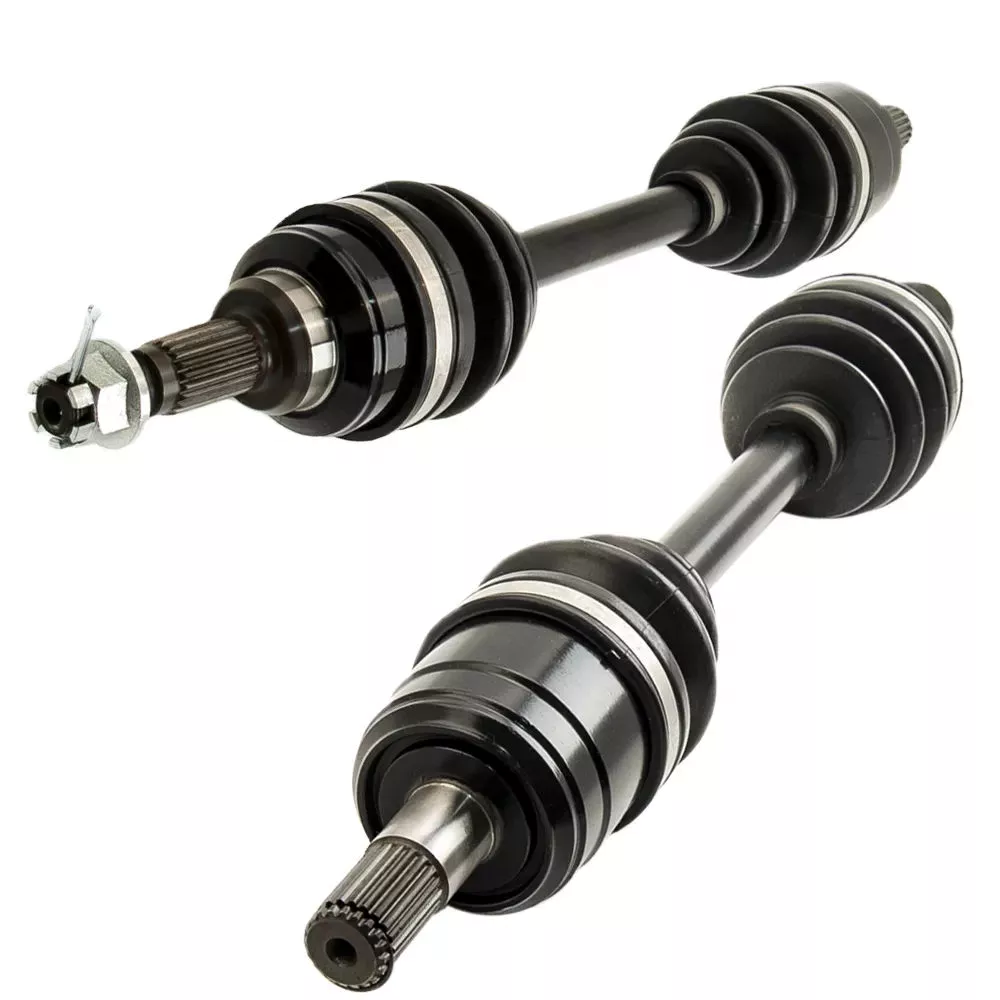
Can PTO shafts be customized for specific machinery and power requirements?
Yes, PTO (Power Take-Off) shafts can be customized to meet the specific machinery and power requirements of different applications. Manufacturers offer customization options to ensure that PTO shafts are precisely tailored to the power source, driven machinery, and the intended application. Here’s a detailed explanation of how PTO shafts can be customized:
1. Shaft Length: PTO shafts can be customized in terms of length to accommodate different equipment configurations. The length of the PTO shaft is critical to ensure proper alignment and connection between the power source and driven machinery. Manufacturers can provide PTO shafts with adjustable or fixed-length options, allowing for flexibility in meeting specific length requirements. Customizing the shaft length ensures that the PTO shaft fits the equipment properly, optimizing power transfer efficiency and reducing the risk of misalignment or excessive stress.
2. Spline Sizes: PTO shafts are available with different spline sizes to match the input and output shafts of various equipment. Spline size customization allows the PTO shaft to seamlessly connect to the power source and driven machinery. Manufacturers can offer different spline configurations, such as 1-3/8 inch, 1-3/4 inch, or metric sizes, to accommodate specific machinery requirements. Customizing the spline size ensures a proper fit and secure connection, enabling efficient power transfer without the need for additional adapters or modifications.
3. Yoke Designs: PTO shafts can be customized with different yoke designs to match the connection points on the power source and driven machinery. The yoke is the component that attaches to the shaft and connects to the equipment. Manufacturers can provide various yoke designs, such as round, triangular, or splined yokes, to ensure compatibility with specific machinery. Customizing the yoke design allows for a secure and reliable connection, aligning the PTO shaft with the equipment’s input/output shafts and optimizing power transmission efficiency.
4. Torque Ratings: PTO shafts can be customized to handle specific torque requirements based on the power demands of the application. Torque is the rotational force that the PTO shaft needs to transmit from the power source to the driven machinery. Manufacturers can design PTO shafts with different torque ratings by using appropriate materials, dimensions, and reinforcement techniques. Customizing the torque rating ensures that the PTO shaft can safely and reliably handle the required power levels without premature wear or failure.
5. Coupling Mechanisms: PTO shafts can be customized with different coupling mechanisms to match the connection requirements of specific equipment. Coupling mechanisms are the means by which the PTO shaft connects and disconnects from the power source and driven machinery. Manufacturers can provide various coupling options, such as quick-release couplings, shear pin couplings, or mechanical lock couplings, to accommodate different machinery designs and operational needs. Customizing the coupling mechanism ensures ease of use, secure attachment, and quick disengagement when necessary.
6. Protective Features: PTO shafts can be customized with additional protective features to enhance safety and durability. These features may include guard shields, safety covers, or slip clutches. Guard shields and safety covers provide physical protection by enclosing the rotating shaft and preventing accidental contact, reducing the risk of injuries. Slip clutches offer overload protection by allowing the PTO shaft to slip or disengage when excessive torque or resistance is encountered, preventing damage to the shaft and associated equipment. Customizing the protective features ensures compliance with safety regulations and addresses specific safety requirements of the machinery or application.
7. Material Selection: PTO shafts can be customized with different materials based on the application’s demands. Manufacturers can offer a range of material options, such as steel, aluminum, or composite materials, with varying strength, weight, and corrosion resistance properties. Customizing the material selection allows for optimizing the PTO shaft’s performance, considering factors like operating conditions, environmental exposure, and weight restrictions.
By providing customization options such as shaft length, spline sizes, yoke designs, torque ratings, coupling mechanisms, protective features, and material selection, manufacturers can ensure that PTO shafts are specifically tailored to meet the machinery and power requirements of different applications. Customized PTO shafts facilitate seamless integration, efficient power transfer, and reliable operation, enhancing the overall performance and productivity of the equipment.

Che cos'è un albero cardanico (PTO) e come viene utilizzato nelle macchine agricole e industriali?
L'albero di presa di forza (PTO) è un componente meccanico utilizzato nelle macchine agricole e industriali per trasferire la potenza da una fonte di energia, come un motore, a un'altra macchina o attrezzo. Si tratta di un albero di trasmissione che trasmette potenza e coppia rotazionali, consentendo all'attrezzatura collegata di svolgere diverse attività. Gli alberi di presa di forza sono comunemente utilizzati nelle macchine agricole, come i trattori, così come nelle attrezzature industriali, tra cui generatori, pompe e macchine edili. Ecco una spiegazione dettagliata di cosa sia un albero di presa di forza e di come venga utilizzato:
Struttura e componenti: Un tipico albero cardanico è costituito da un tubo metallico cavo con giunti cardanici a entrambe le estremità. Il tubo cavo consente all'albero di ruotare liberamente, mentre i giunti cardanici compensano i disallineamenti angolari tra la fonte di energia e l'attrezzatura azionata. I giunti cardanici sono costituiti da una forcella a croce con cuscinetti a rullini, che garantiscono flessibilità e consentono la trasmissione della potenza con angolazioni variabili. Alcuni alberi cardanici possono anche includere una sezione telescopica per regolare la lunghezza in base alle diverse configurazioni delle attrezzature o per adattarsi alle diverse distanze tra la fonte di energia e la macchina azionata.
Trasferimento di potenza: La funzione principale di un albero cardanico (PTO) è quella di trasferire potenza e coppia dalla fonte di energia all'apparecchiatura azionata. La fonte di energia, in genere un motore elettrico, aziona l'albero cardanico tramite un collegamento meccanico, come un cambio o una frizione. Quando la fonte di energia ruota, trasmette una forza rotazionale all'albero cardanico. L'albero cardanico, a sua volta, trasferisce questa potenza e coppia rotazionale all'apparecchiatura azionata, consentendole di svolgere la sua funzione prevista. La coppia e la velocità di rotazione trasmesse attraverso l'albero cardanico dipendono dalle caratteristiche della fonte di energia e dal rapporto di trasmissione o dall'innesto della frizione.
Applicazioni in agricoltura: In agricoltura, gli alberi cardanici (PTO) sono comunemente utilizzati nei trattori per azionare vari attrezzi e accessori. L'albero cardanico è collegato alla presa di forza del trattore, un albero motore rotante situato nella parte posteriore del trattore. Innestando la frizione della presa di forza, la potenza del motore del trattore viene trasferita attraverso l'albero cardanico agli attrezzi collegati. Macchinari agricoli come falciatrici, presse, fresatrici, irroratrici e coclee per cereali spesso si affidano agli alberi cardanici per ricevere la potenza necessaria al loro funzionamento. L'albero cardanico consente di azionare gli attrezzi direttamente dal motore del trattore, eliminando la necessità di fonti di energia separate e aumentando la versatilità e l'efficienza delle operazioni agricole.
Applicazioni industriali: Gli alberi cardanici (PTO) trovano ampio impiego anche in diverse applicazioni industriali. Le apparecchiature industriali, come generatori, pompe, compressori e miscelatori industriali, spesso incorporano alberi cardanici per ricevere energia da motori a combustione interna o elettrici. L'albero cardanico collega la fonte di energia all'apparecchiatura azionata, consentendole di funzionare e svolgere la funzione prevista. Nelle macchine edili, gli alberi cardanici si trovano in attrezzature come betoniere, martelli idraulici e trivellatrici, permettendo il trasferimento di potenza dal motore della macchina all'accessorio o all'utensile specifico utilizzato.
Considerazioni sulla sicurezza: È importante notare che gli alberi cardanici (PTO) possono comportare rischi per la sicurezza se non maneggiati correttamente. L'albero rotante può causare gravi lesioni se gli operatori entrano in contatto con esso durante il funzionamento. Per garantire la sicurezza, gli alberi cardanici sono spesso dotati di protezioni che coprono l'albero rotante e i giunti cardanici, prevenendo il contatto accidentale. È fondamentale eseguire regolarmente la manutenzione e l'ispezione di questi dispositivi di sicurezza per garantirne l'efficacia. Inoltre, gli operatori devono ricevere una formazione adeguata sul funzionamento degli alberi cardanici, comprese le procedure di aggancio e sgancio in sicurezza, nonché l'uso dei dispositivi di protezione individuale (DPI) quando lavorano in prossimità di macchinari azionati da alberi cardanici.
In sintesi, un albero cardanico (PTO) è un componente meccanico utilizzato in macchinari agricoli e industriali per trasmettere potenza e coppia da una fonte di energia a una macchina o un attrezzo azionato. Consente il trasferimento diretto di potenza da motori a diverse apparecchiature, aumentando l'efficienza e la versatilità nelle operazioni agricole e industriali. Sebbene gli alberi cardanici offrano vantaggi significativi, gli operatori devono essere consapevoli delle relative considerazioni di sicurezza e adottare le precauzioni appropriate per prevenire incidenti e infortuni.


editor by lmc 2024-11-19