وصف المنتج
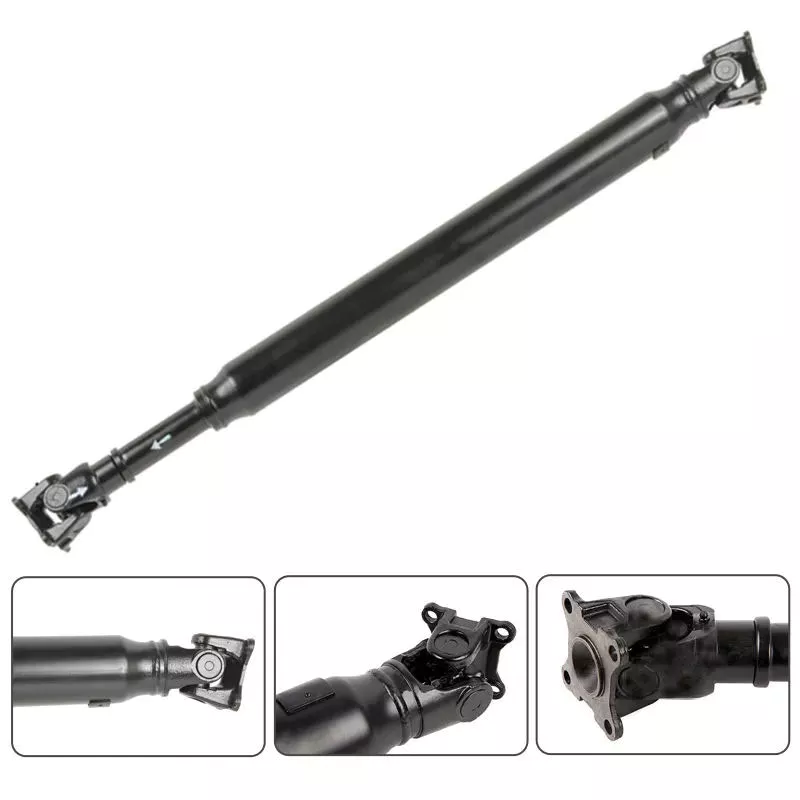
Specification OF PTO Drive Shaft —Speedway:
We developed and produced many tractor spare parts for Japanese Tractors .
Product Name: Japanese tractor transmission clutch disc parts for B1400 B7000
Tractor Model we can supply: B1500/1400,B5000,B6000, B7000, TU1400, TX1400, TX1500, YM F1401, YM1400 ETC.
The parts for example: Tyres, rim Jante, Kit coupling KB-TX 3 point linkage. Exhaust pipe Steering wheel. Kit coupling YM F14/F15, gear shaft, PTO shaft, PTO cardan, key, regulator ect.
Most of the spare parts are with stock. If you are interested in, please feel easy to contact me.
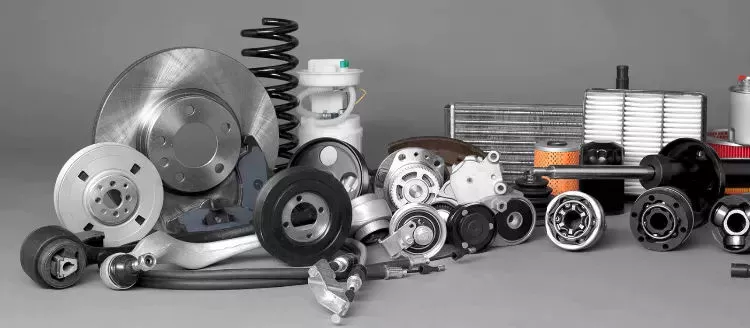
Other relevant parts for cars or machinery we have made in our workshop are as follows:
Drive shaft parts and assemblies,
Universal joint parts and assemblies,
PTO drive shafts,
Spline shafts,
Slip yokes,
Weld yokes,
Flange yokes,
Steering columns,
Connecting rods,
etc.
وصف المنتج
Pto Drive Shaft Item:
| Item | Cross journal size | 540dak-rpm | 1000dak-rpm | |||
| السلسلة 1 | 22mm | 54mm | 12KW | 16HP | 18KW | 25HP |
| Series 2 | 23.8mm | 61.3mm | 15KW | 21HP | 23KW | 31HP |
| Series 3 | 27mm | 70mm | 26KW | 35HP | 40KW | 55HP |
| السلسلة الرابعة | 27mm | 74.6mm | 26KW | 35HP | 40KW | 55HP |
| Series 5 | 30.2mm | 80mm | 35KW | 47HP | 54KW | 74HP |
| السلسلة 6 | 30.2mm | 92mm | 47KW | 64HP | 74KW | 100HP |
| Series 7 | 30.2mm | 106.5mm | 55KW | 75HP | 87KW | 18HP |
| السلسلة 8 | 35mm | 106.5mm
|
70KW | 95HP | 110KW | 150HP |
| Series 38 | 38mm | 102mm | 70KW | 95HP | 110KW | 150HP |
نبذة عن الشركة
الشهادات
التعليمات
/* 10 مارس 2571 17:59:20 */!function(){function s(e,r){var a,o={};try{e&&e.split(“,”).forEach(function(e,t){e&&(a=e.match(/(.*?):(.*)$/))&&1
| يكتب: | رمح |
|---|---|
| الاستخدام: | Agricultural Products Processing, Farmland Infrastructure, Harvester, Planting and Fertilization, Grain Threshing, Cleaning and Drying |
| مادة: | Stainless Steel |
| مصدر الطاقة: | Pto Dirven Shaft |
| وزن: | Standard |
| خدمة ما بعد البيع: | 1 Year |
| أمثلة: |
US$ 300/Piece
قطعة واحدة (الحد الأدنى للطلب) | |
|---|
ما هي ممارسات الصيانة الضرورية لإطالة عمر أعمدة نقل الحركة؟
يُعدّ الحفاظ على العناية المناسبة وإجراء الصيانة الدورية لأعمدة نقل الحركة (PTO) أمرًا بالغ الأهمية لإطالة عمرها وضمان أدائها الأمثل. باتباع ممارسات الصيانة الأساسية، يمكنك منع التآكل المبكر، وتحديد المشكلات المحتملة في وقت مبكر، وزيادة عمر أعمدة نقل الحركة إلى أقصى حد. إليك بعض ممارسات الصيانة الرئيسية التي يجب مراعاتها:
1. الفحص الدوري: قم بإجراء فحوصات بصرية دورية لعمود نقل الحركة للتحقق من أي علامات تلف أو تآكل أو عدم محاذاة. ابحث عن الشقوق أو الانبعاجات أو الأجزاء المنحنية أو المكونات المفكوكة. افحص الوصلات العالمية وآليات التوصيل والواقيات وغيرها من الأجزاء ذات الصلة. انتبه لأي أصوات أو اهتزازات غير عادية أو تغيرات في الأداء، فقد تشير هذه إلى مشاكل كامنة تتطلب معالجة.
2. التشحيم: يُعدّ التشحيم السليم ضروريًا لضمان التشغيل السلس وطول عمر أعمدة نقل الحركة. اتبع توصيات الشركة المصنعة فيما يتعلق بفترات التشحيم، واستخدم نوع المُشحِّم الموصى به. قم بتشحيم الوصلات العالمية، ووصلات السرعة الثابتة (إن وجدت)، والأجزاء المتحركة الأخرى وفقًا للمواصفات. تحقق بانتظام من مستويات المُشحِّم الكافية، وأضف المزيد عند الحاجة. تأكد من أن المُشحِّم المستخدم متوافق مع مادة العمود، ولا يجذب الأوساخ أو الشوائب التي قد تُسبب التآكل أو التلف.
3. التنظيف: حافظ على عمود نقل الحركة نظيفًا وخاليًا من الأوساخ والحطام والملوثات الأخرى. أزل بانتظام أي أوساخ أو شحوم أو رواسب متراكمة باستخدام فرشاة أو هواء مضغوط. احرص بشكل خاص على تنظيف الوصلات العالمية والمناطق التي يتصل فيها العمود بالمكونات الأخرى. يمنع التنظيف تراكم الجزيئات الكاشطة التي قد تسرع التآكل وتؤثر سلبًا على أداء العمود.
4. فحص وصيانة الحراس: افحص واقيات الحماية بانتظام للتأكد من تثبيتها بإحكام وخلوها من التلف. تلعب هذه الواقيات دورًا بالغ الأهمية في منع التلامس العرضي مع العمود الدوار وتقليل خطر الإصابة. أصلح أو استبدل أي واقيات تالفة أو مفقودة على الفور. تأكد من محاذاة الواقيات بشكل صحيح وأنها توفر تغطية كافية لجميع الأجزاء المتحركة لعمود نقل الحركة.
5. فحص عزم الدوران والمثبتات: افحص دوريًا عزم ربط المسامير والصواميل التي تثبت عمود نقل الحركة ومكوناته. مع مرور الوقت، قد يؤدي الاهتزاز والتشغيل العادي إلى ارتخاء هذه المسامير، مما يُضعف سلامة العمود. استخدم مواصفات عزم الربط المناسبة المُقدمة من الشركة المصنعة لضمان الربط الصحيح. تحقق بانتظام من إحكام ربط المسامير وأعد ربطها عند الضرورة.
6. صيانة مسمار القص أو قابض الانزلاق: إذا كان عمود نقل الحركة (PTO) الخاص بك مزودًا بآلية مسمار قص أو قابض انزلاقي، فتأكد من سلامة عملها. افحص مسامير القص بحثًا عن أي علامات تآكل أو تلف، واستبدلها عند الضرورة. تحقق من ضبط القابض الانزلاقي بشكل صحيح وسلاسة تشغيله. اتبع توصيات الشركة المصنعة فيما يتعلق بصيانة وضبط آليات الأمان هذه لضمان فعاليتها في حماية مكونات نظام نقل الحركة.
7. التخزين السليم: عند عدم استخدام عمود نقل الحركة، يُحفظ في مكان نظيف وجاف. يجب حماية العمود من الرطوبة ودرجات الحرارة القصوى والمواد المسببة للتآكل. يُفضل حفظ العمود في وضع رأسي لمنع انحنائه أو تشوهه. يُنصح باستخدام أغطية أو حافظات واقية لحماية العمود من الغبار والأوساخ وغيرها من مصادر التلف المحتملة.
8. تدريب المشغلين: يجب توفير التدريب المناسب للمشغلين على التشغيل والصيانة وإجراءات السلامة الصحيحة المتعلقة بأعمدة نقل الحركة. يجب توعيتهم بأهمية الفحوصات الدورية والتشحيم والالتزام بممارسات الصيانة الموصى بها. يجب تشجيع المشغلين على الإبلاغ الفوري عن أي أعطال أو مشاكل لمنع حدوث المزيد من الأضرار وضمان إجراء الإصلاحات أو التعديلات في الوقت المناسب.
9. إرشادات الشركة المصنعة والخبير: راجع إرشادات وتوصيات الشركة المصنعة بشأن ممارسات الصيانة الخاصة بطراز عمود نقل الحركة (PTO) الخاص بك. بالإضافة إلى ذلك، استشر خبراء أو فنيي صيانة معتمدين لديهم خبرة في صيانة أعمدة نقل الحركة. بإمكانهم تقديم معلومات قيّمة ومساعدة في تطبيق أفضل ممارسات الصيانة لأعمدة نقل الحركة الخاصة بك.
باتباع ممارسات الصيانة هذه، يمكنك إطالة عمر أعمدة نقل الحركة، وتحسين أدائها، وتقليل احتمالية حدوث أعطال غير متوقعة أو إصلاحات مكلفة. تُعدّ عمليات الفحص الدورية، والتشحيم، والتنظيف، وصيانة واقيات الأعمدة، وفحص عزم الدوران، والتخزين السليم، جميعها أمورًا أساسية لضمان طول عمر أعمدة نقل الحركة وموثوقيتها.
هل توجد أي قيود أو عيوب مرتبطة بأعمدة نقل الحركة؟
رغم ما توفره أعمدة نقل الطاقة (PTO) من مزايا عديدة من حيث نقل الطاقة وتعدد الاستخدامات، إلا أنها تنطوي أيضاً على بعض القيود والعيوب. من المهم مراعاة هذه العوامل عند استخدام أعمدة نقل الطاقة لضمان التشغيل الآمن والفعال. إليكم شرح مفصل لبعض القيود والعيوب المرتبطة بأعمدة نقل الطاقة:
1. مخاطر السلامة: من أهم المخاوف المتعلقة بأعمدة نقل الحركة (PTO) احتمالية حدوث مخاطر على السلامة. تدور هذه الأعمدة بسرعات عالية، وقد تشكل خطراً كبيراً إذا لم يتم تأمينها أو التعامل معها بشكل صحيح. قد يؤدي التلامس العرضي مع عمود نقل حركة مكشوف أو غير محمي بشكل كافٍ إلى إصابات خطيرة، بما في ذلك التشابك أو البتر أو حتى الوفاة. من الضروري اتباع إرشادات السلامة، وتطبيق وسائل الحماية المناسبة، والتأكد من تدريب المشغلين تدريباً جيداً على ممارسات المناولة الآمنة للحد من هذه المخاطر.
2. الصيانة والتشحيم: تتطلب أعمدة نقل الحركة صيانةً وتزييتًا دوريين لضمان الأداء الأمثل وطول العمر. يجب فحص الأجزاء المتحركة، مثل الوصلات العالمية والوصلات المسننة، وتنظيفها وتزييتها على فترات زمنية محددة. قد يؤدي إهمال الصيانة إلى تآكل مبكر، وانخفاض الكفاءة، واحتمالية حدوث أعطال. لذا، تُعدّ ممارسات الصيانة السليمة، بما في ذلك الفحوصات الدورية والتزييت في الوقت المناسب، ضروريةً لتجنب هذه المشكلات.
3. المحاذاة والزوايا: تعتمد أعمدة نقل الحركة (PTO) على المحاذاة والزوايا الصحيحة لضمان نقل الطاقة بكفاءة. قد يؤدي عدم المحاذاة أو الزوايا المفرطة بين مصدر الطاقة والآلات المُدارة إلى زيادة التآكل والإجهاد على المكونات، مما قد يتسبب في تلفها قبل الأوان. لذا، يُعد ضمان المحاذاة الصحيحة وضبط الزاوية، باستخدام أذرع انزلاقية قابلة للتعديل أو غيرها من الوسائل، أمرًا بالغ الأهمية لمنع الإجهاد الزائد على عمود نقل الحركة والمعدات المرتبطة به.
4. قيود الطول: تُفرض قيود هندسية على أطوال أعمدة نقل الحركة (PTO) القصوى والدنيا. يسمح التصميم التلسكوبي ببعض التعديلات، ولكن هناك حد عملي لمدى امتداد أو انكماش العمود. إذا تجاوزت المسافة بين مصدر الطاقة والآلات المُدارة الطول الأقصى أو انخفضت عن الطول الأدنى لعمود نقل الحركة، فقد يلزم إيجاد حلول بديلة أو إجراء تعديلات. في بعض الحالات، قد يكون من الضروري إضافة مكونات أخرى، مثل وصلات عمود الدوران أو علب التروس، لسد هذه المسافة.
5. التوافق: رغم سعي المصنّعين لضمان التوافق، قد تظل هناك تحديات في إيجاد عمود نقل الحركة المناسب لتكوينات المعدات المحددة. قد تتطلب المعدات متطلبات فريدة من حيث أحجام التروس، أو معدلات عزم الدوران، أو طرق التوصيل، والتي قد لا تكون متوفرة بسهولة أو متوافقة مع أعمدة نقل الحركة الجاهزة. قد يتطلب الأمر تخصيصًا لمعالجة مشكلات التوافق هذه، مما قد يؤدي إلى زيادة التكاليف أو فترات التسليم.
6. الضوضاء والاهتزازات: قد تُصدر أعمدة نقل الحركة (PTO) أثناء التشغيل ضوضاءً واهتزازاتٍ كبيرة، خاصةً عند السرعات العالية. وهذا قد يُسبب إزعاجًا للمشغلين، وقد يتطلب اتخاذ تدابير إضافية لخفض مستويات الضوضاء أو تخفيف الاهتزازات. كما يُمكن أن تؤثر الاهتزازات المفرطة على الأداء العام وعمر عمود نقل الحركة والمعدات المتصلة به. ويُمكن أن يُساعد استخدام مُخمدات الاهتزاز أو الوصلات المرنة في التخفيف من هذه المشكلات.
7. حدود الطاقة: تتمتع أعمدة نقل الحركة (PTO) بحدود طاقة محددة بناءً على تصميمها وموادها ومكوناتها. قد يؤدي تجاوز هذه الحدود إلى تآكل مبكر، أو تلف المكونات، أو حتى كسر العمود. من الضروري فهم والالتزام بتصنيفات الطاقة الموصى بها لأعمدة نقل الحركة لضمان التشغيل الآمن والموثوق. في بعض الحالات، قد يكون من الضروري الترقية إلى عمود نقل حركة ذي سعة أعلى أو إضافة مكونات نقل طاقة إضافية لتلبية متطلبات الطاقة الأعلى.
8. التركيب والإزالة المعقدة: قد يكون تركيب وإزالة أعمدة نقل الحركة عملية معقدة، خاصة في الأماكن الضيقة أو عند التعامل مع المعدات الثقيلة. وقد يتطلب ذلك محاذاة التروس، وتركيب الوصلات، وتأمين آليات القفل. ويمكن أن تؤدي تقنيات التركيب أو الإزالة غير الصحيحة إلى تلف العمود أو المعدات المرتبطة به. لذا، يُعد التدريب المناسب، والتعامل السليم مع المعدات، واتباع إرشادات الشركة المصنعة أمورًا أساسية لتبسيط عملية تركيب وإزالة أعمدة نقل الحركة وضمان سلامتها.
على الرغم من هذه القيود والعيوب، لا تزال أعمدة نقل الطاقة (PTO) تُستخدم على نطاق واسع وتُعدّ مكونات قيّمة لنقل الطاقة في مختلف الصناعات. ومن خلال مراعاة هذه الاعتبارات وتطبيق تدابير السلامة المناسبة، وممارسات الصيانة، وإجراءات المحاذاة، يمكن التخفيف من العيوب المحتملة لأعمدة نقل الطاقة بشكل فعّال، مما يسمح بتشغيل آمن وفعّال.

كيف تساهم أعمدة نقل الطاقة في نقل الطاقة من الجرارات إلى المعدات الزراعية؟
تلعب أعمدة نقل الحركة (PTO) دورًا محوريًا في نقل الطاقة من الجرارات إلى المعدات الزراعية والصناعية. فهي توفر وسيلة موثوقة وفعالة لنقل الطاقة، مما يُمكّن الجرارات من تشغيل مختلف المعدات وأداء مجموعة واسعة من المهام. إليكم شرحًا مفصلًا لكيفية مساهمة أعمدة نقل الحركة في نقل الطاقة من الجرارات إلى المعدات:
مصدر الطاقة: تُجهز الجرارات بمحركات قوية مصممة لتوليد كميات كبيرة من الطاقة الميكانيكية. تُستغل هذه الطاقة لتشغيل عجلات الجرار وأنظمة الهيدروليك، بالإضافة إلى توفير الطاقة اللازمة لتركيب المعدات عبر عمود نقل الحركة (PTO). يتصل عمود نقل الحركة عادةً بالجزء الخلفي أو الجانبي من الجرار، حيث توجد آلية نقل الطاقة. تستمد آلية نقل الطاقة الطاقة مباشرةً من محرك الجرار أو ناقل الحركة، مما يسمح بنقل الطاقة بكفاءة إلى عمود نقل الحركة.
تصميم عمود نقل الحركة: صُممت أعمدة نقل الحركة (PTO) كمكونات أساسية في نظام نقل الحركة، حيث تنقل الطاقة الدورانية وعزم الدوران من مأخذ الطاقة في الجرار إلى الآلة الزراعية. تتكون هذه الأعمدة من أنبوب معدني مجوف مزود بوصلات عالمية في كل طرف. تعمل هذه الوصلات على استيعاب أي انحرافات زاوية، مما يسمح لعمود نقل الحركة بنقل الطاقة حتى في حال عدم محاذاة الجرار والآلة الزراعية بشكل مثالي. كما زُوّد عمود نقل الحركة بواقٍ أو غطاء أمان لمنع أي تلامس عرضي مع العمود الدوار، مما يضمن سلامة المشغل أثناء التشغيل.
مشاركة الموظفين في الإجازات المدفوعة: لنقل الطاقة من الجرار إلى الآلة، يجب تشغيل عمود نقل الحركة (PTO). تُجهز الجرارات بآلية قابض PTO التي تسمح للمشغلين بتشغيل أو فصل عمود PTO حسب الحاجة. عند تشغيل قابض PTO، تتدفق الطاقة من محرك الجرار عبر آلية نقل الحركة إلى عمود PTO. ثم تُنقل هذه الطاقة الدورانية عبر عمود PTO إلى الآلة، لتشغيل أجزائها العاملة.
نقل الطاقة الدوراني: تُنقل الطاقة الدورانية الناتجة عن محرك الجرار إلى عمود نقل الحركة (PTO) عبر آلية نقل الطاقة. يدور عمود نقل الحركة، المتصل مباشرةً بآلية نقل الطاقة، بنفس سرعة دوران المحرك. ثم تُنقل هذه الطاقة الدورانية من عمود نقل الحركة إلى نظام نقل الحركة أو علبة التروس الخاصة بالآلة. يقوم نظام نقل الحركة بدوره بتوزيع الطاقة على مكونات الآلة العاملة، مثل الشفرات والمثاقب والمضخات، مما يُمكّنها من أداء وظائفها.
مواءمة السرعة والقوة: صُممت أعمدة نقل الحركة (PTO) لتتوافق مع سرعة الدوران ومتطلبات الطاقة لمختلف الأدوات. غالبًا ما تحتوي الجرارات على إعدادات سرعة متعددة لعمود نقل الحركة، مما يسمح للمشغلين باختيار السرعة المناسبة للأداة المستخدمة. قد تتطلب الأدوات المختلفة سرعات دوران مختلفة للعمل بكفاءة، ويتيح عمود نقل الحركة سهولة التعديل لتلبية هذه المتطلبات. بالإضافة إلى ذلك، تُنقل الطاقة المولدة من محرك الجرار عبر عمود نقل الحركة، مما يوفر عزم الدوران اللازم لتشغيل مكونات الأداة بكفاءة.
التنوع والكفاءة: توفر أعمدة نقل الحركة (PTO) مرونة وكفاءة عاليتين في العمليات الزراعية والصناعية. فهي تُمكّن الجرارات من تشغيل مجموعة واسعة من الأدوات، بما في ذلك جزازات العشب، وآلات كبس التبن، وآلات الحراثة، وآلات الرش، وآلات نقل الحبوب، وغيرها. ومن خلال توصيل الأدوات مباشرةً بمصدر طاقة الجرار، يستطيع المشغلون التبديل بسرعة بين المهام دون الحاجة إلى مولدات طاقة أو محركات منفصلة. تُسهم هذه المرونة والكفاءة في تبسيط سير العمل، وخفض التكاليف، وزيادة الإنتاجية الإجمالية في البيئات الزراعية والصناعية.
اعتبارات السلامة: على الرغم من أهمية أعمدة نقل الحركة (PTO) في نقل الطاقة، إلا أنها قد تشكل مخاطر على السلامة في حال سوء استخدامها. إذ يمكن أن يتسبب العمود الدوار والمفاصل العالمية في إصابات بالغة إذا لامسها المشغلون أثناء التشغيل. ولذلك، تُزود أعمدة نقل الحركة بدروع أو واقيات أمان لمنع التلامس العرضي. يجب على المشغلين التأكد دائمًا من تثبيت دروع الأمان بإحكام قبل تشغيل عمود نقل الحركة. ويُعد التدريب المناسب والالتزام بإرشادات السلامة والصيانة الدورية لأعمدة نقل الحركة وميزات السلامة المرتبطة بها أمورًا بالغة الأهمية لضمان التشغيل الآمن.
باختصار، تُعدّ أعمدة نقل الحركة (PTO) مكونات أساسية تُمكّن من نقل الطاقة من الجرارات إلى المعدات في التطبيقات الزراعية والصناعية. فهي توفر وسيلة موثوقة وفعّالة لنقل الطاقة، مما يسمح للجرارات بتشغيل مختلف المعدات وأداء مجموعة واسعة من المهام. ومن خلال تشغيل قابض نقل الحركة ونقل الطاقة الدورانية عبر عمود نقل الحركة، تُشغّل الجرارات المكونات العاملة للمعدات، مما يوفر تنوعًا وكفاءة وإنتاجية في العمليات الزراعية والصناعية.


editor by CX 2024-01-18