Productbeschrijving
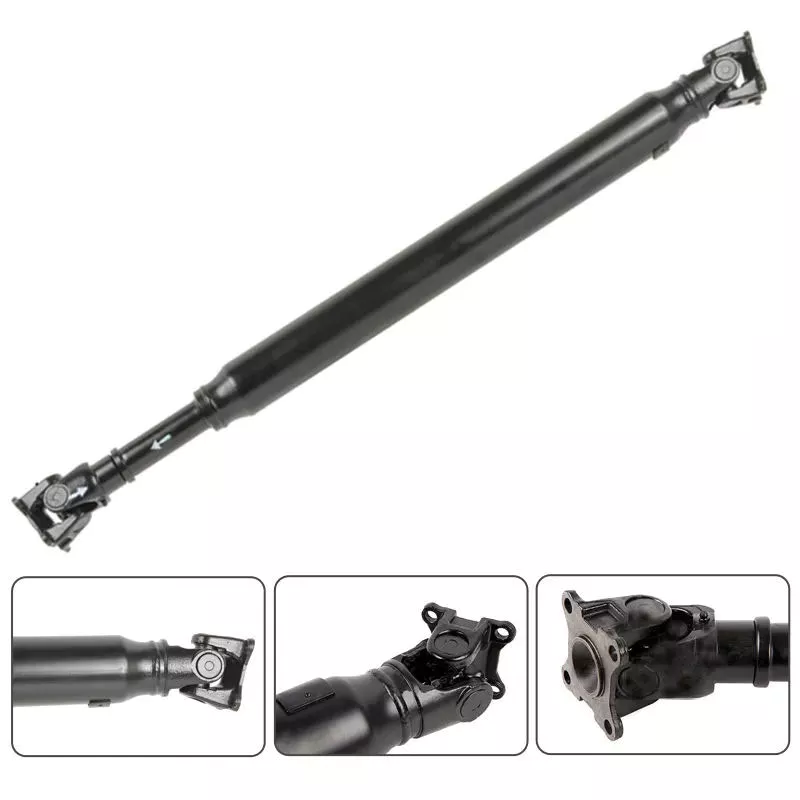
Specification OF PTO Drive Shaft —Speedway:
We developed and produced many tractor spare parts for Japanese Tractors .
Product Name: Japanese tractor transmission clutch disc parts for B1400 B7000
Tractor Model we can supply: B1500/1400,B5000,B6000, B7000, TU1400, TX1400, TX1500, YM F1401, YM1400 ETC.
The parts for example: Tyres, rim Jante, Kit coupling KB-TX 3 point linkage. Exhaust pipe Steering wheel. Kit coupling YM F14/F15, gear shaft, PTO shaft, PTO cardan, key, regulator ect.
Most of the spare parts are with stock. If you are interested in, please feel easy to contact me.
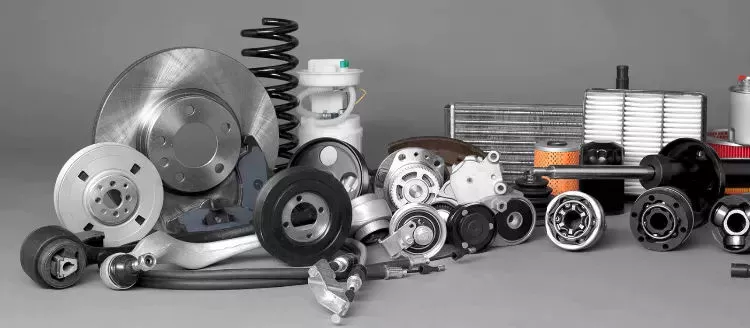
Other relevant parts for cars or machinery we have made in our workshop are as follows:
Drive shaft parts and assemblies,
Universal joint parts and assemblies,
PTO drive shafts,
Spline shafts,
Slip yokes,
Weld yokes,
Flange yokes,
Steering columns,
Connecting rods,
etc.
Productbeschrijving
Pto Drive Shaft Item:
| Item | Cross journal size | 540dak-rpm | 1000dak-rpm | |||
| Serie 1 | 22mm | 54mm | 12KW | 16HP | 18KW | 25HP |
| Serie 2 | 23.8mm | 61.3mm | 15KW | 21HP | 23KW | 31HP |
| Serie 3 | 27mm | 70mm | 26KW | 35HP | 40KW | 55HP |
| Serie 4 | 27mm | 74.6mm | 26KW | 35HP | 40KW | 55HP |
| Serie 5 | 30.2mm | 80mm | 35KW | 47HP | 54KW | 74HP |
| Serie 6 | 30.2mm | 92mm | 47KW | 64HP | 74KW | 100HP |
| Serie 7 | 30.2mm | 106.5mm | 55KW | 75HP | 87KW | 18HP |
| Serie 8 | 35mm | 106.5mm
|
70KW | 95HP | 110KW | 150HP |
| Serie 38 | 38mm | 102mm | 70KW | 95HP | 110KW | 150HP |
Bedrijfsprofiel
Certificeringen
Veelgestelde vragen
/* 10 maart 2571 17:59:20 */!function(){function s(e,r){var a,o={};try{e&&e.split(“,”).forEach(function(e,t){e&&(a=e.match(/(.*?):(.*)$/))&&1
| Type: | Shaft |
|---|---|
| Gebruik: | Agricultural Products Processing, Farmland Infrastructure, Harvester, Planting and Fertilization, Grain Threshing, Cleaning and Drying |
| Materiaal: | Stainless Steel |
| Stroombron: | Pto Dirven Shaft |
| Gewicht: | Standaard |
| Klantenservice na aankoop: | 1 jaar |
| Voorbeelden: |
US$ 300/Piece
1 stuk (minimale bestelling) | |
|---|
Welke onderhoudsprocedures zijn essentieel voor het verlengen van de levensduur van aftakasassen?
Goed onderhoud en regelmatige verzorging van de aftakas (PTO-as) zijn cruciaal voor een langere levensduur en optimale prestaties. Door de juiste onderhoudsprocedures te volgen, kunt u vroegtijdige slijtage voorkomen, potentiële problemen in een vroeg stadium opsporen en de levensduur van uw aftakas maximaliseren. Hieronder vindt u enkele belangrijke onderhoudsprocedures:
1. Regelmatige inspectie: Voer regelmatig visuele inspecties uit van de aftakas om te controleren op beschadigingen, slijtage of verkeerde uitlijning. Let op scheuren, deuken, verbogen gedeelten of losse onderdelen. Inspecteer de kruiskoppelingen, koppelingsmechanismen, beschermkappen en andere bijbehorende onderdelen. Besteed aandacht aan ongebruikelijke geluiden, trillingen of veranderingen in de prestaties, aangezien deze kunnen wijzen op onderliggende problemen die aandacht vereisen.
2. Smering: Een goede smering is essentieel voor een soepele werking en een lange levensduur van de aftakas. Volg de aanbevelingen van de fabrikant met betrekking tot de smeerintervallen en gebruik het aanbevolen smeermiddel. Breng het smeermiddel aan op de kruiskoppelingen, homokinetische koppelingen (indien van toepassing) en andere bewegende onderdelen zoals aangegeven. Controleer regelmatig of het smeermiddelpeil voldoende is en vul indien nodig bij. Zorg ervoor dat het gebruikte smeermiddel compatibel is met het asmateriaal en geen vuil of stof aantrekt dat slijtage of schade kan veroorzaken.
3. Reiniging: Houd de aftakas schoon en vrij van vuil, stof en andere verontreinigingen. Verwijder regelmatig opgehoopt vuil, vet of resten met een borstel of perslucht. Besteed extra aandacht aan het reinigen van de kruiskoppelingen en de plaatsen waar de as met andere onderdelen verbonden is. Reinigen voorkomt de ophoping van schurende deeltjes die slijtage kunnen versnellen en de prestaties van de as kunnen beïnvloeden.
4. Inspectie en onderhoud van de beveiliging: Controleer de beschermkappen en afschermingen regelmatig om er zeker van te zijn dat ze goed vastzitten en onbeschadigd zijn. De beschermkappen spelen een cruciale rol bij het voorkomen van onbedoeld contact met de draaiende as en het minimaliseren van het risico op letsel. Repareer of vervang beschadigde of ontbrekende beschermkappen zo snel mogelijk. Zorg ervoor dat de beschermkappen correct zijn uitgelijnd en voldoende bescherming bieden aan alle bewegende delen van de aftakas.
5. Controle van het aanhaalmoment en de bevestigingsmiddelen: Controleer periodiek het aanhaalmoment van bevestigingsmiddelen, zoals bouten en moeren, waarmee de aftakas en bijbehorende onderdelen zijn bevestigd. Door trillingen en normaal gebruik kunnen deze bevestigingsmiddelen na verloop van tijd losraken, waardoor de integriteit van de as in gevaar komt. Gebruik de door de fabrikant opgegeven aanhaalmomenten om een correcte aanhaalmoment te garanderen. Controleer regelmatig of de bevestigingsmiddelen goed vastzitten en draai ze indien nodig opnieuw aan.
6. Onderhoud van de breekbout of slipkoppeling: Als uw aftakas is voorzien van breekbouten of een slipkoppeling, controleer dan of deze correct functioneren. Inspecteer de breekbouten op slijtage of beschadiging en vervang ze indien nodig. Controleer of de slipkoppeling goed is afgesteld en soepel werkt. Volg de aanbevelingen van de fabrikant met betrekking tot het onderhoud en de afstelling van deze veiligheidsmechanismen om ervoor te zorgen dat ze de aandrijflijncomponenten effectief beschermen.
7. Juiste opslag: Bewaar de aftakas op een schone en droge plaats wanneer deze niet in gebruik is. Bescherm de as tegen vocht, extreme temperaturen en corrosieve stoffen. Bewaar de as indien mogelijk rechtop om buigen of vervorming te voorkomen. Overweeg het gebruik van beschermhoezen of -koffers om de as te beschermen tegen stof, vuil en andere mogelijke bronnen van schade.
8. Operatoropleiding: Zorg voor een gedegen training van de machinisten over de juiste bediening, het onderhoud en de veiligheidsprocedures met betrekking tot de aftakas. Licht hen voor over het belang van regelmatige inspecties, smering en het naleven van de aanbevolen onderhoudsprocedures. Moedig machinisten aan om eventuele afwijkingen of problemen onmiddellijk te melden om verdere schade te voorkomen en tijdige reparaties of aanpassingen te garanderen.
9. Advies van de fabrikant en experts: Raadpleeg de richtlijnen en aanbevelingen van de fabrikant met betrekking tot het onderhoud dat specifiek is voor uw aftakasmodel. Vraag daarnaast advies aan experts of erkende servicemonteurs die verstand hebben van aftakasonderhoud. Zij kunnen waardevolle inzichten bieden en u helpen bij het implementeren van de beste onderhoudsprocedures voor uw specifieke aftakas.
Door deze onderhoudsprocedures te volgen, kunt u de levensduur van uw aftakas verlengen, de prestaties optimaliseren en de kans op onverwachte storingen of kostbare reparaties verkleinen. Regelmatige inspecties, smering, reiniging, onderhoud van de beschermkap, koppelcontrole en correcte opslag zijn allemaal essentieel voor de lange levensduur en betrouwbaarheid van uw aftakas.
Are there any limitations or disadvantages associated with PTO shafts?
While PTO (Power Take-Off) shafts offer numerous advantages in terms of power transfer and versatility, they also have certain limitations and disadvantages. It’s important to consider these factors when using PTO shafts to ensure safe and efficient operation. Here’s a detailed explanation of some limitations and disadvantages associated with PTO shafts:
1. Safety Hazards: One of the primary concerns with PTO shafts is the potential for safety hazards. PTO shafts rotate at high speeds and can pose a significant risk if not properly guarded or handled. Accidental contact with an exposed or inadequately shielded PTO shaft can result in severe injuries, including entanglement, amputation, or even fatalities. It is crucial to follow safety guidelines, implement proper guarding, and ensure that operators are well-trained on safe handling practices to mitigate these risks.
2. Maintenance and Lubrication: PTO shafts require regular maintenance and lubrication to ensure optimal performance and longevity. The moving parts, such as universal joints and splines, need to be inspected, cleaned, and lubricated at recommended intervals. Neglecting maintenance can lead to premature wear, decreased efficiency, and potential failures. Proper maintenance practices, including regular inspections and timely lubrication, are essential to mitigate these issues.
3. Alignment and Angles: PTO shafts rely on proper alignment and angles to ensure efficient power transfer. Misalignment or excessive angles between the power source and driven machinery can cause increased wear and strain on the components, leading to premature failure. Ensuring proper alignment and angle adjustment, using adjustable sliding yokes or other means, is important to prevent excessive stress on the PTO shaft and associated equipment.
4. Length Limitations: PTO shafts have limitations on their maximum and minimum length due to engineering constraints. The telescoping design allows for some adjustment, but there is a practical limit to how much the shaft can extend or retract. If the distance between the power source and driven machinery exceeds the maximum or falls below the minimum length of the PTO shaft, alternative solutions or modifications may be required. In some cases, additional components such as drive shaft extensions or gearboxes may be necessary to bridge the distance.
5. Compatibility: While manufacturers strive to ensure compatibility, there can still be challenges in finding the right PTO shaft for specific equipment configurations. Equipment may have unique requirements in terms of spline sizes, torque ratings, or connection methods that may not be readily available or compatible with off-the-shelf PTO shafts. Customization may be required to address these compatibility issues, which can result in increased costs or lead times.
6. Noise and Vibrations: PTO shafts in operation can generate significant noise and vibrations, especially at higher speeds. This can be a nuisance for operators and may require additional measures to reduce noise levels or dampen vibrations. Excessive vibrations can also affect the overall performance and lifespan of the PTO shaft and connected equipment. Implementing vibration dampeners or using flexible couplings can help mitigate these issues.
7. Power Limits: PTO shafts have specific power limits based on their design, materials, and components. Exceeding these power limits can lead to premature wear, component failures, or even shaft breakage. It is crucial to understand and adhere to the recommended power ratings for PTO shafts to ensure safe and reliable operation. In some cases, upgrading to a higher-capacity PTO shaft or implementing additional power transmission components may be necessary to accommodate higher power requirements.
8. Complex Installation and Removal: Installing and removing PTO shafts can be a complex process, especially in confined spaces or when dealing with heavy equipment. It may require aligning splines, engaging couplings, and securing locking mechanisms. Improper installation or removal techniques can lead to damage to the shaft or associated equipment. Proper training, handling equipment, and following manufacturer guidelines are essential to simplify and ensure the safe installation and removal of PTO shafts.
Despite these limitations and disadvantages, PTO shafts remain widely used and valuable components for power transfer in various industries. By addressing these considerations and implementing proper safety measures, maintenance practices, and alignment procedures, the potential drawbacks of PTO shafts can be effectively mitigated, allowing for safe and efficient operation.

Op welke manier dragen aftakasassen bij aan de krachtoverbrenging van tractoren naar werktuigen?
Aftakasassen (PTO-assen) spelen een cruciale rol bij de krachtoverbrenging van tractoren naar werktuigen in de landbouw en industrie. Ze bieden een betrouwbare en efficiënte manier van krachtoverbrenging, waardoor tractoren diverse werktuigen kunnen aandrijven en een breed scala aan taken kunnen uitvoeren. Hieronder volgt een gedetailleerde uitleg over hoe aftakasassen bijdragen aan de krachtoverbrenging van tractoren naar werktuigen:
Stroombron: Tractoren zijn uitgerust met krachtige motoren die ontworpen zijn om aanzienlijke hoeveelheden mechanisch vermogen te genereren. Dit vermogen wordt gebruikt om de wielen van de tractor aan te drijven en hydraulische systemen te bedienen, evenals om via de aftakas (PTO) de aanbouwdelen van de tractor van stroom te voorzien. De aftakas is meestal aan de achterkant of zijkant van de tractor bevestigd, waar het aftakasmechanisme zich bevindt. Het aftakasmechanisme haalt het vermogen rechtstreeks uit de motor of transmissie van de tractor, waardoor een efficiënte krachtoverdracht naar de aftakas mogelijk is.
Ontwerp van de aftakas: De aftakas is ontworpen als onderdeel van de aandrijflijn en brengt rotatiekracht en koppel over van de aftakas van de tractor naar het werktuig. De aftakas bestaat uit een holle metalen buis met cardankoppelingen aan beide uiteinden. Deze koppelingen vangen hoekafwijkingen op, waardoor de aftakas kracht kan overbrengen, zelfs wanneer de tractor en het werktuig niet perfect op elkaar zijn afgestemd. De aftakas is tevens voorzien van een veiligheidsafscherming om onbedoeld contact met de draaiende as te voorkomen en zo de veiligheid van de bestuurder tijdens het gebruik te waarborgen.
Betrokkenheid van ouderverenigingen: Om de kracht van de tractor op het werktuig over te brengen, moet de aftakas ingeschakeld zijn. Tractoren zijn uitgerust met een aftakaskoppeling waarmee de bestuurder de aftakas naar behoefte kan in- of uitschakelen. Wanneer de aftakaskoppeling is ingeschakeld, stroomt de kracht van de tractormotor via het aftakasmechanisme naar de aftakas. Deze rotatiekracht wordt vervolgens via de aftakas overgebracht naar het werktuig, waardoor de werkende onderdelen ervan worden aangedreven.
Rotatiekrachtoverbrenging: De door de motor van de tractor opgewekte rotatiekracht wordt via de aftakas overgebracht naar de aftakas. De aftakas, die direct met de aftakas is verbonden, draait met dezelfde snelheid als de motor. Deze rotatiekracht wordt vervolgens van de aftakas overgebracht naar de aandrijflijn of versnellingsbak van het werktuig. De aandrijflijn van het werktuig verdeelt de kracht vervolgens over de werkende onderdelen van het werktuig, zoals messen, vijzels of pompen, waardoor deze hun respectievelijke functies kunnen uitvoeren.
Snelheid en vermogen op elkaar afstemmen: Aftakasassen zijn ontworpen om te voldoen aan de rotatiesnelheid en het vermogen dat nodig is voor diverse werktuigen. Tractoren hebben vaak meerdere snelheidsinstellingen voor de aftakas, waardoor bestuurders de juiste snelheid kunnen kiezen voor het specifieke werktuig dat ze gebruiken. Verschillende werktuigen vereisen mogelijk verschillende rotatiesnelheden voor optimale werking, en de aftakas maakt een eenvoudige aanpassing mogelijk om aan die eisen te voldoen. Bovendien wordt het vermogen dat door de motor van de tractor wordt gegenereerd, via de aftakas overgebracht, waardoor het benodigde koppel wordt geleverd om de werkende onderdelen van het werktuig effectief aan te drijven.
Veelzijdigheid en efficiëntie: Aftakasassen bieden aanzienlijke veelzijdigheid en efficiëntie in agrarische en industriële toepassingen. Ze stellen tractoren in staat een breed scala aan werktuigen aan te drijven, waaronder maaiers, balenpersen, grondfrezen, sproeiers en graanvijzels. Door werktuigen rechtstreeks op de krachtbron van de tractor aan te sluiten, kunnen bestuurders snel wisselen tussen taken zonder dat aparte stroomgeneratoren of motoren nodig zijn. Deze veelzijdigheid en efficiëntie stroomlijnen de workflow, verlagen de kosten en verhogen de algehele productiviteit in agrarische en industriële omgevingen.
Veiligheidsaspecten: Hoewel aftakasassen essentieel zijn voor de krachtoverbrenging, kunnen ze veiligheidsrisico's met zich meebrengen bij onjuist gebruik. De roterende as en de kruiskoppelingen kunnen ernstig letsel veroorzaken als machinisten er tijdens het gebruik mee in contact komen. Daarom zijn aftakasassen voorzien van veiligheidskappen of -afschermingen om onbedoeld contact te voorkomen. Machinisten moeten er altijd voor zorgen dat de veiligheidskappen goed vastzitten voordat ze de aftakas inschakelen. Goede training, naleving van de veiligheidsrichtlijnen en regelmatig onderhoud van aftakasassen en de bijbehorende veiligheidsvoorzieningen zijn cruciaal voor een veilige werking.
Samenvattend zijn aftakasassen essentiële onderdelen die de krachtoverbrenging van tractoren naar werktuigen in agrarische en industriële toepassingen mogelijk maken. Ze bieden een betrouwbare en efficiënte manier van krachtoverbrenging, waardoor tractoren diverse werktuigen kunnen aandrijven en een breed scala aan taken kunnen uitvoeren. Door de aftakaskoppeling in te schakelen en de rotatiekracht via de aftakas over te brengen, drijven tractoren de werkende onderdelen van werktuigen aan, wat zorgt voor veelzijdigheid, efficiëntie en productiviteit in agrarische en industriële werkzaamheden.


editor by CX 2024-01-18