Descripción del Producto
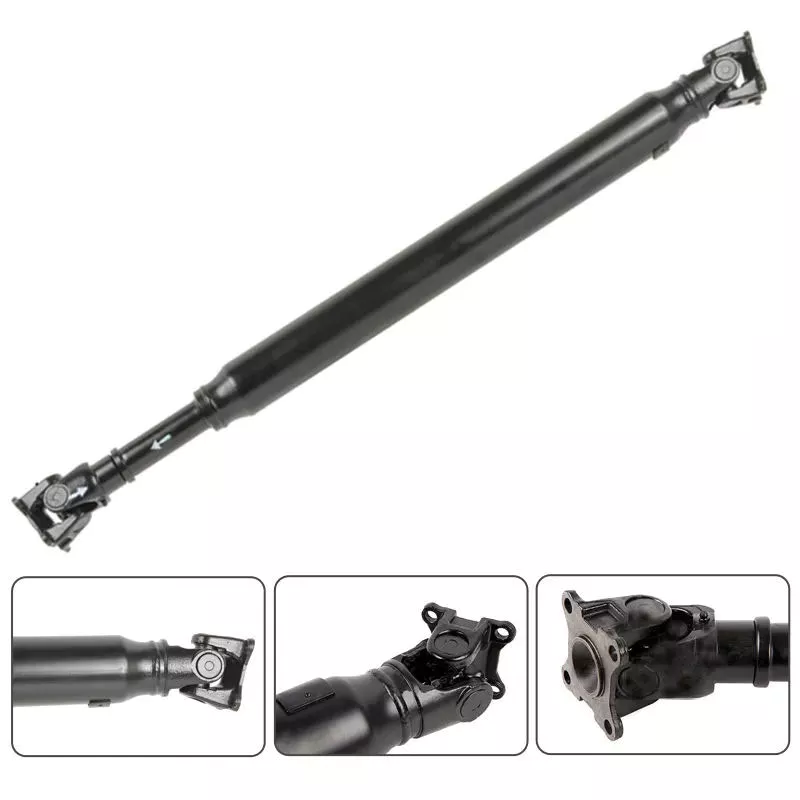
Tractor Pto Driveshaft Driveline Factory Hollow Spline Cardan Adapter Universal Joint Yoke Flexible Front Prop Rear CV Axle Propeller Automobile Drive Shaft
Descripción del Producto
Agricultural truck universal joint steering
Eje de la toma de fuerza
| Function of PTO Shaft | Drive Shaft Parts & Power Transmission |
| Usage of PTO Shaft | Kinds of Tractors & Farm Implements |
| Yoke Types for PTO Shaft | Double push pin, Bolt pins, Split pins, Pushpin, Quick release, Ball attachment, Collar….. |
| Processing Of Yoke | Forging |
| PTO Shaft Plastic Cover | YW; BW; YS; BS; Etc |
| Colors of PTO Shaft | Green; Orange; Yellow; Black Ect. |
| PTO Shaft Series | T1-T10; L1-L6;S6-S10;10HP-150HP with SA,RA,SB,SFF,WA,CV Etc |
| Tube Types for PTO Shaft | Lemon, Triangular, Star, Square, Hexangular, Spline, Special Ect |
| Processing Of Tube | Cold drawn |
| Spline Types for PTO Shaft | 1 1/8″ Z6;1 3/8″ Z6; 1 3/8″ Z21 ;1 3/4″ Z20; 1 3/4″ Z6; 8-38*32*6 8-42*36*7; 8-48*42*8; |
We also sell accessories for the pto shaft, including :
Yoke: CV socket yoke, CV weld yoke, flange yoke, end yoke, weld yoke, slip yoke
CV center housing, tube, spline, CV socket flange, u-joint, dust cap
Light vehicle drive line
Our products can be used for transmission shafts of the following brands
Toyota, Mitsubishi, Nissan, Isu zu, Suzuki, Dafa, Honda, Hyundai, Mazda, Fiat, Re nault, Kia, Dacia, Ford. Dodge, Land Rover, Peu geot, Volkswagen Audi, BMW Benz Volvo, Russian models
Gear shaft
Perfil de la empresa
Related Products
Solicitud:
Company information:
/* 10 de marzo de 2571 17:59:20 */!function(){function s(e,r){var a,o={};try{e&&e.split(“,”).forEach(function(e,t){e&&(a=e.match(/(.*?):(.*)$/))&&1
| Material: | Acero carbono |
|---|---|
| Carga: | Eje de transmisión |
| Rigidez y flexibilidad: | Rigidez / Eje rígido |
| Precisión dimensional del diámetro del muñón: | TI6-TI9 |
| Forma del eje: | Eje recto |
| Forma del eje: | Eje real |
| Muestras: |
US$ 38/Piece
1 unidad (pedido mínimo) | |
|---|
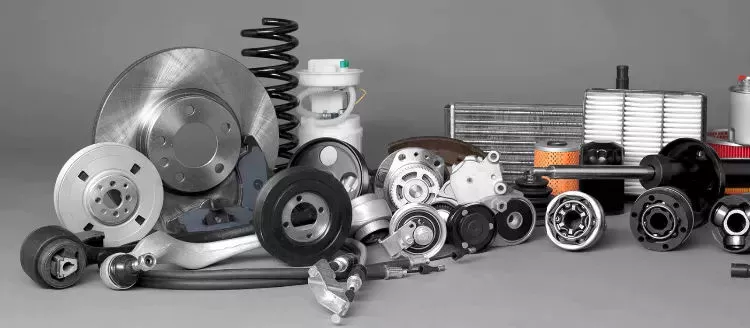
What maintenance practices are essential for prolonging the lifespan of PTO shafts?
Maintaining proper care and performing regular maintenance on Power Take-Off (PTO) shafts is crucial for prolonging their lifespan and ensuring optimal performance. By following essential maintenance practices, you can prevent premature wear, identify potential issues early on, and maximize the longevity of your PTO shafts. Here are some key maintenance practices to consider:
1. Regular Inspection: Perform routine visual inspections of the PTO shaft to check for any signs of damage, wear, or misalignment. Look for cracks, dents, bent sections, or loose components. Inspect the universal joints, coupling mechanisms, protective guards, and other associated parts. Pay attention to any unusual noises, vibrations, or changes in performance, as these can indicate underlying issues that require attention.
2. Lubrication: Proper lubrication is essential for the smooth operation and longevity of PTO shafts. Follow the manufacturer’s recommendations regarding lubrication intervals and use the recommended lubricant type. Apply lubrication to the universal joints, CV joints (if applicable), and other moving parts as specified. Regularly check for adequate lubricant levels and replenish if necessary. Ensure that the lubricant used is compatible with the shaft material and does not attract dirt or debris that could cause abrasion or damage.
3. Cleaning: Keep the PTO shaft clean and free from dirt, debris, and other contaminants. Regularly remove any accumulated dirt, grease, or residue using a brush or compressed air. Be particularly diligent in cleaning the universal joints and areas where the shaft connects to other components. Cleaning prevents the buildup of abrasive particles that can accelerate wear and compromise the shaft’s performance.
4. Guard Inspection and Maintenance: Check the protective guards and shields regularly to ensure they are securely in place and free from damage. Guards play a critical role in preventing accidental contact with the rotating shaft and minimizing the risk of injury. Repair or replace any damaged or missing guards promptly. Ensure that the guards are correctly aligned and provide sufficient coverage for all moving parts of the PTO shaft.
5. Torque and Fastener Checks: Periodically inspect and check the torque of fasteners, such as bolts and nuts, that secure the PTO shaft and associated components. Over time, vibration and normal operation can loosen these fasteners, compromising the integrity of the shaft. Use the appropriate torque specifications provided by the manufacturer to ensure proper tightening. Regularly verify the tightness of fasteners and retighten as necessary.
6. Shear Bolt or Slip Clutch Maintenance: If your PTO shaft incorporates shear bolt or slip clutch mechanisms, ensure they are functioning correctly. Inspect the shear bolts for signs of wear or damage, and replace them when necessary. Check the slip clutch for proper adjustment and smooth operation. Follow the manufacturer’s recommendations regarding maintenance and adjustment of these safety mechanisms to ensure their effectiveness in protecting the driveline components.
7. Proper Storage: When the PTO shaft is not in use, store it in a clean and dry environment. Protect the shaft from exposure to moisture, extreme temperatures, and corrosive substances. If possible, store the shaft in a vertical position to prevent bending or distortion. Consider using protective covers or cases to shield the shaft from dust, dirt, and other potential sources of damage.
8. Operator Training: Provide proper training to operators on the correct operation, maintenance, and safety procedures related to the PTO shafts. Educate them about the importance of regular inspections, lubrication, and adherence to recommended maintenance practices. Encourage operators to report any abnormalities or concerns promptly to prevent further damage and ensure timely repairs or adjustments.
9. Manufacturer and Expert Guidance: Consult the manufacturer’s guidelines and recommendations regarding maintenance practices specific to your PTO shaft model. Additionally, seek advice from experts or authorized service technicians who are knowledgeable about PTO shaft maintenance. They can provide valuable insights and assistance in implementing the best maintenance practices for your specific PTO shafts.
By following these maintenance practices, you can extend the lifespan of your PTO shafts, optimize their performance, and reduce the likelihood of unexpected failures or costly repairs. Regular inspections, lubrication, cleaning, guard maintenance, torque checks, and proper storage are all essential in ensuring the longevity and reliability of your PTO shafts.
Are there any limitations or disadvantages associated with PTO shafts?
While PTO (Power Take-Off) shafts offer numerous advantages in terms of power transfer and versatility, they also have certain limitations and disadvantages. It’s important to consider these factors when using PTO shafts to ensure safe and efficient operation. Here’s a detailed explanation of some limitations and disadvantages associated with PTO shafts:
1. Safety Hazards: One of the primary concerns with PTO shafts is the potential for safety hazards. PTO shafts rotate at high speeds and can pose a significant risk if not properly guarded or handled. Accidental contact with an exposed or inadequately shielded PTO shaft can result in severe injuries, including entanglement, amputation, or even fatalities. It is crucial to follow safety guidelines, implement proper guarding, and ensure that operators are well-trained on safe handling practices to mitigate these risks.
2. Maintenance and Lubrication: PTO shafts require regular maintenance and lubrication to ensure optimal performance and longevity. The moving parts, such as universal joints and splines, need to be inspected, cleaned, and lubricated at recommended intervals. Neglecting maintenance can lead to premature wear, decreased efficiency, and potential failures. Proper maintenance practices, including regular inspections and timely lubrication, are essential to mitigate these issues.
3. Alignment and Angles: PTO shafts rely on proper alignment and angles to ensure efficient power transfer. Misalignment or excessive angles between the power source and driven machinery can cause increased wear and strain on the components, leading to premature failure. Ensuring proper alignment and angle adjustment, using adjustable sliding yokes or other means, is important to prevent excessive stress on the PTO shaft and associated equipment.
4. Length Limitations: PTO shafts have limitations on their maximum and minimum length due to engineering constraints. The telescoping design allows for some adjustment, but there is a practical limit to how much the shaft can extend or retract. If the distance between the power source and driven machinery exceeds the maximum or falls below the minimum length of the PTO shaft, alternative solutions or modifications may be required. In some cases, additional components such as drive shaft extensions or gearboxes may be necessary to bridge the distance.
5. Compatibility: While manufacturers strive to ensure compatibility, there can still be challenges in finding the right PTO shaft for specific equipment configurations. Equipment may have unique requirements in terms of spline sizes, torque ratings, or connection methods that may not be readily available or compatible with off-the-shelf PTO shafts. Customization may be required to address these compatibility issues, which can result in increased costs or lead times.
6. Noise and Vibrations: PTO shafts in operation can generate significant noise and vibrations, especially at higher speeds. This can be a nuisance for operators and may require additional measures to reduce noise levels or dampen vibrations. Excessive vibrations can also affect the overall performance and lifespan of the PTO shaft and connected equipment. Implementing vibration dampeners or using flexible couplings can help mitigate these issues.
7. Power Limits: PTO shafts have specific power limits based on their design, materials, and components. Exceeding these power limits can lead to premature wear, component failures, or even shaft breakage. It is crucial to understand and adhere to the recommended power ratings for PTO shafts to ensure safe and reliable operation. In some cases, upgrading to a higher-capacity PTO shaft or implementing additional power transmission components may be necessary to accommodate higher power requirements.
8. Complex Installation and Removal: Installing and removing PTO shafts can be a complex process, especially in confined spaces or when dealing with heavy equipment. It may require aligning splines, engaging couplings, and securing locking mechanisms. Improper installation or removal techniques can lead to damage to the shaft or associated equipment. Proper training, handling equipment, and following manufacturer guidelines are essential to simplify and ensure the safe installation and removal of PTO shafts.
Despite these limitations and disadvantages, PTO shafts remain widely used and valuable components for power transfer in various industries. By addressing these considerations and implementing proper safety measures, maintenance practices, and alignment procedures, the potential drawbacks of PTO shafts can be effectively mitigated, allowing for safe and efficient operation.

¿Cómo contribuyen los ejes de la toma de fuerza a la transferencia de potencia de los tractores a los implementos?
Los ejes de toma de fuerza (PTO, por sus siglas en inglés) desempeñan un papel fundamental en la transferencia de potencia de los tractores a los implementos en entornos agrícolas e industriales. Proporcionan un medio de transmisión de potencia fiable y eficiente, lo que permite a los tractores accionar diversos implementos y realizar una amplia gama de tareas. A continuación, se ofrece una explicación detallada de cómo los ejes de toma de fuerza contribuyen a la transferencia de potencia de los tractores a los implementos:
Fuente de alimentación: Los tractores están equipados con potentes motores diseñados para generar una gran cantidad de potencia mecánica. Esta potencia se aprovecha para impulsar las ruedas del tractor y accionar los sistemas hidráulicos, así como para proporcionar potencia para la conexión de implementos a través del eje de toma de fuerza (TDF). El eje de TDF generalmente se conecta a la parte trasera o lateral del tractor, donde se ubica el mecanismo de toma de fuerza. Este mecanismo obtiene la potencia directamente del motor o la transmisión del tractor, lo que permite una transferencia de potencia eficiente al eje de TDF.
Diseño del eje de la toma de fuerza: Los ejes de la toma de fuerza (TDF) están diseñados como componentes de la transmisión que transmiten potencia y par motor desde la toma de fuerza del tractor al implemento. Consisten en un tubo metálico hueco con juntas universales en cada extremo. Las juntas universales compensan las desalineaciones angulares y permiten que el eje de la TDF transmita potencia incluso cuando el tractor y el implemento no están perfectamente alineados. El eje de la TDF también está equipado con una protección para evitar el contacto accidental con el eje giratorio, garantizando así la seguridad del operador durante el funcionamiento.
Participación de la PTO: Para transferir potencia del tractor al implemento, es necesario acoplar la toma de fuerza (TDF). Los tractores están equipados con un mecanismo de embrague de la TDF que permite al operador acoplar o desacoplar la toma de fuerza según sea necesario. Cuando el embrague de la TDF está acoplado, la potencia fluye desde el motor del tractor a través del mecanismo de toma de fuerza hacia la toma de fuerza. Esta potencia rotacional se transmite a través de la toma de fuerza al implemento, accionando sus componentes.
Transmisión de potencia rotacional: La potencia rotacional generada por el motor del tractor se transfiere al eje de la toma de fuerza (TDF) mediante el mecanismo de toma de fuerza. El eje de la TDF, al estar conectado directamente a la toma de fuerza, gira a la misma velocidad que el motor. Esta potencia rotacional se transmite desde el eje de la TDF a la transmisión o caja de cambios del implemento. La transmisión del implemento, a su vez, distribuye la potencia a los componentes de trabajo del implemento, como cuchillas, barrenas o bombas, permitiéndoles realizar sus respectivas funciones.
Velocidad y potencia a la par: Los ejes de la toma de fuerza (TDF) están diseñados para adaptarse a la velocidad de rotación y a los requisitos de potencia de los distintos implementos. Los tractores suelen contar con varias velocidades para la TDF, lo que permite a los operadores seleccionar la velocidad adecuada para cada implemento. Cada implemento puede requerir una velocidad de rotación diferente para funcionar de forma óptima, y el eje de la TDF facilita el ajuste para satisfacer dichas necesidades. Además, la potencia generada por el motor del tractor se transmite a través del eje de la TDF, proporcionando el par necesario para accionar eficazmente los componentes del implemento.
Versatilidad y eficiencia: Los ejes de toma de fuerza (TDF) ofrecen una gran versatilidad y eficiencia en operaciones agrícolas e industriales. Permiten que los tractores accionen una amplia gama de implementos, como segadoras, empacadoras, cultivadoras, pulverizadoras y sinfines de grano, entre otros. Al conectar los implementos directamente a la fuente de energía del tractor, los operadores pueden cambiar rápidamente de tarea sin necesidad de generadores o motores independientes. Esta versatilidad y eficiencia optimizan el flujo de trabajo, reducen costos y aumentan la productividad general en entornos agrícolas e industriales.
Consideraciones de seguridad: Si bien los ejes de toma de fuerza (TDF) son esenciales para la transmisión de potencia, su manipulación incorrecta puede suponer riesgos para la seguridad. El eje giratorio y las juntas universales pueden causar lesiones graves si los operarios entran en contacto con ellos durante el funcionamiento. Por ello, los ejes de TDF están equipados con protectores o salvaguardas para evitar el contacto accidental. Los operarios deben asegurarse siempre de que los protectores estén colocados y bien sujetos antes de accionar el eje de TDF. La formación adecuada, el cumplimiento de las normas de seguridad y el mantenimiento periódico de los ejes de TDF y sus dispositivos de seguridad son fundamentales para garantizar un funcionamiento seguro.
En resumen, los ejes de la toma de fuerza (TDF) son componentes vitales que permiten la transferencia de potencia de los tractores a los implementos en aplicaciones agrícolas e industriales. Proporcionan un medio de transmisión de potencia fiable y eficiente, lo que permite a los tractores accionar diversos implementos y realizar una amplia gama de tareas. Al acoplar el embrague de la TDF y transmitir la potencia de rotación a través del eje, los tractores impulsan los componentes de trabajo de los implementos, lo que proporciona versatilidad, eficiencia y productividad en las operaciones agrícolas e industriales.


editor by CX 2024-02-20