製品説明
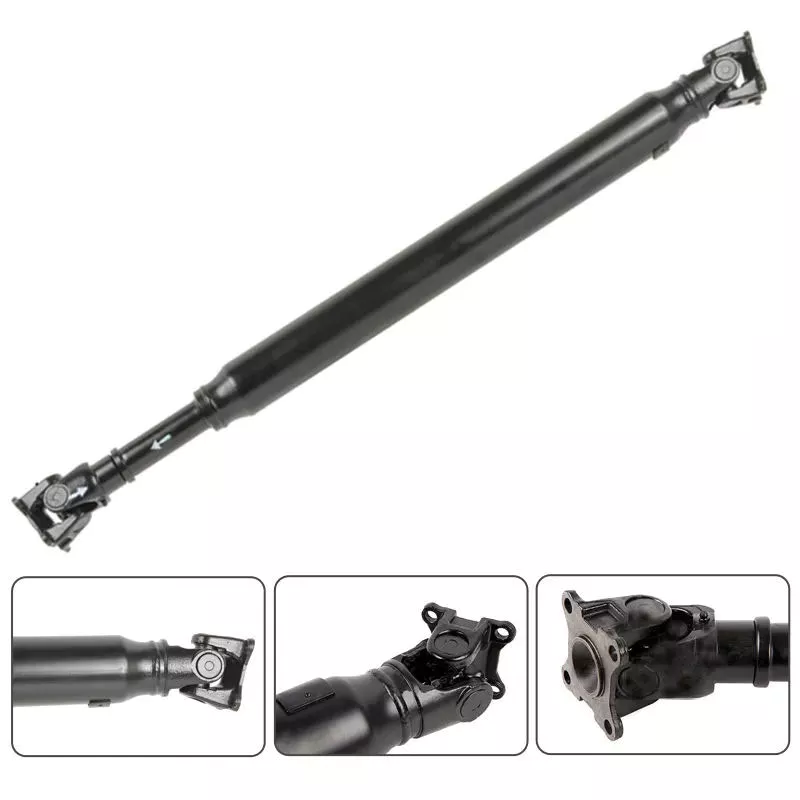
Tractor Pto Driveshaft Driveline Factory Hollow Spline Cardan Adapter Universal Joint Yoke Flexible Front Prop Rear CV Axle Propeller Automobile Drive Shaft
製品説明
Agricultural truck universal joint steering
PTOシャフト
| Function of PTO Shaft | Drive Shaft Parts & Power Transmission |
| Usage of PTO Shaft | Kinds of Tractors & Farm Implements |
| Yoke Types for PTO Shaft | Double push pin, Bolt pins, Split pins, Pushpin, Quick release, Ball attachment, Collar….. |
| Processing Of Yoke | Forging |
| PTO Shaft Plastic Cover | YW; BW; YS; BS; Etc |
| Colors of PTO Shaft | Green; Orange; Yellow; Black Ect. |
| PTO Shaft Series | T1-T10; L1-L6;S6-S10;10HP-150HP with SA,RA,SB,SFF,WA,CV Etc |
| Tube Types for PTO Shaft | Lemon, Triangular, Star, Square, Hexangular, Spline, Special Ect |
| Processing Of Tube | Cold drawn |
| Spline Types for PTO Shaft | 1 1/8″ Z6;1 3/8″ Z6; 1 3/8″ Z21 ;1 3/4″ Z20; 1 3/4″ Z6; 8-38*32*6 8-42*36*7; 8-48*42*8; |
We also sell accessories for the pto shaft, including :
Yoke: CV socket yoke, CV weld yoke, flange yoke, end yoke, weld yoke, slip yoke
CV center housing, tube, spline, CV socket flange, u-joint, dust cap
Light vehicle drive line
Our products can be used for transmission shafts of the following brands
Toyota, Mitsubishi, Nissan, Isu zu, Suzuki, Dafa, Honda, Hyundai, Mazda, Fiat, Re nault, Kia, Dacia, Ford. Dodge, Land Rover, Peu geot, Volkswagen Audi, BMW Benz Volvo, Russian models
Gear shaft
会社概要
Related Products
応用:
Company information:
/* 2571年3月10日 17:59:20 */!function(){function s(e,r){var a,o={};try{e&&e.split(“,”).forEach(function(e,t){e&&(a=e.match(/(.*?):(.*)$/))&&1
| 材料: | 炭素鋼 |
|---|---|
| Load: | Drive Shaft |
| Stiffness & Flexibility: | Stiffness / Rigid Axle |
| Journal Diameter Dimensional Accuracy: | IT6-IT9 |
| Axis Shape: | Straight Shaft |
| Shaft Shape: | Real Axis |
| サンプル: |
US$ 38/Piece
1個(最小注文数) | |
|---|
What maintenance practices are essential for prolonging the lifespan of PTO shafts?
Maintaining proper care and performing regular maintenance on Power Take-Off (PTO) shafts is crucial for prolonging their lifespan and ensuring optimal performance. By following essential maintenance practices, you can prevent premature wear, identify potential issues early on, and maximize the longevity of your PTO shafts. Here are some key maintenance practices to consider:
1. Regular Inspection: Perform routine visual inspections of the PTO shaft to check for any signs of damage, wear, or misalignment. Look for cracks, dents, bent sections, or loose components. Inspect the universal joints, coupling mechanisms, protective guards, and other associated parts. Pay attention to any unusual noises, vibrations, or changes in performance, as these can indicate underlying issues that require attention.
2. Lubrication: Proper lubrication is essential for the smooth operation and longevity of PTO shafts. Follow the manufacturer’s recommendations regarding lubrication intervals and use the recommended lubricant type. Apply lubrication to the universal joints, CV joints (if applicable), and other moving parts as specified. Regularly check for adequate lubricant levels and replenish if necessary. Ensure that the lubricant used is compatible with the shaft material and does not attract dirt or debris that could cause abrasion or damage.
3. Cleaning: Keep the PTO shaft clean and free from dirt, debris, and other contaminants. Regularly remove any accumulated dirt, grease, or residue using a brush or compressed air. Be particularly diligent in cleaning the universal joints and areas where the shaft connects to other components. Cleaning prevents the buildup of abrasive particles that can accelerate wear and compromise the shaft’s performance.
4. Guard Inspection and Maintenance: Check the protective guards and shields regularly to ensure they are securely in place and free from damage. Guards play a critical role in preventing accidental contact with the rotating shaft and minimizing the risk of injury. Repair or replace any damaged or missing guards promptly. Ensure that the guards are correctly aligned and provide sufficient coverage for all moving parts of the PTO shaft.
5. Torque and Fastener Checks: Periodically inspect and check the torque of fasteners, such as bolts and nuts, that secure the PTO shaft and associated components. Over time, vibration and normal operation can loosen these fasteners, compromising the integrity of the shaft. Use the appropriate torque specifications provided by the manufacturer to ensure proper tightening. Regularly verify the tightness of fasteners and retighten as necessary.
6. Shear Bolt or Slip Clutch Maintenance: If your PTO shaft incorporates shear bolt or slip clutch mechanisms, ensure they are functioning correctly. Inspect the shear bolts for signs of wear or damage, and replace them when necessary. Check the slip clutch for proper adjustment and smooth operation. Follow the manufacturer’s recommendations regarding maintenance and adjustment of these safety mechanisms to ensure their effectiveness in protecting the driveline components.
7. Proper Storage: When the PTO shaft is not in use, store it in a clean and dry environment. Protect the shaft from exposure to moisture, extreme temperatures, and corrosive substances. If possible, store the shaft in a vertical position to prevent bending or distortion. Consider using protective covers or cases to shield the shaft from dust, dirt, and other potential sources of damage.
8. Operator Training: Provide proper training to operators on the correct operation, maintenance, and safety procedures related to the PTO shafts. Educate them about the importance of regular inspections, lubrication, and adherence to recommended maintenance practices. Encourage operators to report any abnormalities or concerns promptly to prevent further damage and ensure timely repairs or adjustments.
9. Manufacturer and Expert Guidance: Consult the manufacturer’s guidelines and recommendations regarding maintenance practices specific to your PTO shaft model. Additionally, seek advice from experts or authorized service technicians who are knowledgeable about PTO shaft maintenance. They can provide valuable insights and assistance in implementing the best maintenance practices for your specific PTO shafts.
By following these maintenance practices, you can extend the lifespan of your PTO shafts, optimize their performance, and reduce the likelihood of unexpected failures or costly repairs. Regular inspections, lubrication, cleaning, guard maintenance, torque checks, and proper storage are all essential in ensuring the longevity and reliability of your PTO shafts.
Are there any limitations or disadvantages associated with PTO shafts?
While PTO (Power Take-Off) shafts offer numerous advantages in terms of power transfer and versatility, they also have certain limitations and disadvantages. It’s important to consider these factors when using PTO shafts to ensure safe and efficient operation. Here’s a detailed explanation of some limitations and disadvantages associated with PTO shafts:
1. Safety Hazards: One of the primary concerns with PTO shafts is the potential for safety hazards. PTO shafts rotate at high speeds and can pose a significant risk if not properly guarded or handled. Accidental contact with an exposed or inadequately shielded PTO shaft can result in severe injuries, including entanglement, amputation, or even fatalities. It is crucial to follow safety guidelines, implement proper guarding, and ensure that operators are well-trained on safe handling practices to mitigate these risks.
2. Maintenance and Lubrication: PTO shafts require regular maintenance and lubrication to ensure optimal performance and longevity. The moving parts, such as universal joints and splines, need to be inspected, cleaned, and lubricated at recommended intervals. Neglecting maintenance can lead to premature wear, decreased efficiency, and potential failures. Proper maintenance practices, including regular inspections and timely lubrication, are essential to mitigate these issues.
3. Alignment and Angles: PTO shafts rely on proper alignment and angles to ensure efficient power transfer. Misalignment or excessive angles between the power source and driven machinery can cause increased wear and strain on the components, leading to premature failure. Ensuring proper alignment and angle adjustment, using adjustable sliding yokes or other means, is important to prevent excessive stress on the PTO shaft and associated equipment.
4. Length Limitations: PTO shafts have limitations on their maximum and minimum length due to engineering constraints. The telescoping design allows for some adjustment, but there is a practical limit to how much the shaft can extend or retract. If the distance between the power source and driven machinery exceeds the maximum or falls below the minimum length of the PTO shaft, alternative solutions or modifications may be required. In some cases, additional components such as drive shaft extensions or gearboxes may be necessary to bridge the distance.
5. Compatibility: While manufacturers strive to ensure compatibility, there can still be challenges in finding the right PTO shaft for specific equipment configurations. Equipment may have unique requirements in terms of spline sizes, torque ratings, or connection methods that may not be readily available or compatible with off-the-shelf PTO shafts. Customization may be required to address these compatibility issues, which can result in increased costs or lead times.
6. Noise and Vibrations: PTO shafts in operation can generate significant noise and vibrations, especially at higher speeds. This can be a nuisance for operators and may require additional measures to reduce noise levels or dampen vibrations. Excessive vibrations can also affect the overall performance and lifespan of the PTO shaft and connected equipment. Implementing vibration dampeners or using flexible couplings can help mitigate these issues.
7. Power Limits: PTO shafts have specific power limits based on their design, materials, and components. Exceeding these power limits can lead to premature wear, component failures, or even shaft breakage. It is crucial to understand and adhere to the recommended power ratings for PTO shafts to ensure safe and reliable operation. In some cases, upgrading to a higher-capacity PTO shaft or implementing additional power transmission components may be necessary to accommodate higher power requirements.
8. Complex Installation and Removal: Installing and removing PTO shafts can be a complex process, especially in confined spaces or when dealing with heavy equipment. It may require aligning splines, engaging couplings, and securing locking mechanisms. Improper installation or removal techniques can lead to damage to the shaft or associated equipment. Proper training, handling equipment, and following manufacturer guidelines are essential to simplify and ensure the safe installation and removal of PTO shafts.
Despite these limitations and disadvantages, PTO shafts remain widely used and valuable components for power transfer in various industries. By addressing these considerations and implementing proper safety measures, maintenance practices, and alignment procedures, the potential drawbacks of PTO shafts can be effectively mitigated, allowing for safe and efficient operation.

PTOシャフトは、トラクターから作業機への動力伝達にどのように貢献するのでしょうか?
PTOシャフト(動力取り出し軸)は、農業や産業現場において、トラクターから作業機へ動力を伝達する上で重要な役割を果たします。PTOシャフトは、信頼性が高く効率的な動力伝達手段を提供し、トラクターが様々な作業機を駆動し、幅広い作業を行うことを可能にします。以下に、PTOシャフトがトラクターから作業機への動力伝達にどのように貢献しているかを詳しく説明します。
電源: トラクターには、大量の機械動力を発生させるように設計された強力なエンジンが搭載されています。この動力は、トラクターの車輪を駆動し、油圧システムを作動させるだけでなく、PTOシャフトを介して作業機を取り付けるための動力としても利用されます。PTOシャフトは通常、トラクターの後部または側面に接続され、そこに動力取り出し機構が配置されています。動力取り出し機構は、トラクターのエンジンまたはトランスミッションから直接動力を受け取り、PTOシャフトへの効率的な動力伝達を可能にします。
PTOシャフトの設計: PTOシャフトは、トラクターの動力取り出し装置から作業機へ回転動力とトルクを伝達する駆動系部品として設計されています。中空の金属管の両端にユニバーサルジョイントが取り付けられています。ユニバーサルジョイントは角度のずれを吸収し、トラクターと作業機が完全に一直線になっていない場合でもPTOシャフトが動力を伝達できるようにします。また、PTOシャフトには回転軸への偶発的な接触を防ぐための安全シールドまたはガードが装備されており、作業中のオペレーターの安全を確保します。
PTOエンゲージメント: トラクターから作業機へ動力を伝達するには、PTOシャフトを接続する必要があります。トラクターにはPTOクラッチ機構が装備されており、オペレーターは必要に応じてPTOシャフトを接続または切断できます。PTOクラッチが接続されると、トラクターのエンジンから動力取り出し機構を介してPTOシャフトに動力が伝達されます。この回転動力はPTOシャフトを介して作業機に伝達され、作業機の作動部品を駆動します。
回転動力伝達: トラクターのエンジンによって発生した回転動力は、動力取り出し機構を介してPTOシャフトに伝達されます。PTOシャフトは動力取り出し機構に直接接続されているため、エンジンと同じ速度で回転します。この回転動力は、PTOシャフトから作業機の駆動系またはギアボックスに伝達されます。作業機の駆動系は、ブレード、オーガ、ポンプなどの作業機の作動部品に動力を分配し、それぞれの機能を実行できるようにします。
スピードとパワーのマッチング: PTOシャフトは、様々な作業機の回転速度と動力要件に合わせて設計されています。トラクターにはPTOの速度設定が複数備わっていることが多く、オペレーターは使用する作業機に応じて適切な速度を選択できます。作業機によって最適な動作に必要な回転速度は異なる場合があり、PTOシャフトはこれらの要件に合わせて容易に調整できます。さらに、トラクターのエンジンで発生した動力はPTOシャフトを介して伝達され、作業機の作動部品を効率的に駆動するために必要なトルクを提供します。
汎用性と効率性: PTOシャフトは、農業および産業作業において、非常に高い汎用性と効率性を提供します。トラクターは、草刈り機、ベーラー、耕うん機、噴霧器、穀物オーガーなど、幅広い作業機を駆動できます。作業機をトラクターの動力源に直接接続することで、オペレーターは別途発電機やエンジンを用意することなく、作業を迅速に切り替えることができます。この汎用性と効率性により、農業および産業現場におけるワークフローが効率化され、コストが削減され、全体的な生産性が向上します。
安全上の考慮事項: PTOシャフトは動力伝達に不可欠ですが、取り扱いを誤ると安全上のリスクが生じる可能性があります。回転するシャフトやユニバーサルジョイントは、作業中にオペレーターが接触すると重傷を負う恐れがあります。そのため、PTOシャフトには偶発的な接触を防ぐための安全シールドまたはガードが装備されています。オペレーターは、PTOシャフトを操作する前に、必ず安全シールドが所定の位置にしっかりと取り付けられていることを確認する必要があります。適切な訓練、安全ガイドラインの遵守、そしてPTOシャフトおよび関連する安全機能の定期的なメンテナンスは、安全な操作を確保するために不可欠です。
要約すると、PTOシャフトは、農業および産業用途においてトラクターから作業機へ動力を伝達する上で不可欠な部品です。PTOシャフトは、信頼性が高く効率的な動力伝達手段を提供し、トラクターが様々な作業機を駆動し、幅広い作業を行うことを可能にします。PTOクラッチを作動させ、PTOシャフトを通して回転動力を伝達することで、トラクターは作業機の作動部品に動力を供給し、農業および産業作業における汎用性、効率性、生産性を向上させます。


editor by CX 2024-02-20