توضیحات محصول
T4-660-01B-07G-YIIIP Agriculture PTO Drive Shaft for Earth Mover and Potato Harvester
| Product: | PTO Drive Shaft |
| Model: | T4-660-01B-07G-YIIIP |
| Size: | φ27*74.6 Length 660mm |
| Raw Material: | 45# Steel |
| سختی: | 58-64HRC |
| Delivery Date: | 7-60 Days |
| MOQ: | 100 sets or according to stocks without minimum Qty. |
| Sample: | Acceptable |
| We could produce all kinds of PTO Drive Shaft and Parts according to customers’ requirement. | |
| REF. | UJ | L.mm |
| T4-660-01B-07G-YIIIP | ø27*74.6 | 660 |
About us
We have more than 17 years experience of Spare parts, especially on Drive Line Parts.
We deeply participant in the Auto Spare parts business in HangZhou city which is the most import spare parts production area in China.
We are supply products with good cost performance for different customers of all over the world.
We keep very good relationship with local produces with the WIN-WIN-WIN policy.
Factory supply good and fast products;
We supply good and fast service;
And Customers gain the good products and good service for their customers.
This is a healthy and strong equilateral triangle keep HangZhou Speedway going forward until now.
/* ۱۰ مارس ۲۵۷۱، ساعت ۱۷:۵۹:۲۰ */!function(){function s(e,r){var a,o={};try{e&&e.split(",").forEach(function(e,t){e&&(a=e.match(/(.*?):(.*)$/))&&1
| نوع: | Transmission |
|---|---|
| کاربرد: | Tillage, Harvester, Planting and Fertilization |
| مواد: | 45# Steel |
| منبع تغذیه: | دیزل |
| وزن: | 8 |
| خدمات پس از فروش: | Online Support |
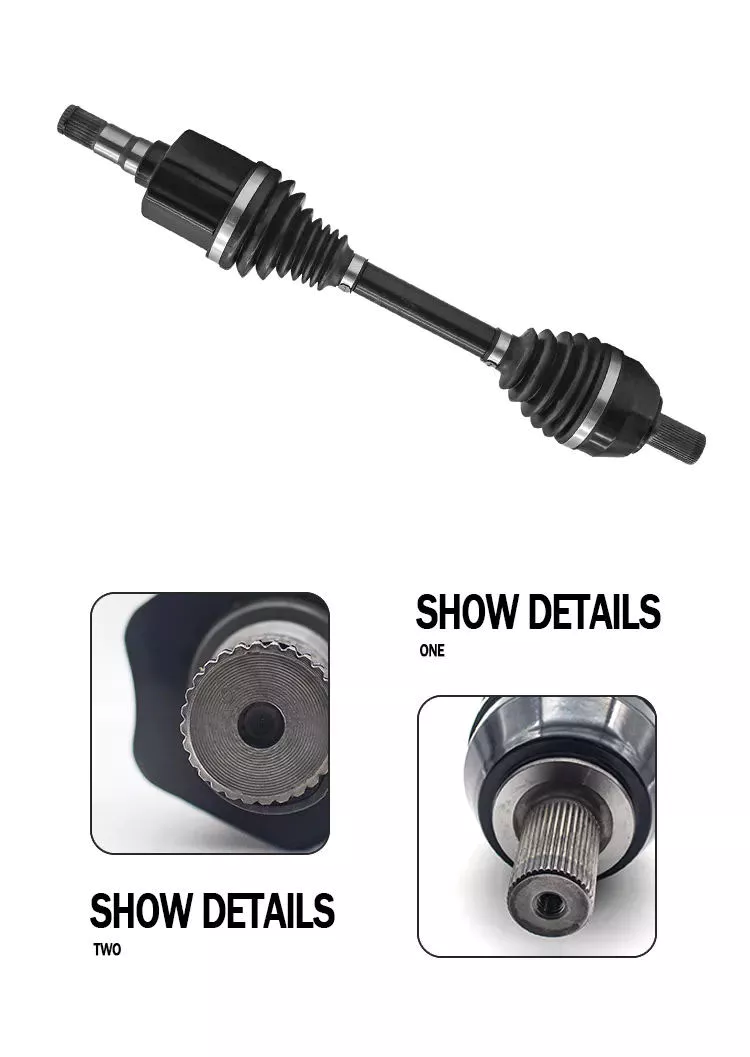
تولیدکنندگان چگونه سازگاری شفتهای PTO را با تجهیزات مختلف تضمین میکنند؟
تولیدکنندگان اقدامات مختلفی را برای اطمینان از سازگاری شفتهای PTO (برقگیر) با تجهیزات مختلف به کار میگیرند. سازگاری برای اطمینان از اینکه شفتهای PTO میتوانند به طور مؤثر نیرو را از منبع تغذیه به ماشینآلات محرک منتقل کنند، بدون اینکه عملکرد، ایمنی یا سهولت استفاده را به خطر بیندازند، بسیار مهم است. در اینجا توضیح مفصلی در مورد چگونگی اطمینان تولیدکنندگان از سازگاری ارائه شده است:
۱. استانداردسازی: شفتهای PTO بر اساس مشخصات استاندارد طراحی و ساخته میشوند. این مشخصات، پارامترهای اساسی مانند ابعاد شفت، اندازههای اسپلین، رتبهبندی گشتاور و الزامات ایمنی را مشخص میکنند. با رعایت طرحهای استاندارد، تولیدکنندگان اطمینان حاصل میکنند که شفتهای PTO با طیف وسیعی از تجهیزات که مطابق با استانداردهای یکسان هستند، سازگار هستند. استانداردسازی امکان تعویضپذیری را فراهم میکند، به این معنی که شفتهای PTO از یک سازنده میتوانند با تجهیزات سازنده دیگر مورد استفاده قرار گیرند، مادامی که با مشخصات یکسان مطابقت داشته باشند.
۲. همکاری با تولیدکنندگان تجهیزات: تولیدکنندگان شفت PTO اغلب برای اطمینان از سازگاری، همکاری نزدیکی با تولیدکنندگان تجهیزات دارند. آنها با یکدیگر همکاری میکنند تا الزامات خاص تجهیزات را درک کرده و شفتهای PTO را طوری طراحی کنند که به طور یکپارچه با ماشینآلات ادغام شوند. این همکاری ممکن است شامل به اشتراک گذاشتن مشخصات فنی، انجام آزمایشهای مشترک و تبادل بازخورد باشد. با همکاری، تولیدکنندگان میتوانند هرگونه مشکل سازگاری را در مراحل اولیه طراحی و توسعه برطرف کنند و در نتیجه شفتهای PTO متناسب با نیازهای تجهیزات تولید شوند.
۳. گزینههای سفارشیسازی: تولیدکنندگان شفت PTO گزینههای سفارشیسازی را برای تطبیق با پیکربندیهای مختلف تجهیزات ارائه میدهند. آنها از نظر طول شفت، اندازههای اسپلین، طراحیهای یوک و مکانیسمهای کوپلینگ انعطافپذیری ارائه میدهند. تولیدکنندگان تجهیزات میتوانند پارامترهای مورد نیاز را مشخص کنند و شفتهای PTO میتوانند بر اساس آن سفارشیسازی شوند. این امر تضمین میکند که شفتهای PTO دقیقاً با الزامات ورودی/خروجی برق تجهیزات و روشهای اتصال مطابقت دارند و سازگاری و انتقال قدرت کارآمد را تضمین میکنند.
۴. آزمایش و اعتبارسنجی: تولیدکنندگان برای اطمینان از سازگاری و عملکرد شفتهای PTO، فرآیندهای آزمایش و اعتبارسنجی دقیقی را انجام میدهند. آنها شفتها را تحت آزمایشهای مختلفی از جمله آزمایش گشتاور، آزمایش سرعت چرخش و آزمایش دوام قرار میدهند. این آزمایشها تأیید میکنند که شفتهای PTO میتوانند بارهای توان مورد انتظار و شرایط عملیاتی را بدون خرابی تحمل کنند. با تأیید عملکرد شفتهای PTO، تولیدکنندگان میتوانند اطمینان حاصل کنند که آنها با طیف وسیعی از تجهیزات سازگار هستند و میتوانند به طور قابل اعتمادی در سناریوهای عملیاتی مختلف، توان را منتقل کنند.
۵. رعایت استانداردهای صنعت: تولیدکنندگان شفت PTO برای اطمینان از سازگاری، به استانداردها و مقررات صنعتی پایبند هستند. سازمانهایی مانند انجمن مهندسان کشاورزی و زیستشناسی آمریکا (ASABE) استانداردهای ایمنی و عملکرد را برای شفتهای PTO تعیین میکنند. تولیدکنندگان، شفتهای خود را مطابق با این استانداردها طراحی و تولید میکنند و اطمینان حاصل میکنند که محصولات آنها الزامات لازم برای سازگاری و ایمنی را برآورده میکنند. رعایت استانداردهای صنعتی، به تولیدکنندگان تجهیزات و کاربران نهایی اطمینان میدهد که شفتهای PTO سازگار و مناسب برای استفاده با تجهیزات مختلف هستند.
۶. مستندات و دستورالعملها: تولیدکنندگان، مستندات و دستورالعملهای جامعی را برای کمک به تولیدکنندگان تجهیزات و کاربران نهایی در تضمین سازگاری ارائه میدهند. این مستندات شامل مشخصات فنی، دستورالعملهای نصب، دستورالعملهای نگهداری و توصیههای ایمنی است. این مستندات به تولیدکنندگان تجهیزات کمک میکند تا شفت PTO مناسب را برای تجهیزات خود انتخاب کنند و راهنماییهایی در مورد نصب و استفاده صحیح ارائه میدهد. با پیروی از دستورالعملهای سازنده، تولیدکنندگان تجهیزات میتوانند سازگاری را تضمین کرده و عملکرد شفتهای PTO را بهینه کنند.
۷. تحقیق و توسعه مداوم: تولیدکنندگان شفت PTO به طور مداوم در تحقیق و توسعه سرمایهگذاری میکنند تا سازگاری با تجهیزات مختلف را افزایش دهند. آنها با روندهای صنعت، پیشرفتهای تکنولوژیکی و نیازهای در حال تحول تجهیزات بهروز میمانند. این تحقیق و توسعه مداوم، تولیدکنندگان را قادر میسازد تا طراحی، مواد و ویژگیهای شفتهای PTO را بهبود بخشند، سازگاری با جدیدترین نوآوریهای تجهیزات را تضمین کنند و هرگونه چالش سازگاری که ممکن است پیش بیاید را برطرف کنند.
با بهکارگیری استانداردسازی، همکاری با تولیدکنندگان تجهیزات، ارائه گزینههای سفارشیسازی، انجام آزمایشهای کامل، رعایت استانداردهای صنعتی، ارائه مستندات و دستورالعملها و سرمایهگذاری در تحقیق و توسعه، تولیدکنندگان سازگاری شفتهای PTO را با تجهیزات مختلف تضمین میکنند. این سازگاری امکان ادغام یکپارچه، انتقال قدرت کارآمد و عملکرد بهینه را در طیف وسیعی از ماشینآلات و تجهیزات در صنایع مختلف فراهم میکند.
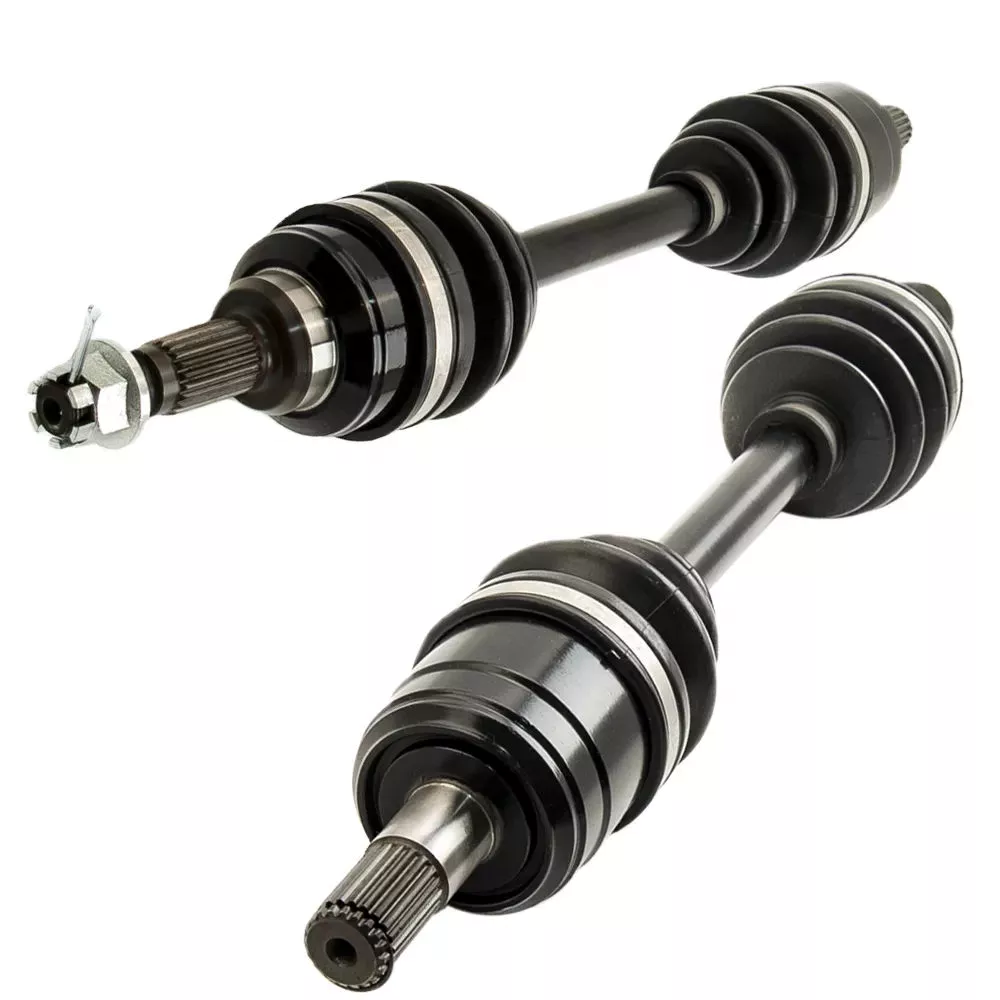
آیا میتوان شفتهای PTO را برای ماشینآلات خاص و نیازهای توانی خاص سفارشیسازی کرد؟
بله، شفتهای PTO (محور انتقال قدرت) را میتوان برای برآورده کردن نیازهای خاص ماشینآلات و توان کاربردهای مختلف سفارشیسازی کرد. تولیدکنندگان گزینههای سفارشیسازی را ارائه میدهند تا اطمینان حاصل شود که شفتهای PTO دقیقاً متناسب با منبع تغذیه، ماشینآلات محرک و کاربرد مورد نظر تنظیم شدهاند. در اینجا توضیح مفصلی در مورد نحوه سفارشیسازی شفتهای PTO ارائه شده است:
۱. طول شفت: شفتهای PTO را میتوان از نظر طول برای تطبیق با پیکربندیهای مختلف تجهیزات سفارشی کرد. طول شفت PTO برای اطمینان از همترازی و اتصال مناسب بین منبع تغذیه و ماشینآلات محرک بسیار مهم است. تولیدکنندگان میتوانند شفتهای PTO را با گزینههای طول قابل تنظیم یا ثابت ارائه دهند که امکان انعطافپذیری در برآورده کردن الزامات طول خاص را فراهم میکند. سفارشیسازی طول شفت تضمین میکند که شفت PTO به درستی با تجهیزات متناسب باشد، راندمان انتقال قدرت را بهینه کند و خطر عدم همترازی یا تنش بیش از حد را کاهش دهد.
۲. اندازههای اسپلاین: شفتهای PTO با اندازههای مختلف اسپلین برای مطابقت با شفتهای ورودی و خروجی تجهیزات مختلف موجود هستند. سفارشیسازی اندازه اسپلین به شفت PTO اجازه میدهد تا به طور یکپارچه به منبع تغذیه و ماشینآلات محرک متصل شود. تولیدکنندگان میتوانند پیکربندیهای مختلف اسپلین، مانند ۱-۳/۸ اینچ، ۱-۳/۴ اینچ یا اندازههای متریک را برای برآورده کردن نیازهای خاص ماشینآلات ارائه دهند. سفارشیسازی اندازه اسپلین، تناسب مناسب و اتصال ایمن را تضمین میکند و انتقال قدرت کارآمد را بدون نیاز به آداپتورها یا تغییرات اضافی امکانپذیر میسازد.
۳. طرحهای یوغ: شفتهای PTO را میتوان با طرحهای مختلف یوک سفارشیسازی کرد تا با نقاط اتصال روی منبع تغذیه و ماشینآلات محرک مطابقت داشته باشند. یوک قطعهای است که به شفت متصل شده و به تجهیزات متصل میشود. تولیدکنندگان میتوانند طرحهای مختلف یوک، مانند یوکهای گرد، مثلثی یا خاردار، را برای اطمینان از سازگاری با ماشینآلات خاص ارائه دهند. سفارشیسازی طرح یوک امکان اتصال ایمن و قابل اعتماد را فراهم میکند، شفت PTO را با شفتهای ورودی/خروجی تجهیزات همتراز میکند و راندمان انتقال قدرت را بهینه میسازد.
۴. رتبهبندی گشتاور: شفتهای PTO را میتوان برای برآورده کردن نیازهای گشتاور خاص بر اساس تقاضای توان مورد نیاز در کاربرد، سفارشیسازی کرد. گشتاور، نیروی چرخشی است که شفت PTO باید از منبع تغذیه به ماشینآلات محرک منتقل کند. تولیدکنندگان میتوانند شفتهای PTO را با رتبهبندیهای گشتاور مختلف با استفاده از مواد، ابعاد و تکنیکهای تقویت مناسب طراحی کنند. سفارشیسازی رتبهبندی گشتاور تضمین میکند که شفت PTO میتواند با خیال راحت و قابل اعتماد، سطوح توان مورد نیاز را بدون سایش یا خرابی زودرس، مدیریت کند.
۵. مکانیسمهای اتصال: شفتهای PTO را میتوان با مکانیزمهای کوپلینگ مختلف سفارشیسازی کرد تا با الزامات اتصال تجهیزات خاص مطابقت داشته باشند. مکانیزمهای کوپلینگ وسیلهای هستند که شفت PTO از طریق آن به منبع تغذیه و ماشینآلات محرک متصل و جدا میشود. تولیدکنندگان میتوانند گزینههای کوپلینگ مختلفی مانند کوپلینگهای سریع رهاشونده، کوپلینگهای پین برشی یا کوپلینگهای قفل مکانیکی را برای تطبیق با طرحهای مختلف ماشینآلات و نیازهای عملیاتی ارائه دهند. سفارشیسازی مکانیزم کوپلینگ، سهولت استفاده، اتصال ایمن و جداسازی سریع در صورت لزوم را تضمین میکند.
۶. ویژگیهای حفاظتی: شفتهای PTO را میتوان با ویژگیهای حفاظتی اضافی سفارشی کرد تا ایمنی و دوام آنها افزایش یابد. این ویژگیها ممکن است شامل محافظهای محافظ، پوششهای ایمنی یا کلاچهای لغزشی باشد. محافظهای محافظ و پوششهای ایمنی با محصور کردن شفت چرخان و جلوگیری از تماس تصادفی، محافظت فیزیکی ایجاد میکنند و خطر آسیبدیدگی را کاهش میدهند. کلاچهای لغزشی با اجازه دادن به شفت PTO برای لغزش یا جدا شدن در هنگام مواجهه با گشتاور یا مقاومت بیش از حد، محافظت در برابر اضافه بار را ارائه میدهند و از آسیب به شفت و تجهیزات مرتبط جلوگیری میکنند. سفارشیسازی ویژگیهای حفاظتی، رعایت مقررات ایمنی را تضمین میکند و الزامات ایمنی خاص ماشینآلات یا کاربرد را برآورده میسازد.
۷. انتخاب مواد: شفتهای PTO را میتوان با مواد مختلف و بر اساس نیازهای کاربردی سفارشیسازی کرد. تولیدکنندگان میتوانند طیف وسیعی از مواد مانند فولاد، آلومینیوم یا مواد کامپوزیتی را با استحکام، وزن و خواص مقاومت در برابر خوردگی متفاوت ارائه دهند. سفارشیسازی انتخاب مواد، امکان بهینهسازی عملکرد شفت PTO را با در نظر گرفتن عواملی مانند شرایط عملیاتی، قرار گرفتن در معرض محیط زیست و محدودیتهای وزنی فراهم میکند.
با ارائه گزینههای سفارشیسازی مانند طول شفت، اندازههای اسپلین، طرحهای یوک، رتبهبندی گشتاور، مکانیسمهای کوپلینگ، ویژگیهای حفاظتی و انتخاب مواد، تولیدکنندگان میتوانند اطمینان حاصل کنند که شفتهای PTO به طور خاص برای برآورده کردن نیازهای ماشینآلات و توان کاربردهای مختلف طراحی شدهاند. شفتهای PTO سفارشی، ادغام یکپارچه، انتقال توان کارآمد و عملکرد قابل اعتماد را تسهیل میکنند و عملکرد و بهرهوری کلی تجهیزات را افزایش میدهند.

Can you explain the different types of PTO shafts and their applications?
PTO shafts (Power Take-Off shafts) come in various types, each designed for specific applications and requirements. The different types of PTO shafts offer versatility and compatibility with a wide range of machinery and implements. Here’s an explanation of the most common types of PTO shafts and their applications:
1. Standard PTO Shaft: The standard PTO shaft, also known as a splined shaft, is the most common type used in agricultural and industrial machinery. It consists of a solid steel shaft with splines or grooves along its length. The standard PTO shaft typically has six splines, although variations with four or eight splines can be found. This type of PTO shaft is widely used in tractors and various implements, including mowers, balers, tillers, and rotary cutters. The splines provide a secure connection between the power source and the driven machinery, ensuring efficient power transfer.
2. Shear Bolt PTO Shaft: Shear bolt PTO shafts are designed with a safety feature that allows the shaft to separate in case of overload or sudden shock to protect the driveline components. These PTO shafts incorporate a shear bolt mechanism that connects the tractor’s power take-off to the driven machinery. In the event of excessive load or sudden resistance, the shear bolt is designed to break, disconnecting the PTO shaft and preventing damage to the driveline. Shear bolt PTO shafts are commonly used in equipment that may encounter sudden obstructions or high-stress situations, such as wood chippers, stump grinders, and heavy-duty rotary cutters.
3. Friction Clutch PTO Shaft: Friction clutch PTO shafts feature a clutch mechanism that allows for smooth engagement and disengagement of the power transfer. These PTO shafts typically incorporate a friction disc and a pressure plate, similar to a traditional vehicle clutch system. The friction clutch allows operators to gradually engage or disengage the power transfer, reducing shock loads and minimizing wear on the driveline components. Friction clutch PTO shafts are commonly used in applications where precise control of power engagement is required, such as in hydraulic pumps, generators, and industrial mixers.
4. Constant Velocity (CV) PTO Shaft: Constant Velocity (CV) PTO shafts, also known as homokinetic shafts, are designed to accommodate high angles of misalignment without affecting power transmission. They use a universal joint mechanism that allows for smooth power transfer even when the driven machinery is at an angle relative to the power source. CV PTO shafts are frequently used in applications where the machinery requires a significant range of movement or articulation, such as in articulated loaders, telescopic handlers, and self-propelled sprayers.
5. Telescopic PTO Shaft: Telescopic PTO shafts are adjustable in length, allowing for flexibility in equipment configuration and varying distances between the power source and the driven machinery. They consist of two or more concentric shafts that slide within each other, providing the ability to extend or retract the PTO shaft as needed. Telescopic PTO shafts are commonly used in applications where the distance between the tractor’s power take-off and the implement varies, such as in front-mounted implements, snow blowers, and self-loading wagons. The telescopic design enables easy adaptation to different equipment setups and minimizes the risk of the PTO shaft dragging on the ground.
6. Gearbox PTO Shaft: Gearbox PTO shafts are designed to adapt power transmission between different rotational speeds or directions. They incorporate a gearbox mechanism that allows for speed reduction or increase, as well as the ability to change rotational direction. Gearbox PTO shafts are commonly used in applications where the driven machinery requires a different speed or rotational direction than the tractor’s power take-off. Examples include grain augers, feed mixers, and industrial equipment that requires specific speed ratios or reversing capabilities.
It’s important to note that the availability and specific applications of PTO shaft types may vary based on regional and industry-specific factors. Additionally, certain machinery or implements may require specialized or custom PTO shafts to meet specific requirements.
In summary, the different types of PTO shafts, such as standard, shear bolt, friction clutch, constant velocity (CV), telescopic, and gearbox shafts, offer versatility and compatibility with various machinery and implements. Each type of PTO shaft is designed to address specific needs, such as power transfer efficiency, safety, smooth engagement, misalignment tolerance, adaptability, and speed/direction adjustment. Understanding the different types of PTO shafts and their applications is crucial for selecting the appropriate shaft forthe intended machinery and ensuring optimal performance and reliability.

editor by CX 2024-01-19