Description du produit
SWC Series-Medium-Duty Designs Cardan shaft
Designs
Data and Sizes of SWC Series Universal Joint Couplings
| Type | Design Data Item |
SWC160 | SWC180 | SWC200 | SWC225 | SWC250 | SWC265 | SWC285 | SWC315 | SWC350 | SWC390 | SWC440 | SWC490 | SWC550 | SWC620 |
| A | L | 740 | 800 | 900 | 1000 | 1060 | 1120 | 1270 | 1390 | 1520 | 1530 | 1690 | 1850 | 2060 | 2280 |
| LV | 100 | 100 | 120 | 140 | 140 | 140 | 140 | 140 | 150 | 170 | 190 | 190 | 240 | 250 | |
| M(kg) | 65 | 83 | 115 | 152 | 219 | 260 | 311 | 432 | 610 | 804 | 1122 | 1468 | 2154 | 2830 | |
| B | L | 480 | 530 | 590 | 640 | 730 | 790 | 840 | 930 | 100 | 1571 | 1130 | 1340 | 1400 | 1520 |
| M(kg) | 44 | 60 | 85 | 110 | 160 | 180 | 226 | 320 | 440 | 590 | 820 | 1090 | 1560 | 2100 | |
| C | L | 380 | 420 | 480 | 500 | 560 | 600 | 640 | 720 | 782 | 860 | 1040 | 1080 | 1220 | 1360 |
| M(kg) | 35 | 48 | 66 | 90 | 130 | 160 | 189 | 270 | 355 | 510 | 780 | 970 | 1330 | 1865 | |
| D | L | 520 | 580 | 620 | 690 | 760 | 810 | 860 | 970 | 1030 | 1120 | 1230 | 1360 | 1550 | 1720 |
| M(kg) | 48 | 65 | 90 | 120 | 173 | 220 | 250 | 355 | 485 | 665 | 920 | 1240 | 1765 | 2390 | |
| E | L | 800 | 850 | 940 | 1050 | 1120 | 1180 | 1320 | 1440 | 1550 | 1710 | 1880 | 2050 | 2310 | 2540 |
| LV | 100 | 100 | 120 | 140 | 140 | 140 | 140 | 140 | 150 | 170 | 190 | 190 | 240 | 250 | |
| M(kg) | 70 | 92 | 126 | 165 | 238 | 280 | 340 | 472 | 660 | 886 | 1230 | 1625 | 2368 | 3135 | |
| Tn(kN·m) | 16 | 22.4 | 31.5 | 40 | 63 | 80 | 90 | 125 | 180 | 250 | 355 | 500 | 710 | 1000 | |
| TF(kN·m) | 8 | 11.2 | 16 | 20 | 31.5 | 40 | 45 | 63 | 90 | 125 | 180 | 250 | 355 | 500 | |
| Β(°) | 15 | 15 | 15 | 15 | 15 | 15 | 15 | 15 | 15 | 15 | 15 | 15 | 15 | 15 | |
| D | 160 | 180 | 200 | 225 | 250 | 265 | 285 | 315 | 350 | 390 | 440 | 490 | 550 | 620 | |
| Df | 160 | 180 | 200 | 225 | 250 | 265 | 285 | 315 | 350 | 3690 | 440 | 490 | 550 | 620 | |
| D1 | 137 | 155 | 170 | 196 | 218 | 233 | 245 | 280 | 310 | 345 | 390 | 435 | 492 | 555 | |
| D2(H9) | 100 | 105 | 120 | 135 | 150 | 160 | 170 | 185 | 210 | 235 | 255 | 275 | 320 | 380 | |
| D3 | 108 | 114 | 140 | 159 | 168 | 180 | 194 | 219 | 245 | 273 | 299 | 325 | 402 | 426 | |
| Lm | 95 | 105 | 110 | 125 | 140 | 150 | 160 | 180 | 195 | 215 | 260 | 270 | 305 | 340 | |
| K | 16 | 17 | 18 | 20 | 25 | 25 | 27 | 32 | 35 | 40 | 42 | 47 | 50 | 55 | |
| T | 4 | 5 | 5 | 5 | 6 | 6 | 7 | 8 | 8 | 8 | 10 | 12 | 12 | 12 | |
| N | 8 | 8 | 8 | 8 | 8 | 8 | 8 | 10 | 10 | 10 | 16 | 16 | 16 | 16 | |
| D | 15 | 17 | 17 | 17 | 19 | 19 | 21 | 23 | 23 | 25 | 28 | 31 | 31 | 38 | |
| B | 20 | 24 | 32 | 32 | 40 | 40 | 40 | 40 | 50 | 70 | 80 | 90 | 100 | 100 | |
| G | 6.0 | 7.0 | 9.0 | 9.0 | 12.5 | 12.5 | 12.5 | 15.0 | 16.0 | 18.0 | 20.0 | 22.5 | 22.5 | 25 | |
| MI(Kg) | 2.57 | 3 | 3.85 | 3.85 | 5.17 | 6 | 6.75 | 8.25 | 10.6 | 13 | 18.50 | 23.75 | 29.12 | 38.08 | |
| Size | M14 | M16 | M16 | M16 | M18 | M18 | M20 | M22 | M22 | M24 | M27 | M30 | M30 | M36 | |
| Tightening torque(Nm) | 180 | 270 | 270 | 270 | 372 | 372 | 526 | 710 | 710 | 906 | 1340 | 1820 | 1820 | 3170 |
1. Notations:
L=Standard length, or compressed length for designs with length compensation;
LV=Length compensation;
M=Weight;
Tn=Nominal torque(Yield torque 50% over Tn);
TF=Fatigue torque, I. E. Permissible torque as determined according to the fatigue strength
Under reversing loads;
β=Maximum deflection angle;
MI=weight per 100mm tube
2. Millimeters are used as measurement units except where noted;
3. Please consult us for customizations regarding length, length compensation and
Flange connections.
(DIN or SAT etc. )
| Matériel: | Acier allié |
|---|---|
| Charger: | Cardan Shaft |
| Rigidité et flexibilité : | Flexible Shaft |
| Précision dimensionnelle du diamètre du tourillon : | IT6-IT9 |
| Forme de l'axe : | Arbre droit |
| Forme de la tige : | Hollow Axis |
| Personnalisation : |
Disponible
| Demande personnalisée |
|---|
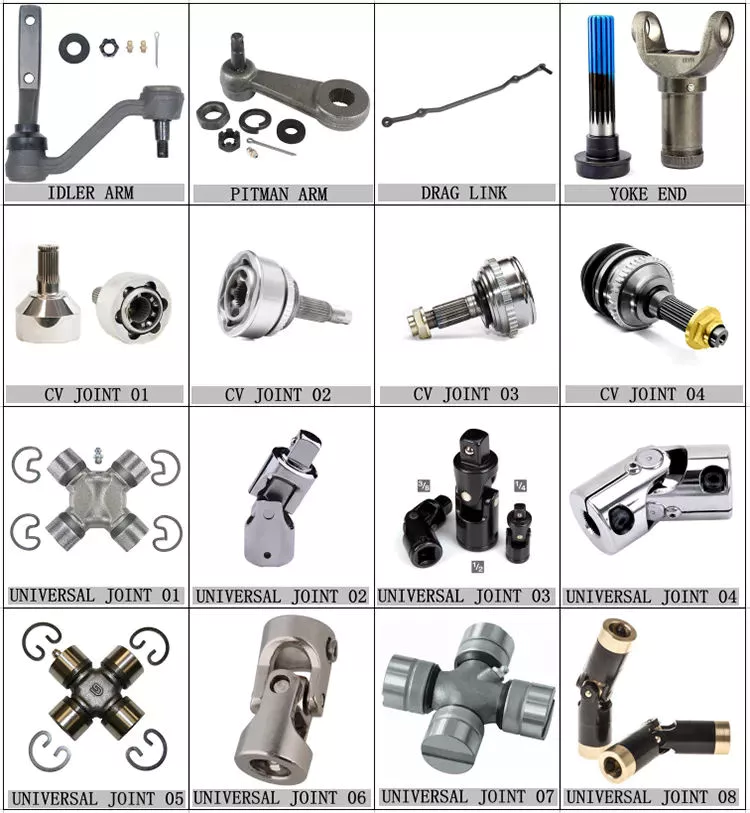
Les arbres de prise de force peuvent-ils être adaptés à une utilisation à la fois agricole et industrielle ?
Oui, les arbres de prise de force (PDF) peuvent être adaptés à une utilisation aussi bien agricole qu'industrielle. Bien que généralement associés aux machines agricoles, les arbres de prise de force sont des composants polyvalents qui peuvent être utilisés dans diverses applications hors du secteur agricole. Avec les modifications et les précautions appropriées, les arbres de prise de force peuvent également transmettre efficacement la puissance dans un contexte industriel. Voici une explication détaillée de la manière dont les arbres de prise de force peuvent être adaptés à une utilisation agricole et industrielle :
1. Conception standard de l'arbre de prise de force : Les arbres de prise de force (PDF) présentent une conception standardisée qui garantit leur compatibilité et leur interchangeabilité entre différents équipements et machines. Cette standardisation permet leur utilisation dans diverses applications, tant agricoles qu'industrielles. Les composants de base d'un arbre de PDF, tels que les joints de cardan, les cannelures et les protections, restent identiques quelle que soit l'application. Cette constance facilite leur adaptation et leur intégration à différentes machines et équipements.
2. Longueur et dimensionnement de la tige : Les arbres de prise de force (PDF) peuvent être personnalisés en termes de longueur et de dimensions afin de répondre aux exigences spécifiques des secteurs agricole et industriel. La longueur de l'arbre peut être ajustée pour s'adapter aux différentes distances entre la source d'énergie et la machine entraînée. Cette flexibilité permet une transmission de puissance optimale et garantit la compatibilité avec diverses configurations d'équipements. De même, les dimensions de l'arbre de PDF, notamment le diamètre et les spécifications de l'arbre cannelé, peuvent être adaptées aux besoins en couple et en puissance des différentes applications, que ce soit en agriculture ou dans l'industrie.
3. Besoins en énergie : Les arbres de prise de force (PDF) sont conçus pour transmettre la puissance d'une source d'énergie à une machine entraînée. En agriculture, cette source est généralement un tracteur ou un autre véhicule agricole, tandis qu'en milieu industriel, il peut s'agir d'un moteur thermique, d'un moteur électrique ou d'un groupe électrogène spécifique au secteur. Les arbres de prise de force peuvent être adaptés à différents besoins en puissance en tenant compte de facteurs tels que le couple admissible, la vitesse de rotation et les exigences spécifiques de la machine ou de l'équipement entraîné. En choisissant l'arbre de prise de force approprié en fonction des besoins en puissance, on assure une transmission efficace de la puissance, aussi bien en agriculture qu'en industrie.
4. Considérations relatives à la sécurité : La sécurité est un aspect crucial de la conception et de l'utilisation des arbres de prise de force (PDF), quelle que soit l'application. Les arbres de PDF intègrent des dispositifs de sécurité, tels que des protections et des écrans, afin de prévenir tout contact accidentel avec les composants rotatifs. Ces mesures de sécurité sont essentielles dans les secteurs agricole et industriel pour minimiser les risques d'enchevêtrement, de blessure ou de dommage. L'adaptation des arbres de PDF à un usage industriel peut nécessiter des mesures de sécurité supplémentaires, compte tenu des risques spécifiques présents dans les environnements industriels. Toutefois, les principes et caractéristiques de sécurité fondamentaux des arbres de PDF peuvent être appliqués et adaptés pour garantir un fonctionnement sûr dans les deux contextes.
5. Accessoires spécialisés : Les arbres de prise de force (PDF) peuvent être équipés d'accessoires ou d'adaptateurs spécifiques pour s'adapter à différentes machines ou équipements entraînés. En agriculture, les arbres de PDF sont généralement utilisés pour connecter des outils tels que des faucheuses, des presses à balles ou des pulvérisateurs. Dans le secteur industriel, ils peuvent être adaptés pour se connecter à diverses machines industrielles, notamment des pompes, des générateurs, des compresseurs ou des convoyeurs. Ces accessoires spécifiques garantissent la compatibilité et un transfert de puissance efficace entre l'arbre de PDF et l'équipement entraîné, permettant ainsi une intégration optimale dans les applications agricoles et industrielles.
6. Considérations environnementales : Les arbres de prise de force peuvent être adaptés aux conditions environnementales spécifiques des secteurs agricole et industriel. Par exemple, en agriculture, ils doivent résister à la saleté, à la poussière, à l'humidité et aux intempéries. En milieu industriel, ils peuvent présenter des contraintes environnementales particulières, telles que l'exposition à des produits chimiques, à des températures élevées ou à des matériaux abrasifs. En choisissant des matériaux, des revêtements protecteurs et des joints d'étanchéité adaptés à l'environnement, on peut garantir des performances fiables et durables dans divers contextes.
7. Conformité aux normes : Les arbres de prise de force, qu'ils soient utilisés en agriculture ou dans l'industrie, doivent être conformes aux normes et réglementations de sécurité en vigueur. Les fabricants respectent les directives et exigences établies par des organismes tels que l'ASABE (American Society of Agricultural and Biological Engineers) ou d'autres autorités régionales de sécurité. Cette conformité garantit que les arbres de prise de force répondent aux critères de sécurité et aux normes de performance applicables aux environnements agricoles et industriels. Les utilisateurs peuvent ainsi compter sur des arbres de prise de force normalisés, ayant subi des tests et une certification, ce qui leur assure fiabilité et sécurité.
Compte tenu des facteurs mentionnés ci-dessus, les arbres de prise de force peuvent être adaptés pour transmettre efficacement la puissance dans les secteurs agricole et industriel. Leur polyvalence, associée aux options de personnalisation, aux considérations de sécurité, aux accessoires spécialisés et à la conformité aux normes, permet leur intégration réussie dans une vaste gamme de machines et d'équipements, et ce, dans divers secteurs d'activité.
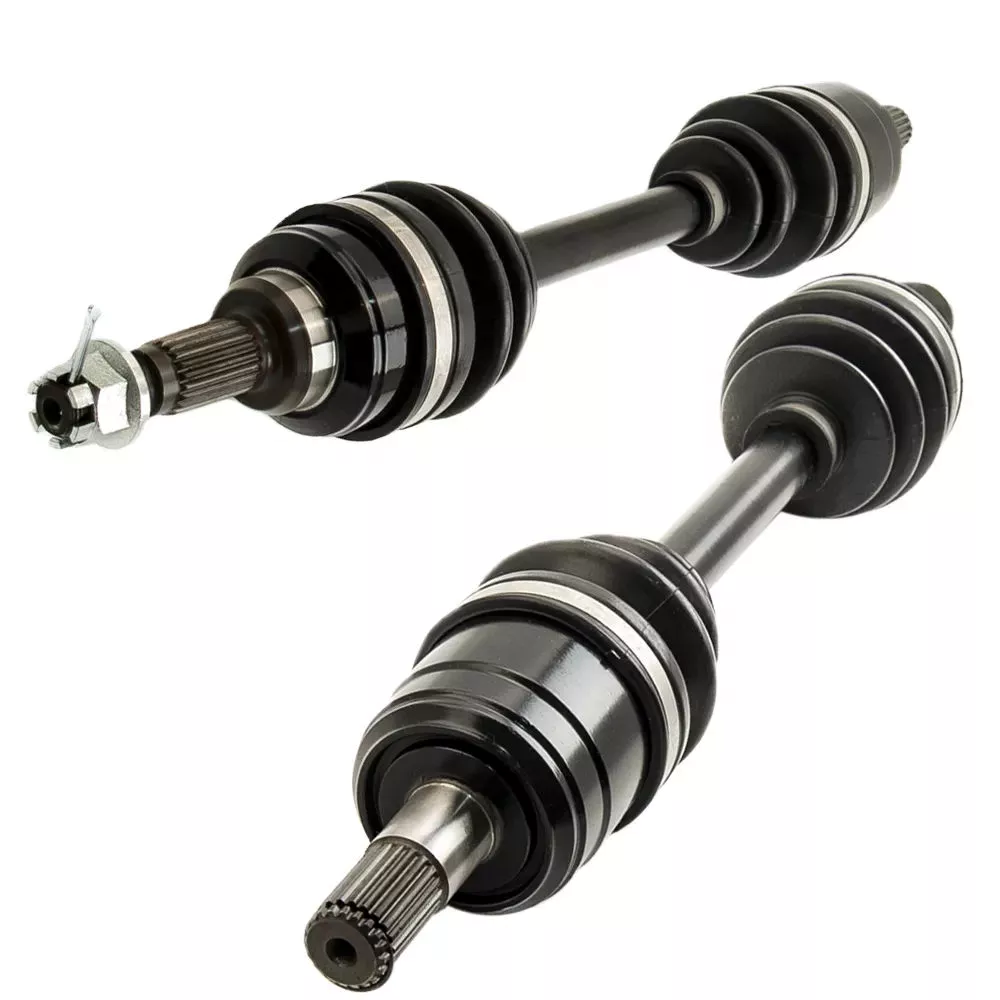
Can PTO shafts be customized for specific machinery and power requirements?
Yes, PTO (Power Take-Off) shafts can be customized to meet the specific machinery and power requirements of different applications. Manufacturers offer customization options to ensure that PTO shafts are precisely tailored to the power source, driven machinery, and the intended application. Here’s a detailed explanation of how PTO shafts can be customized:
1. Shaft Length: PTO shafts can be customized in terms of length to accommodate different equipment configurations. The length of the PTO shaft is critical to ensure proper alignment and connection between the power source and driven machinery. Manufacturers can provide PTO shafts with adjustable or fixed-length options, allowing for flexibility in meeting specific length requirements. Customizing the shaft length ensures that the PTO shaft fits the equipment properly, optimizing power transfer efficiency and reducing the risk of misalignment or excessive stress.
2. Spline Sizes: PTO shafts are available with different spline sizes to match the input and output shafts of various equipment. Spline size customization allows the PTO shaft to seamlessly connect to the power source and driven machinery. Manufacturers can offer different spline configurations, such as 1-3/8 inch, 1-3/4 inch, or metric sizes, to accommodate specific machinery requirements. Customizing the spline size ensures a proper fit and secure connection, enabling efficient power transfer without the need for additional adapters or modifications.
3. Yoke Designs: PTO shafts can be customized with different yoke designs to match the connection points on the power source and driven machinery. The yoke is the component that attaches to the shaft and connects to the equipment. Manufacturers can provide various yoke designs, such as round, triangular, or splined yokes, to ensure compatibility with specific machinery. Customizing the yoke design allows for a secure and reliable connection, aligning the PTO shaft with the equipment’s input/output shafts and optimizing power transmission efficiency.
4. Torque Ratings: PTO shafts can be customized to handle specific torque requirements based on the power demands of the application. Torque is the rotational force that the PTO shaft needs to transmit from the power source to the driven machinery. Manufacturers can design PTO shafts with different torque ratings by using appropriate materials, dimensions, and reinforcement techniques. Customizing the torque rating ensures that the PTO shaft can safely and reliably handle the required power levels without premature wear or failure.
5. Coupling Mechanisms: PTO shafts can be customized with different coupling mechanisms to match the connection requirements of specific equipment. Coupling mechanisms are the means by which the PTO shaft connects and disconnects from the power source and driven machinery. Manufacturers can provide various coupling options, such as quick-release couplings, shear pin couplings, or mechanical lock couplings, to accommodate different machinery designs and operational needs. Customizing the coupling mechanism ensures ease of use, secure attachment, and quick disengagement when necessary.
6. Protective Features: PTO shafts can be customized with additional protective features to enhance safety and durability. These features may include guard shields, safety covers, or slip clutches. Guard shields and safety covers provide physical protection by enclosing the rotating shaft and preventing accidental contact, reducing the risk of injuries. Slip clutches offer overload protection by allowing the PTO shaft to slip or disengage when excessive torque or resistance is encountered, preventing damage to the shaft and associated equipment. Customizing the protective features ensures compliance with safety regulations and addresses specific safety requirements of the machinery or application.
7. Material Selection: PTO shafts can be customized with different materials based on the application’s demands. Manufacturers can offer a range of material options, such as steel, aluminum, or composite materials, with varying strength, weight, and corrosion resistance properties. Customizing the material selection allows for optimizing the PTO shaft’s performance, considering factors like operating conditions, environmental exposure, and weight restrictions.
By providing customization options such as shaft length, spline sizes, yoke designs, torque ratings, coupling mechanisms, protective features, and material selection, manufacturers can ensure that PTO shafts are specifically tailored to meet the machinery and power requirements of different applications. Customized PTO shafts facilitate seamless integration, efficient power transfer, and reliable operation, enhancing the overall performance and productivity of the equipment.

What is a PTO shaft and how is it used in agricultural and industrial equipment?
A power take-off (PTO) shaft is a mechanical component used in agricultural and industrial equipment to transfer power from a power source, such as an engine or motor, to another machine or implement. It is a driveline shaft that transmits rotational power and torque, allowing the connected equipment to perform various tasks. PTO shafts are commonly used in agricultural machinery, such as tractors, as well as in industrial equipment, including generators, pumps, and construction machinery. Here’s a detailed explanation of what a PTO shaft is and how it is used:
Structure and Components: A typical PTO shaft consists of a hollow metal tube with universal joints at each end. The hollow tube allows the shaft to rotate freely, while the universal joints accommodate angular misalignments between the power source and the driven equipment. The universal joints consist of a cross-shaped yoke with needle bearings, providing flexibility and allowing the transmission of power at varying angles. Some PTO shafts may also include a telescopic section to adjust the length for different equipment setups or to accommodate varying distances between the power source and the driven machine.
Power Transfer: The primary function of a PTO shaft is to transfer power and torque from the power source to the driven equipment. The power source, typically an engine or motor, drives the PTO shaft through a mechanical connection, such as a gearbox or a clutch. As the power source rotates, it transmits rotational force to the PTO shaft. The PTO shaft, in turn, transfers this rotational power and torque to the driven equipment, enabling it to perform its intended function. The torque and rotational speed transmitted through the PTO shaft depend on the power source’s characteristics and the gear ratio or clutch engagement.
Agricultural Applications: In agriculture, PTO shafts are commonly used in tractors to power various implements and attachments. The PTO shaft is connected to the tractor’s power take-off, a rotating drive shaft located at the rear of the tractor. By engaging the PTO clutch, the tractor’s engine power is transferred through the PTO shaft to the attached implements. Agricultural machinery, such as mowers, balers, tillers, sprayers, and grain augers, often rely on PTO shafts to receive power for their operation. The PTO shaft allows the implements to be powered directly by the tractor’s engine, eliminating the need for separate power sources and increasing the versatility and efficiency of agricultural operations.
Industrial Applications: PTO shafts also find extensive use in various industrial applications. Industrial equipment, such as generators, pumps, compressors, and industrial mixers, often incorporate PTO shafts to receive power from engines or electric motors. The PTO shaft connects the power source to the driven equipment, allowing it to operate and perform its intended function. In construction machinery, PTO shafts can be found in equipment like concrete mixers, hydraulic hammers, and post hole diggers, enabling the transfer of power from the machinery’s engine to the specific attachment or tool being used.
Safety Considerations: It is important to note that PTO shafts can pose safety risks if not handled properly. The rotating shaft can cause serious injuries if operators come into contact with it while it is in operation. To ensure safety, PTO shafts are often equipped with shielding or guards that cover the rotating shaft and universal joints, preventing accidental contact. It is crucial to maintain and inspect these safety features regularly to ensure their effectiveness. Additionally, operators should receive proper training on PTO shaft operation, including safe attachment and detachment procedures, as well as the use of personal protective equipment when working near PTO-driven machinery.
In summary, a PTO shaft is a mechanical component used in agricultural and industrial equipment to transmit power and torque from a power source to a driven machine or implement. It enables the direct power transfer from engines or motors to various equipment, increasing efficiency and versatility in agricultural and industrial operations. While PTO shafts offer significant benefits, operators must be aware of the associated safety considerations and take appropriate precautions to prevent accidents and injuries.


editor by CX 2023-12-04