Descrição do produto
SWC Series-Medium-Duty Designs Cardan shaft
Designs
Data and Sizes of SWC Series Universal Joint Couplings
| Type | Design Data Item |
SWC160 | SWC180 | SWC200 | SWC225 | SWC250 | SWC265 | SWC285 | SWC315 | SWC350 | SWC390 | SWC440 | SWC490 | SWC550 | SWC620 |
| UM | L | 740 | 800 | 900 | 1000 | 1060 | 1120 | 1270 | 1390 | 1520 | 1530 | 1690 | 1850 | 2060 | 2280 |
| LV | 100 | 100 | 120 | 140 | 140 | 140 | 140 | 140 | 150 | 170 | 190 | 190 | 240 | 250 | |
| M(kg) | 65 | 83 | 115 | 152 | 219 | 260 | 311 | 432 | 610 | 804 | 1122 | 1468 | 2154 | 2830 | |
| B | L | 480 | 530 | 590 | 640 | 730 | 790 | 840 | 930 | 100 | 1571 | 1130 | 1340 | 1400 | 1520 |
| M(kg) | 44 | 60 | 85 | 110 | 160 | 180 | 226 | 320 | 440 | 590 | 820 | 1090 | 1560 | 2100 | |
| C | L | 380 | 420 | 480 | 500 | 560 | 600 | 640 | 720 | 782 | 860 | 1040 | 1080 | 1220 | 1360 |
| M(kg) | 35 | 48 | 66 | 90 | 130 | 160 | 189 | 270 | 355 | 510 | 780 | 970 | 1330 | 1865 | |
| D | L | 520 | 580 | 620 | 690 | 760 | 810 | 860 | 970 | 1030 | 1120 | 1230 | 1360 | 1550 | 1720 |
| M(kg) | 48 | 65 | 90 | 120 | 173 | 220 | 250 | 355 | 485 | 665 | 920 | 1240 | 1765 | 2390 | |
| E | L | 800 | 850 | 940 | 1050 | 1120 | 1180 | 1320 | 1440 | 1550 | 1710 | 1880 | 2050 | 2310 | 2540 |
| LV | 100 | 100 | 120 | 140 | 140 | 140 | 140 | 140 | 150 | 170 | 190 | 190 | 240 | 250 | |
| M(kg) | 70 | 92 | 126 | 165 | 238 | 280 | 340 | 472 | 660 | 886 | 1230 | 1625 | 2368 | 3135 | |
| Tn(kN·m) | 16 | 22.4 | 31.5 | 40 | 63 | 80 | 90 | 125 | 180 | 250 | 355 | 500 | 710 | 1000 | |
| TF(kN·m) | 8 | 11.2 | 16 | 20 | 31.5 | 40 | 45 | 63 | 90 | 125 | 180 | 250 | 355 | 500 | |
| Β(°) | 15 | 15 | 15 | 15 | 15 | 15 | 15 | 15 | 15 | 15 | 15 | 15 | 15 | 15 | |
| D | 160 | 180 | 200 | 225 | 250 | 265 | 285 | 315 | 350 | 390 | 440 | 490 | 550 | 620 | |
| Df | 160 | 180 | 200 | 225 | 250 | 265 | 285 | 315 | 350 | 3690 | 440 | 490 | 550 | 620 | |
| D1 | 137 | 155 | 170 | 196 | 218 | 233 | 245 | 280 | 310 | 345 | 390 | 435 | 492 | 555 | |
| D2(H9) | 100 | 105 | 120 | 135 | 150 | 160 | 170 | 185 | 210 | 235 | 255 | 275 | 320 | 380 | |
| D3 | 108 | 114 | 140 | 159 | 168 | 180 | 194 | 219 | 245 | 273 | 299 | 325 | 402 | 426 | |
| Lm | 95 | 105 | 110 | 125 | 140 | 150 | 160 | 180 | 195 | 215 | 260 | 270 | 305 | 340 | |
| K | 16 | 17 | 18 | 20 | 25 | 25 | 27 | 32 | 35 | 40 | 42 | 47 | 50 | 55 | |
| T | 4 | 5 | 5 | 5 | 6 | 6 | 7 | 8 | 8 | 8 | 10 | 12 | 12 | 12 | |
| N | 8 | 8 | 8 | 8 | 8 | 8 | 8 | 10 | 10 | 10 | 16 | 16 | 16 | 16 | |
| D | 15 | 17 | 17 | 17 | 19 | 19 | 21 | 23 | 23 | 25 | 28 | 31 | 31 | 38 | |
| B | 20 | 24 | 32 | 32 | 40 | 40 | 40 | 40 | 50 | 70 | 80 | 90 | 100 | 100 | |
| G | 6.0 | 7.0 | 9.0 | 9.0 | 12.5 | 12.5 | 12.5 | 15.0 | 16.0 | 18.0 | 20.0 | 22.5 | 22.5 | 25 | |
| MI(Kg) | 2.57 | 3 | 3.85 | 3.85 | 5.17 | 6 | 6.75 | 8.25 | 10.6 | 13 | 18.50 | 23.75 | 29.12 | 38.08 | |
| Size | M14 | M16 | M16 | M16 | M18 | M18 | M20 | M22 | M22 | M24 | M27 | M30 | M30 | M36 | |
| Tightening torque(Nm) | 180 | 270 | 270 | 270 | 372 | 372 | 526 | 710 | 710 | 906 | 1340 | 1820 | 1820 | 3170 |
1. Notations:
L=Standard length, or compressed length for designs with length compensation;
LV=Length compensation;
M=Weight;
Tn=Nominal torque(Yield torque 50% over Tn);
TF=Fatigue torque, I. E. Permissible torque as determined according to the fatigue strength
Under reversing loads;
β=Maximum deflection angle;
MI=weight per 100mm tube
2. Millimeters are used as measurement units except where noted;
3. Please consult us for customizations regarding length, length compensation and
Flange connections.
(DIN or SAT etc. )
| Material: | Liga de aço |
|---|---|
| Carregar: | Cardan Shaft |
| Rigidez e flexibilidade: | Eixo flexível |
| Precisão dimensional do diâmetro do munhão: | IT6-IT9 |
| Formato do eixo: | Eixo reto |
| Formato do eixo: | Eixo Oco |
| Personalização: |
Disponível
| Solicitação personalizada |
|---|
Os eixos de tomada de força (TDF) podem ser adaptados para uso tanto em ambientes agrícolas quanto industriais?
Sim, os eixos de tomada de força (TDF) podem ser adaptados para uso tanto em ambientes agrícolas quanto industriais. Embora os eixos de TDF sejam comumente associados a máquinas agrícolas, eles são componentes versáteis que podem ser utilizados em diversas aplicações além do setor agrícola. Com as devidas modificações e considerações, os eixos de TDF podem transmitir potência com eficiência também em ambientes industriais. Aqui está uma explicação detalhada de como os eixos de TDF podem ser adaptados para uso agrícola e industrial:
1. Projeto padrão do eixo da tomada de força (PTO): Os eixos de tomada de força (TDF) possuem um design padronizado que permite compatibilidade e intercambialidade entre diferentes equipamentos e máquinas. Essa padronização possibilita o uso dos eixos de TDF em diversas aplicações, incluindo ambientes agrícolas e industriais. Os componentes básicos de um eixo de TDF, como juntas universais, eixos estriados e proteções, permanecem consistentes, independentemente da aplicação específica. Essa consistência facilita a adaptação e a integração em diferentes máquinas e equipamentos.
2. Comprimento e Dimensionamento da Haste: Os eixos da tomada de força (TDF) podem ser personalizados em termos de comprimento e dimensões para atender a requisitos específicos em ambientes agrícolas e industriais. O comprimento do eixo pode ser ajustado para acomodar diferentes distâncias entre a fonte de energia e a máquina acionada. Essa flexibilidade permite uma transmissão de potência ideal e garante a compatibilidade com diversas configurações de equipamentos. Da mesma forma, as dimensões do eixo da TDF, incluindo o diâmetro e as especificações do eixo estriado, podem ser adaptadas para atender aos requisitos de torque e potência de diferentes aplicações, seja na agricultura ou na indústria.
3. Requisitos de energia: Os eixos de tomada de força (TDF) são projetados para transferir potência de uma fonte de energia para máquinas acionadas. Em aplicações agrícolas, a fonte de energia geralmente é um trator ou outros veículos agrícolas, enquanto em aplicações industriais, pode ser um motor, um motor elétrico ou uma unidade de potência específica do setor. Os eixos de TDF podem ser adaptados para atender a diferentes requisitos de potência, considerando fatores como capacidade de torque, velocidade de rotação e as demandas específicas da máquina ou equipamento acionado. Ao selecionar o eixo de TDF apropriado com base nos requisitos de potência, o eixo pode transferir potência de forma eficaz tanto em aplicações agrícolas quanto industriais.
4. Considerações de segurança: A segurança é um aspecto crítico no projeto e uso de eixos de tomada de força (TDF), independentemente da aplicação. Os eixos de TDF incorporam recursos de segurança, como proteções e blindagens, para evitar o contato acidental com componentes rotativos. Essas medidas de segurança são essenciais em ambientes agrícolas e industriais para minimizar o risco de emaranhamento, lesões ou danos. A adaptação de eixos de TDF para uso industrial pode exigir considerações de segurança adicionais, com base nos riscos específicos presentes nesses ambientes. No entanto, os princípios e recursos básicos de segurança dos eixos de TDF podem ser aplicados e adaptados para garantir a operação segura em ambos os contextos.
5. Acessórios especializados: Os eixos de tomada de força (TDF) podem ser equipados com acessórios ou adaptadores especiais para se adaptarem a diferentes máquinas ou equipamentos acionados. Em aplicações agrícolas, os eixos de TDF são comumente conectados a implementos como segadoras, enfardadeiras ou pulverizadores. Em aplicações industriais, os eixos de TDF podem ser adaptados para se conectarem a diversas máquinas industriais, incluindo bombas, geradores, compressores ou transportadores. Esses acessórios especiais garantem a compatibilidade e a transferência eficiente de potência entre o eixo de TDF e o equipamento acionado, permitindo uma integração perfeita tanto em aplicações agrícolas quanto industriais.
6. Considerações ambientais: Os eixos de tomada de força (TDF) podem ser adaptados para atender a condições ambientais específicas, tanto em ambientes agrícolas quanto industriais. Por exemplo, em aplicações agrícolas, os eixos de TDF podem precisar suportar exposição à sujeira, poeira, umidade e condições climáticas variáveis. Os ambientes industriais podem apresentar desafios ambientais únicos, como exposição a produtos químicos, altas temperaturas ou materiais abrasivos. Ao selecionar materiais, revestimentos protetores e vedações adequados para o ambiente específico, os eixos podem ser adaptados para garantir desempenho confiável e durável em diversas situações.
7. Conformidade com as normas: Os eixos de tomada de força (TDF), sejam utilizados em ambientes agrícolas ou industriais, precisam estar em conformidade com as normas e regulamentações de segurança pertinentes. Os fabricantes seguem as diretrizes e os requisitos estabelecidos por organizações como a Sociedade Americana de Engenheiros Agrícolas e Biológicos (ASABE) ou outras autoridades regionais de segurança. A conformidade garante que os eixos de TDF atendam aos critérios de segurança e aos padrões de desempenho aplicáveis tanto a ambientes agrícolas quanto industriais. Os usuários podem confiar em eixos de TDF padronizados que foram submetidos a testes e certificação, oferecendo garantia quanto à sua confiabilidade e segurança.
Considerando os fatores mencionados acima, os eixos de tomada de força (TDF) podem ser adaptados para transferir potência de forma eficaz tanto em ambientes agrícolas quanto industriais. A versatilidade dos eixos de TDF, aliada às opções de personalização, às considerações de segurança, aos acessórios especializados e à conformidade com as normas, permite sua integração bem-sucedida em uma ampla gama de máquinas e equipamentos em diversos setores.
Can PTO shafts be customized for specific machinery and power requirements?
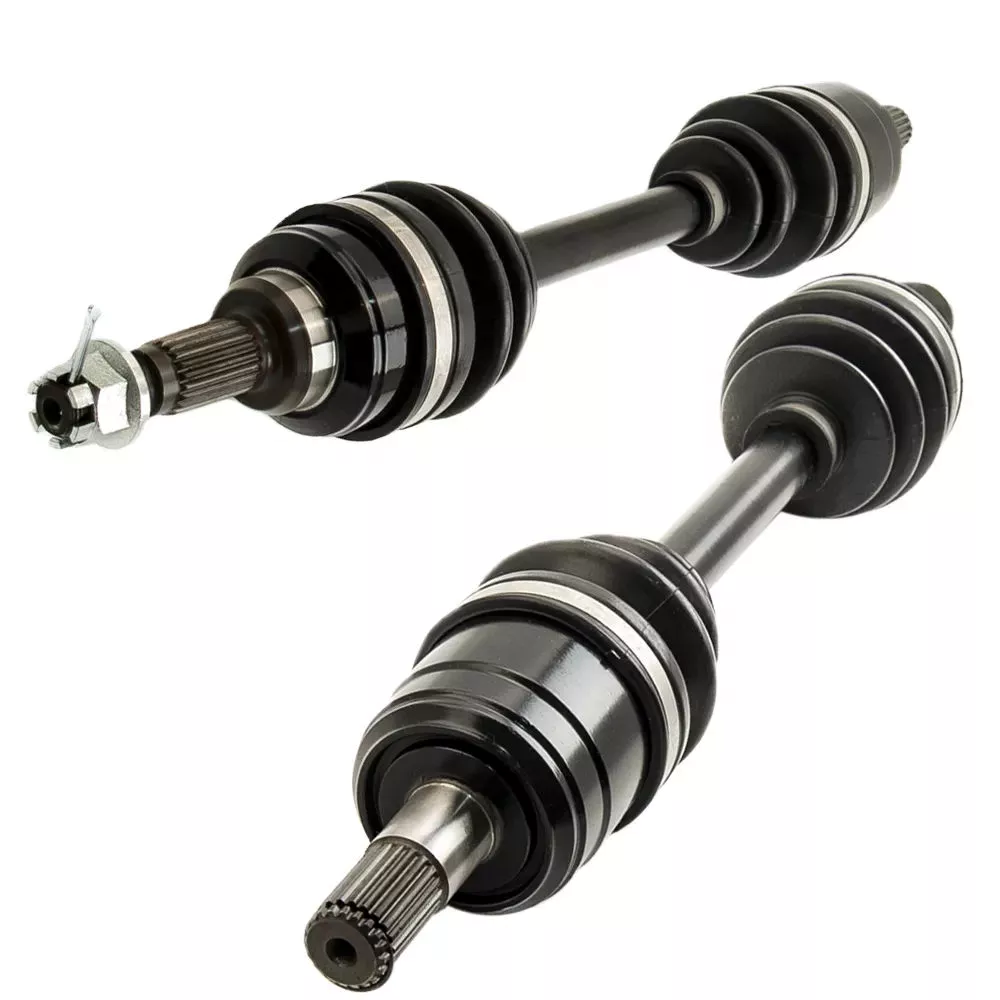
Yes, PTO (Power Take-Off) shafts can be customized to meet the specific machinery and power requirements of different applications. Manufacturers offer customization options to ensure that PTO shafts are precisely tailored to the power source, driven machinery, and the intended application. Here’s a detailed explanation of how PTO shafts can be customized:
1. Shaft Length: PTO shafts can be customized in terms of length to accommodate different equipment configurations. The length of the PTO shaft is critical to ensure proper alignment and connection between the power source and driven machinery. Manufacturers can provide PTO shafts with adjustable or fixed-length options, allowing for flexibility in meeting specific length requirements. Customizing the shaft length ensures that the PTO shaft fits the equipment properly, optimizing power transfer efficiency and reducing the risk of misalignment or excessive stress.
2. Spline Sizes: PTO shafts are available with different spline sizes to match the input and output shafts of various equipment. Spline size customization allows the PTO shaft to seamlessly connect to the power source and driven machinery. Manufacturers can offer different spline configurations, such as 1-3/8 inch, 1-3/4 inch, or metric sizes, to accommodate specific machinery requirements. Customizing the spline size ensures a proper fit and secure connection, enabling efficient power transfer without the need for additional adapters or modifications.
3. Yoke Designs: PTO shafts can be customized with different yoke designs to match the connection points on the power source and driven machinery. The yoke is the component that attaches to the shaft and connects to the equipment. Manufacturers can provide various yoke designs, such as round, triangular, or splined yokes, to ensure compatibility with specific machinery. Customizing the yoke design allows for a secure and reliable connection, aligning the PTO shaft with the equipment’s input/output shafts and optimizing power transmission efficiency.
4. Torque Ratings: PTO shafts can be customized to handle specific torque requirements based on the power demands of the application. Torque is the rotational force that the PTO shaft needs to transmit from the power source to the driven machinery. Manufacturers can design PTO shafts with different torque ratings by using appropriate materials, dimensions, and reinforcement techniques. Customizing the torque rating ensures that the PTO shaft can safely and reliably handle the required power levels without premature wear or failure.
5. Mecanismos de acoplamento: PTO shafts can be customized with different coupling mechanisms to match the connection requirements of specific equipment. Coupling mechanisms are the means by which the PTO shaft connects and disconnects from the power source and driven machinery. Manufacturers can provide various coupling options, such as quick-release couplings, shear pin couplings, or mechanical lock couplings, to accommodate different machinery designs and operational needs. Customizing the coupling mechanism ensures ease of use, secure attachment, and quick disengagement when necessary.
6. Protective Features: PTO shafts can be customized with additional protective features to enhance safety and durability. These features may include guard shields, safety covers, or slip clutches. Guard shields and safety covers provide physical protection by enclosing the rotating shaft and preventing accidental contact, reducing the risk of injuries. Slip clutches offer overload protection by allowing the PTO shaft to slip or disengage when excessive torque or resistance is encountered, preventing damage to the shaft and associated equipment. Customizing the protective features ensures compliance with safety regulations and addresses specific safety requirements of the machinery or application.
7. Material Selection: PTO shafts can be customized with different materials based on the application’s demands. Manufacturers can offer a range of material options, such as steel, aluminum, or composite materials, with varying strength, weight, and corrosion resistance properties. Customizing the material selection allows for optimizing the PTO shaft’s performance, considering factors like operating conditions, environmental exposure, and weight restrictions.
By providing customization options such as shaft length, spline sizes, yoke designs, torque ratings, coupling mechanisms, protective features, and material selection, manufacturers can ensure that PTO shafts are specifically tailored to meet the machinery and power requirements of different applications. Customized PTO shafts facilitate seamless integration, efficient power transfer, and reliable operation, enhancing the overall performance and productivity of the equipment.

O que é um eixo de tomada de força (PTO) e como ele é usado em equipamentos agrícolas e industriais?
Um eixo de tomada de força (TDF) é um componente mecânico usado em equipamentos agrícolas e industriais para transferir energia de uma fonte de energia, como um motor, para outra máquina ou implemento. É um eixo de transmissão que transmite potência rotacional e torque, permitindo que o equipamento conectado execute diversas tarefas. Os eixos de TDF são comumente usados em máquinas agrícolas, como tratores, bem como em equipamentos industriais, incluindo geradores, bombas e máquinas de construção. Aqui está uma explicação detalhada do que é um eixo de TDF e como ele é usado:
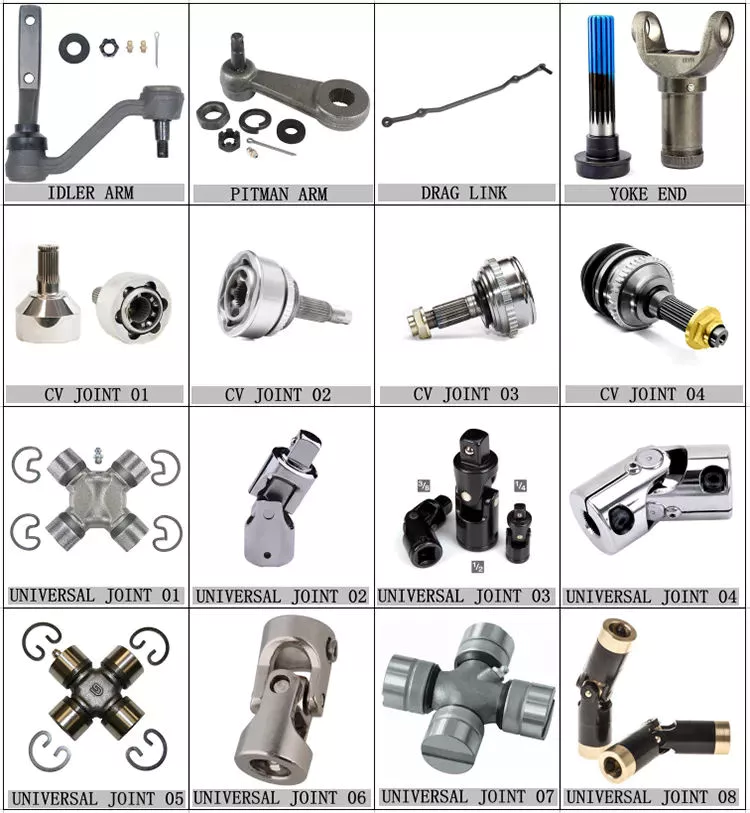
Estrutura e componentes: Um eixo de tomada de força (TDF) típico consiste em um tubo metálico oco com juntas universais em cada extremidade. O tubo oco permite que o eixo gire livremente, enquanto as juntas universais acomodam desalinhamentos angulares entre a fonte de energia e o equipamento acionado. As juntas universais consistem em um garfo em forma de cruz com rolamentos de agulha, proporcionando flexibilidade e permitindo a transmissão de potência em ângulos variáveis. Alguns eixos de TDF também podem incluir uma seção telescópica para ajustar o comprimento para diferentes configurações de equipamentos ou para acomodar distâncias variáveis entre a fonte de energia e a máquina acionada.
Transferência de energia: A função principal de um eixo de tomada de força (TDF) é transferir potência e torque da fonte de energia para o equipamento acionado. A fonte de energia, normalmente um motor, aciona o eixo da TDF por meio de uma conexão mecânica, como uma caixa de engrenagens ou uma embreagem. À medida que a fonte de energia gira, ela transmite força rotacional para o eixo da TDF. O eixo da TDF, por sua vez, transfere essa potência rotacional e torque para o equipamento acionado, permitindo que ele execute sua função. O torque e a velocidade de rotação transmitidos pelo eixo da TDF dependem das características da fonte de energia e da relação de transmissão ou do engate da embreagem.
Aplicações agrícolas: Na agricultura, os eixos de tomada de força (TDF) são comumente usados em tratores para acionar diversos implementos e acessórios. O eixo de TDF é conectado à tomada de força do trator, um eixo de transmissão rotativo localizado na parte traseira do trator. Ao acionar a embreagem da TDF, a potência do motor do trator é transferida através do eixo de TDF para os implementos acoplados. Máquinas agrícolas, como segadoras, enfardadeiras, cultivadores, pulverizadores e transportadores de grãos, frequentemente dependem dos eixos de TDF para receber energia para seu funcionamento. O eixo de TDF permite que os implementos sejam acionados diretamente pelo motor do trator, eliminando a necessidade de fontes de energia separadas e aumentando a versatilidade e a eficiência das operações agrícolas.
Aplicações industriais: Os eixos de tomada de força (TDF) também são amplamente utilizados em diversas aplicações industriais. Equipamentos industriais, como geradores, bombas, compressores e misturadores industriais, frequentemente incorporam eixos de TDF para receber energia de motores a combustão ou elétricos. O eixo de TDF conecta a fonte de energia ao equipamento acionado, permitindo que ele opere e execute sua função pretendida. Em máquinas de construção, os eixos de TDF podem ser encontrados em equipamentos como betoneiras, martelos hidráulicos e perfuradores de solo, possibilitando a transferência de energia do motor da máquina para o acessório ou ferramenta específica que está sendo utilizada.
Considerações de segurança: É importante observar que os eixos de tomada de força (TDF) podem representar riscos à segurança se não forem manuseados corretamente. O eixo rotativo pode causar ferimentos graves se os operadores entrarem em contato com ele durante o funcionamento. Para garantir a segurança, os eixos de TDF geralmente são equipados com proteções ou proteções que cobrem o eixo rotativo e as juntas universais, evitando o contato acidental. É crucial manter e inspecionar esses recursos de segurança regularmente para garantir sua eficácia. Além disso, os operadores devem receber treinamento adequado sobre a operação do eixo de TDF, incluindo procedimentos seguros de acoplamento e desacoplamento, bem como o uso de equipamentos de proteção individual ao trabalhar próximo a máquinas acionadas por TDF.
Em resumo, um eixo de tomada de força (TDF) é um componente mecânico usado em equipamentos agrícolas e industriais para transmitir potência e torque de uma fonte de energia para uma máquina ou implemento acionado. Ele permite a transferência direta de potência de motores para diversos equipamentos, aumentando a eficiência e a versatilidade nas operações agrícolas e industriais. Embora os eixos de TDF ofereçam benefícios significativos, os operadores devem estar cientes das considerações de segurança associadas e tomar as precauções adequadas para evitar acidentes e lesões.


editor by CX 2023-12-04