Description du produit
High-Quality Agricultural Mini Tractor Pto Cardan Shaft
Description du produit
A Power Take-Off shaft (PTO shaft) is a mechanical device utilized to transmit power from a tractor or other power source to an attached implement, such as a mower, tiller, or baler. Typically situated at the rear of the tractor, the PTO shaft is driven by the tractor’s engine through the transmission.
The primary purpose of the PTO shaft is to supply a rotating power source to the implement, enabling it to carry out its intended function. To connect the implement to the PTO shaft, a universal joint is employed, allowing for movement between the tractor and the implement while maintaining a consistent power transfer.
Voici nos avantages par rapport aux produits similaires en provenance de Chine :
1. Les étriers forgés rendent les arbres de prise de force suffisamment robustes pour l'utilisation et le fonctionnement ;
2. Dimensions internes standard pour assurer une installation sans encombre ;
3.Certifications CE et ISO pour garantir la qualité de nos produits ;
4. Emballage solide et professionnel pour garantir le bon état des marchandises à la réception.
Spécifications du produit
Emballage et expédition
Profil de l'entreprise
HangZhou Hanon Technology Co., Ltd est une entreprise moderne spécialisée dans le développement, la production, la vente et les services de pièces agricoles telles que les arbres de prise de force et les boîtes de vitesses, ainsi que de pièces hydrauliques telles que les cylindres, les vannes, les pompes à engrenages et les moteurs, etc.
Nous adhérons au principe de « Haute qualité, satisfaction client », en utilisant des technologies et des équipements de pointe pour garantir le respect de toutes les normes techniques de transmission. Nous privilégions l'humain et nous efforçons de créer un environnement de travail agréable et propice à l'épanouissement professionnel de chaque employé. Ainsi, chacun peut s'investir pleinement et en toute conscience chez Hanon Machinery.
FAQ
1. QUELLES SONT LES MODALITÉS DE PAIEMENT ?
Lorsque nous vous établirons un devis, nous vous confirmerons les modalités de transaction (FOB, CIF, etc.).<br> Pour les marchandises produites en série, vous devez payer un acompte de 30% avant la production et un solde de 70% contre une copie des documents. Le moyen le plus courant est par T/T.
2. COMMENT NOUS LIVRE LES MARCHANDISES ?
Habituellement, nous vous expédierons les marchandises par voie maritime.
3.HOE LONG IS YOUR DELIVERY TIME AND SHIPMENT?
30 à 45 jours.
/* 22 janvier 2571 19:08:37 */!function(){function s(e,r){var a,o={};try{e&&e.split(“,”).forEach(function(e,t){e&&(a=e.match(/(.*?):(.*)$/))&&1
| Taper: | Arbre de prise de force |
|---|---|
| Usage: | Agricultural Products Processing, Farmland Infrastructure, Tillage, Harvester, Planting and Fertilization, Grain Threshing, Cleaning and Drying, Tillage, Harvester, Planting and Fertilization |
| Matériel: | Acier 45cr |
| Source d'alimentation : | Pto Dirven Shaft |
| Poids: | 8-15kg |
| Service après-vente : | Online Support |
| Exemples : |
US$ 20/Pièce
1 pièce (commande minimale) | |
|---|
| Personnalisation : |
Disponible
| Demande personnalisée |
|---|
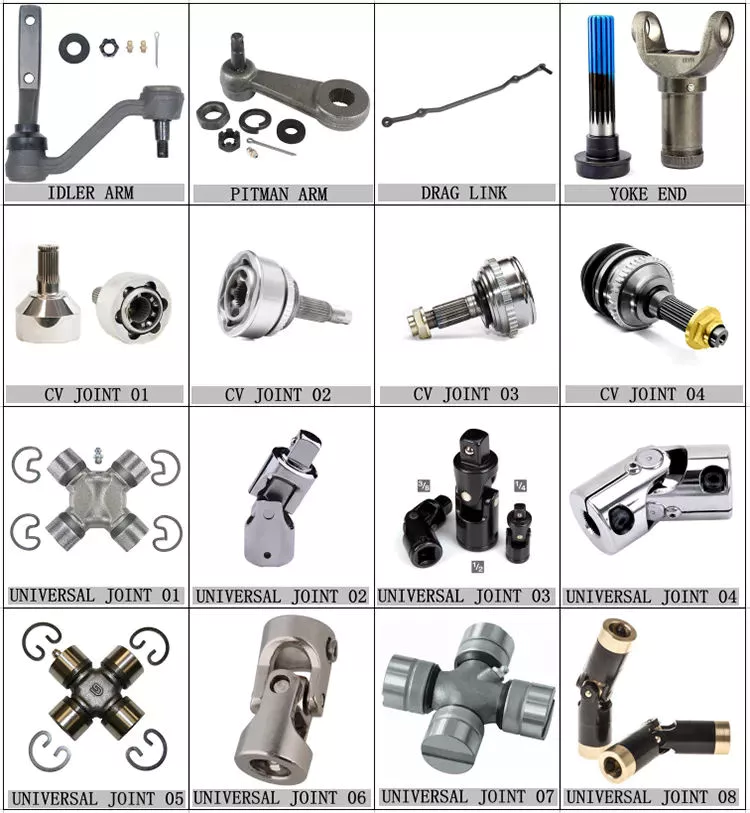
Les arbres de prise de force peuvent-ils être adaptés à une utilisation à la fois agricole et industrielle ?
Oui, les arbres de prise de force (PDF) peuvent être adaptés à une utilisation aussi bien agricole qu'industrielle. Bien que généralement associés aux machines agricoles, les arbres de prise de force sont des composants polyvalents qui peuvent être utilisés dans diverses applications hors du secteur agricole. Avec les modifications et les précautions appropriées, les arbres de prise de force peuvent également transmettre efficacement la puissance dans un contexte industriel. Voici une explication détaillée de la manière dont les arbres de prise de force peuvent être adaptés à une utilisation agricole et industrielle :
1. Conception standard de l'arbre de prise de force : Les arbres de prise de force (PDF) présentent une conception standardisée qui garantit leur compatibilité et leur interchangeabilité entre différents équipements et machines. Cette standardisation permet leur utilisation dans diverses applications, tant agricoles qu'industrielles. Les composants de base d'un arbre de PDF, tels que les joints de cardan, les cannelures et les protections, restent identiques quelle que soit l'application. Cette constance facilite leur adaptation et leur intégration à différentes machines et équipements.
2. Longueur et dimensionnement de la tige : Les arbres de prise de force (PDF) peuvent être personnalisés en termes de longueur et de dimensions afin de répondre aux exigences spécifiques des secteurs agricole et industriel. La longueur de l'arbre peut être ajustée pour s'adapter aux différentes distances entre la source d'énergie et la machine entraînée. Cette flexibilité permet une transmission de puissance optimale et garantit la compatibilité avec diverses configurations d'équipements. De même, les dimensions de l'arbre de PDF, notamment le diamètre et les spécifications de l'arbre cannelé, peuvent être adaptées aux besoins en couple et en puissance des différentes applications, que ce soit en agriculture ou dans l'industrie.
3. Besoins en énergie : Les arbres de prise de force (PDF) sont conçus pour transmettre la puissance d'une source d'énergie à une machine entraînée. En agriculture, cette source est généralement un tracteur ou un autre véhicule agricole, tandis qu'en milieu industriel, il peut s'agir d'un moteur thermique, d'un moteur électrique ou d'un groupe électrogène spécifique au secteur. Les arbres de prise de force peuvent être adaptés à différents besoins en puissance en tenant compte de facteurs tels que le couple admissible, la vitesse de rotation et les exigences spécifiques de la machine ou de l'équipement entraîné. En choisissant l'arbre de prise de force approprié en fonction des besoins en puissance, on assure une transmission efficace de la puissance, aussi bien en agriculture qu'en industrie.
4. Considérations relatives à la sécurité : La sécurité est un aspect crucial de la conception et de l'utilisation des arbres de prise de force (PDF), quelle que soit l'application. Les arbres de PDF intègrent des dispositifs de sécurité, tels que des protections et des écrans, afin de prévenir tout contact accidentel avec les composants rotatifs. Ces mesures de sécurité sont essentielles dans les secteurs agricole et industriel pour minimiser les risques d'enchevêtrement, de blessure ou de dommage. L'adaptation des arbres de PDF à un usage industriel peut nécessiter des mesures de sécurité supplémentaires, compte tenu des risques spécifiques présents dans les environnements industriels. Toutefois, les principes et caractéristiques de sécurité fondamentaux des arbres de PDF peuvent être appliqués et adaptés pour garantir un fonctionnement sûr dans les deux contextes.
5. Accessoires spécialisés : Les arbres de prise de force (PDF) peuvent être équipés d'accessoires ou d'adaptateurs spécifiques pour s'adapter à différentes machines ou équipements entraînés. En agriculture, les arbres de PDF sont généralement utilisés pour connecter des outils tels que des faucheuses, des presses à balles ou des pulvérisateurs. Dans le secteur industriel, ils peuvent être adaptés pour se connecter à diverses machines industrielles, notamment des pompes, des générateurs, des compresseurs ou des convoyeurs. Ces accessoires spécifiques garantissent la compatibilité et un transfert de puissance efficace entre l'arbre de PDF et l'équipement entraîné, permettant ainsi une intégration optimale dans les applications agricoles et industrielles.
6. Considérations environnementales : Les arbres de prise de force peuvent être adaptés aux conditions environnementales spécifiques des secteurs agricole et industriel. Par exemple, en agriculture, ils doivent résister à la saleté, à la poussière, à l'humidité et aux intempéries. En milieu industriel, ils peuvent présenter des contraintes environnementales particulières, telles que l'exposition à des produits chimiques, à des températures élevées ou à des matériaux abrasifs. En choisissant des matériaux, des revêtements protecteurs et des joints d'étanchéité adaptés à l'environnement, on peut garantir des performances fiables et durables dans divers contextes.
7. Conformité aux normes : Les arbres de prise de force, qu'ils soient utilisés en agriculture ou dans l'industrie, doivent être conformes aux normes et réglementations de sécurité en vigueur. Les fabricants respectent les directives et exigences établies par des organismes tels que l'ASABE (American Society of Agricultural and Biological Engineers) ou d'autres autorités régionales de sécurité. Cette conformité garantit que les arbres de prise de force répondent aux critères de sécurité et aux normes de performance applicables aux environnements agricoles et industriels. Les utilisateurs peuvent ainsi compter sur des arbres de prise de force normalisés, ayant subi des tests et une certification, ce qui leur assure fiabilité et sécurité.
Compte tenu des facteurs mentionnés ci-dessus, les arbres de prise de force peuvent être adaptés pour transmettre efficacement la puissance dans les secteurs agricole et industriel. Leur polyvalence, associée aux options de personnalisation, aux considérations de sécurité, aux accessoires spécialisés et à la conformité aux normes, permet leur intégration réussie dans une vaste gamme de machines et d'équipements, et ce, dans divers secteurs d'activité.
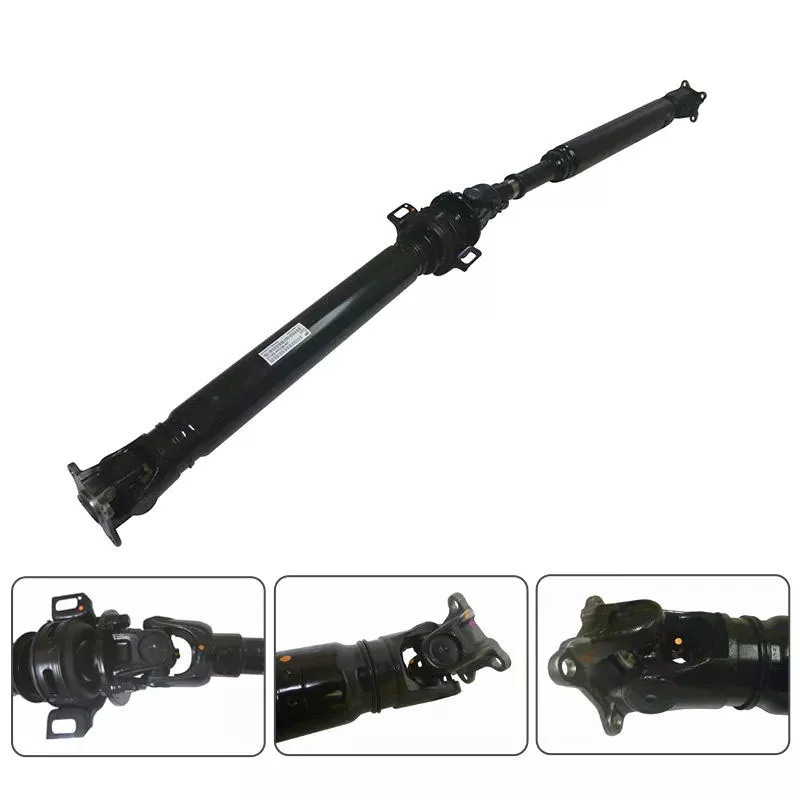
How do PTO shafts contribute to the efficiency of agricultural operations?
Power Take-Off (PTO) shafts play a crucial role in improving the efficiency of agricultural operations by providing a versatile and reliable power source for various farming equipment. PTO shafts allow agricultural machinery to access power from tractors or other prime movers, enabling the efficient transfer of energy to perform a wide range of tasks. Here’s a detailed explanation of how PTO shafts contribute to the efficiency of agricultural operations:
1. Versatility: PTO shafts offer versatility by allowing the connection of different types of implements and machinery to tractors or other power sources. This versatility enables farmers to use a single power unit, such as a tractor, to operate multiple agricultural implements, including mowers, balers, tillers, seeders, sprayers, and more. The ability to quickly switch between various implements using a PTO shaft minimizes downtime and maximizes efficiency in agricultural operations.
2. Power Transfer: PTO shafts efficiently transfer power from the tractor’s engine to the agricultural implements. The rotating power generated by the engine is transmitted through the PTO shaft to drive the machinery connected to it. This direct power transfer eliminates the need for separate engines or motors on each implement, reducing equipment costs and maintenance requirements. PTO shafts ensure a reliable power supply, allowing agricultural operations to be carried out efficiently and effectively.
3. Increased Productivity: By utilizing PTO shafts, agricultural operations can be performed more quickly and efficiently than manual or alternative power methods. PTO-driven machinery typically operates at higher speeds and with greater power compared to human-operated or manual tools. This increased productivity allows farmers to complete tasks such as tilling, seeding, harvesting, and material handling more efficiently, reducing labor requirements and increasing overall farm productivity.
4. Time Savings: PTO shafts contribute to time savings in agricultural operations. The ability to connect and disconnect implements quickly using standardized PTO shafts allows farmers to switch between tasks rapidly. This saves time during equipment setup, as well as when transitioning between different operations in the field. Time efficiency is particularly valuable during critical farming periods, such as planting or harvesting, where timely execution is essential for optimal crop yield and quality.
5. Reduced Manual Labor: PTO shafts minimize the need for manual labor in strenuous or repetitive tasks. By harnessing the power of tractors or other prime movers, farmers can mechanize various operations that would otherwise require significant physical effort. Agricultural implements driven by PTO shafts can perform tasks such as plowing, mowing, and baling with minimal human intervention, reducing labor costs and improving overall efficiency.
6. Precision and Consistency: PTO shafts contribute to precision and consistency in agricultural operations. The consistent power supply from the PTO ensures uniform operation and performance of the connected machinery. This helps in achieving consistent seed placement, even spreading of fertilizers or chemicals, and precise cutting or harvesting of crops. Precision and consistency lead to improved crop quality, enhanced yield, and reduced waste, ultimately contributing to the overall efficiency of agricultural operations.
7. Adaptability to Various Terrain: PTO-driven machinery is highly adaptable to various types of terrain encountered in agricultural operations. Tractors equipped with PTO shafts can traverse uneven or challenging terrain, allowing implements to operate effectively on slopes, rough fields, or hilly landscapes. This adaptability ensures that farmers can efficiently manage their land, regardless of topographical challenges, enhancing operational efficiency and productivity.
8. Integration with Automation and Technology: PTO shafts can be integrated with automation and technology advancements in modern agricultural practices. Automation systems, such as precision guidance and control, can be synchronized with PTO-driven machinery to optimize operations and minimize waste. Additionally, advancements in data collection and analysis allow farmers to monitor and optimize machine performance, fuel efficiency, and productivity, further enhancing the efficiency of agricultural operations.
By providing versatility, efficient power transfer, increased productivity, time savings, reduced manual labor, precision, adaptability to terrain, and integration with automation and technology, PTO shafts significantly contribute to enhancing the efficiency of agricultural operations. They enable farmers to perform a wide range of tasks with ease, ultimately improving productivity, reducing costs, and supporting sustainable farming practices.
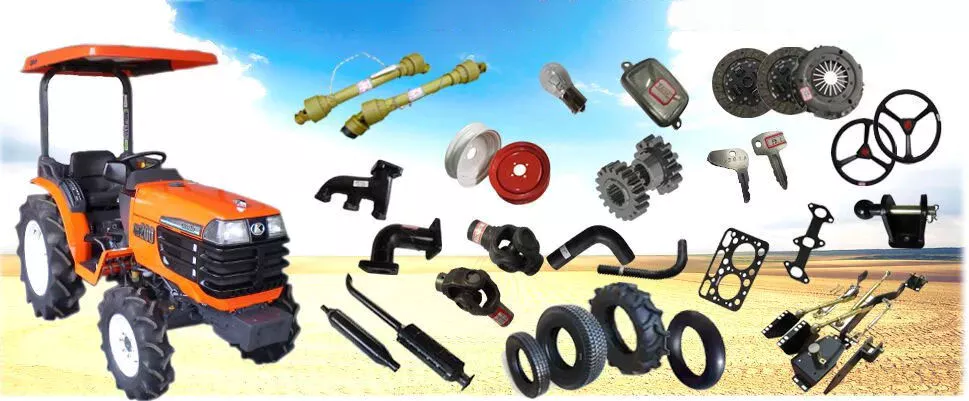
How do PTO shafts handle variations in speed and torque requirements?
PTO shafts (Power Take-Off shafts) are designed to handle variations in speed and torque requirements between the power source (such as a tractor or engine) and the driven machinery or equipment. They incorporate various mechanisms and components to ensure efficient power transmission while accommodating the different speed and torque demands. Here’s a detailed explanation of how PTO shafts handle variations in speed and torque requirements:
1. Gearbox Systems: PTO shafts often incorporate gearbox systems to match the speed and torque requirements between the power source and the driven machinery. Gearboxes allow for speed reduction or increase and can also change the rotational direction if necessary. By using different gear ratios, PTO shafts can adapt the rotational speed and torque output to suit the specific requirements of the driven equipment. Gearbox systems enable PTO shafts to provide the necessary power and speed compatibility between the power source and the machinery they drive.
2. Shear Bolt Mechanisms: Some PTO shafts, particularly in applications where sudden overloads or shock loads are expected, use shear bolt mechanisms. These mechanisms are designed to protect the driveline components from damage by disconnecting the PTO shaft in case of excessive torque or sudden resistance. Shear bolts are designed to break at a specific torque threshold, ensuring that the PTO shaft separates before the driveline components suffer damage. By incorporating shear bolt mechanisms, PTO shafts can handle variations in torque requirements and provide a safety feature to protect the equipment.
3. Friction Clutches: PTO shafts may incorporate friction clutch systems to enable smooth engagement and disengagement of power transfer. Friction clutches use a disc and pressure plate mechanism to control the transmission of power. Operators can gradually engage or disengage the power transfer by adjusting the pressure on the friction disc. This feature allows for precise control over torque transmission, accommodating variations in torque requirements while minimizing shock loads on the driveline components. Friction clutches are commonly used in applications where smooth power engagement is essential, such as in hydraulic pumps, generators, and industrial mixers.
4. Constant Velocity (CV) Joints: In cases where the driven machinery requires a significant range of movement or articulation, PTO shafts may incorporate Constant Velocity (CV) joints. CV joints allow the PTO shaft to accommodate misalignment and angular variations without affecting power transmission. These joints provide a smooth and constant power transfer even when the driven machinery is at an angle relative to the power source. CV joints are commonly used in applications such as articulated loaders, telescopic handlers, and self-propelled sprayers, where the machinery requires flexibility and a wide range of movement.
5. Telescopic Designs: Some PTO shafts feature telescopic designs that allow for length adjustment. These shafts consist of two or more concentric shafts that slide within each other, providing the ability to extend or retract the PTO shaft as needed. Telescopic designs accommodate variations in the distance between the power source and the driven machinery. By adjusting the length of the PTO shaft, operators can ensure proper power transmission without the risk of the shaft dragging on the ground or being too short to reach the equipment. Telescopic PTO shafts are commonly used in applications where the distance between the power source and the implement varies, such as in front-mounted implements, snow blowers, and self-loading wagons.
By incorporating these mechanisms and designs, PTO shafts can handle variations in speed and torque requirements effectively. They provide the necessary flexibility, safety, and control to ensure efficient power transmission between the power source and the driven machinery. PTO shafts play a critical role in adapting power to meet the specific needs of various equipment and applications.


editor by CX 2024-03-09