Descrizione del prodotto
High-Quality Agricultural Mini Tractor Pto Cardan Shaft
Descrizione del prodotto
A Power Take-Off shaft (PTO shaft) is a mechanical device utilized to transmit power from a tractor or other power source to an attached implement, such as a mower, tiller, or baler. Typically situated at the rear of the tractor, the PTO shaft is driven by the tractor’s engine through the transmission.
The primary purpose of the PTO shaft is to supply a rotating power source to the implement, enabling it to carry out its intended function. To connect the implement to the PTO shaft, a universal joint is employed, allowing for movement between the tractor and the implement while maintaining a consistent power transfer.
Here is our advantages when compare to similar products from China:
1.Forged yokes make PTO shafts strong enough for usage and working;
2.Internal sizes standard to confirm installation smooth;
3.CE and ISO certificates to guarantee to quality of our goods;
4.Strong and professional package to confirm the good situation when you receive the goods.
Product Specifications
Packaging & Shipping
Profilo Aziendale
HangZhou Hanon Technology Co.,ltd is a modern enterprise specilizing in the development,production,sales and services of Agricultural Parts like PTO shaft and Gearboxes and Hydraulic parts like Cylinder , Valve ,Gearpump and motor etc..
We adhere to the principle of ” High Quality, Customers’Satisfaction”, using advanced technology and equipments to ensure all the technical standards of transmission .We follow the principle of people first , trying our best to set up a pleasant surroundings and platform of performance for each employee. So everyone can be self-consciously active to join Hanon Machinery.
FAQ
1.WHAT’S THE PAYMENT TERM?
When we quote for you,we will confirm with you the way of transaction,FOB,CIFetc.<br> For mass production goods, you need to pay 30% deposit before producing and70% balance against copy of documents.The most common way is by T/T.
2.HOW TO DELIVER THE GOODS TO US?
Usually we will ship the goods to you by sea.
3.HOE LONG IS YOUR DELIVERY TIME AND SHIPMENT?
30-45days.
/* 22 gennaio 2571 19:08:37 */!function(){function s(e,r){var a,o={};try{e&&e.split(“,”).forEach(function(e,t){e&&(a=e.match(/(.*?):(.*)$/))&&1
| Tipo: | Pto Shaft |
|---|---|
| Utilizzo: | Agricultural Products Processing, Farmland Infrastructure, Tillage, Harvester, Planting and Fertilization, Grain Threshing, Cleaning and Drying, Tillage, Harvester, Planting and Fertilization |
| Materiale: | 45cr Steel |
| Fonte di alimentazione: | Albero di trasmissione PTO |
| Peso: | 8-15kg |
| Servizio post-vendita: | Online Support |
| Esempi: |
US$ 20/Piece
1 pezzo (ordine minimo) | |
|---|
| Personalizzazione: |
Disponibile
| Richiesta personalizzata |
|---|
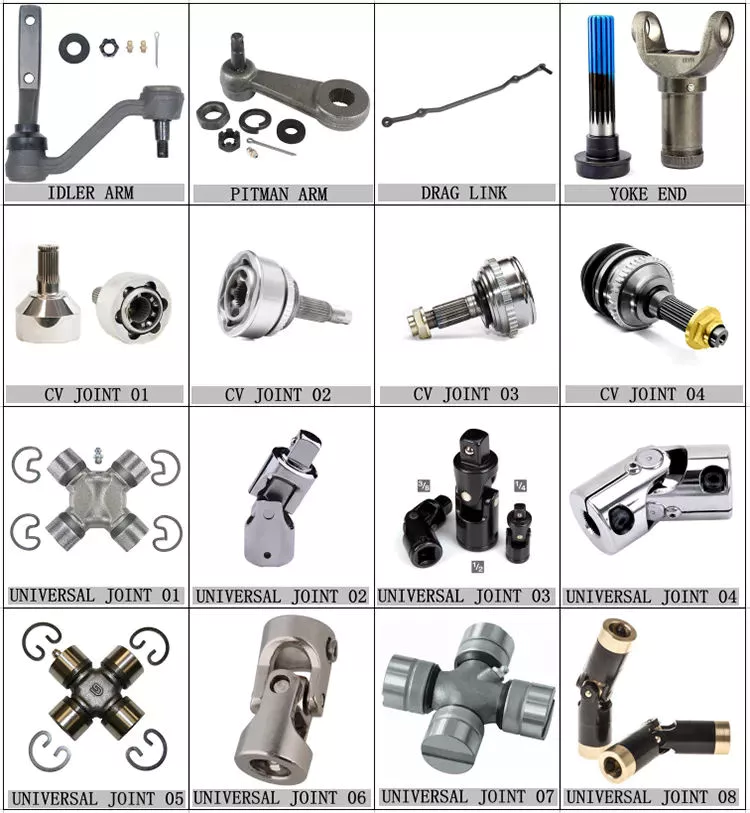
È possibile adattare gli alberi cardanici per l'utilizzo sia in ambito agricolo che industriale?
Sì, gli alberi di presa di forza (PTO) possono essere adattati per l'uso sia in ambito agricolo che industriale. Sebbene gli alberi di presa di forza siano comunemente associati alle macchine agricole, si tratta di componenti versatili che possono essere utilizzati in diverse applicazioni al di fuori del settore agricolo. Con opportune modifiche e accorgimenti, gli alberi di presa di forza possono trasferire efficacemente potenza anche in ambito industriale. Ecco una spiegazione dettagliata di come gli alberi di presa di forza possono essere adattati per l'uso agricolo e industriale:
1. Design standard dell'albero cardanico: Gli alberi cardanici (PTO) hanno un design standardizzato che ne garantisce la compatibilità e l'intercambiabilità tra diverse attrezzature e macchinari. Questa standardizzazione permette di utilizzare gli alberi cardanici in svariate applicazioni, sia agricole che industriali. I componenti di base di un albero cardanico, come i giunti universali, gli alberi scanalati e le protezioni, rimangono invariati a prescindere dall'applicazione specifica. Tale uniformità facilita l'adattamento e l'integrazione in diversi macchinari e attrezzature.
2. Lunghezza e dimensioni dell'albero: Gli alberi cardanici (PTO) possono essere personalizzati in termini di lunghezza e dimensioni per soddisfare esigenze specifiche sia in ambito agricolo che industriale. La lunghezza dell'albero può essere regolata per adattarsi alle diverse distanze tra la fonte di energia e il macchinario azionato. Questa flessibilità consente una trasmissione di potenza ottimale e garantisce la compatibilità con diverse configurazioni di attrezzature. Allo stesso modo, le dimensioni dell'albero cardanico, compresi il diametro e le specifiche dell'albero scanalato, possono essere adattate per soddisfare i requisiti di coppia e potenza delle diverse applicazioni, sia in agricoltura che nell'industria.
3. Requisiti di alimentazione: Gli alberi cardanici (PTO) sono progettati per trasferire potenza da una fonte di energia a un macchinario azionato. In ambito agricolo, la fonte di energia è tipicamente un trattore o altri veicoli agricoli, mentre in ambito industriale può essere un motore, un propulsore o un'unità di potenza specifica per il settore. Gli alberi cardanici possono essere adattati per gestire diverse esigenze di potenza, tenendo conto di fattori quali la capacità di coppia, la velocità di rotazione e le specifiche necessità del macchinario o dell'attrezzatura azionata. Selezionando l'albero cardanico appropriato in base alle esigenze di potenza, è possibile trasferire efficacemente la potenza sia in applicazioni agricole che industriali.
4. Considerazioni sulla sicurezza: La sicurezza è un aspetto fondamentale nella progettazione e nell'utilizzo degli alberi cardanici, indipendentemente dall'applicazione. Gli alberi cardanici integrano dispositivi di sicurezza come protezioni e schermi per prevenire il contatto accidentale con i componenti rotanti. Queste misure di sicurezza sono essenziali in ambito agricolo e industriale per ridurre al minimo il rischio di impigliamento, lesioni o danni. L'adattamento degli alberi cardanici all'uso industriale può richiedere ulteriori considerazioni di sicurezza in base ai rischi specifici presenti negli ambienti industriali. Tuttavia, i principi e le caratteristiche di sicurezza fondamentali degli alberi cardanici possono essere applicati e adattati per garantire un funzionamento sicuro in entrambi i contesti.
5. Accessori specializzati: Gli alberi cardanici (PTO) possono essere equipaggiati con accessori o adattatori specifici per adattarsi a diverse macchine o attrezzature azionate. In ambito agricolo, gli alberi cardanici si collegano comunemente ad attrezzi come falciatrici, presse o irroratrici. In ambito industriale, gli alberi cardanici possono essere adattati per il collegamento a vari macchinari industriali, tra cui pompe, generatori, compressori o nastri trasportatori. Questi accessori specifici garantiscono la compatibilità e un efficiente trasferimento di potenza tra l'albero cardanico e l'attrezzatura azionata, consentendo una perfetta integrazione sia in ambito agricolo che industriale.
6. Considerazioni ambientali: Gli alberi cardanici (PTO) possono essere adattati per far fronte a specifiche condizioni ambientali sia in ambito agricolo che industriale. Ad esempio, nelle applicazioni agricole, gli alberi cardanici devono resistere all'esposizione a sporco, polvere, umidità e condizioni atmosferiche variabili. Gli ambienti industriali possono presentare sfide ambientali uniche, come l'esposizione a sostanze chimiche, alte temperature o materiali abrasivi. Selezionando materiali, rivestimenti protettivi e guarnizioni adatti all'ambiente specifico, gli alberi cardanici possono essere adattati per garantire prestazioni affidabili e durature in diversi contesti.
7. Conformità agli standard: Gli alberi cardanici, sia in ambito agricolo che industriale, devono essere conformi alle normative e agli standard di sicurezza pertinenti. I produttori si attengono alle linee guida e ai requisiti stabiliti da organizzazioni come l'American Society of Agricultural and Biological Engineers (ASABE) o altre autorità regionali in materia di sicurezza. La conformità garantisce che gli alberi cardanici soddisfino i criteri di sicurezza e gli standard prestazionali applicabili sia in ambito agricolo che industriale. Gli utilizzatori possono fare affidamento su alberi cardanici standardizzati, sottoposti a test e certificazione, che offrono garanzie in termini di affidabilità e sicurezza.
Considerando i fattori sopra menzionati, gli alberi cardanici possono essere adattati per trasferire efficacemente la potenza sia in ambito agricolo che industriale. La versatilità degli alberi cardanici, unita alle opzioni di personalizzazione, alle considerazioni di sicurezza, agli accessori specializzati e alla conformità alle normative, ne consente la proficua integrazione in un'ampia gamma di macchinari e attrezzature in diversi settori.

How do PTO shafts contribute to the efficiency of agricultural operations?
Power Take-Off (PTO) shafts play a crucial role in improving the efficiency of agricultural operations by providing a versatile and reliable power source for various farming equipment. PTO shafts allow agricultural machinery to access power from tractors or other prime movers, enabling the efficient transfer of energy to perform a wide range of tasks. Here’s a detailed explanation of how PTO shafts contribute to the efficiency of agricultural operations:
1. Versatility: PTO shafts offer versatility by allowing the connection of different types of implements and machinery to tractors or other power sources. This versatility enables farmers to use a single power unit, such as a tractor, to operate multiple agricultural implements, including mowers, balers, tillers, seeders, sprayers, and more. The ability to quickly switch between various implements using a PTO shaft minimizes downtime and maximizes efficiency in agricultural operations.
2. Power Transfer: PTO shafts efficiently transfer power from the tractor’s engine to the agricultural implements. The rotating power generated by the engine is transmitted through the PTO shaft to drive the machinery connected to it. This direct power transfer eliminates the need for separate engines or motors on each implement, reducing equipment costs and maintenance requirements. PTO shafts ensure a reliable power supply, allowing agricultural operations to be carried out efficiently and effectively.
3. Increased Productivity: By utilizing PTO shafts, agricultural operations can be performed more quickly and efficiently than manual or alternative power methods. PTO-driven machinery typically operates at higher speeds and with greater power compared to human-operated or manual tools. This increased productivity allows farmers to complete tasks such as tilling, seeding, harvesting, and material handling more efficiently, reducing labor requirements and increasing overall farm productivity.
4. Time Savings: PTO shafts contribute to time savings in agricultural operations. The ability to connect and disconnect implements quickly using standardized PTO shafts allows farmers to switch between tasks rapidly. This saves time during equipment setup, as well as when transitioning between different operations in the field. Time efficiency is particularly valuable during critical farming periods, such as planting or harvesting, where timely execution is essential for optimal crop yield and quality.
5. Reduced Manual Labor: PTO shafts minimize the need for manual labor in strenuous or repetitive tasks. By harnessing the power of tractors or other prime movers, farmers can mechanize various operations that would otherwise require significant physical effort. Agricultural implements driven by PTO shafts can perform tasks such as plowing, mowing, and baling with minimal human intervention, reducing labor costs and improving overall efficiency.
6. Precision and Consistency: PTO shafts contribute to precision and consistency in agricultural operations. The consistent power supply from the PTO ensures uniform operation and performance of the connected machinery. This helps in achieving consistent seed placement, even spreading of fertilizers or chemicals, and precise cutting or harvesting of crops. Precision and consistency lead to improved crop quality, enhanced yield, and reduced waste, ultimately contributing to the overall efficiency of agricultural operations.
7. Adaptability to Various Terrain: PTO-driven machinery is highly adaptable to various types of terrain encountered in agricultural operations. Tractors equipped with PTO shafts can traverse uneven or challenging terrain, allowing implements to operate effectively on slopes, rough fields, or hilly landscapes. This adaptability ensures that farmers can efficiently manage their land, regardless of topographical challenges, enhancing operational efficiency and productivity.
8. Integration with Automation and Technology: PTO shafts can be integrated with automation and technology advancements in modern agricultural practices. Automation systems, such as precision guidance and control, can be synchronized with PTO-driven machinery to optimize operations and minimize waste. Additionally, advancements in data collection and analysis allow farmers to monitor and optimize machine performance, fuel efficiency, and productivity, further enhancing the efficiency of agricultural operations.
By providing versatility, efficient power transfer, increased productivity, time savings, reduced manual labor, precision, adaptability to terrain, and integration with automation and technology, PTO shafts significantly contribute to enhancing the efficiency of agricultural operations. They enable farmers to perform a wide range of tasks with ease, ultimately improving productivity, reducing costs, and supporting sustainable farming practices.
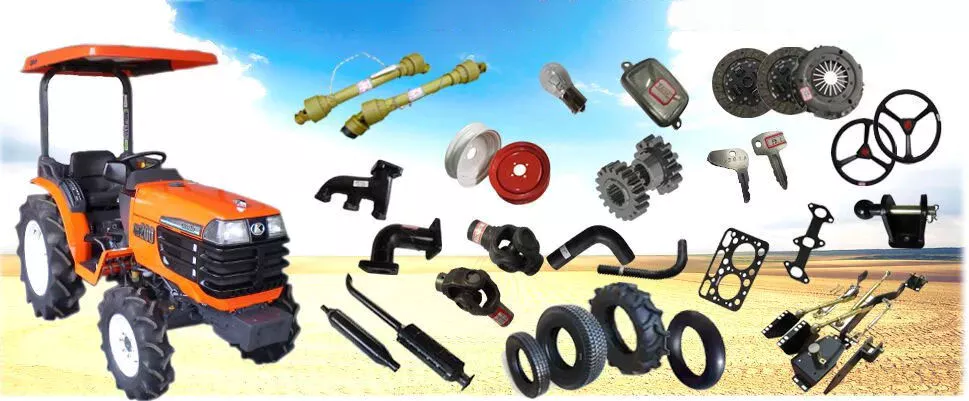
How do PTO shafts handle variations in speed and torque requirements?
PTO shafts (Power Take-Off shafts) are designed to handle variations in speed and torque requirements between the power source (such as a tractor or engine) and the driven machinery or equipment. They incorporate various mechanisms and components to ensure efficient power transmission while accommodating the different speed and torque demands. Here’s a detailed explanation of how PTO shafts handle variations in speed and torque requirements:
1. Gearbox Systems: PTO shafts often incorporate gearbox systems to match the speed and torque requirements between the power source and the driven machinery. Gearboxes allow for speed reduction or increase and can also change the rotational direction if necessary. By using different gear ratios, PTO shafts can adapt the rotational speed and torque output to suit the specific requirements of the driven equipment. Gearbox systems enable PTO shafts to provide the necessary power and speed compatibility between the power source and the machinery they drive.
2. Shear Bolt Mechanisms: Some PTO shafts, particularly in applications where sudden overloads or shock loads are expected, use shear bolt mechanisms. These mechanisms are designed to protect the driveline components from damage by disconnecting the PTO shaft in case of excessive torque or sudden resistance. Shear bolts are designed to break at a specific torque threshold, ensuring that the PTO shaft separates before the driveline components suffer damage. By incorporating shear bolt mechanisms, PTO shafts can handle variations in torque requirements and provide a safety feature to protect the equipment.
3. Friction Clutches: PTO shafts may incorporate friction clutch systems to enable smooth engagement and disengagement of power transfer. Friction clutches use a disc and pressure plate mechanism to control the transmission of power. Operators can gradually engage or disengage the power transfer by adjusting the pressure on the friction disc. This feature allows for precise control over torque transmission, accommodating variations in torque requirements while minimizing shock loads on the driveline components. Friction clutches are commonly used in applications where smooth power engagement is essential, such as in hydraulic pumps, generators, and industrial mixers.
4. Constant Velocity (CV) Joints: In cases where the driven machinery requires a significant range of movement or articulation, PTO shafts may incorporate Constant Velocity (CV) joints. CV joints allow the PTO shaft to accommodate misalignment and angular variations without affecting power transmission. These joints provide a smooth and constant power transfer even when the driven machinery is at an angle relative to the power source. CV joints are commonly used in applications such as articulated loaders, telescopic handlers, and self-propelled sprayers, where the machinery requires flexibility and a wide range of movement.
5. Telescopic Designs: Some PTO shafts feature telescopic designs that allow for length adjustment. These shafts consist of two or more concentric shafts that slide within each other, providing the ability to extend or retract the PTO shaft as needed. Telescopic designs accommodate variations in the distance between the power source and the driven machinery. By adjusting the length of the PTO shaft, operators can ensure proper power transmission without the risk of the shaft dragging on the ground or being too short to reach the equipment. Telescopic PTO shafts are commonly used in applications where the distance between the power source and the implement varies, such as in front-mounted implements, snow blowers, and self-loading wagons.
By incorporating these mechanisms and designs, PTO shafts can handle variations in speed and torque requirements effectively. They provide the necessary flexibility, safety, and control to ensure efficient power transmission between the power source and the driven machinery. PTO shafts play a critical role in adapting power to meet the specific needs of various equipment and applications.


editor by CX 2024-03-09