Descrizione del prodotto
We Are Precision Metal Parts Manufacturer And We Providing Custom Processing Service. Send Us Drawings, We Will Feedback You Quotation Within 24 Hours
Precision Parts Display
Click Here Get More Information
Our Advantages
Equipment
3-axis, 4-axis and full 5-axis processing equipment, CNC lathe, centering machine, turning and milling compound, wire cutting, EDM, grinding, etc
Processing
CNC machining, CNC Turning, CNC Milling, Welding, Laser Cutting, Bending, Spinning, Wire Cutting, Stamping, Electric Discharge Machining (EDM), Injection Molding
Materials
Aluminum, metal, steel, metal, plastic, metal, brass, bronze, rubber, ceramic, cast iron, glass, copper, titanium, metal, titanium, steel, carbon fiber, etc
Tolerance
+/-0.01mm, 100% QC quality inspection before delivery, can provide quality inspection form
Quality Assurance
ISO9001:2015, ISO13485:2016, SGS, RoHs, TUV
Tolerance
Surface Treatment
| Aluminum parts | Stainless Steel parts | Steel parts | Brass parts |
| Clear Anodized | Polishing | Zinc Plating | Nickel Plating |
| Color Anodized | Passivating | Oxide black | chrome plating |
| Sandblast Anodized | Sandblasting | Nickel Plating | Electrophoresis black |
| Chemical Film | Laser engraving | Chrome Plating | Oxide black |
| Brushing | Electrophoresis black | Carburized | Powder coated |
| Polishing | Oxide black | Heat treatment |
Machining Workshop
Production Process
Quality Guarantee
Click Here Get Free Quotation
Application industry
CNC Machining Parts Can Be Used in Many Industry
Aerospace/ Marine/ Metro/ Motorbike/ Automotive industries, Instruments & Meters, Office equipments, Home appliance, Medical equipments, Telecommunication, Electrical & Electronics, Fire detection system, etc
Areospace
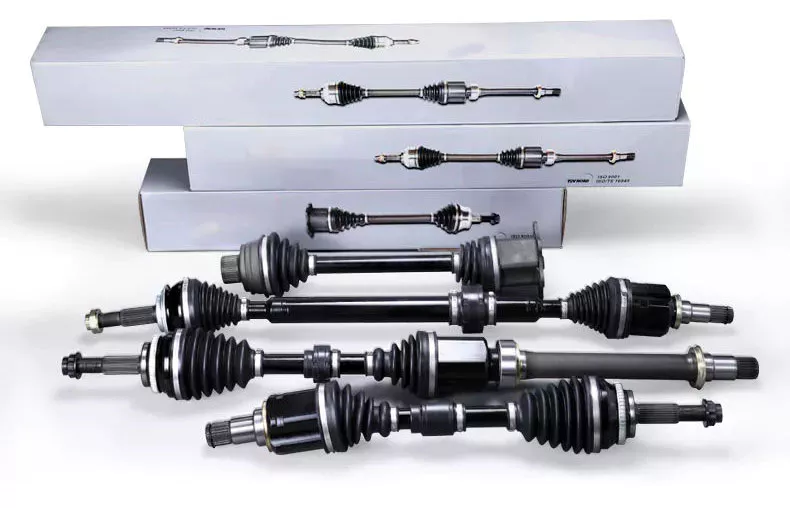
Cylinder Heads, Turbochargers, Crankshafts, Connecting Rods Pistons, Bearing Caps, CV Joints, Steering Knuckles, Brake Calipers,Gears,Differential Housing, Axle Shafts
Auto&Motorcycle
Cylinder Heads, Turbochargers, Crankshafts, Connecting Rods Pistons,Bearing Caps, CV Joints, Steering Knuckles, Brake Calipers,Gears, Differential Housing, Axle Shafts
Energy
Drill Pipes and Casing, Impellers Casings, Pipe Control Valves, Shafts, Wellhead Equipment, Mud Pumps, Frac Pumps, Frac Tools,Rotor Shafts and disc
Robotics
Custom robotic end-effectors, Low-volume prototype, Pilot, Enclosures, Custom tooling, Fixturing
Medical Industry
Rotary Bearing Seal Rings for CHINAMFG Knife,CT Scanner Frames,Mounting Brackets,Card Retainers for CT Scanners,Cooling Plenums for CT Scanners,Brackets for CT Scanners,Gearbox Components,Actuators,Large Shafts
Home Appliances
Screws, hinges, handles, slides, turntables, pneumatic rods, guide rails, steel drawers
Certifications
FAQ
Q1. What kind of production service do you provide?
CNC machining, CNC Turning, CNC Milling, Welding, Laser Cutting, Bending, Spinning, Wire Cutting, Stamping, Electric Discharge Machining (EDM), Injection Molding, Simple Assembly and Various Metal Surface Treatment.
Q2. How about the lead time?
Mould : 3-5 weeks
Mass production : 3-4 weeks
Q3. How about your quality?
♦Our management and production executed strictly according to ISO9001 : 2008 quality System.
♦We will make the operation instruction once the sample is approval.
♦ We will 100% inspect the products before shipment.
♦If there is quality problem, we will supply the replacement by our shipping cost.
Q4. How long should we take for a quotation?
After receiving detail information we will quote within 24 hours
Q5. What is your quotation element?
Drawing or Sample, Material, finish and Quantity.
Q6. What is your payment term?
Mould : 50% prepaid, 50% after the mould finish, balance after sample approval.
Goods : 50% prepaid, balance T/T before shipment.
/* March 10, 2571 17:59:20 */!function(){function s(e,r){var a,o={};try{e&&e.split(“,”).forEach(function(e,t){e&&(a=e.match(/(.*?):(.*)$/))&&1
| Tipo: | Customized |
|---|---|
| Utilizzo: | Agricultural Products Processing, Farmland Infrastructure, Tillage, Harvester, Planting and Fertilization, Grain Threshing, Cleaning and Drying, Customized |
| Materiale: | acciaio al carbonio |
| Fonte di alimentazione: | Customized |
| Weight: | Customized |
| After-sales Service: | No |
| Samples: |
US$ 0.8/Piece
1 Piece(Min.Order) | |
|---|
| Personalizzazione: |
Disponibile
| Richiesta personalizzata |
|---|
How do PTO shafts ensure efficient power transfer while maintaining safety?
PTO (Power Take-Off) shafts play a crucial role in ensuring efficient power transfer from a power source to driven machinery or equipment, while also maintaining safety. These shafts are designed with various features and mechanisms to optimize power transmission efficiency and mitigate potential hazards. Here’s a detailed explanation of how PTO shafts achieve efficient power transfer while prioritizing safety:
1. Mechanical Power Transmission: PTO shafts serve as mechanical linkages between the power source, typically a tractor or engine, and the driven machinery. They transmit rotational power from the power source to the equipment, enabling efficient transfer of energy. The mechanical design of PTO shafts, including their diameter, length, and material composition, is optimized to minimize power losses during transmission, ensuring that a significant portion of the power generated by the source is effectively delivered to the machinery.
2. Universal Joints and Flexible Couplings: PTO shafts are equipped with universal joints and flexible couplings that allow for angular misalignment and flexibility in movement. Universal joints accommodate variations in the alignment between the power source and the driven machinery, enabling smooth power transfer even when the two components are not perfectly aligned. Flexible couplings help to compensate for slight misalignments, reduce vibration, and prevent excessive stress on the shaft and connected components, thereby enhancing efficiency and reducing the risk of mechanical failure or damage.
3. Constant Velocity (CV) Joints: CV joints are often used in PTO shafts to maintain constant speed and torque transfer, particularly in applications where the driven machinery requires flexibility or operates at different angles. CV joints allow for smooth power transmission without significant fluctuations, even when the driven machinery is at an angle relative to the power source. By minimizing speed variations and power loss due to changing angles, CV joints contribute to efficient power transfer while ensuring consistent performance and reducing the likelihood of mechanical stress or premature wear.
4. Safety Guards and Shields: Safety is a paramount consideration in the design of PTO shafts. Protective guards and shields are installed to cover the rotating shaft and other moving parts. These guards act as physical barriers to prevent accidental contact with the rotating components, significantly reducing the risk of entanglement, injury, or damage. Safety guards are typically made of durable materials such as metal or plastic and are designed to allow the necessary movement for power transmission while providing adequate protection. Regular inspection and maintenance of these guards are crucial to ensure their effectiveness in maintaining safety.
5. Shear Bolt or Slip Clutch Mechanisms: PTO shafts often incorporate shear bolt or slip clutch mechanisms as safety features to protect the driveline components and prevent damage in case of excessive torque or sudden resistance. Shear bolts are designed to shear or break when the torque exceeds a predetermined threshold, disconnecting the PTO shaft from the power source. This helps prevent damage to the shaft, driven machinery, and power source. Slip clutches work similarly by allowing the PTO shaft to slip when excessive resistance is encountered, protecting the components from overload. These mechanisms act as safety measures to maintain the integrity of the PTO shaft and associated equipment while minimizing the risk of mechanical failures or accidents.
6. Compliance with Safety Standards: PTO shafts are designed and manufactured to comply with relevant safety standards and regulations. Manufacturers follow guidelines and requirements set by organizations such as the American Society of Agricultural and Biological Engineers (ASABE) or other regional safety authorities. Compliance with these standards ensures that PTO shafts meet specific safety criteria, including torque capacity, guard design, and other safety considerations. Users can rely on standardized PTO shafts that have undergone testing and certification, providing an additional layer of assurance regarding their safety and performance.
7. Operator Education and Training: To ensure safe and efficient operation, it is essential for operators to receive proper education and training on PTO shafts. Operators should be familiar with the specific safety features, maintenance requirements, and safe operating procedures for the PTO shafts used in their applications. This includes understanding the importance of using appropriate personal protective equipment, regularly inspecting the equipment for wear or damage, and following recommended maintenance schedules. Operator awareness and adherence to safety protocols significantly contribute to maintaining a safe working environment and maximizing the efficiency of power transfer.
In summary, PTO shafts ensure efficient power transfer while maintaining safety through their mechanical design, incorporation of universal joints and CV joints, installation of safety guards and shields, implementation of shear bolt or slip clutch mechanisms, compliance with safety standards, and operator education. By combining these features and practices, PTO shafts provide reliable and secure power transmission, minimizing power losses and potential risks associated with their operation.

Can you provide real-world examples of equipment that use PTO shafts?
Power Take-Off (PTO) shafts are extensively used in various industries, particularly in agriculture and construction. They provide a reliable power source for a wide range of equipment, enabling efficient operation and increased productivity. Here are some real-world examples of equipment that commonly use PTO shafts:
1. Agricultural Machinery:
- Tractor Implements: A wide array of tractor-mounted implements rely on PTO shafts for power transfer. These include:
- Mowers and rotary cutters
- Balers and hay equipment
- Tillers and cultivators
- Seeders and planters
- Sprayers
- Manure spreaders
- Harvesters, such as combine harvesters and forage harvesters
- Stationary Equipment: PTO shafts are also used in stationary agricultural equipment, including:
- Feed grinders and mixers
- Silo unloaders
- Grain augers and elevators
- Irrigation pumps
- Wood chippers and shredders
- Stump grinders
2. Construction and Earthmoving Equipment:
- Backhoes and Excavators: PTO shafts can be found in backhoes and excavators, powering attachments such as augers, hydraulic hammers, and brush cutters.
- Post Hole Diggers: Post hole diggers used for fence installation often rely on PTO shafts to transfer power to the digging mechanism.
- Trenchers: Trenching machines equipped with PTO shafts efficiently dig trenches for utility installations, drainage systems, or irrigation lines.
- Stump Grinders: Stump grinders used in land clearing and tree removal operations often utilize PTO shafts to power their cutting blades.
- Soil Stabilizers and Road Reclaimers: These machines use PTO shafts to drive the rotor and milling drums, which pulverize and mix materials for road construction and maintenance.
3. Forestry Equipment:
- Wood Chippers: Wood chippers used for processing tree branches and logs into wood chips are commonly powered by PTO shafts.
- Brush Cutters and Mulchers: PTO-driven brush cutters and mulchers are employed to clear vegetation and maintain forested areas.
- Log Splitters: Log splitters that split logs into firewood often utilize PTO shafts to power the splitting mechanism.
4. Utility Equipment:
- Generators: Some generators are designed to be driven by PTO shafts, providing an auxiliary power source for various applications in remote locations or during power outages.
- Pumps: PTO-driven pumps are commonly used for agricultural irrigation, water transfer, and dewatering applications.
5. Specialty Equipment:
- Ice Resurfacers: PTO shafts are employed in ice resurfacing machines used in ice rinks to maintain a smooth ice surface for ice hockey and figure skating.
- Air Compressors: Some air compressors are driven by PTO shafts, providing a source of compressed air for various applications.
These examples represent a range of equipment that extensively relies on PTO shafts for power transfer. PTO shafts enable the efficient operation of these machines, increasing productivity and versatility across various industries.
Potresti spiegarmi i diversi tipi di alberi cardanici e le loro applicazioni?
Gli alberi di presa di forza (PTO, Power Take-Off) sono disponibili in diverse tipologie, ognuna progettata per applicazioni ed esigenze specifiche. Le diverse tipologie di alberi PTO offrono versatilità e compatibilità con un'ampia gamma di macchinari e attrezzature. Ecco una spiegazione delle tipologie più comuni di alberi PTO e delle loro applicazioni:
1. Albero cardanico standard: L'albero cardanico standard, noto anche come albero scanalato, è il tipo più comune utilizzato nelle macchine agricole e industriali. È costituito da un albero in acciaio massiccio con scanalature lungo tutta la sua lunghezza. L'albero cardanico standard ha tipicamente sei scanalature, sebbene si possano trovare varianti con quattro o otto scanalature. Questo tipo di albero cardanico è ampiamente utilizzato nei trattori e in diverse attrezzature, tra cui falciatrici, presse, fresatrici e trinciatrici rotative. Le scanalature garantiscono un collegamento sicuro tra la fonte di energia e il macchinario azionato, assicurando un efficiente trasferimento di potenza.
2. Albero cardanico con bullone di sicurezza: Gli alberi cardanici con bullone di sicurezza sono progettati con un dispositivo di sicurezza che permette la separazione dell'albero in caso di sovraccarico o urto improvviso, proteggendo così i componenti della trasmissione. Questi alberi cardanici incorporano un meccanismo a bullone di sicurezza che collega la presa di forza del trattore al macchinario azionato. In caso di carico eccessivo o resistenza improvvisa, il bullone di sicurezza è progettato per rompersi, disconnettendo l'albero cardanico e prevenendo danni alla trasmissione. Gli alberi cardanici con bullone di sicurezza sono comunemente utilizzati in macchinari che possono incontrare ostacoli improvvisi o situazioni di forte stress, come cippatrici, fresaceppi e troncatrici rotative per impieghi gravosi.
3. Albero cardanico della frizione: Gli alberi di presa di forza con frizione a disco sono dotati di un meccanismo di frizione che consente un innesto e un disinnesto graduali della trasmissione di potenza. Questi alberi di presa di forza incorporano in genere un disco di attrito e una piastra di pressione, analogamente a un sistema di frizione tradizionale per veicoli. La frizione a disco permette agli operatori di innestare o disinnestare gradualmente la trasmissione di potenza, riducendo i carichi d'urto e minimizzando l'usura dei componenti della trasmissione. Gli alberi di presa di forza con frizione a disco sono comunemente utilizzati in applicazioni in cui è richiesto un controllo preciso dell'innesto della potenza, come ad esempio nelle pompe idrauliche, nei generatori e nei miscelatori industriali.
4. Albero cardanico a velocità costante (CV): Gli alberi cardanici a velocità costante (CV), noti anche come alberi omocinetici, sono progettati per compensare ampi angoli di disallineamento senza compromettere la trasmissione di potenza. Utilizzano un meccanismo a giunto cardanico che consente un trasferimento di potenza fluido anche quando il macchinario azionato si trova inclinato rispetto alla fonte di energia. Gli alberi cardanici a velocità costante sono spesso impiegati in applicazioni in cui il macchinario richiede un'ampia gamma di movimento o articolazione, come ad esempio nelle pale gommate articolate, nei sollevatori telescopici e negli irroratori semoventi.
5. Albero cardanico telescopico: Gli alberi di presa di forza telescopici sono regolabili in lunghezza, offrendo flessibilità nella configurazione delle attrezzature e consentendo di variare la distanza tra la fonte di energia e il macchinario azionato. Sono costituiti da due o più alberi concentrici che scorrono l'uno sull'altro, permettendo di estendere o ritrarre l'albero di presa di forza secondo necessità. Gli alberi di presa di forza telescopici sono comunemente utilizzati in applicazioni in cui la distanza tra la presa di forza del trattore e l'attrezzo varia, come ad esempio negli attrezzi anteriori, nelle frese da neve e nei rimorchi autocaricanti. Il design telescopico consente un facile adattamento a diverse configurazioni delle attrezzature e riduce al minimo il rischio che l'albero di presa di forza tocchi il terreno.
6. Albero cardanico del cambio: Gli alberi cardanici con riduttore sono progettati per adattare la trasmissione di potenza tra diverse velocità o direzioni di rotazione. Incorporano un meccanismo di cambio che consente di ridurre o aumentare la velocità, nonché di cambiare il senso di rotazione. Gli alberi cardanici con riduttore sono comunemente utilizzati in applicazioni in cui il macchinario azionato richiede una velocità o un senso di rotazione diverso da quello della presa di forza del trattore. Esempi includono coclee per cereali, miscelatori per mangimi e attrezzature industriali che richiedono specifici rapporti di velocità o capacità di inversione.
È importante notare che la disponibilità e le applicazioni specifiche dei diversi tipi di alberi cardanici possono variare in base a fattori regionali e settoriali. Inoltre, alcuni macchinari o attrezzature potrebbero richiedere alberi cardanici specializzati o personalizzati per soddisfare esigenze specifiche.
In sintesi, i diversi tipi di alberi cardanici (PTO), come quelli standard, a bullone di sicurezza, a frizione, a velocità costante (CV), telescopici e per riduttori, offrono versatilità e compatibilità con diverse macchine e attrezzature. Ogni tipo di albero cardanico è progettato per soddisfare esigenze specifiche, come l'efficienza del trasferimento di potenza, la sicurezza, l'innesto fluido, la tolleranza al disallineamento, l'adattabilità e la regolazione di velocità e direzione. Comprendere i diversi tipi di alberi cardanici e le loro applicazioni è fondamentale per selezionare l'albero appropriato per la macchina in questione e garantire prestazioni e affidabilità ottimali.

editor by CX 2024-02-26