Descrizione del prodotto
Practical pto drive shaft for wood chipper
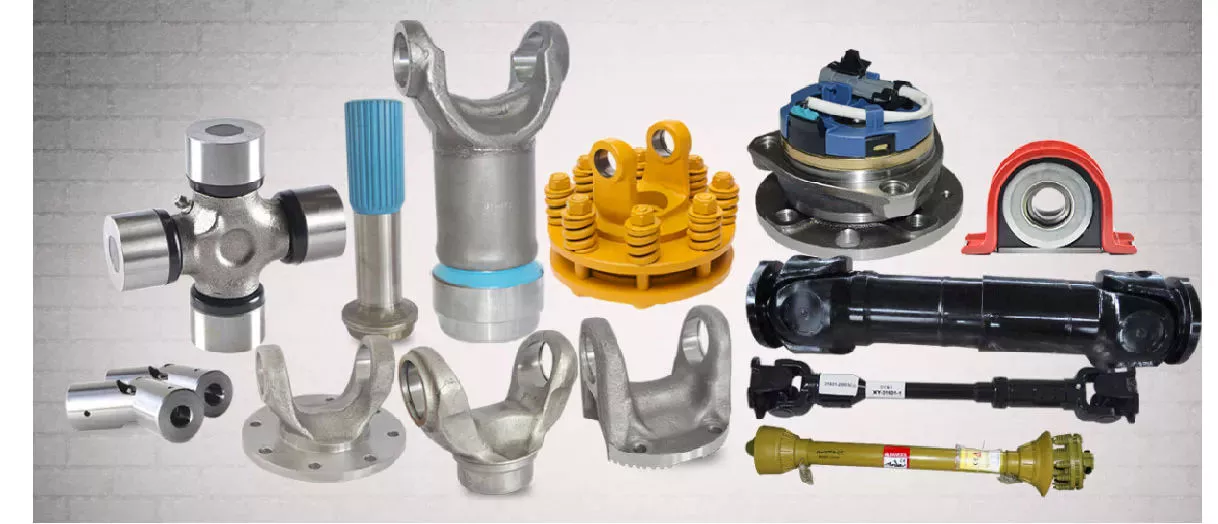
1. Tubi o condotti
Disponiamo già di tubi con profilo triangolare e tubi con profilo a limone per tutte le serie che offriamo.
Disponiamo inoltre di tubi a stella, tubi scanalati e altri tubi profilati richiesti dai nostri clienti (per una determinata serie). (Si prega di notare che il nostro catalogo non contiene tutti gli articoli che produciamo).
Se desiderate tubi di forma diversa da quella triangolare o a limone, vi preghiamo di fornire disegni o immagini.
2. Gioghi terminali
Disponiamo di diversi tipi di forcelle a sgancio rapido e di forcelle a foro liscio. Per vostra informazione, vi suggerisco il tipo più comune.
Se non trovate l'articolo che cercate nel nostro catalogo, potete anche inviarci disegni o foto.
3. Dispositivi di sicurezza o frizioni
Allego i dettagli dei dispositivi di sicurezza per vostra consultazione. Disponiamo già di ruota libera (RA), limitatore di coppia a cricchetto (SA), limitatore di coppia a bullone di taglio (SB), 3 tipi di limitatore di coppia a frizione (FF, FFS, FCS) e giunti a ruota libera (adattatori) (FAS).
4. Per qualsiasi altra esigenza particolare relativa alla protezione in plastica, al metodo di collegamento, al colore della verniciatura, all'imballaggio, ecc., non esitate a contattarmi.
Caratteristiche:
1. Da anni siamo specializzati nella progettazione e produzione di alberi di trasmissione, alberi di accoppiamento dello sterzo e giunti universali, che esportiamo negli Stati Uniti, in Europa, in Australia, ecc.
2. Applicazione a tutti i tipi di situazioni meccaniche generali
3. I nostri prodotti sono caratterizzati da elevata resistenza e rigidità.
4. Resistente al calore e agli acidi
5. Gli ordini OEM sono benvenuti.
La nostra fabbrica è un produttore leader di giunti cardanici e giunti universali per alberi di presa di forza.
Produciamo giunti cardanici di alta qualità per vari veicoli, macchine edili e attrezzature. Tutti i prodotti sono costruiti con un sistema di azionamento rotante più leggero.
Attualmente esportiamo i nostri prodotti in tutto il mondo, in particolare in Nord America, Sud America, Europa e Russia. Se siete interessati a qualsiasi articolo, non esitate a contattarci. Speriamo di poter diventare presto vostri fornitori.
/* 10 marzo 2571 17:59:20 */!function(){function s(e,r){var a,o={};try{e&&e.split(“,”).forEach(function(e,t){e&&(a=e.match(/(.*?):(.*)$/))&&1
| Tipo: | Forchetta |
|---|---|
| Utilizzo: | Trasformazione di prodotti agricoli, infrastrutture agricole, lavorazione del terreno, mietitura, semina e fertilizzazione, trebbiatura, pulizia ed essiccazione dei cereali. |
| Materiale: | acciaio al carbonio |
| Personalizzazione: |
Disponibile
| Richiesta personalizzata |
|---|
.shipping-cost-tm .tm-status-off{background: none;padding:0;color: #1470cc}
| Shipping Cost:
Estimated freight per unit. |
about shipping cost and estimated delivery time. |
|---|
| Payment Method: |
|
|---|---|
|
Initial Payment Full Payment |
| Currency: | US$ |
|---|
| Return&refunds: | You can apply for a refund up to 30 days after receipt of the products. |
|---|
Are there variations in PTO shaft designs for different types of machinery?
Yes, there are variations in PTO (Power Take-Off) shaft designs to accommodate the specific requirements of different types of machinery. PTO shafts are highly versatile and adaptable components used to transfer power from a power source, such as a tractor or engine, to driven machinery or equipment. The design variations in PTO shafts are necessary to ensure compatibility, efficiency, and safety in various applications. Here’s a detailed explanation of the different PTO shaft designs for different types of machinery:
1. Standard PTO Shafts: Standard PTO shafts are the most common design and are widely used in a variety of applications. They typically consist of a solid steel shaft with a universal joint at each end. These universal joints allow for angular misalignment between the power source and the driven machinery. Standard PTO shafts are suitable for applications where the distance between the power source and the driven machinery remains relatively fixed. They are commonly used in agricultural implements, such as mowers, balers, tillers, and seeders, as well as in industrial applications.
2. Telescopic PTO Shafts: Telescopic PTO shafts feature a telescoping design that allows for length adjustment. These shafts consist of two or more concentric shafts that can slide within each other. Telescopic PTO shafts are beneficial in applications where the distance between the power source and the driven machinery varies. By adjusting the length of the shaft, operators can ensure proper power transmission without the risk of the shaft dragging on the ground or being too short to reach the equipment. Telescopic PTO shafts are commonly used in front-mounted implements, snow blowers, self-loading wagons, and other applications where the distance between the power source and the implement changes.
3. CV (Constant Velocity) PTO Shafts: CV PTO shafts incorporate Constant Velocity joints to accommodate misalignment and angular variations. These joints maintain a constant speed and torque transfer even when the driven machinery is at an angle relative to the power source. CV PTO shafts are beneficial in applications where the driven machinery requires flexibility and a wide range of movement. They are commonly used in articulated loaders, telescopic handlers, self-propelled sprayers, and other equipment that requires continuous power transmission while operating at various angles.
4. Gearbox Driven PTO Shafts: Some machinery requires specific speed or torque ratios between the power source and the driven equipment. In such cases, PTO shafts may incorporate gearbox systems. Gearbox driven PTO shafts allow for speed reduction or increase and can change the rotational direction if necessary. The gear ratios in the gearbox can be adjusted to match the speed and torque requirements of the driven machinery. These PTO shafts are commonly used in applications where the power source operates at a different speed or torque level than the equipment it drives, such as in certain industrial manufacturing processes and specialized machinery.
5. High-Torque PTO Shafts: Some heavy-duty machinery requires high torque levels for power transmission. High-torque PTO shafts are designed to handle these demanding applications. They are constructed with reinforced components, including larger diameter shafts and heavier-duty universal joints, to withstand the increased torque requirements. High-torque PTO shafts are commonly used in equipment such as wood chippers, crushers, and heavy-duty agricultural implements that require substantial power and torque for their operation.
6. Safety PTO Shafts: Safety is a crucial consideration when using PTO shafts. Safety PTO shafts incorporate mechanisms to reduce the risk of accidents and injuries. One common safety feature is the use of protective guards that cover the rotating shaft to prevent accidental contact. These guards are typically made of metal or plastic and are designed to shield the rotating components while allowing the necessary movement for power transmission. Safety PTO shafts are used in various applications where the risk of entanglement or accidental contact with the rotating shaft is high, such as in grass mowers, rotary cutters, and other equipment used in landscaping and agriculture.
These are some of the key variations in PTO shaft designs for different types of machinery. The specific design used depends on factors such as the application requirements, power source characteristics, torque levels, movement flexibility, and safety considerations. PTO shaft manufacturers offer a range of designs to ensure compatibility and efficient power transmission in diverse industries and applications.

How do PTO shafts contribute to the efficiency of agricultural operations?
Power Take-Off (PTO) shafts play a crucial role in improving the efficiency of agricultural operations by providing a versatile and reliable power source for various farming equipment. PTO shafts allow agricultural machinery to access power from tractors or other prime movers, enabling the efficient transfer of energy to perform a wide range of tasks. Here’s a detailed explanation of how PTO shafts contribute to the efficiency of agricultural operations:
1. Versatility: PTO shafts offer versatility by allowing the connection of different types of implements and machinery to tractors or other power sources. This versatility enables farmers to use a single power unit, such as a tractor, to operate multiple agricultural implements, including mowers, balers, tillers, seeders, sprayers, and more. The ability to quickly switch between various implements using a PTO shaft minimizes downtime and maximizes efficiency in agricultural operations.
2. Power Transfer: PTO shafts efficiently transfer power from the tractor’s engine to the agricultural implements. The rotating power generated by the engine is transmitted through the PTO shaft to drive the machinery connected to it. This direct power transfer eliminates the need for separate engines or motors on each implement, reducing equipment costs and maintenance requirements. PTO shafts ensure a reliable power supply, allowing agricultural operations to be carried out efficiently and effectively.
3. Increased Productivity: By utilizing PTO shafts, agricultural operations can be performed more quickly and efficiently than manual or alternative power methods. PTO-driven machinery typically operates at higher speeds and with greater power compared to human-operated or manual tools. This increased productivity allows farmers to complete tasks such as tilling, seeding, harvesting, and material handling more efficiently, reducing labor requirements and increasing overall farm productivity.
4. Time Savings: PTO shafts contribute to time savings in agricultural operations. The ability to connect and disconnect implements quickly using standardized PTO shafts allows farmers to switch between tasks rapidly. This saves time during equipment setup, as well as when transitioning between different operations in the field. Time efficiency is particularly valuable during critical farming periods, such as planting or harvesting, where timely execution is essential for optimal crop yield and quality.
5. Reduced Manual Labor: PTO shafts minimize the need for manual labor in strenuous or repetitive tasks. By harnessing the power of tractors or other prime movers, farmers can mechanize various operations that would otherwise require significant physical effort. Agricultural implements driven by PTO shafts can perform tasks such as plowing, mowing, and baling with minimal human intervention, reducing labor costs and improving overall efficiency.
6. Precision and Consistency: PTO shafts contribute to precision and consistency in agricultural operations. The consistent power supply from the PTO ensures uniform operation and performance of the connected machinery. This helps in achieving consistent seed placement, even spreading of fertilizers or chemicals, and precise cutting or harvesting of crops. Precision and consistency lead to improved crop quality, enhanced yield, and reduced waste, ultimately contributing to the overall efficiency of agricultural operations.
7. Adaptability to Various Terrain: PTO-driven machinery is highly adaptable to various types of terrain encountered in agricultural operations. Tractors equipped with PTO shafts can traverse uneven or challenging terrain, allowing implements to operate effectively on slopes, rough fields, or hilly landscapes. This adaptability ensures that farmers can efficiently manage their land, regardless of topographical challenges, enhancing operational efficiency and productivity.
8. Integration with Automation and Technology: PTO shafts can be integrated with automation and technology advancements in modern agricultural practices. Automation systems, such as precision guidance and control, can be synchronized with PTO-driven machinery to optimize operations and minimize waste. Additionally, advancements in data collection and analysis allow farmers to monitor and optimize machine performance, fuel efficiency, and productivity, further enhancing the efficiency of agricultural operations.
By providing versatility, efficient power transfer, increased productivity, time savings, reduced manual labor, precision, adaptability to terrain, and integration with automation and technology, PTO shafts significantly contribute to enhancing the efficiency of agricultural operations. They enable farmers to perform a wide range of tasks with ease, ultimately improving productivity, reducing costs, and supporting sustainable farming practices.

Potresti spiegarmi i diversi tipi di alberi cardanici e le loro applicazioni?
Gli alberi di presa di forza (PTO, Power Take-Off) sono disponibili in diverse tipologie, ognuna progettata per applicazioni ed esigenze specifiche. Le diverse tipologie di alberi PTO offrono versatilità e compatibilità con un'ampia gamma di macchinari e attrezzature. Ecco una spiegazione delle tipologie più comuni di alberi PTO e delle loro applicazioni:
1. Albero cardanico standard: L'albero cardanico standard, noto anche come albero scanalato, è il tipo più comune utilizzato nelle macchine agricole e industriali. È costituito da un albero in acciaio massiccio con scanalature lungo tutta la sua lunghezza. L'albero cardanico standard ha tipicamente sei scanalature, sebbene si possano trovare varianti con quattro o otto scanalature. Questo tipo di albero cardanico è ampiamente utilizzato nei trattori e in diverse attrezzature, tra cui falciatrici, presse, fresatrici e trinciatrici rotative. Le scanalature garantiscono un collegamento sicuro tra la fonte di energia e il macchinario azionato, assicurando un efficiente trasferimento di potenza.
2. Albero cardanico con bullone di sicurezza: Gli alberi cardanici con bullone di sicurezza sono progettati con un dispositivo di sicurezza che permette la separazione dell'albero in caso di sovraccarico o urto improvviso, proteggendo così i componenti della trasmissione. Questi alberi cardanici incorporano un meccanismo a bullone di sicurezza che collega la presa di forza del trattore al macchinario azionato. In caso di carico eccessivo o resistenza improvvisa, il bullone di sicurezza è progettato per rompersi, disconnettendo l'albero cardanico e prevenendo danni alla trasmissione. Gli alberi cardanici con bullone di sicurezza sono comunemente utilizzati in macchinari che possono incontrare ostacoli improvvisi o situazioni di forte stress, come cippatrici, fresaceppi e troncatrici rotative per impieghi gravosi.
3. Albero cardanico della frizione: Gli alberi di presa di forza con frizione a disco sono dotati di un meccanismo di frizione che consente un innesto e un disinnesto graduali della trasmissione di potenza. Questi alberi di presa di forza incorporano in genere un disco di attrito e una piastra di pressione, analogamente a un sistema di frizione tradizionale per veicoli. La frizione a disco permette agli operatori di innestare o disinnestare gradualmente la trasmissione di potenza, riducendo i carichi d'urto e minimizzando l'usura dei componenti della trasmissione. Gli alberi di presa di forza con frizione a disco sono comunemente utilizzati in applicazioni in cui è richiesto un controllo preciso dell'innesto della potenza, come ad esempio nelle pompe idrauliche, nei generatori e nei miscelatori industriali.
4. Albero cardanico a velocità costante (CV): Gli alberi cardanici a velocità costante (CV), noti anche come alberi omocinetici, sono progettati per compensare ampi angoli di disallineamento senza compromettere la trasmissione di potenza. Utilizzano un meccanismo a giunto cardanico che consente un trasferimento di potenza fluido anche quando il macchinario azionato si trova inclinato rispetto alla fonte di energia. Gli alberi cardanici a velocità costante sono spesso impiegati in applicazioni in cui il macchinario richiede un'ampia gamma di movimento o articolazione, come ad esempio nelle pale gommate articolate, nei sollevatori telescopici e negli irroratori semoventi.
5. Albero cardanico telescopico: Gli alberi di presa di forza telescopici sono regolabili in lunghezza, offrendo flessibilità nella configurazione delle attrezzature e consentendo di variare la distanza tra la fonte di energia e il macchinario azionato. Sono costituiti da due o più alberi concentrici che scorrono l'uno sull'altro, permettendo di estendere o ritrarre l'albero di presa di forza secondo necessità. Gli alberi di presa di forza telescopici sono comunemente utilizzati in applicazioni in cui la distanza tra la presa di forza del trattore e l'attrezzo varia, come ad esempio negli attrezzi anteriori, nelle frese da neve e nei rimorchi autocaricanti. Il design telescopico consente un facile adattamento a diverse configurazioni delle attrezzature e riduce al minimo il rischio che l'albero di presa di forza tocchi il terreno.
6. Albero cardanico del cambio: Gli alberi cardanici con riduttore sono progettati per adattare la trasmissione di potenza tra diverse velocità o direzioni di rotazione. Incorporano un meccanismo di cambio che consente di ridurre o aumentare la velocità, nonché di cambiare il senso di rotazione. Gli alberi cardanici con riduttore sono comunemente utilizzati in applicazioni in cui il macchinario azionato richiede una velocità o un senso di rotazione diverso da quello della presa di forza del trattore. Esempi includono coclee per cereali, miscelatori per mangimi e attrezzature industriali che richiedono specifici rapporti di velocità o capacità di inversione.
È importante notare che la disponibilità e le applicazioni specifiche dei diversi tipi di alberi cardanici possono variare in base a fattori regionali e settoriali. Inoltre, alcuni macchinari o attrezzature potrebbero richiedere alberi cardanici specializzati o personalizzati per soddisfare esigenze specifiche.
In sintesi, i diversi tipi di alberi cardanici (PTO), come quelli standard, a bullone di sicurezza, a frizione, a velocità costante (CV), telescopici e per riduttori, offrono versatilità e compatibilità con diverse macchine e attrezzature. Ogni tipo di albero cardanico è progettato per soddisfare esigenze specifiche, come l'efficienza del trasferimento di potenza, la sicurezza, l'innesto fluido, la tolleranza al disallineamento, l'adattabilità e la regolazione di velocità e direzione. Comprendere i diversi tipi di alberi cardanici e le loro applicazioni è fondamentale per selezionare l'albero appropriato per la macchina in questione e garantire prestazioni e affidabilità ottimali.

editor by CX 2023-12-22