Descrizione del prodotto
T4-660-01B-07G-YIIIP Agriculture PTO Drive Shaft for Earth Mover and Potato Harvester
| Product: | PTO Drive Shaft |
| Model: | T4-660-01B-07G-YIIIP |
| Size: | φ27*74.6 Length 660mm |
| Raw Material: | 45# Steel |
| Durezza: | 58-64HRC |
| Delivery Date: | 7-60 Days |
| MOQ: | 100 sets or according to stocks without minimum Qty. |
| Sample: | Acceptable |
| We could produce all kinds of PTO Drive Shaft and Parts according to customers’ requirement. | |
| REF. | UJ | L.mm |
| T4-660-01B-07G-YIIIP | ø27*74.6 | 660 |
About us
We have more than 17 years experience of Spare parts, especially on Drive Line Parts.
We deeply participant in the Auto Spare parts business in HangZhou city which is the most import spare parts production area in China.
We are supply products with good cost performance for different customers of all over the world.
We keep very good relationship with local produces with the WIN-WIN-WIN policy.
Factory supply good and fast products;
We supply good and fast service;
And Customers gain the good products and good service for their customers.
This is a healthy and strong equilateral triangle keep HangZhou Speedway going forward until now.
/* 22 gennaio 2571 19:08:37 */!function(){function s(e,r){var a,o={};try{e&&e.split(“,”).forEach(function(e,t){e&&(a=e.match(/(.*?):(.*)$/))&&1
| Tipo: | Transmission |
|---|---|
| Utilizzo: | Tillage, Harvester, Planting and Fertilization |
| Materiale: | 45# Steel |
| Fonte di alimentazione: | Diesel |
| Peso: | 8 |
| Servizio post-vendita: | Online Support |
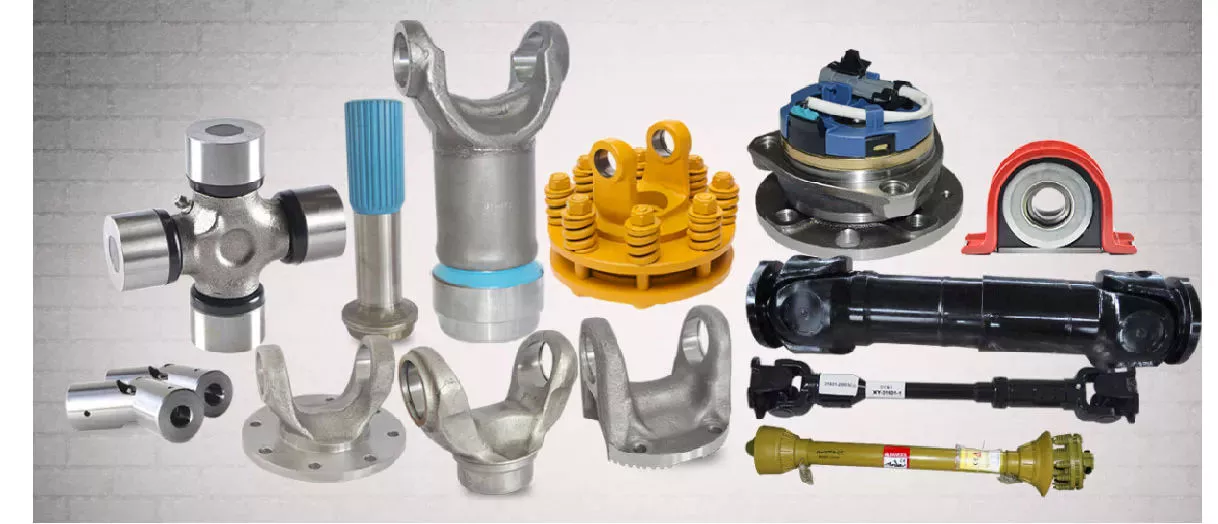
Are there variations in PTO shaft designs for different types of machinery?
Yes, there are variations in PTO (Power Take-Off) shaft designs to accommodate the specific requirements of different types of machinery. PTO shafts are highly versatile and adaptable components used to transfer power from a power source, such as a tractor or engine, to driven machinery or equipment. The design variations in PTO shafts are necessary to ensure compatibility, efficiency, and safety in various applications. Here’s a detailed explanation of the different PTO shaft designs for different types of machinery:
1. Standard PTO Shafts: Standard PTO shafts are the most common design and are widely used in a variety of applications. They typically consist of a solid steel shaft with a universal joint at each end. These universal joints allow for angular misalignment between the power source and the driven machinery. Standard PTO shafts are suitable for applications where the distance between the power source and the driven machinery remains relatively fixed. They are commonly used in agricultural implements, such as mowers, balers, tillers, and seeders, as well as in industrial applications.
2. Telescopic PTO Shafts: Telescopic PTO shafts feature a telescoping design that allows for length adjustment. These shafts consist of two or more concentric shafts that can slide within each other. Telescopic PTO shafts are beneficial in applications where the distance between the power source and the driven machinery varies. By adjusting the length of the shaft, operators can ensure proper power transmission without the risk of the shaft dragging on the ground or being too short to reach the equipment. Telescopic PTO shafts are commonly used in front-mounted implements, snow blowers, self-loading wagons, and other applications where the distance between the power source and the implement changes.
3. CV (Constant Velocity) PTO Shafts: CV PTO shafts incorporate Constant Velocity joints to accommodate misalignment and angular variations. These joints maintain a constant speed and torque transfer even when the driven machinery is at an angle relative to the power source. CV PTO shafts are beneficial in applications where the driven machinery requires flexibility and a wide range of movement. They are commonly used in articulated loaders, telescopic handlers, self-propelled sprayers, and other equipment that requires continuous power transmission while operating at various angles.
4. Gearbox Driven PTO Shafts: Some machinery requires specific speed or torque ratios between the power source and the driven equipment. In such cases, PTO shafts may incorporate gearbox systems. Gearbox driven PTO shafts allow for speed reduction or increase and can change the rotational direction if necessary. The gear ratios in the gearbox can be adjusted to match the speed and torque requirements of the driven machinery. These PTO shafts are commonly used in applications where the power source operates at a different speed or torque level than the equipment it drives, such as in certain industrial manufacturing processes and specialized machinery.
5. High-Torque PTO Shafts: Some heavy-duty machinery requires high torque levels for power transmission. High-torque PTO shafts are designed to handle these demanding applications. They are constructed with reinforced components, including larger diameter shafts and heavier-duty universal joints, to withstand the increased torque requirements. High-torque PTO shafts are commonly used in equipment such as wood chippers, crushers, and heavy-duty agricultural implements that require substantial power and torque for their operation.
6. Safety PTO Shafts: Safety is a crucial consideration when using PTO shafts. Safety PTO shafts incorporate mechanisms to reduce the risk of accidents and injuries. One common safety feature is the use of protective guards that cover the rotating shaft to prevent accidental contact. These guards are typically made of metal or plastic and are designed to shield the rotating components while allowing the necessary movement for power transmission. Safety PTO shafts are used in various applications where the risk of entanglement or accidental contact with the rotating shaft is high, such as in grass mowers, rotary cutters, and other equipment used in landscaping and agriculture.
These are some of the key variations in PTO shaft designs for different types of machinery. The specific design used depends on factors such as the application requirements, power source characteristics, torque levels, movement flexibility, and safety considerations. PTO shaft manufacturers offer a range of designs to ensure compatibility and efficient power transmission in diverse industries and applications.

How do PTO shafts contribute to the efficiency of agricultural operations?
Power Take-Off (PTO) shafts play a crucial role in improving the efficiency of agricultural operations by providing a versatile and reliable power source for various farming equipment. PTO shafts allow agricultural machinery to access power from tractors or other prime movers, enabling the efficient transfer of energy to perform a wide range of tasks. Here’s a detailed explanation of how PTO shafts contribute to the efficiency of agricultural operations:
1. Versatility: PTO shafts offer versatility by allowing the connection of different types of implements and machinery to tractors or other power sources. This versatility enables farmers to use a single power unit, such as a tractor, to operate multiple agricultural implements, including mowers, balers, tillers, seeders, sprayers, and more. The ability to quickly switch between various implements using a PTO shaft minimizes downtime and maximizes efficiency in agricultural operations.
2. Power Transfer: PTO shafts efficiently transfer power from the tractor’s engine to the agricultural implements. The rotating power generated by the engine is transmitted through the PTO shaft to drive the machinery connected to it. This direct power transfer eliminates the need for separate engines or motors on each implement, reducing equipment costs and maintenance requirements. PTO shafts ensure a reliable power supply, allowing agricultural operations to be carried out efficiently and effectively.
3. Increased Productivity: By utilizing PTO shafts, agricultural operations can be performed more quickly and efficiently than manual or alternative power methods. PTO-driven machinery typically operates at higher speeds and with greater power compared to human-operated or manual tools. This increased productivity allows farmers to complete tasks such as tilling, seeding, harvesting, and material handling more efficiently, reducing labor requirements and increasing overall farm productivity.
4. Time Savings: PTO shafts contribute to time savings in agricultural operations. The ability to connect and disconnect implements quickly using standardized PTO shafts allows farmers to switch between tasks rapidly. This saves time during equipment setup, as well as when transitioning between different operations in the field. Time efficiency is particularly valuable during critical farming periods, such as planting or harvesting, where timely execution is essential for optimal crop yield and quality.
5. Reduced Manual Labor: PTO shafts minimize the need for manual labor in strenuous or repetitive tasks. By harnessing the power of tractors or other prime movers, farmers can mechanize various operations that would otherwise require significant physical effort. Agricultural implements driven by PTO shafts can perform tasks such as plowing, mowing, and baling with minimal human intervention, reducing labor costs and improving overall efficiency.
6. Precision and Consistency: PTO shafts contribute to precision and consistency in agricultural operations. The consistent power supply from the PTO ensures uniform operation and performance of the connected machinery. This helps in achieving consistent seed placement, even spreading of fertilizers or chemicals, and precise cutting or harvesting of crops. Precision and consistency lead to improved crop quality, enhanced yield, and reduced waste, ultimately contributing to the overall efficiency of agricultural operations.
7. Adaptability to Various Terrain: PTO-driven machinery is highly adaptable to various types of terrain encountered in agricultural operations. Tractors equipped with PTO shafts can traverse uneven or challenging terrain, allowing implements to operate effectively on slopes, rough fields, or hilly landscapes. This adaptability ensures that farmers can efficiently manage their land, regardless of topographical challenges, enhancing operational efficiency and productivity.
8. Integration with Automation and Technology: PTO shafts can be integrated with automation and technology advancements in modern agricultural practices. Automation systems, such as precision guidance and control, can be synchronized with PTO-driven machinery to optimize operations and minimize waste. Additionally, advancements in data collection and analysis allow farmers to monitor and optimize machine performance, fuel efficiency, and productivity, further enhancing the efficiency of agricultural operations.
By providing versatility, efficient power transfer, increased productivity, time savings, reduced manual labor, precision, adaptability to terrain, and integration with automation and technology, PTO shafts significantly contribute to enhancing the efficiency of agricultural operations. They enable farmers to perform a wide range of tasks with ease, ultimately improving productivity, reducing costs, and supporting sustainable farming practices.
Quali vantaggi offrono gli alberi cardanici per diverse tipologie di macchinari?
Gli alberi di presa di forza (PTO) offrono numerosi vantaggi per diverse tipologie di macchinari in ambito agricolo e industriale. Forniscono un mezzo flessibile ed efficiente per la trasmissione di potenza, consentendo ai macchinari di svolgere compiti e funzioni specifici. Ecco una spiegazione dettagliata dei vantaggi offerti dagli alberi di presa di forza per diverse tipologie di macchinari:
Versatilità: Gli alberi cardanici contribuiscono alla versatilità dei macchinari, consentendo di alimentarli con un'unica fonte di energia, come un trattore o un motore. Ciò significa che una singola fonte di energia può essere utilizzata per azionare più attrezzi o macchinari semplicemente collegando e scollegando l'albero cardanico. Ad esempio, in agricoltura, un trattore dotato di albero cardanico può alimentare diversi attrezzi come falciatrici, presse, fresatrici, irroratrici e coclee per cereali. Analogamente, nelle applicazioni industriali, gli alberi cardanici consentono l'utilizzo di un singolo motore per alimentare diverse macchine o attrezzature, come generatori, pompe, compressori e miscelatori industriali.
Efficienza: Gli alberi cardanici (PTO) offrono un metodo efficiente per il trasferimento di potenza dalla fonte di energia al macchinario. Collegando direttamente la fonte di energia alla macchina azionata, gli alberi cardanici riducono al minimo le perdite di energia che possono verificarsi con altri metodi di trasmissione. Questo trasferimento diretto di potenza si traduce in una maggiore efficienza e prestazioni complessive del macchinario. Inoltre, gli alberi cardanici consentono di regolare la velocità di rotazione e la potenza erogata in base alle esigenze specifiche del macchinario, garantendo un funzionamento ottimale e riducendo il consumo energetico superfluo.
Risparmio sui costi: L'utilizzo di alberi cardanici (PTO) può portare a risparmi sui costi in diversi modi. In primo luogo, utilizzando un'unica fonte di energia per azionare più macchine o attrezzature, si elimina la necessità di motori separati per ogni singolo macchinario, riducendo i costi di investimento. In secondo luogo, gli alberi cardanici eliminano la necessità di ulteriori fonti di carburante o energia, poiché attingono alla fonte di alimentazione esistente, con conseguente riduzione delle spese per carburante o energia. Inoltre, la versatilità offerta dagli alberi cardanici consente un migliore utilizzo delle attrezzature, massimizzando il ritorno sull'investimento.
Flessibilità: Gli alberi cardanici (PTO) offrono flessibilità in termini di impostazione e configurazione delle apparecchiature. Possono essere regolati in lunghezza o dotati di sezioni telescopiche, consentendo un facile adattamento a diverse configurazioni e distanze variabili tra la fonte di energia e le macchine azionate. Questa flessibilità permette agli operatori di collegare e scollegare rapidamente gli alberi cardanici secondo necessità, facilitando cambi di attrezzatura efficienti e riducendo i tempi di inattività. Inoltre, la possibilità di regolare la velocità di rotazione e la potenza erogata dagli alberi cardanici aggiunge ulteriore flessibilità, adattandosi alle esigenze specifiche di diverse macchine e applicazioni.
Facilità d'uso: Gli alberi cardanici (PTO) sono relativamente facili da usare, il che li rende accessibili anche a operatori con una formazione minima. Il processo di collegamento e scollegamento degli alberi cardanici è semplice e spesso prevede l'utilizzo di un semplice giunto o meccanismo di bloccaggio. Questa facilità d'uso migliora l'operatività delle attrezzature, consentendo agli operatori di passare rapidamente da un attrezzo all'altro o da una macchina all'altra senza sforzi significativi o procedure che richiedono molto tempo. Inoltre, il trasferimento diretto di potenza attraverso gli alberi cardanici semplifica il funzionamento delle attrezzature, poiché i macchinari possono essere alimentati dalla fonte di energia esistente senza la necessità di controlli aggiuntivi o sistemi di gestione dell'energia.
Aumento della produttività: Gli alberi cardanici contribuiscono ad aumentare la produttività nelle operazioni agricole e industriali. Consentendo l'utilizzo di configurazioni di macchinari versatili, gli operatori possono svolgere un'ampia gamma di attività utilizzando un'unica fonte di energia. Ciò elimina la necessità di lavoro manuale o l'utilizzo di più macchine, semplificando il flusso di lavoro e riducendo il tempo necessario per completare le diverse operazioni. L'efficienza e l'affidabilità della trasmissione di potenza attraverso gli alberi cardanici contribuiscono inoltre a migliorare la produttività, garantendo un funzionamento costante ed efficace dei macchinari, con conseguente aumento della produzione e riduzione dei tempi di inattività.
Sicurezza: Sebbene non direttamente correlate alle prestazioni dei macchinari, le prese di forza (PTO) offrono anche vantaggi in termini di sicurezza. L'installazione di schermi o protezioni sulle prese di forza contribuisce a prevenire il contatto accidentale con l'albero rotante, riducendo il rischio di infortuni per gli operatori. Questi dispositivi di sicurezza sono progettati per coprire l'albero rotante e i giunti cardanici, garantendo che gli operatori non possano entrarvi in contatto durante il funzionamento. Una formazione adeguata sul funzionamento delle prese di forza e il rispetto delle norme di sicurezza migliorano ulteriormente la sicurezza degli operatori che lavorano con macchinari azionati da presa di forza.
In sintesi, gli alberi cardanici offrono una serie di vantaggi per diverse tipologie di macchinari. Tra questi, maggiore versatilità, migliore efficienza, risparmio sui costi, flessibilità nella configurazione delle attrezzature, facilità d'uso, aumento della produttività e maggiore sicurezza per l'operatore. Gli alberi cardanici svolgono un ruolo cruciale nelle applicazioni agricole e industriali, consentendo il trasferimento diretto di potenza da una fonte comune a diverse macchine o attrezzature, con conseguente ottimizzazione delle prestazioni e dell'efficacia operativa.


editor by CX 2024-04-25