Descrizione del prodotto
HangZhou Xihu (West Lake) Dis. Cardanshaft Co.,LTD is a leading professional manufacturer of cardan shafts in China. It is located in HangZhou ,ZheJiang Province. Our company has focused on the research and development , design and manufacture with different kinds of cardan shafts for almost 15 years.
Our producted cardan shafts are widely used in domestic large steel enterprises, such as ZheJiang Baosteel, HangZhou Iron and Steel Corporation, HangZhou Steel Corp and other domestic large-scale iron and steel enterprises.Now more products are exported to Europe, North America and Southeast Asia and other regions.
Our cardan shafts can be used to resist vibration and impact in the harsh environment of steel rolling, and the service life of cardan shafts is longer. We can also customize the special connection modes of cardan shafts in accordance of customers’ requirements .High precision, flexible joints, easy installation, perfect after-sales service and so on are highlight features of our products.
1.Product specification
1, advance technology
2, high accuracy and closely structure
3, high quality, the best price and good services
4, Strictly quality control by ISO9001: 2008.
5, with R&D Dept, OEM is available
2. About our advantages
1). With 10 years experience and professional OEM / ODM
2). Advance technology and R&D Dept with rich experience
3). Delivery in time
4).Competitive and reasonable price
5). High reputation
3.About our products
4.Application
Universal shafts with spider for industrial application commonly refer to cardan shaft .It is 1 of the most widely used transmission components. Our products are widely supplied to rubber and plastics machineries, petroleum machineries, wind-power testing equipments and bullet trains testing equipments, boat, agriculture machines etc.
Welcome to contact us if you are interested in products and want further details.
Looking CHINAMFG to cooperating with you!
Brief Introduction
Processing flow
Applications
Quality Control
/* 10 marzo 2571 17:59:20 */!function(){function s(e,r){var a,o={};try{e&&e.split(“,”).forEach(function(e,t){e&&(a=e.match(/(.*?):(.*)$/))&&1
| Materiale: | Alloy Steel |
|---|---|
| Carico: | Albero di trasmissione |
| Rigidità e flessibilità: | Rigidità / Assale rigido |
| Precisione dimensionale del diametro del perno: | IT6-IT9 |
| Forma dell'asse: | Albero dritto |
| Forma dell'albero: | Hollow Axis |
| Personalizzazione: |
Disponibile
| Richiesta personalizzata |
|---|
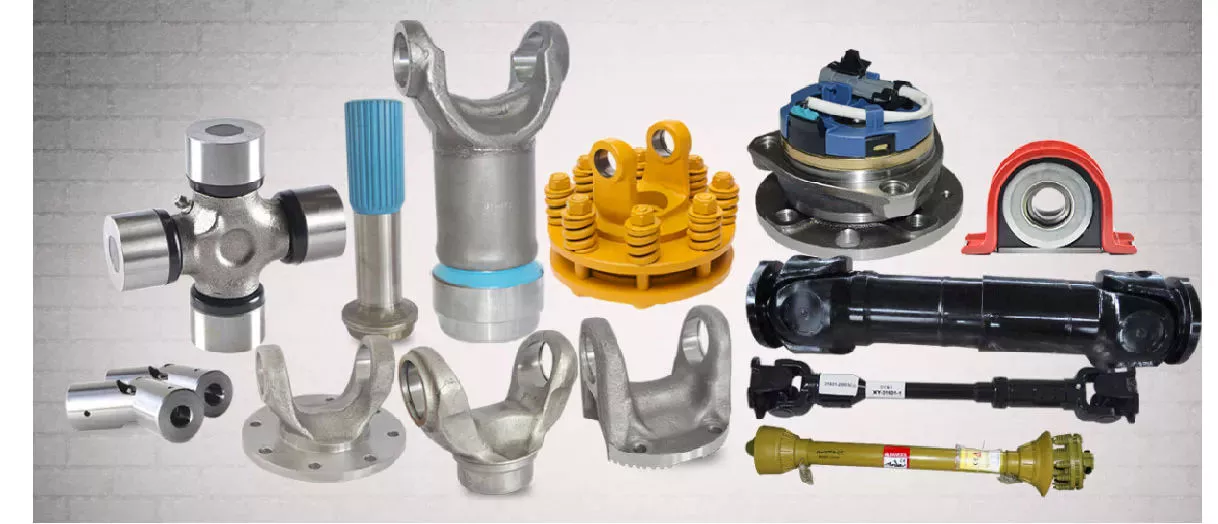
Are there variations in PTO shaft designs for different types of machinery?
Yes, there are variations in PTO (Power Take-Off) shaft designs to accommodate the specific requirements of different types of machinery. PTO shafts are highly versatile and adaptable components used to transfer power from a power source, such as a tractor or engine, to driven machinery or equipment. The design variations in PTO shafts are necessary to ensure compatibility, efficiency, and safety in various applications. Here’s a detailed explanation of the different PTO shaft designs for different types of machinery:
1. Standard PTO Shafts: Standard PTO shafts are the most common design and are widely used in a variety of applications. They typically consist of a solid steel shaft with a universal joint at each end. These universal joints allow for angular misalignment between the power source and the driven machinery. Standard PTO shafts are suitable for applications where the distance between the power source and the driven machinery remains relatively fixed. They are commonly used in agricultural implements, such as mowers, balers, tillers, and seeders, as well as in industrial applications.
2. Telescopic PTO Shafts: Telescopic PTO shafts feature a telescoping design that allows for length adjustment. These shafts consist of two or more concentric shafts that can slide within each other. Telescopic PTO shafts are beneficial in applications where the distance between the power source and the driven machinery varies. By adjusting the length of the shaft, operators can ensure proper power transmission without the risk of the shaft dragging on the ground or being too short to reach the equipment. Telescopic PTO shafts are commonly used in front-mounted implements, snow blowers, self-loading wagons, and other applications where the distance between the power source and the implement changes.
3. CV (Constant Velocity) PTO Shafts: CV PTO shafts incorporate Constant Velocity joints to accommodate misalignment and angular variations. These joints maintain a constant speed and torque transfer even when the driven machinery is at an angle relative to the power source. CV PTO shafts are beneficial in applications where the driven machinery requires flexibility and a wide range of movement. They are commonly used in articulated loaders, telescopic handlers, self-propelled sprayers, and other equipment that requires continuous power transmission while operating at various angles.
4. Gearbox Driven PTO Shafts: Some machinery requires specific speed or torque ratios between the power source and the driven equipment. In such cases, PTO shafts may incorporate gearbox systems. Gearbox driven PTO shafts allow for speed reduction or increase and can change the rotational direction if necessary. The gear ratios in the gearbox can be adjusted to match the speed and torque requirements of the driven machinery. These PTO shafts are commonly used in applications where the power source operates at a different speed or torque level than the equipment it drives, such as in certain industrial manufacturing processes and specialized machinery.
5. High-Torque PTO Shafts: Some heavy-duty machinery requires high torque levels for power transmission. High-torque PTO shafts are designed to handle these demanding applications. They are constructed with reinforced components, including larger diameter shafts and heavier-duty universal joints, to withstand the increased torque requirements. High-torque PTO shafts are commonly used in equipment such as wood chippers, crushers, and heavy-duty agricultural implements that require substantial power and torque for their operation.
6. Safety PTO Shafts: Safety is a crucial consideration when using PTO shafts. Safety PTO shafts incorporate mechanisms to reduce the risk of accidents and injuries. One common safety feature is the use of protective guards that cover the rotating shaft to prevent accidental contact. These guards are typically made of metal or plastic and are designed to shield the rotating components while allowing the necessary movement for power transmission. Safety PTO shafts are used in various applications where the risk of entanglement or accidental contact with the rotating shaft is high, such as in grass mowers, rotary cutters, and other equipment used in landscaping and agriculture.
These are some of the key variations in PTO shaft designs for different types of machinery. The specific design used depends on factors such as the application requirements, power source characteristics, torque levels, movement flexibility, and safety considerations. PTO shaft manufacturers offer a range of designs to ensure compatibility and efficient power transmission in diverse industries and applications.

How do PTO shafts contribute to the efficiency of agricultural operations?
Power Take-Off (PTO) shafts play a crucial role in improving the efficiency of agricultural operations by providing a versatile and reliable power source for various farming equipment. PTO shafts allow agricultural machinery to access power from tractors or other prime movers, enabling the efficient transfer of energy to perform a wide range of tasks. Here’s a detailed explanation of how PTO shafts contribute to the efficiency of agricultural operations:
1. Versatility: PTO shafts offer versatility by allowing the connection of different types of implements and machinery to tractors or other power sources. This versatility enables farmers to use a single power unit, such as a tractor, to operate multiple agricultural implements, including mowers, balers, tillers, seeders, sprayers, and more. The ability to quickly switch between various implements using a PTO shaft minimizes downtime and maximizes efficiency in agricultural operations.
2. Power Transfer: PTO shafts efficiently transfer power from the tractor’s engine to the agricultural implements. The rotating power generated by the engine is transmitted through the PTO shaft to drive the machinery connected to it. This direct power transfer eliminates the need for separate engines or motors on each implement, reducing equipment costs and maintenance requirements. PTO shafts ensure a reliable power supply, allowing agricultural operations to be carried out efficiently and effectively.
3. Increased Productivity: By utilizing PTO shafts, agricultural operations can be performed more quickly and efficiently than manual or alternative power methods. PTO-driven machinery typically operates at higher speeds and with greater power compared to human-operated or manual tools. This increased productivity allows farmers to complete tasks such as tilling, seeding, harvesting, and material handling more efficiently, reducing labor requirements and increasing overall farm productivity.
4. Time Savings: PTO shafts contribute to time savings in agricultural operations. The ability to connect and disconnect implements quickly using standardized PTO shafts allows farmers to switch between tasks rapidly. This saves time during equipment setup, as well as when transitioning between different operations in the field. Time efficiency is particularly valuable during critical farming periods, such as planting or harvesting, where timely execution is essential for optimal crop yield and quality.
5. Reduced Manual Labor: PTO shafts minimize the need for manual labor in strenuous or repetitive tasks. By harnessing the power of tractors or other prime movers, farmers can mechanize various operations that would otherwise require significant physical effort. Agricultural implements driven by PTO shafts can perform tasks such as plowing, mowing, and baling with minimal human intervention, reducing labor costs and improving overall efficiency.
6. Precision and Consistency: PTO shafts contribute to precision and consistency in agricultural operations. The consistent power supply from the PTO ensures uniform operation and performance of the connected machinery. This helps in achieving consistent seed placement, even spreading of fertilizers or chemicals, and precise cutting or harvesting of crops. Precision and consistency lead to improved crop quality, enhanced yield, and reduced waste, ultimately contributing to the overall efficiency of agricultural operations.
7. Adaptability to Various Terrain: PTO-driven machinery is highly adaptable to various types of terrain encountered in agricultural operations. Tractors equipped with PTO shafts can traverse uneven or challenging terrain, allowing implements to operate effectively on slopes, rough fields, or hilly landscapes. This adaptability ensures that farmers can efficiently manage their land, regardless of topographical challenges, enhancing operational efficiency and productivity.
8. Integration with Automation and Technology: PTO shafts can be integrated with automation and technology advancements in modern agricultural practices. Automation systems, such as precision guidance and control, can be synchronized with PTO-driven machinery to optimize operations and minimize waste. Additionally, advancements in data collection and analysis allow farmers to monitor and optimize machine performance, fuel efficiency, and productivity, further enhancing the efficiency of agricultural operations.
By providing versatility, efficient power transfer, increased productivity, time savings, reduced manual labor, precision, adaptability to terrain, and integration with automation and technology, PTO shafts significantly contribute to enhancing the efficiency of agricultural operations. They enable farmers to perform a wide range of tasks with ease, ultimately improving productivity, reducing costs, and supporting sustainable farming practices.

Che cos'è un albero cardanico (PTO) e come viene utilizzato nelle macchine agricole e industriali?
L'albero di presa di forza (PTO) è un componente meccanico utilizzato nelle macchine agricole e industriali per trasferire la potenza da una fonte di energia, come un motore, a un'altra macchina o attrezzo. Si tratta di un albero di trasmissione che trasmette potenza e coppia rotazionali, consentendo all'attrezzatura collegata di svolgere diverse attività. Gli alberi di presa di forza sono comunemente utilizzati nelle macchine agricole, come i trattori, così come nelle attrezzature industriali, tra cui generatori, pompe e macchine edili. Ecco una spiegazione dettagliata di cosa sia un albero di presa di forza e di come venga utilizzato:
Struttura e componenti: Un tipico albero cardanico è costituito da un tubo metallico cavo con giunti cardanici a entrambe le estremità. Il tubo cavo consente all'albero di ruotare liberamente, mentre i giunti cardanici compensano i disallineamenti angolari tra la fonte di energia e l'attrezzatura azionata. I giunti cardanici sono costituiti da una forcella a croce con cuscinetti a rullini, che garantiscono flessibilità e consentono la trasmissione della potenza con angolazioni variabili. Alcuni alberi cardanici possono anche includere una sezione telescopica per regolare la lunghezza in base alle diverse configurazioni delle attrezzature o per adattarsi alle diverse distanze tra la fonte di energia e la macchina azionata.
Trasferimento di potenza: La funzione principale di un albero cardanico (PTO) è quella di trasferire potenza e coppia dalla fonte di energia all'apparecchiatura azionata. La fonte di energia, in genere un motore elettrico, aziona l'albero cardanico tramite un collegamento meccanico, come un cambio o una frizione. Quando la fonte di energia ruota, trasmette una forza rotazionale all'albero cardanico. L'albero cardanico, a sua volta, trasferisce questa potenza e coppia rotazionale all'apparecchiatura azionata, consentendole di svolgere la sua funzione prevista. La coppia e la velocità di rotazione trasmesse attraverso l'albero cardanico dipendono dalle caratteristiche della fonte di energia e dal rapporto di trasmissione o dall'innesto della frizione.
Applicazioni in agricoltura: In agricoltura, gli alberi cardanici (PTO) sono comunemente utilizzati nei trattori per azionare vari attrezzi e accessori. L'albero cardanico è collegato alla presa di forza del trattore, un albero motore rotante situato nella parte posteriore del trattore. Innestando la frizione della presa di forza, la potenza del motore del trattore viene trasferita attraverso l'albero cardanico agli attrezzi collegati. Macchinari agricoli come falciatrici, presse, fresatrici, irroratrici e coclee per cereali spesso si affidano agli alberi cardanici per ricevere la potenza necessaria al loro funzionamento. L'albero cardanico consente di azionare gli attrezzi direttamente dal motore del trattore, eliminando la necessità di fonti di energia separate e aumentando la versatilità e l'efficienza delle operazioni agricole.
Applicazioni industriali: Gli alberi cardanici (PTO) trovano ampio impiego anche in diverse applicazioni industriali. Le apparecchiature industriali, come generatori, pompe, compressori e miscelatori industriali, spesso incorporano alberi cardanici per ricevere energia da motori a combustione interna o elettrici. L'albero cardanico collega la fonte di energia all'apparecchiatura azionata, consentendole di funzionare e svolgere la funzione prevista. Nelle macchine edili, gli alberi cardanici si trovano in attrezzature come betoniere, martelli idraulici e trivellatrici, permettendo il trasferimento di potenza dal motore della macchina all'accessorio o all'utensile specifico utilizzato.
Considerazioni sulla sicurezza: È importante notare che gli alberi cardanici (PTO) possono comportare rischi per la sicurezza se non maneggiati correttamente. L'albero rotante può causare gravi lesioni se gli operatori entrano in contatto con esso durante il funzionamento. Per garantire la sicurezza, gli alberi cardanici sono spesso dotati di protezioni che coprono l'albero rotante e i giunti cardanici, prevenendo il contatto accidentale. È fondamentale eseguire regolarmente la manutenzione e l'ispezione di questi dispositivi di sicurezza per garantirne l'efficacia. Inoltre, gli operatori devono ricevere una formazione adeguata sul funzionamento degli alberi cardanici, comprese le procedure di aggancio e sgancio in sicurezza, nonché l'uso dei dispositivi di protezione individuale (DPI) quando lavorano in prossimità di macchinari azionati da alberi cardanici.
In sintesi, un albero cardanico (PTO) è un componente meccanico utilizzato in macchinari agricoli e industriali per trasmettere potenza e coppia da una fonte di energia a una macchina o un attrezzo azionato. Consente il trasferimento diretto di potenza da motori a diverse apparecchiature, aumentando l'efficienza e la versatilità nelle operazioni agricole e industriali. Sebbene gli alberi cardanici offrano vantaggi significativi, gli operatori devono essere consapevoli delle relative considerazioni di sicurezza e adottare le precauzioni appropriate per prevenire incidenti e infortuni.


editor by CX 2024-01-09