Penerangan Produk
Factory Made universal joint pto shaft for tractor machine spare parts
1. Tubes or Pipes
We’ve already got Triangular profile tube and Lemon profile tube for all the series we provide.
And we have some star tube, splined tube and other profile tubes required by our customers (for a certain series). (Please notice that our catalog doesnt contain all the items we produce)
If you want tubes other than triangular or lemon, please provide drawings or pictures.
2.End yokes
We’ve got several types of quick release yokes and plain bore yoke. I will suggest the usual type for your reference.
You can also send drawings or pictures to us if you cannot find your item in our catalog.
3. Safety devices or clutches
I will attach the details of safety devices for your reference. We’ve already have Free wheel (RA), Ratchet torque limiter(SA), Shear bolt torque limiter(SB), 3types of friction torque limiter (FF,FFS,FCS) and overrunning couplers(adapters) (FAS).
4.For any other more special requirements with plastic guard, connection method, color of painting, package, etc., please feel free to let me know.
Features:
1. We have been specialized in designing, manufacturing drive shaft, steering coupler shaft, universal joints, which have exported to the USA, Europe, Australia etc for years
2. Application to all kinds of general mechanical situation
3. Our products are of high intensity and rigidity.
4. Heat resistant & Acid resistant
5. OEM orders are welcomed
Our factory is a leading manufacturer of PTO shaft yoke and universal joint.
We manufacture high quality PTO yokes for various vehicles, construction machinery and equipment. All products are constructed with rotating lighter.
We are currently exporting our products throughout the world, especially to North America, South America, Europe, and Russia. If you are interested in any item, please do not hesitate to contact us. We are looking CHINAMFG to becoming your suppliers in the near future.
/* 22 Januari 2571 19:08:37 */!function(){function s(e,r){var a,o={};try{e&&e.split(“,”).forEach(function(e,t){e&&(a=e.match(/(.*?):(.*)$/)&
| Jenis: | Fork |
|---|---|
| Penggunaan: | Agricultural Products Processing, Farmland Infrastructure, Tillage, Harvester, Planting and Fertilization, Grain Threshing, Cleaning and Drying |
| Bahan: | Keluli Karbon |
| Penyesuaian: |
Tersedia
| Permintaan Tersuai |
|---|
.shipping-cost-tm .tm-status-off{background: none;padding:0;color: #1470cc}
| Shipping Cost:
Estimated freight per unit. |
about shipping cost and estimated delivery time. |
|---|
| Payment Method: |
|
|---|---|
|
Initial Payment Full Payment |
| Currency: | US$ |
|---|
| Return&refunds: | You can apply for a refund up to 30 days after receipt of the products. |
|---|
Apakah amalan penyelenggaraan yang penting untuk memanjangkan jangka hayat aci PTO?
Mengekalkan penjagaan yang betul dan melakukan penyelenggaraan berkala pada aci Pengangkut Kuasa (PTO) adalah penting untuk memanjangkan jangka hayatnya dan memastikan prestasi optimum. Dengan mengikuti amalan penyelenggaraan penting, anda boleh mencegah haus pramatang, mengenal pasti potensi masalah lebih awal dan memaksimumkan jangka hayat aci PTO anda. Berikut adalah beberapa amalan penyelenggaraan utama yang perlu dipertimbangkan:
1. Pemeriksaan Berkala: Lakukan pemeriksaan visual rutin pada aci PTO untuk memeriksa sebarang tanda kerosakan, haus atau ketidaksejajaran. Cari retakan, kemek, bahagian bengkok atau komponen longgar. Periksa sambungan universal, mekanisme gandingan, pelindung dan bahagian lain yang berkaitan. Beri perhatian kepada sebarang bunyi, getaran atau perubahan prestasi yang luar biasa, kerana ini boleh menunjukkan isu asas yang memerlukan perhatian.
2. Pelinciran: Pelinciran yang betul adalah penting untuk kelancaran operasi dan jangka hayat aci PTO. Ikut cadangan pengilang mengenai selang pelinciran dan gunakan jenis pelincir yang disyorkan. Gunakan pelinciran pada sambungan universal, sambungan CV (jika berkenaan), dan bahagian bergerak lain seperti yang dinyatakan. Periksa tahap pelincir yang mencukupi secara berkala dan isi semula jika perlu. Pastikan pelincir yang digunakan serasi dengan bahan aci dan tidak menarik kotoran atau serpihan yang boleh menyebabkan lelasan atau kerosakan.
3. Pembersihan: Pastikan aci PTO bersih dan bebas daripada kotoran, serpihan dan bahan cemar lain. Buang sebarang kotoran, gris atau sisa yang terkumpul secara berkala menggunakan berus atau udara termampat. Berhati-hati dalam membersihkan sambungan universal dan kawasan di mana aci bersambung dengan komponen lain. Pembersihan menghalang pengumpulan zarah kasar yang boleh mempercepatkan haus dan menjejaskan prestasi aci.
4. Pemeriksaan dan Penyelenggaraan Pengawal: Periksa pelindung dan perisai pelindung secara berkala untuk memastikan ia berada di tempatnya dengan selamat dan bebas daripada kerosakan. Pelindung memainkan peranan penting dalam mencegah sentuhan tidak sengaja dengan aci berputar dan meminimumkan risiko kecederaan. Baiki atau gantikan sebarang pelindung yang rosak atau hilang dengan segera. Pastikan pelindung dijajarkan dengan betul dan berikan perlindungan yang mencukupi untuk semua bahagian aci PTO yang bergerak.
5. Pemeriksaan Tork dan Pengikat: Periksa dan semak tork pengikat secara berkala, seperti bolt dan nat, yang mengikat aci PTO dan komponen yang berkaitan. Lama-kelamaan, getaran dan operasi biasa boleh melonggarkan pengikat ini, sekali gus menjejaskan integriti aci. Gunakan spesifikasi tork yang sesuai yang disediakan oleh pengilang untuk memastikan pengetatan yang betul. Sahkan keketatan pengikat secara berkala dan ketatkan semula jika perlu.
6. Penyelenggaraan Bolt Ricih atau Klac Gelincir: Jika aci PTO anda menggabungkan mekanisme bolt ricih atau klac gelincir, pastikan ia berfungsi dengan betul. Periksa bolt ricih untuk tanda-tanda haus atau kerosakan, dan gantikannya apabila perlu. Periksa klac gelincir untuk pelarasan yang betul dan operasi yang lancar. Ikut cadangan pengilang mengenai penyelenggaraan dan pelarasan mekanisme keselamatan ini untuk memastikan keberkesanannya dalam melindungi komponen saluran pemacu.
7. Penyimpanan yang Betul: Apabila aci PTO tidak digunakan, simpannya di persekitaran yang bersih dan kering. Lindungi aci daripada pendedahan kepada kelembapan, suhu melampau dan bahan menghakis. Jika boleh, simpan aci dalam kedudukan menegak untuk mengelakkan lenturan atau herotan. Pertimbangkan untuk menggunakan penutup atau bekas pelindung untuk melindungi aci daripada habuk, kotoran dan sumber kerosakan lain yang berpotensi.
8. Latihan Pengendali: Berikan latihan yang betul kepada pengendali tentang operasi, penyelenggaraan dan prosedur keselamatan yang betul berkaitan dengan aci PTO. Didik mereka tentang kepentingan pemeriksaan berkala, pelinciran dan pematuhan kepada amalan penyelenggaraan yang disyorkan. Galakkan pengendali untuk melaporkan sebarang keabnormalan atau kebimbangan dengan segera bagi mencegah kerosakan selanjutnya dan memastikan pembaikan atau pelarasan yang tepat pada masanya.
9. Panduan Pengilang dan Pakar: Rujuk garis panduan dan cadangan pengeluar mengenai amalan penyelenggaraan khusus untuk model aci PTO anda. Selain itu, dapatkan nasihat daripada pakar atau juruteknik servis yang sah yang berpengetahuan tentang penyelenggaraan aci PTO. Mereka boleh memberikan pandangan dan bantuan berharga dalam melaksanakan amalan penyelenggaraan terbaik untuk aci PTO khusus anda.
Dengan mengikuti amalan penyelenggaraan ini, anda boleh memanjangkan jangka hayat aci PTO anda, mengoptimumkan prestasinya dan mengurangkan kemungkinan kegagalan yang tidak dijangka atau pembaikan yang mahal. Pemeriksaan berkala, pelinciran, pembersihan, penyelenggaraan pelindung, pemeriksaan tork dan penyimpanan yang betul adalah penting dalam memastikan jangka hayat dan kebolehpercayaan aci PTO anda.

Bagaimanakah aci PTO mengendalikan variasi beban dan tork semasa operasi?
Aci PTO (Power Take-Off) direka bentuk untuk mengendalikan variasi beban dan tork semasa operasi dengan menggunakan mekanisme dan ciri tertentu yang memastikan pemindahan kuasa yang cekap dan perlindungan terhadap keadaan beban lampau. Berikut ialah penjelasan terperinci tentang cara aci PTO mengendalikan variasi beban dan tork:
1. Reka Bentuk Mekanikal: Aci PTO direkayasa dengan prinsip reka bentuk mekanikal yang teguh yang membolehkannya mengendalikan variasi beban dan tork. Ia biasanya dibina menggunakan bahan berkekuatan tinggi seperti keluli, yang memberikan ketahanan dan rintangan kepada daya lenturan atau putaran. Diameter aci, ketebalan dinding dan dimensi keseluruhan dikira dengan teliti untuk menahan tahap tork dan variasi beban yang dijangkakan. Reka bentuk mekanikal aci PTO memastikan ia boleh menghantar kuasa dengan andal dan menampung daya dinamik yang dihadapi semasa operasi.
2. Sambungan Universal: Sambungan universal merupakan komponen utama aci PTO yang membolehkan fleksibiliti dan pampasan bagi ketidaksejajaran antara sumber kuasa dan jentera yang dipacu. Sambungan ini boleh menampung variasi dalam penjajaran sudut, yang mungkin berlaku disebabkan oleh perubahan beban atau pergerakan jentera. Sambungan universal terdiri daripada kuk berbentuk silang dengan galas jarum yang membolehkan putaran dan pemindahan tork yang lancar, walaupun aci tidak sejajar dengan sempurna. Reka bentuk sambungan universal membolehkan aci PTO mengendalikan variasi beban dan tork sambil mengekalkan penghantaran kuasa yang konsisten.
3. Klac Gelongsor: Klac gelincir sering digabungkan ke dalam aci PTO untuk memberikan perlindungan beban lampau. Klac ini membolehkan aci PTO tergelincir atau terputus seketika apabila tork atau rintangan berlebihan ditemui. Klac gelincir biasanya terdiri daripada plat geseran yang boleh dilaraskan kepada tetapan tork tertentu. Apabila tork melebihi had yang telah ditetapkan, klac akan tergelincir, mencegah kerosakan pada aci PTO dan peralatan yang disambungkan. Klac gelincir amat berguna apabila perubahan beban atau tork secara tiba-tiba berlaku, menyediakan mekanisme keselamatan untuk melindungi aci PTO dan jentera yang berkaitan.
4. Penghad Tork: Pengehad tork merupakan satu lagi ciri perlindungan yang terdapat pada sesetengah aci PTO. Peranti ini direka bentuk untuk melepaskan penghantaran kuasa secara automatik apabila ambang tork yang telah ditentukan telah dilampaui. Pengehad tork boleh jadi mekanikal, seperti gandingan pin ricih atau klac geseran, atau elektronik, yang menggunakan sensor dan sistem kawalan. Apabila tork melebihi had yang ditetapkan, pengehad tork akan terlepas, menghalang pemindahan kuasa selanjutnya dan melindungi aci PTO daripada keadaan beban lampau. Pengehad tork berkesan dalam mengendalikan lonjakan tork secara tiba-tiba dan melindungi aci PTO dan peralatan yang berkaitan.
5. Penyelenggaraan dan Pemeriksaan: Penyelenggaraan dan pemeriksaan berkala aci PTO adalah penting untuk memastikan ia berfungsi dengan betul dan keupayaannya untuk mengendalikan variasi beban dan tork. Penyelenggaraan rutin termasuk pelinciran sambungan universal, pemeriksaan integriti aci dan pengetatan pengikat. Pemeriksaan berkala membolehkan pengesanan awal haus, salah jajaran atau isu lain yang mungkin menjejaskan prestasi aci PTO. Dengan menangani keperluan penyelenggaraan dan pemeriksaan, pengendali boleh mengenal pasti dan menangani sebarang kebimbangan yang mungkin timbul disebabkan oleh variasi beban dan tork, memastikan operasi aci PTO yang berterusan selamat dan cekap.
6. Kesedaran dan Kawalan Pengendali: Pengendali memainkan peranan penting dalam menguruskan variasi beban dan tork semasa operasi aci PTO. Mereka harus menyedari had operasi jentera, termasuk penarafan tork yang disyorkan dan kapasiti beban aci PTO. Latihan dan pemahaman yang betul tentang keupayaan peralatan membolehkan pengendali membuat keputusan termaklum dan melaraskan operasi apabila menghadapi perubahan beban atau tork yang ketara. Pengendali juga harus berwaspada dalam memantau prestasi peralatan, memerhatikan sebarang tanda getaran, bunyi bising yang berlebihan atau petunjuk lain tentang potensi isu yang berkaitan dengan variasi beban dan tork.
Dengan menggabungkan reka bentuk mekanikal yang teguh, menggunakan sambungan universal, klac gelincir, pengehad tork dan melaksanakan amalan penyelenggaraan yang betul, aci PTO dilengkapi untuk mengendalikan variasi beban dan tork semasa operasi. Ciri-ciri ini memastikan penghantaran kuasa yang andal, melindungi daripada keadaan beban lampau dan menyumbang kepada fungsi aci PTO dan jentera yang dipacunya dengan selamat dan cekap.
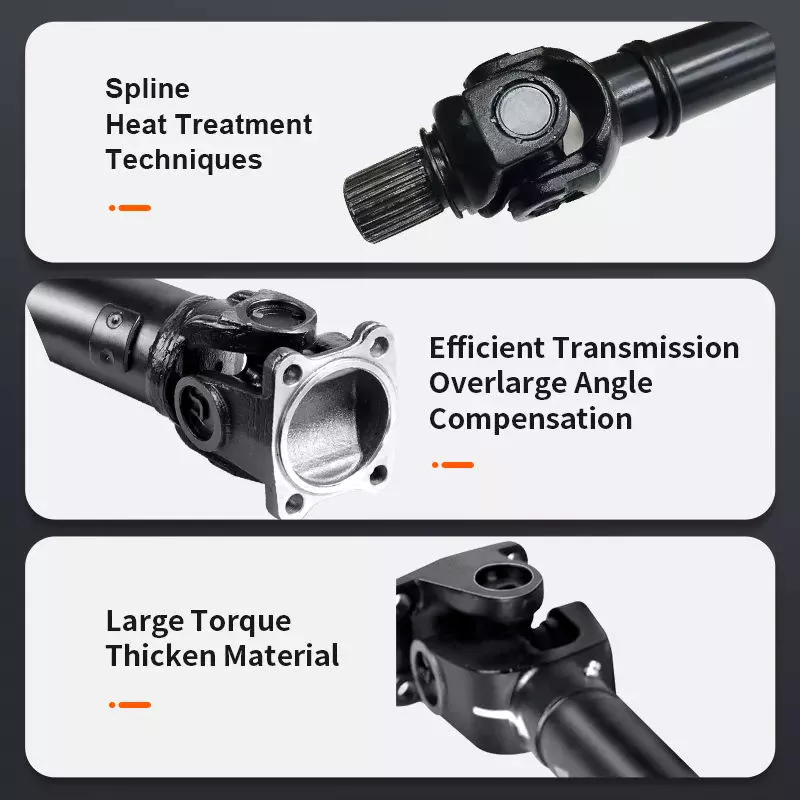
How do PTO shafts contribute to transferring power from tractors to implements?
PTO shafts (Power Take-Off shafts) play a critical role in transferring power from tractors to implements in agricultural and industrial settings. They provide a reliable and efficient means of power transmission, enabling tractors to drive various implements and perform a wide range of tasks. Here’s a detailed explanation of how PTO shafts contribute to transferring power from tractors to implements:
Sumber Kuasa: Tractors are equipped with powerful engines designed to generate substantial amounts of mechanical power. This power is harnessed to drive the tractor’s wheels and operate hydraulic systems, as well as to provide power for the attachment of implements through the PTO shaft. The PTO shaft typically connects to the rear or side of the tractor, where the power take-off mechanism is located. The power take-off derives power directly from the tractor’s engine or transmission, allowing for efficient power transfer to the PTO shaft.
PTO Shaft Design: PTO shafts are designed as driveline components that transmit rotational power and torque from the tractor’s power take-off to the implement. They consist of a hollow metal tube with universal joints at each end. The universal joints accommodate angular misalignments and allow the PTO shaft to transmit power even when the tractor and implement are not perfectly aligned. The PTO shaft is also equipped with a safety shield or guard to prevent accidental contact with the rotating shaft, ensuring operator safety during operation.
PTO Engagement: To transfer power from the tractor to the implement, the PTO shaft needs to be engaged. Tractors are equipped with a PTO clutch mechanism that allows operators to engage or disengage the PTO shaft as needed. When the PTO clutch is engaged, power flows from the tractor’s engine through the power take-off mechanism and into the PTO shaft. This rotational power is then transmitted through the PTO shaft to the implement, driving its working components.
Rotational Power Transmission: The rotational power generated by the tractor’s engine is transferred to the PTO shaft through the power take-off mechanism. The PTO shaft, being directly connected to the power take-off, rotates at the same speed as the engine. This rotational power is then transmitted from the PTO shaft to the implement’s driveline or gearbox. The implement’s driveline, in turn, distributes the power to the implement’s working components, such as blades, augers, or pumps, enabling them to carry out their respective functions.
Matching Speed and Power: PTO shafts are designed to match the rotational speed and power requirements of various implements. Tractors often feature multiple speed settings for the PTO, allowing operators to select the appropriate speed for the specific implement being used. Different implements may require different rotational speeds to operate optimally, and the PTO shaft allows for easy adjustment to match those requirements. Additionally, the power generated by the tractor’s engine is transmitted through the PTO shaft, providing the necessary torque to drive the implement’s working components effectively.
Versatility and Efficiency: PTO shafts offer significant versatility and efficiency in agricultural and industrial operations. They allow tractors to power a wide range of implements, including mowers, balers, tillers, sprayers, and grain augers, among others. By connecting implements directly to the tractor’s power source, operators can quickly switch between tasks without the need for separate power generators or engines. This versatility and efficiency streamline workflow, reduce costs, and increase overall productivity in agricultural and industrial settings.
Safety Considerations: While PTO shafts are essential for power transmission, they can pose safety risks if mishandled. The rotating shaft and universal joints can cause severe injuries if operators come into contact with them while in operation. That’s why PTO shafts are equipped with safety shields or guards to prevent accidental contact. Operators should always ensure that the safety shields are in place and secure before engaging the PTO shaft. Proper training, adherence to safety guidelines, and regular maintenance of PTO shafts and associated safety features are crucial to ensuring safe operation.
In summary, PTO shafts are vital components that enable the transfer of power from tractors to implements in agricultural and industrial applications. They provide a reliable and efficient means of power transmission, allowing tractors to drive various implements and perform a wide range of tasks. By engaging the PTO clutch and transmitting rotational power through the PTO shaft, tractors power the working components of implements, providing versatility, efficiency, and productivity in agricultural and industrial operations.


editor by CX 2024-03-12