Opis produktu
Factory Made universal joint pto shaft for tractor machine spare parts
1. Tubes or Pipes
We’ve already got Triangular profile tube and Lemon profile tube for all the series we provide.
And we have some star tube, splined tube and other profile tubes required by our customers (for a certain series). (Please notice that our catalog doesnt contain all the items we produce)
If you want tubes other than triangular or lemon, please provide drawings or pictures.
2.End yokes
We’ve got several types of quick release yokes and plain bore yoke. I will suggest the usual type for your reference.
You can also send drawings or pictures to us if you cannot find your item in our catalog.
3. Safety devices or clutches
I will attach the details of safety devices for your reference. We’ve already have Free wheel (RA), Ratchet torque limiter(SA), Shear bolt torque limiter(SB), 3types of friction torque limiter (FF,FFS,FCS) and overrunning couplers(adapters) (FAS).
4.For any other more special requirements with plastic guard, connection method, color of painting, package, etc., please feel free to let me know.
Features:
1. We have been specialized in designing, manufacturing drive shaft, steering coupler shaft, universal joints, which have exported to the USA, Europe, Australia etc for years
2. Application to all kinds of general mechanical situation
3. Our products are of high intensity and rigidity.
4. Heat resistant & Acid resistant
5. OEM orders are welcomed
Our factory is a leading manufacturer of PTO shaft yoke and universal joint.
We manufacture high quality PTO yokes for various vehicles, construction machinery and equipment. All products are constructed with rotating lighter.
We are currently exporting our products throughout the world, especially to North America, South America, Europe, and Russia. If you are interested in any item, please do not hesitate to contact us. We are looking CHINAMFG to becoming your suppliers in the near future.
/* 22 stycznia 2571 19:08:37 */!function(){function s(e,r){var a,o={};try{e&&e.split(„”,).forEach(function(e,t){e&&(a=e.match(/(.*?):(.*)$/))&&1
| Typ: | Fork |
|---|---|
| Stosowanie: | Przetwórstwo produktów rolnych, infrastruktura gruntów rolnych, uprawa roli, kombajn, sadzenie i nawożenie, młócenie, czyszczenie i suszenie ziarna |
| Tworzywo: | Stal węglowa |
| Personalizacja: |
Dostępny
| Spersonalizowane żądanie |
|---|
.shipping-cost-tm .tm-status-off{tło: brak;wypełnienie: 0;kolor: #1470cc}
| Koszt wysyłki:
Szacowany koszt frachtu na jednostkę. |
o kosztach wysyłki i szacowanym czasie dostawy. |
|---|
| Metoda płatności: |
|
|---|---|
|
Płatność początkowa Pełna płatność |
| Waluta: | US$ |
|---|
| Zwroty i zwroty pieniędzy: | O zwrot pieniędzy możesz ubiegać się w ciągu 30 dni od otrzymania produktów. |
|---|
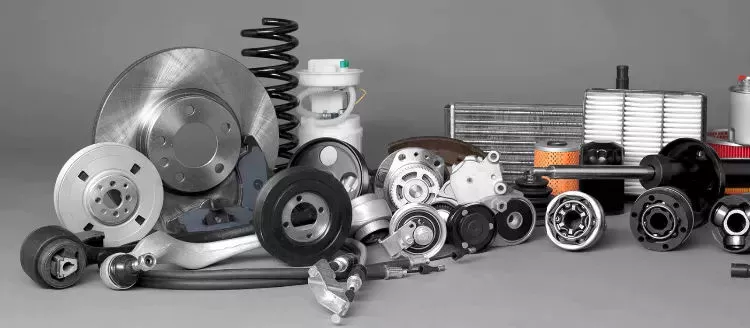
What maintenance practices are essential for prolonging the lifespan of PTO shafts?
Maintaining proper care and performing regular maintenance on Power Take-Off (PTO) shafts is crucial for prolonging their lifespan and ensuring optimal performance. By following essential maintenance practices, you can prevent premature wear, identify potential issues early on, and maximize the longevity of your PTO shafts. Here are some key maintenance practices to consider:
1. Regular Inspection: Perform routine visual inspections of the PTO shaft to check for any signs of damage, wear, or misalignment. Look for cracks, dents, bent sections, or loose components. Inspect the universal joints, coupling mechanisms, protective guards, and other associated parts. Pay attention to any unusual noises, vibrations, or changes in performance, as these can indicate underlying issues that require attention.
2. Lubrication: Proper lubrication is essential for the smooth operation and longevity of PTO shafts. Follow the manufacturer’s recommendations regarding lubrication intervals and use the recommended lubricant type. Apply lubrication to the universal joints, CV joints (if applicable), and other moving parts as specified. Regularly check for adequate lubricant levels and replenish if necessary. Ensure that the lubricant used is compatible with the shaft material and does not attract dirt or debris that could cause abrasion or damage.
3. Cleaning: Keep the PTO shaft clean and free from dirt, debris, and other contaminants. Regularly remove any accumulated dirt, grease, or residue using a brush or compressed air. Be particularly diligent in cleaning the universal joints and areas where the shaft connects to other components. Cleaning prevents the buildup of abrasive particles that can accelerate wear and compromise the shaft’s performance.
4. Guard Inspection and Maintenance: Check the protective guards and shields regularly to ensure they are securely in place and free from damage. Guards play a critical role in preventing accidental contact with the rotating shaft and minimizing the risk of injury. Repair or replace any damaged or missing guards promptly. Ensure that the guards are correctly aligned and provide sufficient coverage for all moving parts of the PTO shaft.
5. Torque and Fastener Checks: Periodically inspect and check the torque of fasteners, such as bolts and nuts, that secure the PTO shaft and associated components. Over time, vibration and normal operation can loosen these fasteners, compromising the integrity of the shaft. Use the appropriate torque specifications provided by the manufacturer to ensure proper tightening. Regularly verify the tightness of fasteners and retighten as necessary.
6. Shear Bolt or Slip Clutch Maintenance: If your PTO shaft incorporates shear bolt or slip clutch mechanisms, ensure they are functioning correctly. Inspect the shear bolts for signs of wear or damage, and replace them when necessary. Check the slip clutch for proper adjustment and smooth operation. Follow the manufacturer’s recommendations regarding maintenance and adjustment of these safety mechanisms to ensure their effectiveness in protecting the driveline components.
7. Proper Storage: When the PTO shaft is not in use, store it in a clean and dry environment. Protect the shaft from exposure to moisture, extreme temperatures, and corrosive substances. If possible, store the shaft in a vertical position to prevent bending or distortion. Consider using protective covers or cases to shield the shaft from dust, dirt, and other potential sources of damage.
8. Operator Training: Provide proper training to operators on the correct operation, maintenance, and safety procedures related to the PTO shafts. Educate them about the importance of regular inspections, lubrication, and adherence to recommended maintenance practices. Encourage operators to report any abnormalities or concerns promptly to prevent further damage and ensure timely repairs or adjustments.
9. Manufacturer and Expert Guidance: Consult the manufacturer’s guidelines and recommendations regarding maintenance practices specific to your PTO shaft model. Additionally, seek advice from experts or authorized service technicians who are knowledgeable about PTO shaft maintenance. They can provide valuable insights and assistance in implementing the best maintenance practices for your specific PTO shafts.
By following these maintenance practices, you can extend the lifespan of your PTO shafts, optimize their performance, and reduce the likelihood of unexpected failures or costly repairs. Regular inspections, lubrication, cleaning, guard maintenance, torque checks, and proper storage are all essential in ensuring the longevity and reliability of your PTO shafts.

How do PTO shafts handle variations in load and torque during operation?
PTO (Power Take-Off) shafts are designed to handle variations in load and torque during operation by employing specific mechanisms and features that ensure efficient power transfer and protection against overload conditions. Here’s a detailed explanation of how PTO shafts handle variations in load and torque:
1. Mechanical Design: PTO shafts are engineered with robust mechanical design principles that enable them to handle variations in load and torque. They are typically constructed using high-strength materials such as steel, which provides durability and resistance to bending or twisting forces. The shaft’s diameter, wall thickness, and overall dimensions are carefully calculated to withstand the expected torque levels and load variations. The mechanical design of the PTO shaft ensures that it can transmit power reliably and accommodate the dynamic forces encountered during operation.
2. Universal Joints: Universal joints are a key component of PTO shafts that allow for flexibility and compensation of misalignment between the power source and driven machinery. These joints can accommodate variations in angular alignment, which may occur due to changes in load or movement of the machinery. Universal joints consist of a cross-shaped yoke with needle bearings that allow for smooth rotation and transfer of torque, even when the shafts are not perfectly aligned. The design of universal joints enables PTO shafts to handle variations in load and torque while maintaining consistent power transmission.
3. Slip Clutches: Slip clutches are often incorporated into PTO shafts to provide overload protection. These clutches allow the PTO shaft to slip or disengage momentarily when excessive torque or resistance is encountered. Slip clutches typically consist of friction plates that can be adjusted to a specific torque setting. When the torque surpasses the predetermined limit, the clutch slips, preventing damage to the PTO shaft and connected equipment. Slip clutches are particularly useful when sudden changes in load or torque occur, providing a safety mechanism to protect the PTO shaft and associated machinery.
4. Torque Limiters: Torque limiters are another protective feature found in some PTO shafts. These devices are designed to automatically disengage the power transmission when a predetermined torque threshold is exceeded. Torque limiters can be mechanical, such as shear pin couplings or friction clutches, or electronic, utilizing sensors and control systems. When the torque exceeds the set limit, the torque limiter disengages, preventing further power transfer and protecting the PTO shaft from overload conditions. Torque limiters are effective in handling sudden spikes in torque and safeguarding the PTO shaft and associated equipment.
5. Maintenance and Inspection: Regular maintenance and inspection of PTO shafts are essential to ensure their proper functioning and ability to handle variations in load and torque. Routine maintenance includes lubrication of universal joints, inspection of shaft integrity, and tightening of fasteners. Regular inspections allow for early detection of wear, misalignment, or other issues that may affect the PTO shaft’s performance. By addressing maintenance and inspection requirements, operators can identify and address any concerns that may arise due to variations in load and torque, ensuring the continued safe and efficient operation of the PTO shaft.
6. Operator Awareness and Control: Operators play a crucial role in managing variations in load and torque during PTO shaft operation. They should be aware of the machinery’s operational limits, including the recommended torque ratings and load capacities of the PTO shaft. Proper training and understanding of the equipment’s capabilities enable operators to make informed decisions and adjust the operation when encountering significant load or torque changes. Operators should also be vigilant in monitoring the equipment’s performance, watching for any signs of excessive vibration, noise, or other indications of potential issues related to load and torque variations.
By incorporating robust mechanical design, utilizing universal joints, slip clutches, torque limiters, and implementing proper maintenance practices, PTO shafts are equipped to handle variations in load and torque during operation. These features ensure reliable power transmission, protect against overload conditions, and contribute to the safe and efficient functioning of the PTO shaft and the machinery it drives.
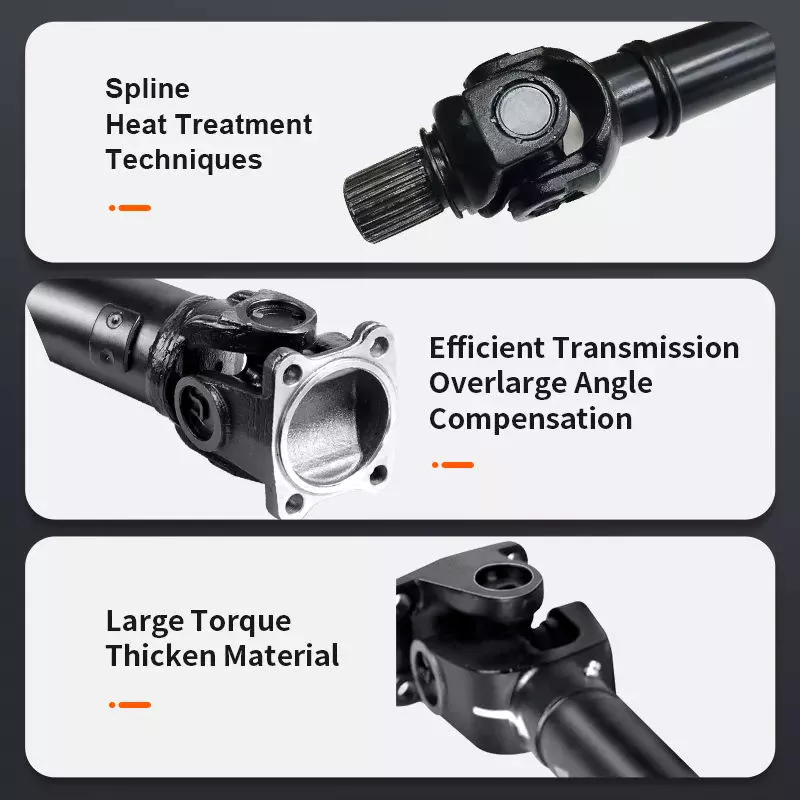
W jaki sposób wały odbioru mocy przyczyniają się do przenoszenia mocy z ciągników na narzędzia?
Wały odbioru mocy (WOM) odgrywają kluczową rolę w przenoszeniu mocy z ciągników na narzędzia w rolnictwie i przemyśle. Zapewniają niezawodne i wydajne przeniesienie mocy, umożliwiając ciągnikom napędzanie różnych narzędzi i wykonywanie szerokiego zakresu zadań. Poniżej znajduje się szczegółowe wyjaśnienie, w jaki sposób wały odbioru mocy przyczyniają się do przenoszenia mocy z ciągników na narzędzia:
Źródło zasilania: Ciągniki są wyposażone w mocne silniki zaprojektowane do generowania znacznych ilości mocy mechanicznej. Moc ta jest wykorzystywana do napędzania kół ciągnika i obsługi układów hydraulicznych, a także do zasilania osprzętu poprzez wałek odbioru mocy (WOM). Wał odbioru mocy zazwyczaj łączy się z tyłem lub bokiem ciągnika, gdzie znajduje się mechanizm odbioru mocy (WOM). WOM czerpie moc bezpośrednio z silnika lub przekładni ciągnika, umożliwiając efektywne przenoszenie mocy na WOM.
Konstrukcja wału odbioru mocy: Wały WOM to elementy układu napędowego, które przenoszą moc obrotową i moment obrotowy z wału odbioru mocy ciągnika na narzędzie. Składają się z pustej metalowej rury z przegubami krzyżowymi na obu końcach. Przeguby krzyżowe kompensują odchylenia kątowe i umożliwiają wałowi WOM przenoszenie mocy nawet wtedy, gdy ciągnik i narzędzie nie są idealnie wyrównane. Wał WOM jest również wyposażony w osłonę zabezpieczającą, która zapobiega przypadkowemu kontaktowi z obracającym się wałem, zapewniając operatorowi bezpieczeństwo podczas pracy.
Zaangażowanie PTO: Aby przenieść moc z ciągnika na narzędzie, należy załączyć wałek odbioru mocy (WOM). Ciągniki są wyposażone w mechanizm sprzęgła WOM, który umożliwia operatorom załączanie i rozłączanie wałka w razie potrzeby. Po załączeniu sprzęgła WOM, moc przepływa z silnika ciągnika przez wał odbioru mocy do wałka odbioru mocy. Ta moc obrotowa jest następnie przekazywana przez wałek odbioru mocy na narzędzie, napędzając jego elementy robocze.
Przenoszenie mocy obrotowej: Moc obrotowa generowana przez silnik ciągnika jest przenoszona na wał odbioru mocy (WOM) poprzez mechanizm wału odbioru mocy (WOM). Wał WOM, będąc bezpośrednio połączony z WOM, obraca się z tą samą prędkością co silnik. Ta moc obrotowa jest następnie przekazywana z WOM do układu napędowego lub przekładni narzędzia. Układ napędowy narzędzia z kolei rozdziela moc na elementy robocze narzędzia, takie jak ostrza, ślimaki czy pompy, umożliwiając im wykonywanie odpowiednich funkcji.
Dopasowanie prędkości i mocy: Wały odbioru mocy (WOM) są zaprojektowane tak, aby dopasować prędkość obrotową i zapotrzebowanie mocy różnych narzędzi. Ciągniki często oferują wiele ustawień prędkości WOM, co pozwala operatorom wybrać odpowiednią prędkość dla konkretnego narzędzia. Różne narzędzia mogą wymagać różnych prędkości obrotowych do optymalnej pracy, a wał odbioru mocy (WOM) umożliwia łatwą regulację w celu dopasowania do tych wymagań. Dodatkowo, moc generowana przez silnik ciągnika jest przenoszona przez wał odbioru mocy, zapewniając niezbędny moment obrotowy do efektywnego napędzania podzespołów roboczych narzędzia.
Wszechstronność i wydajność: Wały odbioru mocy (WOM) oferują znaczną wszechstronność i wydajność w rolnictwie i przemyśle. Umożliwiają one ciągnikom napędzanie szerokiej gamy narzędzi, takich jak kosiarki, prasy, glebogryzarki, opryskiwacze i świdry zbożowe. Dzięki bezpośredniemu podłączeniu narzędzi do źródła zasilania ciągnika, operatorzy mogą szybko przełączać się między zadaniami bez konieczności korzystania z oddzielnych generatorów prądu lub silników. Ta wszechstronność i wydajność usprawniają przepływ pracy, obniżają koszty i zwiększają ogólną wydajność w rolnictwie i przemyśle.
Zagadnienia bezpieczeństwa: Chociaż wały odbioru mocy są niezbędne do przenoszenia mocy, mogą stwarzać zagrożenie bezpieczeństwa w przypadku niewłaściwego obchodzenia się z nimi. Obracający się wał i przeguby krzyżakowe mogą spowodować poważne obrażenia, jeśli operator zetknie się z nimi podczas pracy. Dlatego wały odbioru mocy są wyposażone w osłony zabezpieczające, aby zapobiec przypadkowemu kontaktowi. Operatorzy powinni zawsze upewnić się, że osłony zabezpieczające są na swoim miejscu i zabezpieczone przed uruchomieniem wału odbioru mocy. Odpowiednie przeszkolenie, przestrzeganie wytycznych bezpieczeństwa oraz regularna konserwacja wałów odbioru mocy i powiązanych z nimi zabezpieczeń mają kluczowe znaczenie dla zapewnienia bezpiecznej pracy.
Podsumowując, wały odbioru mocy (WOM) to kluczowe elementy umożliwiające przenoszenie mocy z ciągników na narzędzia w zastosowaniach rolniczych i przemysłowych. Zapewniają one niezawodne i wydajne przeniesienie mocy, umożliwiając ciągnikom napędzanie różnych narzędzi i wykonywanie szerokiego zakresu zadań. Poprzez załączanie sprzęgła WOM i przekazywanie mocy obrotowej przez wał WOM, ciągniki napędzają elementy robocze narzędzi, zapewniając wszechstronność, wydajność i produktywność w zastosowaniach rolniczych i przemysłowych.


editor by CX 2024-03-12