Opis produktu
Quality Shaft Selection: Drive, Gear, Cardan, Transmission, Rotor, Propeller, Motor, Spline, Axle, Steel, Flexible, and PTO Shafts Available
| Materials | Carbon steel: 10#, 18#, 1018, 22#, 1571, 40Cr, 45#, 1045, 50#, 55#, 60#, 65Mn, 70#, 72B, 80#, 82B Alloy Structure Steel: B7, 20CrMo, 42Crmo, SCM415, SCM440, 4140 High-carbon chromium bearing steel: GCr15, 52100, SUJ2 Free-cutting steel: 12L14, 12L15 Stainless steel: 1Cr13, 2Cr13, 3Cr13, 4Cr13, 1Cr17, SUS410, SUS420, SUS430, SUS416, SUS440C, 17-4, 17-4PH, 130M, 200, 201, 202, 205, 303, 303Cu, 304, 316, 316L Aluminum grade: 6061, 6063 Brass: Hpb58-2.5 (C38000), Hpb59-1 (C37710), Hpb61-1 (C37100), Hpb62-0.8 (C35000), Hpb63-0.1 (C34900), Hpb63-3 (C34500), H60, H62, H63, H65 |
| Diameter | Ø0.3-Ø25 |
| Diameter tolerance | 0.002mm |
| Roundness | 0.0005mm |
| Roughness | Ra0.05 |
| Straightness | 0.005mm |
| Twardość: | HRC/HV |
| Length | 2mm-1000mm |
| Heat treatment | 1. Oil Quenching 2. High frequency quenching 3. Carburization 4. Vacuum Heat treatment 5. Mesh belt CHINAMFG heat treatment |
| Surface treatment | 1. Plating nickel 2. Plating zinc 3. Plating passivation 4. Plating phosphating 5. Black coating 6. Anodized treatment |
| Pakiet | Plastic bags inside and standard cartons outside. Shipment by pallets or according to customer’s packing specifications. |
| Warranty Policy | We confirm our qualities satisfy to 99.9%, and have 6-month quality warranty |
| After Sales Service | We will follow up the requst strictly for customers and will help customers solve problems after sale. |
Swiss High-Precision CNC Machining Process
Other Category From Cold Forging Process
Profil firmy
HangZhou CHINAMFG is an integrated manufacturing and trading enterprise with over 30 years of experience. We specialize in providing customized solutions for non-standard fasteners, CNC machined parts, stamping parts, and other metal products. With a sprawling facility covering an area of 5,500 square meters, we have 3 workshops including cold heading, stamping, and cnc machining.
At Hanyee Metal, we take pride in our commitment to delivering high-quality products and tailor-made solutions to meet our customers’ specific needs. Our team of skilled professionals ensures precision and CHINAMFG in every aspect of the manufacturing process. Whether it’s fasteners for unique applications, intricately machined parts, or precision-stamped components, we have the capabilities to exceed your expectations.
Hanyee’s products exporting to more than 30 countries, especially in North American and European markets. Being the supplier for famous brands like : ITW, Ruen, Infenion, WMG,Fnox, ects. many years.
inspection
Exhibiting
Customer reception
Packaging and transportation
Customer feedback
Często zadawane pytania
Q: Please send your price list for our reference.
A: We do not have standard price list because we produce according to customer design.
We can provide the quotation for your inquiries in a shortest possible time.
Q:Please quote the price for me
A: Our standard response time is 2 working hours, once you confirm the demand and drawing we shall provide the quote within 12 working hours.
Q:Can I get some sample?
A: Sure. We believe sample order is a good way to start our cooperation.
If it is a standard product, it would be for free but freight on your account.
If customized, we shall prepare the sample after receipt of development cost.
Q: Have FASTENERS 100% assembled well in stock?
A: Some of standard size is in stock. Most is OEM item out of stock.
Q: Could I use my own LOGO or design on goods?
A: Yes, Customized logo and design on mass production are available.
Q: What is the delivery time?
A: Our lead time for samples is 1 week; 15-30 days for mass production. It is usually according to the quantity and items.
Q:What payment do you accept?
A: We accept T/T, West Union,L/C,Trade Assurance in Alibaba.
Q: Can I trust you?
A: Absolutely! We are “Made In China” & “Alibaba” verified supplier.
Q: May I visit your factory?
A: You are welcome to visit us anytime. We can also pick you up from nearest airport and Train station.
/* October 22, 2571 15:47:17 */(()=>{function d(e,r){var a,o={};try{e&&e.split(“,”).forEach(function(e,t){e&&(a=e.match(/(.*?):(.*)$/))&&1
Czy wały odbioru mocy można dostosować do stosowania zarówno w rolnictwie, jak i w przemyśle?
Tak, wały odbioru mocy (WOM) można dostosować do zastosowań zarówno w rolnictwie, jak i w przemyśle. Chociaż wały WOM powszechnie kojarzone są z maszynami rolniczymi, są to uniwersalne elementy, które można wykorzystać w różnych zastosowaniach poza rolnictwem. Po odpowiednich modyfikacjach i przemyśleniach, wały WOM mogą skutecznie przenosić moc również w zastosowaniach przemysłowych. Poniżej znajduje się szczegółowe wyjaśnienie, jak wały WOM można dostosować do zastosowań zarówno w rolnictwie, jak i w przemyśle:
1. Standardowa konstrukcja wału odbioru mocy: Wały WOM mają znormalizowaną konstrukcję, która zapewnia kompatybilność i zamienność w różnych maszynach i urządzeniach. Ta standaryzacja umożliwia ich stosowanie w różnych zastosowaniach, zarówno rolniczych, jak i przemysłowych. Podstawowe elementy wału WOM, takie jak przeguby Cardana, wały wielowypustowe i osłony ochronne, pozostają spójne, niezależnie od konkretnego zastosowania. Ta spójność umożliwia łatwą adaptację i integrację z różnymi maszynami i urządzeniami.
2. Długość i rozmiar wału: Wały odbioru mocy (WOM) można dostosować pod względem długości i rozmiaru do specyficznych wymagań zarówno w rolnictwie, jak i przemyśle. Długość wału można regulować w celu dostosowania do różnych odległości między źródłem zasilania a napędzaną maszyną. Ta elastyczność pozwala na optymalne przenoszenie mocy i zapewnia kompatybilność z różnymi konfiguracjami sprzętu. Podobnie, wymiary wału WOM, w tym średnica i parametry wału wielowypustowego, można dostosować do wymagań dotyczących momentu obrotowego i mocy w różnych zastosowaniach, zarówno w rolnictwie, jak i w przemyśle.
3. Wymagania dotyczące zasilania: Wały odbioru mocy (WOM) służą do przenoszenia mocy ze źródła zasilania do napędzanych maszyn. W rolnictwie źródłem mocy jest zazwyczaj ciągnik lub inny pojazd rolniczy, natomiast w przemyśle może to być silnik spalinowy, elektryczny lub agregat napędowy specyficzny dla danej branży. Wały odbioru mocy (WOM) można dostosować do różnych wymagań mocy, uwzględniając takie czynniki, jak moment obrotowy, prędkość obrotowa oraz specyficzne wymagania napędzanych maszyn lub urządzeń. Dobierając odpowiedni wał WOM w oparciu o zapotrzebowanie na moc, można efektywnie przenosić moc zarówno w zastosowaniach rolniczych, jak i przemysłowych.
4. Zagadnienia bezpieczeństwa: Bezpieczeństwo jest kluczowym aspektem konstrukcji i użytkowania wału odbioru mocy, niezależnie od zastosowania. Wały odbioru mocy posiadają zabezpieczenia, takie jak osłony i zabezpieczenia, zapobiegające przypadkowemu kontaktowi z obracającymi się elementami. Te środki bezpieczeństwa są niezbędne w rolnictwie i przemyśle, aby zminimalizować ryzyko zaplątania, obrażeń lub uszkodzeń. Dostosowanie wałów odbioru mocy do zastosowań przemysłowych może wymagać dodatkowych środków bezpieczeństwa, ze względu na specyficzne zagrożenia występujące w środowisku przemysłowym. Jednakże podstawowe zasady bezpieczeństwa i cechy wałów odbioru mocy można stosować i dostosowywać, aby zapewnić bezpieczną pracę w obu zastosowaniach.
5. Osprzęt specjalistyczny: Wały WOM mogą być wyposażone w specjalistyczne osprzęty lub adaptery, umożliwiające podłączenie różnych maszyn lub urządzeń napędzanych. W rolnictwie wały WOM zazwyczaj łączą się z narzędziami, takimi jak kosiarki, prasy czy opryskiwacze. W przemyśle wały WOM mogą być dostosowane do różnych maszyn przemysłowych, w tym pomp, generatorów, sprężarek czy przenośników taśmowych. Te specjalistyczne osprzęty zapewniają kompatybilność i efektywne przenoszenie mocy między wałem WOM a napędzanym urządzeniem, umożliwiając bezproblemową integrację zarówno w zastosowaniach rolniczych, jak i przemysłowych.
6. Zagadnienia środowiskowe: Wały przegubowo-teleskopowe (WOM) można dostosować do specyficznych warunków środowiskowych, zarówno w rolnictwie, jak i przemyśle. Na przykład, w zastosowaniach rolniczych, wały WOM muszą być odporne na działanie brudu, kurzu, wilgoci i zmiennych warunków atmosferycznych. Zastosowania przemysłowe mogą wiązać się z specyficznymi wyzwaniami środowiskowymi, takimi jak narażenie na działanie chemikaliów, wysokich temperatur lub materiałów ściernych. Wybierając materiały wałów WOM, powłoki ochronne i uszczelnienia odpowiednie do danego środowiska, można dostosować wały, aby zapewnić niezawodną i trwałą pracę w różnych warunkach.
7. Zgodność ze standardami: Wały przegubowo-teleskopowe, niezależnie od tego, czy są używane w rolnictwie, czy w przemyśle, muszą być zgodne z odpowiednimi normami i przepisami bezpieczeństwa. Producenci przestrzegają wytycznych i wymagań ustanowionych przez organizacje takie jak Amerykańskie Stowarzyszenie Inżynierów Rolniczych i Biologicznych (ASABE) lub inne regionalne organy ds. bezpieczeństwa. Zgodność z przepisami gwarantuje, że wały przegubowo-teleskopowe spełniają kryteria bezpieczeństwa i normy wydajności obowiązujące zarówno w rolnictwie, jak i w przemyśle. Użytkownicy mogą polegać na standardowych wałach przegubowo-teleskopowych, które przeszły testy i certyfikację, co gwarantuje ich niezawodność i bezpieczeństwo.
Biorąc pod uwagę powyższe czynniki, wały WOM można dostosować do efektywnego przenoszenia mocy zarówno w rolnictwie, jak i w przemyśle. Wszechstronność wałów WOM, w połączeniu z możliwościami personalizacji, względami bezpieczeństwa, specjalistycznym osprzętem i zgodnością z normami, pozwala na ich udaną integrację z szeroką gamą maszyn i urządzeń w różnych branżach.

W jaki sposób wały odbioru mocy przyczyniają się do wydajności prac rolniczych?
Wały odbioru mocy (WOM) odgrywają kluczową rolę w poprawie wydajności prac rolniczych, zapewniając wszechstronne i niezawodne źródło zasilania dla różnych maszyn rolniczych. Wały WOM umożliwiają maszynom rolniczym dostęp do mocy z ciągników lub innych głównych napędów, umożliwiając efektywny transfer energii do wykonywania szerokiego zakresu zadań. Oto szczegółowe wyjaśnienie, jak wały WOM przyczyniają się do wydajności prac rolniczych:
1. Wszechstronność: Wały odbioru mocy (WOM) oferują wszechstronność, umożliwiając podłączenie różnych typów narzędzi i maszyn do ciągników lub innych źródeł zasilania. Ta wszechstronność pozwala rolnikom używać jednego agregatu napędowego, takiego jak ciągnik, do obsługi wielu narzędzi rolniczych, takich jak kosiarki, prasy, glebogryzarki, siewniki, opryskiwacze i inne. Możliwość szybkiego przełączania między różnymi narzędziami za pomocą wału WOM minimalizuje przestoje i maksymalizuje wydajność prac rolniczych.
2. Przenoszenie mocy: Wały odbioru mocy (WOM) efektywnie przekazują moc z silnika ciągnika do maszyn rolniczych. Moc obrotowa generowana przez silnik jest przekazywana przez wał WOM, napędzając podłączone do niego maszyny. To bezpośrednie przeniesienie mocy eliminuje potrzebę stosowania oddzielnych silników elektrycznych dla każdego narzędzia, co zmniejsza koszty sprzętu i wymagania konserwacyjne. Wały WOM zapewniają niezawodne zasilanie, umożliwiając sprawne i efektywne wykonywanie prac rolniczych.
3. Zwiększona produktywność: Dzięki wykorzystaniu wałów odbioru mocy (WOM) prace rolnicze można wykonywać szybciej i wydajniej niż ręcznie lub za pomocą alternatywnych metod. Maszyny napędzane WOM zazwyczaj pracują z większą prędkością i mocą w porównaniu z narzędziami obsługiwanymi ręcznie lub ręcznie. Ta zwiększona wydajność pozwala rolnikom na wydajniejsze wykonywanie zadań takich jak orka, siew, zbiór i przeładunek materiałów, zmniejszając nakład pracy i zwiększając ogólną wydajność gospodarstwa.
4. Oszczędność czasu: Wały odbioru mocy (WOM) przyczyniają się do oszczędności czasu w pracach rolniczych. Możliwość szybkiego podłączania i odłączania narzędzi za pomocą standardowych wałów WOM pozwala rolnikom na szybką zmianę zadań. Oszczędza to czas podczas ustawiania sprzętu, a także podczas przechodzenia między różnymi operacjami w polu. Efektywność czasowa jest szczególnie cenna w krytycznych okresach rolniczych, takich jak sadzenie czy zbiory, gdzie terminowe wykonanie prac jest kluczowe dla uzyskania optymalnych plonów i ich jakości.
5. Zmniejszenie nakładu pracy fizycznej: Wały odbioru mocy minimalizują konieczność ręcznej pracy przy uciążliwych lub powtarzalnych zadaniach. Wykorzystując moc ciągników lub innych maszyn rolniczych, rolnicy mogą zmechanizować różne operacje, które w przeciwnym razie wymagałyby znacznego wysiłku fizycznego. Narzędzia rolnicze napędzane wałami odbioru mocy mogą wykonywać takie zadania, jak orka, koszenie i belowanie, przy minimalnej ingerencji człowieka, co obniża koszty pracy i poprawia ogólną wydajność.
6. Precyzja i spójność: Wały odbioru mocy (WOM) przyczyniają się do precyzji i powtarzalności w pracach rolniczych. Stałe zasilanie z WOM zapewnia równomierną pracę i wydajność podłączonych maszyn. Pomaga to w uzyskaniu powtarzalnego rozmieszczenia nasion, równomiernego rozprowadzania nawozów lub środków chemicznych oraz precyzyjnego koszenia lub zbioru plonów. Precyzja i powtarzalność przekładają się na lepszą jakość plonów, większe plony i mniejszą ilość odpadów, co ostatecznie przekłada się na ogólną wydajność prac rolniczych.
7. Zdolność przystosowania się do różnych warunków terenowych: Maszyny napędzane WOM są wysoce adaptowalne do różnych rodzajów terenu spotykanego w rolnictwie. Ciągniki wyposażone w WOM mogą pokonywać nierówny lub trudny teren, umożliwiając efektywną pracę narzędzi na zboczach, nierównych polach i pagórkowatych terenach. Ta adaptowalność pozwala rolnikom efektywnie zarządzać swoimi gruntami, niezależnie od wyzwań topograficznych, zwiększając wydajność operacyjną i produktywność.
8. Integracja z automatyzacją i technologią: Wały odbioru mocy (WOM) można zintegrować z automatyką i postępem technologicznym w nowoczesnych praktykach rolniczych. Systemy automatyki, takie jak precyzyjne prowadzenie i sterowanie, można zsynchronizować z maszynami napędzanymi WOM, aby zoptymalizować operacje i zminimalizować straty. Ponadto, postęp w gromadzeniu i analizie danych pozwala rolnikom monitorować i optymalizować wydajność maszyn, zużycie paliwa i produktywność, co dodatkowo zwiększa efektywność działalności rolniczej.
Zapewniając wszechstronność, efektywny transfer mocy, zwiększoną wydajność, oszczędność czasu, redukcję nakładu pracy ręcznej, precyzję, możliwość adaptacji do terenu oraz integrację z automatyką i technologią, wały odbioru mocy znacząco przyczyniają się do zwiększenia efektywności operacji rolniczych. Umożliwiają rolnikom łatwe wykonywanie szerokiego zakresu zadań, co ostatecznie przekłada się na wzrost wydajności, redukcję kosztów i wspieranie zrównoważonych praktyk rolniczych.

Czy możesz wyjaśnić różne rodzaje wałów odbioru mocy i ich zastosowania?
Wały odbioru mocy (WOM) występują w różnych typach, z których każdy jest przeznaczony do konkretnych zastosowań i wymagań. Różne typy wałów WOM zapewniają wszechstronność i kompatybilność z szeroką gamą maszyn i narzędzi. Poniżej znajduje się wyjaśnienie najpopularniejszych typów wałów WOM i ich zastosowań:
1. Standardowy wałek przekaźnika mocy: Standardowy wałek WOM, znany również jako wał wielowypustowy, jest najczęściej stosowanym typem wałka w maszynach rolniczych i przemysłowych. Składa się on z litego stalowego wału z wielowypustami lub rowkami na całej długości. Standardowy wałek WOM ma zazwyczaj sześć wielowypustów, choć występują również warianty z czterema lub ośmioma wypustami. Ten typ wałka WOM jest szeroko stosowany w ciągnikach i różnego rodzaju maszynach, takich jak kosiarki, prasy, glebogryzarki i kosiarki obrotowe. Wielowypusty zapewniają bezpieczne połączenie między źródłem zasilania a napędzaną maszyną, gwarantując efektywne przenoszenie mocy.
2. Śruba ścinająca wału odbioru mocy: Wały WOM ze śrubą ścinaną są wyposażone w zabezpieczenie, które pozwala na ich rozłączenie w przypadku przeciążenia lub nagłego wstrząsu, chroniąc w ten sposób elementy układu napędowego. Wały WOM wyposażone są w mechanizm śruby ścinanej, który łączy wał odbioru mocy ciągnika z napędzaną maszyną. W przypadku nadmiernego obciążenia lub nagłego oporu, śruba ścinana pęka, rozłączając wał WOM i zapobiegając uszkodzeniu układu napędowego. Wały WOM ze śrubą ścinaną są powszechnie stosowane w urządzeniach narażonych na nagłe przeszkody lub duże obciążenia, takich jak rębaki do drewna, frezarki do pni i ciężkie frezarki obrotowe.
3. Wał odbioru mocy ze sprzęgłem ciernym: Wały odbioru mocy ze sprzęgłem ciernym posiadają mechanizm sprzęgłowy, który umożliwia płynne załączanie i wyłączanie napędu. Te wały odbioru mocy zazwyczaj zawierają tarczę cierną i płytę dociskową, podobnie jak tradycyjne sprzęgła w pojazdach. Sprzęgło cierne pozwala operatorom na stopniowe załączanie i wyłączanie napędu, redukując obciążenia udarowe i minimalizując zużycie elementów układu napędowego. Wały odbioru mocy ze sprzęgłem ciernym są powszechnie stosowane w zastosowaniach wymagających precyzyjnej kontroli załączania napędu, takich jak pompy hydrauliczne, generatory i mieszalniki przemysłowe.
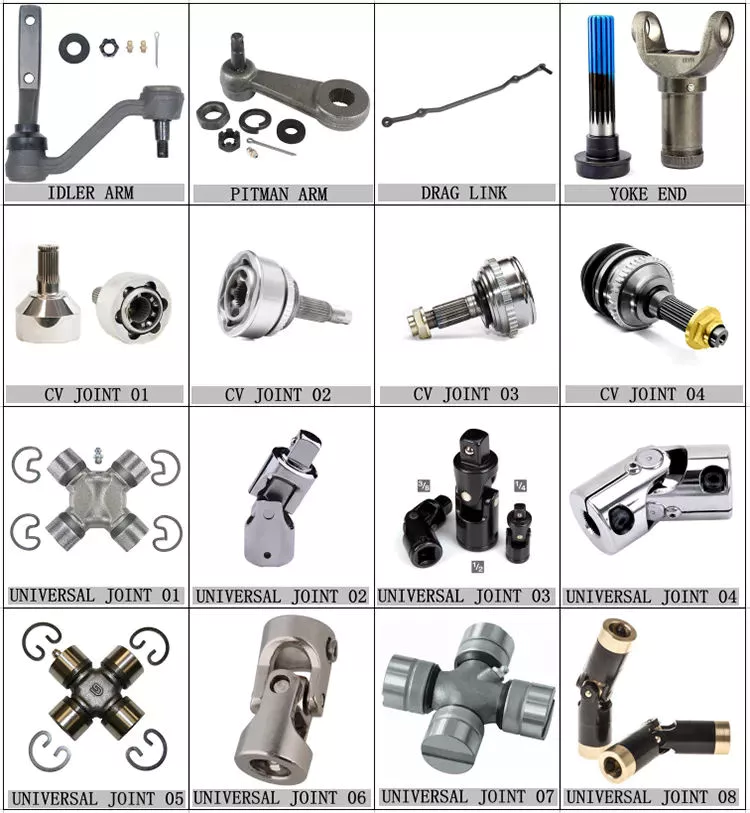
4. Wał odbioru mocy o stałej prędkości (CV): Wały przegubowo-teleskopowe o stałej prędkości (CV), znane również jako wały homokinetyczne, zostały zaprojektowane tak, aby kompensować duże kąty odchylenia bez wpływu na przenoszenie mocy. Wykorzystują one mechanizm przegubu krzyżakowego, który umożliwia płynne przenoszenie mocy, nawet gdy napędzana maszyna znajduje się pod kątem względem źródła napędu. Wały przegubowo-teleskopowe są często stosowane w zastosowaniach, w których maszyny wymagają znacznego zakresu ruchu lub przegubowości, na przykład w ładowarkach przegubowych, ładowarkach teleskopowych i opryskiwaczach samojezdnych.
5. Teleskopowy wałek przekaźnika mocy: Teleskopowe wały WOM mają regulowaną długość, co pozwala na elastyczność konfiguracji sprzętu i zmianę odległości między źródłem napędu a napędzaną maszyną. Składają się one z dwóch lub więcej koncentrycznych wałów, które przesuwają się jeden w drugim, umożliwiając wysuwanie lub wsuwanie wału WOM w zależności od potrzeb. Teleskopowe wały WOM są powszechnie stosowane w zastosowaniach, w których odległość między WOM ciągnika a narzędziem jest zmienna, na przykład w narzędziach montowanych z przodu, odśnieżarkach i przyczepach samozbierających. Teleskopowa konstrukcja umożliwia łatwą adaptację do różnych konfiguracji sprzętu i minimalizuje ryzyko ciągnięcia wału WOM po podłożu.
6. Wał odbioru mocy skrzyni biegów: Wały odbioru mocy przekładni służą do adaptacji przenoszenia mocy między różnymi prędkościami obrotowymi lub kierunkami. Wyposażone są w mechanizm przekładni, który umożliwia redukcję lub zwiększenie prędkości, a także zmianę kierunku obrotów. Wały odbioru mocy przekładni są powszechnie stosowane w zastosowaniach, w których napędzane maszyny wymagają innej prędkości lub kierunku obrotów niż wał odbioru mocy ciągnika. Przykładami są ślimaki zbożowe, mieszalniki pasz i urządzenia przemysłowe wymagające określonych przełożeń lub możliwości cofania.
Należy pamiętać, że dostępność i konkretne zastosowania wałów odbioru mocy mogą się różnić w zależności od czynników regionalnych i branżowych. Ponadto, niektóre maszyny lub narzędzia mogą wymagać specjalistycznych lub niestandardowych wałów odbioru mocy, aby spełnić określone wymagania.
Podsumowując, różne typy wałów odbioru mocy, takie jak standardowy, ze śrubą ścinaną, ze sprzęgłem ciernym, ze stałą prędkością obrotową (CV), teleskopowy i przekładniowy, zapewniają wszechstronność i kompatybilność z różnymi maszynami i narzędziami. Każdy typ wału odbioru mocy został zaprojektowany z myślą o spełnieniu określonych potrzeb, takich jak efektywność przenoszenia mocy, bezpieczeństwo, płynne załączanie, tolerancja na odchylenia, adaptacyjność oraz regulacja prędkości/kierunku. Zrozumienie różnych typów wałów odbioru mocy i ich zastosowań jest kluczowe dla doboru odpowiedniego wału do planowanej maszyny i zapewnienia optymalnej wydajności i niezawodności.

editor by lmc 2024-11-25