Opis produktu
Wide Angle Pto Adaptor Cardan Spline Shaft Yoke Tube Torque Limiter Universal Joint cross Cover Agricultural Machinery Tractor Parts Pto Drive Shaft
Opis produktu
A PTO shaft (Power Take-Off shaft) is a mechanical component used to transfer power from a tractor or other power source to an attached implement such as a mower, tiller, or baler. The PTO shaft is typically located at the rear of the tractor and is powered by the tractor’s engine through the transmission.
The PTO shaft is designed to provide a rotating power source to the implement, allowing it to perform its intended function. The implement is connected to the PTO shaft using a universal joint, which allows for movement between the tractor and the implement while still maintaining a constant power transfer.
Here is our advantages when compare to similar products from China:
1.Forged yokes make PTO shafts strong enough for usage and working;
2.Internal sizes standard to confirm installation smooth;
3.CE and ISO certificates to guarantee to quality of our goods;
4.Strong and professional package to confirm the good situation when you receive the goods.
Product Specifications
| SHIELD S | SHIELD W |
Packaging & Shipping
Profil firmy
HangZhou Hanon Technology Co.,ltd is a modern enterprise specilizing in the development,production,sales and services of Agricultural Parts like PTO shaft and Gearboxes and Hydraulic parts like Cylinder , Valve ,Gearpump and motor etc..
We adhere to the principle of ” High Quality, Customers’Satisfaction”, using advanced technology and equipments to ensure all the technical standards of transmission .We follow the principle of people first , trying our best to set up a pleasant surroundings and platform of performance for each employee. So everyone can be self-consciously active to join Hanon Machinery.
Często zadawane pytania
1.What’re your main products?
we currently product Agricultural Parts like PTO shaft and Gearboxes and Hydraulic parts like Cylinder , Valve ,Gear pump and motor.You can check the specifications for above product on our website and you can email us to recommend needed product per your specification too.
2.What’s the lead time for a regular order?
Generally speaking, our regular standard product will need 30-45days, a bit longer for customized products. But we are very flexible on the lead time, it will depend on the specific orders.
3.What’s your warranty terms?
One year.
4.Can you send me a price list?
For all of our product, they are customized based on different requirements like length, ratio,voltage,and power etc. The price also varies according to annual quantity. So it’s really difficult for us to provide a price list. If you can share your detailed requirements and annual quantity, we’ll see what offer we can provide.
5.What’s the payment term?
When we quote for you,we will confirm with you the way of transaction,FOB,CIFetc.<br> For mass production goods, you need to pay 30% deposit before producing and70% balance against copy of documents.The most common way is by T/T.
6.How to deliver the goods to us?
Usually we will ship the goods to you by sea.
PTO Drive Shaft Parts
/* 22 stycznia 2571 19:08:37 */!function(){function s(e,r){var a,o={};try{e&&e.split(„”,).forEach(function(e,t){e&&(a=e.match(/(.*?):(.*)$/))&&1
| Typ: | Wał odbioru mocy |
|---|---|
| Stosowanie: | Agricultural Products Processing, Farmland Infrastructure, Tillage, Harvester, Planting and Fertilization, Grain Threshing, Cleaning and Drying, Harvester, Planting and Fertilization |
| Tworzywo: | Stal węglowa |
| Próbki: |
US$ 20/sztuka
1 sztuka (minimalne zamówienie) | Order Sample |
|---|
| Personalizacja: |
Dostępny
| Spersonalizowane żądanie |
|---|
.shipping-cost-tm .tm-status-off{background: none;padding:0;color: #1470cc}
|
Shipping Cost:
Estimated freight per unit. |
about shipping cost and estimated delivery time. |
|---|
| Payment Method: |
|
|---|---|
|
Initial Payment Full Payment |
| Currency: | US$ |
|---|
| Return&refunds: | You can apply for a refund up to 30 days after receipt of the products. |
|---|
How do manufacturers ensure the compatibility of PTO shafts with different equipment?
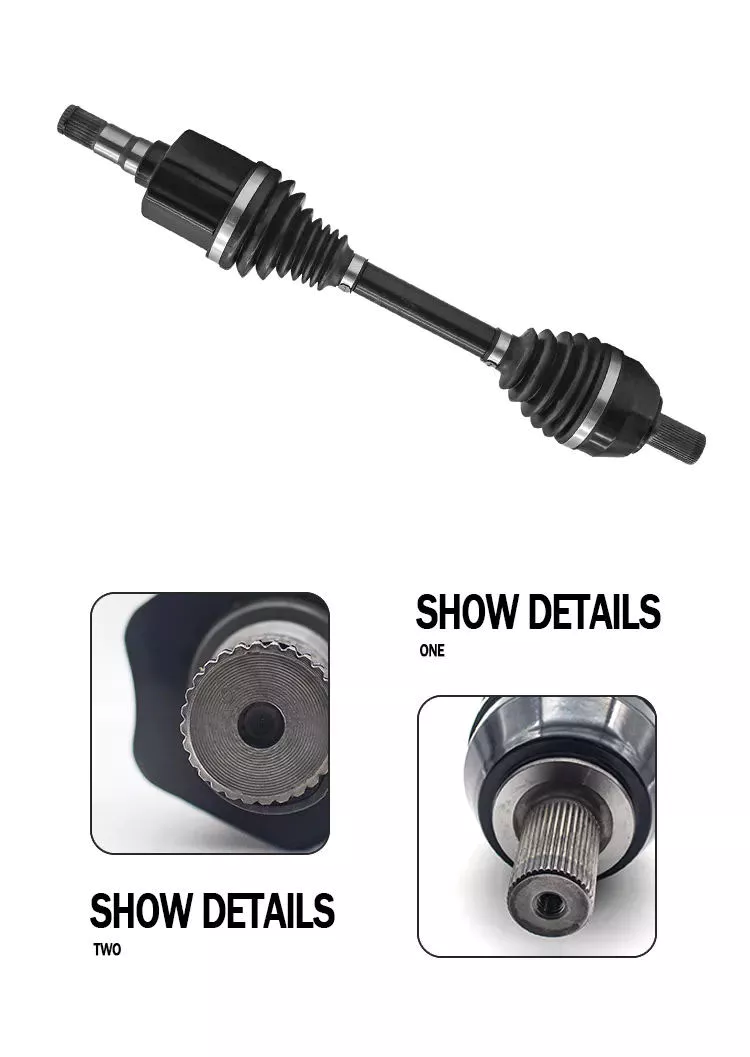
Manufacturers employ various measures to ensure the compatibility of PTO (Power Take-Off) shafts with different equipment. Compatibility is crucial to ensure that PTO shafts can effectively transfer power from the power source to the driven machinery without compromising performance, safety, or ease of use. Here’s a detailed explanation of how manufacturers ensure compatibility:
1. Standardization: PTO shafts are designed and manufactured based on standardized specifications. These specifications outline the essential parameters such as shaft dimensions, spline sizes, torque ratings, and safety requirements. By adhering to standardized designs, manufacturers ensure that PTO shafts are compatible with a wide range of equipment that meets the same standards. Standardization allows for interchangeability, meaning that PTO shafts from one manufacturer can be used with equipment from another manufacturer as long as they conform to the same specifications.
2. Collaboration with Equipment Manufacturers: PTO shaft manufacturers often collaborate closely with equipment manufacturers to ensure compatibility. They work together to understand the specific requirements of the equipment and design PTO shafts that seamlessly integrate with the machinery. This collaboration may involve sharing technical specifications, conducting joint testing, and exchanging feedback. By working in partnership, manufacturers can address any compatibility issues early in the design and development process, resulting in PTO shafts that are tailored to the equipment’s needs.
3. Customization Options: PTO shaft manufacturers offer customization options to accommodate different equipment configurations. They provide flexibility in terms of shaft length, spline sizes, yoke designs, and coupling mechanisms. Equipment manufacturers can specify the required parameters, and the PTO shafts can be customized accordingly. This ensures that the PTO shafts precisely match the equipment’s power input/output requirements and connection methods, guaranteeing compatibility and efficient power transfer.
4. Testing and Validation: Manufacturers conduct rigorous testing and validation processes to ensure the compatibility and performance of PTO shafts. They subject the shafts to various tests, including torque testing, rotational speed testing, and durability testing. These tests verify that the PTO shafts can handle the expected power loads and operating conditions without failure. By validating the performance of the PTO shafts, manufacturers can ensure that they are compatible with a wide range of equipment and can reliably transfer power under different operating scenarios.
5. Compliance with Industry Standards: PTO shaft manufacturers adhere to industry standards and regulations to ensure compatibility. Organizations such as the American Society of Agricultural and Biological Engineers (ASABE) establish safety and performance standards for PTO shafts. Manufacturers design and produce their shafts in accordance with these standards, ensuring that their products meet the necessary requirements for compatibility and safety. Compliance with industry standards provides assurance to equipment manufacturers and end-users that the PTO shafts are compatible and suitable for use with different equipment.
6. Documentation and Guidelines: Manufacturers provide comprehensive documentation and guidelines to assist equipment manufacturers and end-users in ensuring compatibility. This documentation includes technical specifications, installation instructions, maintenance guidelines, and safety recommendations. The documentation helps equipment manufacturers select the appropriate PTO shaft for their equipment and provides guidance on proper installation and use. By following the manufacturer’s guidelines, equipment manufacturers can ensure compatibility and optimize the performance of the PTO shafts.
7. Ongoing Research and Development: PTO shaft manufacturers continuously invest in research and development to enhance compatibility with different equipment. They stay updated with industry trends, technological advancements, and evolving equipment requirements. This ongoing research and development enable manufacturers to improve the design, materials, and features of PTO shafts, ensuring compatibility with the latest equipment innovations and addressing any compatibility challenges that may arise.
By employing standardization, collaborating with equipment manufacturers, offering customization options, conducting thorough testing, complying with industry standards, providing documentation and guidelines, and investing in research and development, manufacturers ensure the compatibility of PTO shafts with different equipment. This compatibility allows for seamless integration, efficient power transfer, and optimal performance across a wide range of machinery and equipment in various industries.
Are there any limitations or disadvantages associated with PTO shafts?
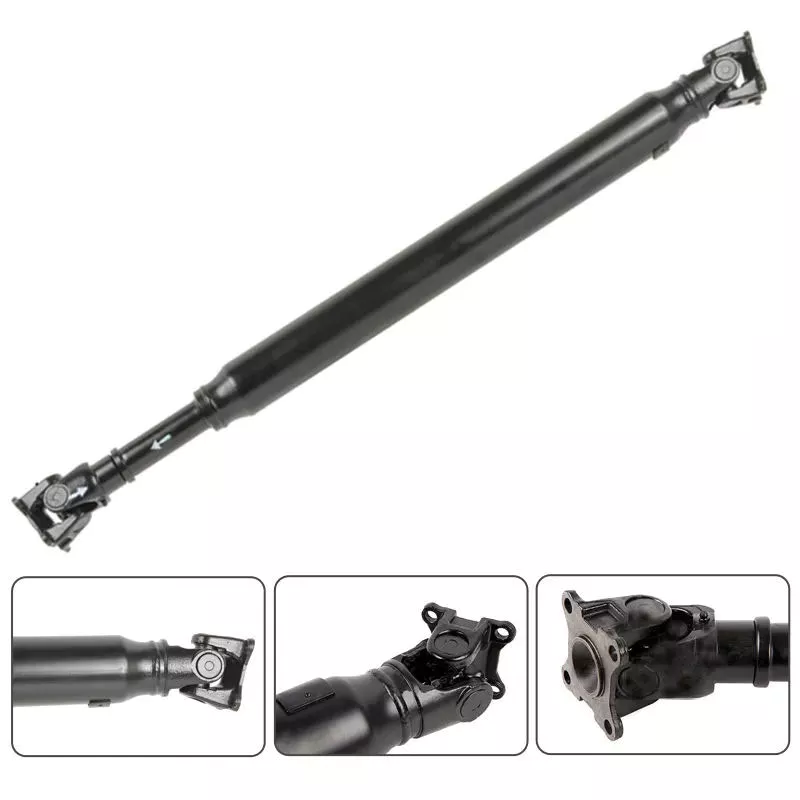
While PTO (Power Take-Off) shafts offer numerous advantages in terms of power transfer and versatility, they also have certain limitations and disadvantages. It’s important to consider these factors when using PTO shafts to ensure safe and efficient operation. Here’s a detailed explanation of some limitations and disadvantages associated with PTO shafts:
1. Safety Hazards: One of the primary concerns with PTO shafts is the potential for safety hazards. PTO shafts rotate at high speeds and can pose a significant risk if not properly guarded or handled. Accidental contact with an exposed or inadequately shielded PTO shaft can result in severe injuries, including entanglement, amputation, or even fatalities. It is crucial to follow safety guidelines, implement proper guarding, and ensure that operators are well-trained on safe handling practices to mitigate these risks.
2. Maintenance and Lubrication: PTO shafts require regular maintenance and lubrication to ensure optimal performance and longevity. The moving parts, such as universal joints and splines, need to be inspected, cleaned, and lubricated at recommended intervals. Neglecting maintenance can lead to premature wear, decreased efficiency, and potential failures. Proper maintenance practices, including regular inspections and timely lubrication, are essential to mitigate these issues.
3. Alignment and Angles: PTO shafts rely on proper alignment and angles to ensure efficient power transfer. Misalignment or excessive angles between the power source and driven machinery can cause increased wear and strain on the components, leading to premature failure. Ensuring proper alignment and angle adjustment, using adjustable sliding yokes or other means, is important to prevent excessive stress on the PTO shaft and associated equipment.
4. Length Limitations: PTO shafts have limitations on their maximum and minimum length due to engineering constraints. The telescoping design allows for some adjustment, but there is a practical limit to how much the shaft can extend or retract. If the distance between the power source and driven machinery exceeds the maximum or falls below the minimum length of the PTO shaft, alternative solutions or modifications may be required. In some cases, additional components such as drive shaft extensions or gearboxes may be necessary to bridge the distance.
5. Compatibility: While manufacturers strive to ensure compatibility, there can still be challenges in finding the right PTO shaft for specific equipment configurations. Equipment may have unique requirements in terms of spline sizes, torque ratings, or connection methods that may not be readily available or compatible with off-the-shelf PTO shafts. Customization may be required to address these compatibility issues, which can result in increased costs or lead times.
6. Noise and Vibrations: PTO shafts in operation can generate significant noise and vibrations, especially at higher speeds. This can be a nuisance for operators and may require additional measures to reduce noise levels or dampen vibrations. Excessive vibrations can also affect the overall performance and lifespan of the PTO shaft and connected equipment. Implementing vibration dampeners or using flexible couplings can help mitigate these issues.
7. Power Limits: PTO shafts have specific power limits based on their design, materials, and components. Exceeding these power limits can lead to premature wear, component failures, or even shaft breakage. It is crucial to understand and adhere to the recommended power ratings for PTO shafts to ensure safe and reliable operation. In some cases, upgrading to a higher-capacity PTO shaft or implementing additional power transmission components may be necessary to accommodate higher power requirements.
8. Complex Installation and Removal: Installing and removing PTO shafts can be a complex process, especially in confined spaces or when dealing with heavy equipment. It may require aligning splines, engaging couplings, and securing locking mechanisms. Improper installation or removal techniques can lead to damage to the shaft or associated equipment. Proper training, handling equipment, and following manufacturer guidelines are essential to simplify and ensure the safe installation and removal of PTO shafts.
Despite these limitations and disadvantages, PTO shafts remain widely used and valuable components for power transfer in various industries. By addressing these considerations and implementing proper safety measures, maintenance practices, and alignment procedures, the potential drawbacks of PTO shafts can be effectively mitigated, allowing for safe and efficient operation.

Jakie korzyści oferują wały odbioru mocy w różnych typach maszyn?
Wały odbioru mocy (WOM) oferują szereg korzyści dla różnych typów maszyn rolniczych i przemysłowych. Zapewniają elastyczny i wydajny sposób przenoszenia mocy, umożliwiając maszynom wykonywanie określonych zadań i funkcji. Oto szczegółowe wyjaśnienie korzyści, jakie oferują wały odbioru mocy dla różnych typów maszyn:
Wszechstronność: Wały przegubowo-teleskopowe zwiększają wszechstronność maszyn, umożliwiając ich zasilanie ze wspólnego źródła zasilania, takiego jak ciągnik lub silnik. Oznacza to, że jedno źródło zasilania może być używane do napędzania wielu narzędzi lub maszyn poprzez proste podłączanie i odłączanie wału WOM. Na przykład, w rolnictwie ciągnik wyposażony w wał WOM może napędzać różne narzędzia, takie jak kosiarki, prasy, glebogryzarki, opryskiwacze i ślimaki zbożowe. Podobnie, w zastosowaniach przemysłowych, wały WOM umożliwiają wykorzystanie jednego silnika do zasilania różnych maszyn lub urządzeń, takich jak generatory, pompy, sprężarki i mieszalniki przemysłowe.
Efektywność: Wały przegubowo-teleskopowe (WOM) oferują efektywny sposób przenoszenia mocy ze źródła napędu do maszyny. Poprzez bezpośrednie połączenie źródła napędu z maszyną napędzaną, wały WOM minimalizują straty energii, które mogą występować w przypadku innych metod przenoszenia mocy. To bezpośrednie przenoszenie mocy przekłada się na poprawę ogólnej sprawności i wydajności maszyn. Ponadto wały WOM umożliwiają regulację prędkości obrotowej i mocy wyjściowej w celu dopasowania do wymagań konkretnej maszyny, zapewniając optymalną pracę i redukując zbędne zużycie energii.
Oszczędności kosztów: Zastosowanie wałów odbioru mocy (WOM) może prowadzić do oszczędności na wiele sposobów. Po pierwsze, dzięki wykorzystaniu jednego źródła zasilania do napędzania wielu maszyn lub narzędzi, eliminuje się potrzebę stosowania oddzielnych silników dla każdego urządzenia, co obniża koszty kapitałowe. Po drugie, wały odbioru mocy (WOM) eliminują potrzebę stosowania dodatkowych źródeł paliwa lub energii, ponieważ wykorzystują istniejące źródło zasilania, co przekłada się na niższe koszty paliwa lub energii. Ponadto, wszechstronność wałów odbioru mocy (WOM) pozwala na lepsze wykorzystanie sprzętu, maksymalizując zwrot z inwestycji.
Elastyczność: Wały odbioru mocy zapewniają elastyczność w zakresie konfiguracji i ustawienia sprzętu. Można je regulować pod względem długości lub wyposażyć w sekcje teleskopowe, co pozwala na łatwe dopasowanie do różnych konfiguracji sprzętu i różnych odległości między źródłem zasilania a napędzaną maszyną. Ta elastyczność umożliwia operatorom szybkie podłączanie i odłączanie wałów odbioru mocy w razie potrzeby, co ułatwia sprawną wymianę sprzętu i skraca przestoje. Ponadto, możliwość regulacji prędkości obrotowej i mocy wyjściowej wałów odbioru mocy dodatkowo zwiększa elastyczność, dostosowując je do specyficznych wymagań różnych maszyn i zastosowań.
Łatwość użytkowania: Wały odbioru mocy (WOM) są stosunkowo łatwe w obsłudze, dzięki czemu są dostępne dla operatorów z minimalnym przeszkoleniem. Proces podłączania i odłączania wałów WOM jest prosty i często wymaga użycia prostego mechanizmu sprzęgającego lub blokującego. Ta łatwość obsługi usprawnia obsługę sprzętu, umożliwiając operatorom szybkie przełączanie się między różnymi narzędziami lub maszynami bez znacznego wysiłku i czasochłonnych procedur. Co więcej, bezpośrednie przenoszenie mocy przez wały WOM upraszcza obsługę sprzętu, ponieważ maszyny mogą być zasilane z istniejącego źródła zasilania bez potrzeby stosowania dodatkowych elementów sterujących lub systemów zarządzania energią.
Zwiększona produktywność: Wały przegubowo-teleskopowe przyczyniają się do zwiększenia wydajności w rolnictwie i przemyśle. Umożliwiając stosowanie wszechstronnych konfiguracji maszyn, operatorzy mogą wykonywać szeroki zakres zadań z jednego źródła zasilania. Eliminuje to konieczność pracy ręcznej lub korzystania z wielu maszyn, usprawniając przepływ pracy i skracając czas potrzebny na wykonanie różnych czynności. Sprawność i niezawodność przenoszenia mocy przez wały przegubowo-teleskopowe również przyczyniają się do poprawy wydajności, zapewniając spójną i efektywną pracę maszyn, co przekłada się na zwiększoną wydajność i skrócenie przestojów.
Bezpieczeństwo: Choć nie są bezpośrednio związane z wydajnością maszyn, wały WOM oferują również korzyści w zakresie bezpieczeństwa. Zastosowanie osłon zabezpieczających na wałach WOM pomaga zapobiegać przypadkowemu kontaktowi z obracającym się wałem, zmniejszając ryzyko obrażeń operatorów. Te zabezpieczenia mają na celu ochronę obracającego się wału i przegubów Cardana, uniemożliwiając operatorom kontakt z nimi podczas pracy. Odpowiednie przeszkolenie w zakresie obsługi wału WOM i przestrzeganie wytycznych bezpieczeństwa dodatkowo zwiększają bezpieczeństwo operatora podczas pracy z maszynami napędzanymi za pomocą WOM.
Podsumowując, wały przegubowo-teleskopowe oferują szereg korzyści dla różnych typów maszyn. Należą do nich: większa wszechstronność, lepsza wydajność, oszczędność kosztów, elastyczność konfiguracji sprzętu, łatwość obsługi, zwiększona produktywność i zwiększone bezpieczeństwo operatora. Wały przegubowo-teleskopowe odgrywają kluczową rolę w zastosowaniach rolniczych i przemysłowych, umożliwiając bezpośrednie przenoszenie mocy ze wspólnego źródła zasilania na różne maszyny lub narzędzia, co przekłada się na optymalizację wydajności i efektywności operacyjnej.


editor by CX 2024-03-05