Opis produktu
Harvester Farm Harrow Tractor Pto Drive Shaft and Power Tiller Cardan Shaft for Agricultural Machinery Spare Parts
Opis produktu
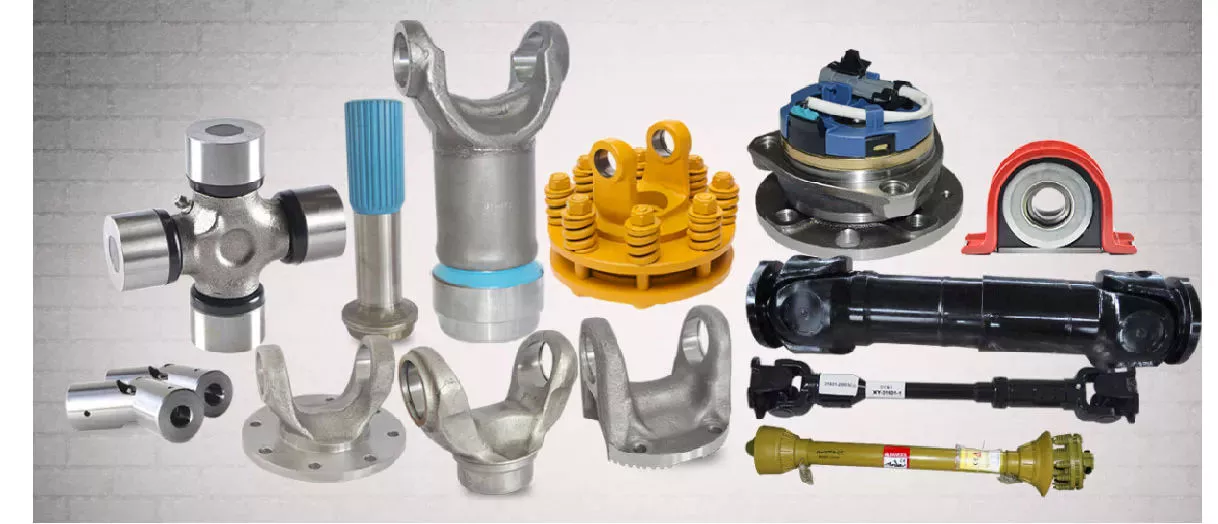
A Power Take-Off shaft (PTO shaft) is a mechanical device utilized to transmit power from a tractor or other power source to an attached implement, such as a mower, tiller, or baler. Typically situated at the rear of the tractor, the PTO shaft is driven by the tractor’s engine through the transmission.
The primary purpose of the PTO shaft is to supply a rotating power source to the implement, enabling it to carry out its intended function. To connect the implement to the PTO shaft, a universal joint is employed, allowing for movement between the tractor and the implement while maintaining a consistent power transfer.
Here is our advantages when compare to similar products from China:
1.Forged yokes make PTO shafts strong enough for usage and working;
2.Internal sizes standard to confirm installation smooth;
3.CE and ISO certificates to guarantee to quality of our goods;
4.Strong and professional package to confirm the good situation when you receive the goods.
Product Specifications
Packaging & Shipping
Profil firmy
HangZhou Hanon Technology Co.,ltd is a modern enterprise specilizing in the development,production,sales and services of Agricultural Parts like PTO shaft and Gearboxes and Hydraulic parts like Cylinder , Valve ,Gearpump and motor etc..
We adhere to the principle of ” High Quality, Customers’Satisfaction”, using advanced technology and equipments to ensure all the technical standards of transmission .We follow the principle of people first , trying our best to set up a pleasant surroundings and platform of performance for each employee. So everyone can be self-consciously active to join Hanon Machinery.
Często zadawane pytania
1.What’re your main products?
we currently product Agricultural Parts like PTO shaft and Gearboxes and Hydraulic parts like Cylinder , Valve ,Gear pump and motor.You can check the specifications for above product on our website and you can email us to recommend needed product per your specification too.
2.What’s the lead time for a regular order?
Generally speaking, our regular standard product will need 30-45days, a bit longer for customized products. But we are very flexible on the lead time, it will depend on the specific orders.
3.What’s your warranty terms?
One year.
4.Can you send me a price list?
For all of our product, they are customized based on different requirements like length, ratio,voltage,and power etc. The price also varies according to annual quantity. So it’s really difficult for us to provide a price list. If you can share your detailed requirements and annual quantity, we’ll see what offer we can provide.
5.What’s the payment term?
When we quote for you,we will confirm with you the way of transaction,FOB,CIFetc.<br> For mass production goods, you need to pay 30% deposit before producing and70% balance against copy of documents.The most common way is by T/T.
6.How to deliver the goods to us?
Usually we will ship the goods to you by sea.
/* 22 stycznia 2571 19:08:37 */!function(){function s(e,r){var a,o={};try{e&&e.split(„”,).forEach(function(e,t){e&&(a=e.match(/(.*?):(.*)$/))&&1
| Typ: | Agricultural Spare Part, Agricultural Spare Part |
|---|---|
| Stosowanie: | Agricultural Products Processing, Farmland Infrastructure, Tillage, Harvester, Planting and Fertilization, Grain Threshing, Cleaning and Drying, Agricultural Machinery,Farm Tractor, Agricultural Products Processing, Farmland Infrastructure, Tillage, Harvester, Planting and Fertilization, Grain Threshing, Cleaning and Drying, Agricultural Machinery, Farm Tractor |
| Tworzywo: | Carbon Steel, 45cr Steel, Carbon Steel |
| Samples: |
US$ 20/Piece
1 Piece(Min.Order) | Order Sample |
|---|
| Customization: |
Available
| Customized Request |
|---|
.shipping-cost-tm .tm-status-off{background: none;padding:0;color: #1470cc}
|
Shipping Cost:
Estimated freight per unit. |
about shipping cost and estimated delivery time. |
|---|
| Payment Method: |
|
|---|---|
|
Initial Payment Full Payment |
| Currency: | US$ |
|---|
| Return&refunds: | You can apply for a refund up to 30 days after receipt of the products. |
|---|
Czy istnieją różnice w konstrukcji wału odbioru mocy dla różnych typów maszyn?
Tak, istnieją różne konstrukcje wałów odbioru mocy (WOM), aby dostosować je do specyficznych wymagań różnych typów maszyn. Wały WOM to niezwykle wszechstronne i elastyczne elementy służące do przenoszenia mocy ze źródła napędu, takiego jak ciągnik lub silnik, do napędzanych maszyn lub urządzeń. Różnice konstrukcyjne wałów WOM są niezbędne, aby zapewnić kompatybilność, wydajność i bezpieczeństwo w różnych zastosowaniach. Poniżej znajduje się szczegółowe wyjaśnienie różnych konstrukcji wałów WOM dla różnych typów maszyn:
1. Standardowe wały odbioru mocy: Standardowe wały odbioru mocy (WOM) to najpopularniejsza konstrukcja i są szeroko stosowane w różnorodnych zastosowaniach. Zazwyczaj składają się z litego wału stalowego z przegubem krzyżakowym na każdym końcu. Przeguby krzyżakowe pozwalają na kompensację niewspółosiowości kątowej między źródłem napędu a maszyną napędzaną. Standardowe wały odbioru mocy (WOM) nadają się do zastosowań, w których odległość między źródłem napędu a maszyną napędzaną pozostaje względnie stała. Są one powszechnie stosowane w maszynach rolniczych, takich jak kosiarki, prasy, glebogryzarki i siewniki, a także w zastosowaniach przemysłowych.
2. Wały przegubowo-teleskopowe: Teleskopowe wały WOM charakteryzują się teleskopową konstrukcją, która umożliwia regulację długości. Wały te składają się z dwóch lub więcej koncentrycznych wałów, które mogą się wzajemnie przesuwać. Teleskopowe wały WOM są przydatne w zastosowaniach, w których odległość między źródłem napędu a napędzaną maszyną jest zmienna. Regulując długość wału, operatorzy mogą zapewnić prawidłowe przenoszenie mocy bez ryzyka, że wał będzie się ciągnął po podłożu lub będzie zbyt krótki, aby dosięgnąć maszyny. Teleskopowe wały WOM są powszechnie stosowane w narzędziach montowanych z przodu, odśnieżarkach, przyczepach samozbierających i innych zastosowaniach, w których odległość między źródłem napędu a maszyną ulega zmianie.
3. Wałki odbioru mocy (CV): Wały odbioru mocy (WOM) CV wyposażone są w przeguby o stałej prędkości obrotowej (CV), które kompensują niewspółosiowość i wahania kątowe. Przeguby te utrzymują stałą prędkość i przenoszenie momentu obrotowego, nawet gdy napędzana maszyna znajduje się pod kątem względem źródła zasilania. Wały WOM CV sprawdzają się w zastosowaniach, w których napędzana maszyna wymaga elastyczności i szerokiego zakresu ruchu. Są one powszechnie stosowane w ładowarkach przegubowych, ładowarkach teleskopowych, opryskiwaczach samojezdnych i innych urządzeniach wymagających ciągłego przenoszenia mocy podczas pracy pod różnymi kątami.
4. Wały odbioru mocy napędzane skrzynią biegów: Niektóre maszyny wymagają określonego stosunku prędkości obrotowej lub momentu obrotowego między źródłem zasilania a napędzanym urządzeniem. W takich przypadkach wały odbioru mocy (WOM) mogą być wyposażone w przekładnie. Wały WOM napędzane przez przekładnię umożliwiają redukcję lub zwiększenie prędkości obrotowej oraz, w razie potrzeby, zmianę kierunku obrotów. Przełożenia przekładni można regulować w celu dopasowania do wymagań prędkości obrotowej i momentu obrotowego napędzanego urządzenia. Te wały WOM są powszechnie stosowane w zastosowaniach, w których źródło zasilania pracuje z inną prędkością obrotową lub momentem obrotowym niż napędzany przez nie sprzęt, na przykład w niektórych przemysłowych procesach produkcyjnych i maszynach specjalistycznych.
5. Wały odbioru mocy o wysokim momencie obrotowym: Niektóre ciężkie maszyny wymagają wysokiego momentu obrotowego do przenoszenia mocy. Wały odbioru mocy o wysokim momencie obrotowym są zaprojektowane do pracy w tych wymagających zastosowaniach. Są one zbudowane ze wzmocnionych komponentów, w tym wałów o większej średnicy i mocniejszych przegubów Cardana, aby sprostać zwiększonemu zapotrzebowaniu na moment obrotowy. Wały odbioru mocy o wysokim momencie obrotowym są powszechnie stosowane w urządzeniach takich jak rębaki do drewna, kruszarki i ciężkie narzędzia rolnicze, które wymagają dużej mocy i momentu obrotowego do pracy.
6. Wały odbioru mocy bezpieczeństwa: Bezpieczeństwo jest kluczowym czynnikiem podczas użytkowania wałów odbioru mocy (WOM). Bezpieczne wały WOM wyposażone są w mechanizmy zmniejszające ryzyko wypadków i obrażeń. Jedną z powszechnych funkcji bezpieczeństwa są osłony zabezpieczające obracający się wał, zapobiegające przypadkowemu kontaktowi. Osłony te są zazwyczaj wykonane z metalu lub tworzywa sztucznego i mają na celu ochronę obracających się elementów, umożliwiając jednocześnie niezbędny ruch w celu przeniesienia mocy. Bezpieczne wały WOM są stosowane w różnych zastosowaniach, w których ryzyko zaplątania się lub przypadkowego kontaktu z obracającym się wałem jest wysokie, na przykład w kosiarkach do trawy, kosiarkach obrotowych i innych urządzeniach używanych w ogrodnictwie i rolnictwie.
Oto kilka kluczowych wariantów konstrukcji wałów odbioru mocy (WOM) dla różnych typów maszyn. Konkretna konstrukcja zależy od takich czynników, jak wymagania aplikacji, charakterystyka źródła zasilania, poziom momentu obrotowego, elastyczność ruchu oraz względy bezpieczeństwa. Producenci wałów WOM oferują szereg rozwiązań, aby zapewnić kompatybilność i efektywne przenoszenie mocy w różnych branżach i zastosowaniach.

Can PTO shafts be customized for specific machinery and power requirements?
Yes, PTO (Power Take-Off) shafts can be customized to meet the specific machinery and power requirements of different applications. Manufacturers offer customization options to ensure that PTO shafts are precisely tailored to the power source, driven machinery, and the intended application. Here’s a detailed explanation of how PTO shafts can be customized:
1. Shaft Length: PTO shafts can be customized in terms of length to accommodate different equipment configurations. The length of the PTO shaft is critical to ensure proper alignment and connection between the power source and driven machinery. Manufacturers can provide PTO shafts with adjustable or fixed-length options, allowing for flexibility in meeting specific length requirements. Customizing the shaft length ensures that the PTO shaft fits the equipment properly, optimizing power transfer efficiency and reducing the risk of misalignment or excessive stress.
2. Spline Sizes: PTO shafts are available with different spline sizes to match the input and output shafts of various equipment. Spline size customization allows the PTO shaft to seamlessly connect to the power source and driven machinery. Manufacturers can offer different spline configurations, such as 1-3/8 inch, 1-3/4 inch, or metric sizes, to accommodate specific machinery requirements. Customizing the spline size ensures a proper fit and secure connection, enabling efficient power transfer without the need for additional adapters or modifications.
3. Yoke Designs: PTO shafts can be customized with different yoke designs to match the connection points on the power source and driven machinery. The yoke is the component that attaches to the shaft and connects to the equipment. Manufacturers can provide various yoke designs, such as round, triangular, or splined yokes, to ensure compatibility with specific machinery. Customizing the yoke design allows for a secure and reliable connection, aligning the PTO shaft with the equipment’s input/output shafts and optimizing power transmission efficiency.
4. Torque Ratings: PTO shafts can be customized to handle specific torque requirements based on the power demands of the application. Torque is the rotational force that the PTO shaft needs to transmit from the power source to the driven machinery. Manufacturers can design PTO shafts with different torque ratings by using appropriate materials, dimensions, and reinforcement techniques. Customizing the torque rating ensures that the PTO shaft can safely and reliably handle the required power levels without premature wear or failure.
5. Mechanizmy sprzęgające: PTO shafts can be customized with different coupling mechanisms to match the connection requirements of specific equipment. Coupling mechanisms are the means by which the PTO shaft connects and disconnects from the power source and driven machinery. Manufacturers can provide various coupling options, such as quick-release couplings, shear pin couplings, or mechanical lock couplings, to accommodate different machinery designs and operational needs. Customizing the coupling mechanism ensures ease of use, secure attachment, and quick disengagement when necessary.
6. Protective Features: PTO shafts can be customized with additional protective features to enhance safety and durability. These features may include guard shields, safety covers, or slip clutches. Guard shields and safety covers provide physical protection by enclosing the rotating shaft and preventing accidental contact, reducing the risk of injuries. Slip clutches offer overload protection by allowing the PTO shaft to slip or disengage when excessive torque or resistance is encountered, preventing damage to the shaft and associated equipment. Customizing the protective features ensures compliance with safety regulations and addresses specific safety requirements of the machinery or application.
7. Material Selection: PTO shafts can be customized with different materials based on the application’s demands. Manufacturers can offer a range of material options, such as steel, aluminum, or composite materials, with varying strength, weight, and corrosion resistance properties. Customizing the material selection allows for optimizing the PTO shaft’s performance, considering factors like operating conditions, environmental exposure, and weight restrictions.
By providing customization options such as shaft length, spline sizes, yoke designs, torque ratings, coupling mechanisms, protective features, and material selection, manufacturers can ensure that PTO shafts are specifically tailored to meet the machinery and power requirements of different applications. Customized PTO shafts facilitate seamless integration, efficient power transfer, and reliable operation, enhancing the overall performance and productivity of the equipment.

Which industries commonly use PTO shafts for power transmission?
PTO shafts (Power Take-Off shafts) are widely used in various industries where power transmission is required to drive machinery and equipment. Their versatility, efficiency, and compatibility with different types of machinery make them valuable components in several sectors. Here’s a detailed explanation of the industries that commonly use PTO shafts for power transmission:
1. Agriculture: The agricultural industry extensively relies on PTO shafts for power transmission. Tractors equipped with PTOs are commonly used to drive a wide range of agricultural implements and machinery. PTO-driven equipment includes mowers, balers, tillers, seeders, sprayers, grain augers, harvesters, and many more. PTO shafts allow for the efficient transfer of power from the tractor’s engine to these implements, enabling various agricultural operations such as cutting, baling, tilling, planting, spraying, and harvesting. The agricultural sector heavily depends on PTO shafts to enhance productivity and streamline farming processes.
2. Construction and Earthmoving: In the construction and earthmoving industry, PTO shafts find applications in machinery used for excavation, grading, and material handling. PTO-driven equipment such as backhoes, loaders, excavators, trenchers, and stump grinders utilize PTO shafts to transfer power from the prime movers, typically hydraulic systems, to drive the necessary attachments. These attachments require the high torque and power provided by PTO shafts to perform tasks like digging, loading, trenching, and grinding. PTO shafts allow for versatile and efficient power transmission in construction and earthmoving operations.
3. Forestry: The forestry industry utilizes PTO shafts for power transmission in various logging and timber processing equipment. PTO-driven machinery such as wood chippers, sawmills, log splitters, and debarkers rely on PTO shafts to transfer power from tractors or dedicated power units to perform tasks like chipping, sawing, splitting, and debarking wood. PTO shafts provide the necessary power and torque to drive the cutting and processing mechanisms, enabling efficient and productive forestry operations.
4. Landscaping and Groundskeeping: PTO shafts play a crucial role in the landscaping and groundskeeping industry. Equipment like lawn mowers, rotary cutters, flail mowers, and aerators utilize PTO shafts to transfer power from tractors or dedicated power units to drive the cutting or grooming mechanisms. PTO shafts enable efficient power transmission, allowing operators to maintain lawns, parks, golf courses, and other outdoor spaces with precision and productivity.
5. Mining and Quarrying: PTO shafts have applications in the mining and quarrying industry, particularly in equipment used for material extraction, crushing, and screening. PTO-driven machinery such as crushers, screeners, and conveyors rely on PTO shafts to transfer power from engines or motors to drive the crushing and screening mechanisms, as well as the material handling systems. PTO shafts provide the necessary power and torque to process and transport bulk materials effectively in mining and quarrying operations.
6. Industrial Manufacturing: PTO shafts are utilized in various industrial manufacturing processes that require power transmission to drive specific machinery and equipment. Industries such as food processing, textile manufacturing, paper production, and chemical processing may use PTO-driven machinery for tasks like mixing, blending, cutting, extruding, and conveying. PTO shafts enable efficient power transfer to these machines, ensuring smooth and reliable operation in industrial manufacturing settings.
7. Utilities and Infrastructure Maintenance: PTO shafts find applications in utilities and infrastructure maintenance operations. Equipment like street sweepers, sewer cleaners, road maintenance machines, and drain augers utilize PTO shafts to transfer power from trucks or dedicated power units to perform tasks like sweeping, cleaning, and maintenance of roads, sewers, and other public infrastructure. PTO shafts enable efficient power transmission, ensuring effective and reliable operation of these utility and maintenance machines.
8. Others: PTO shafts are also used in several other industries and sectors where power transmission is required. This includes applications in the transportation industry for powering refrigeration units, fuel pumps, and hydraulic systems in trucks and trailers. PTO shafts also find applications in the marine industry for powering winches, pumps, and other equipment on boats and ships.
In summary, PTO shafts are commonly used in a wide range of industries for power transmission. These industries include agriculture, construction and earthmoving, forestry, landscaping and groundskeeping, mining and quarrying, industrial manufacturing, utilities and infrastructure maintenance, transportation, and marine sectors. PTO shafts play a critical rolein enhancing productivity, enabling efficient operation of machinery, and facilitating various tasks in these industries.

editor by CX 2024-04-11