Opis produktu
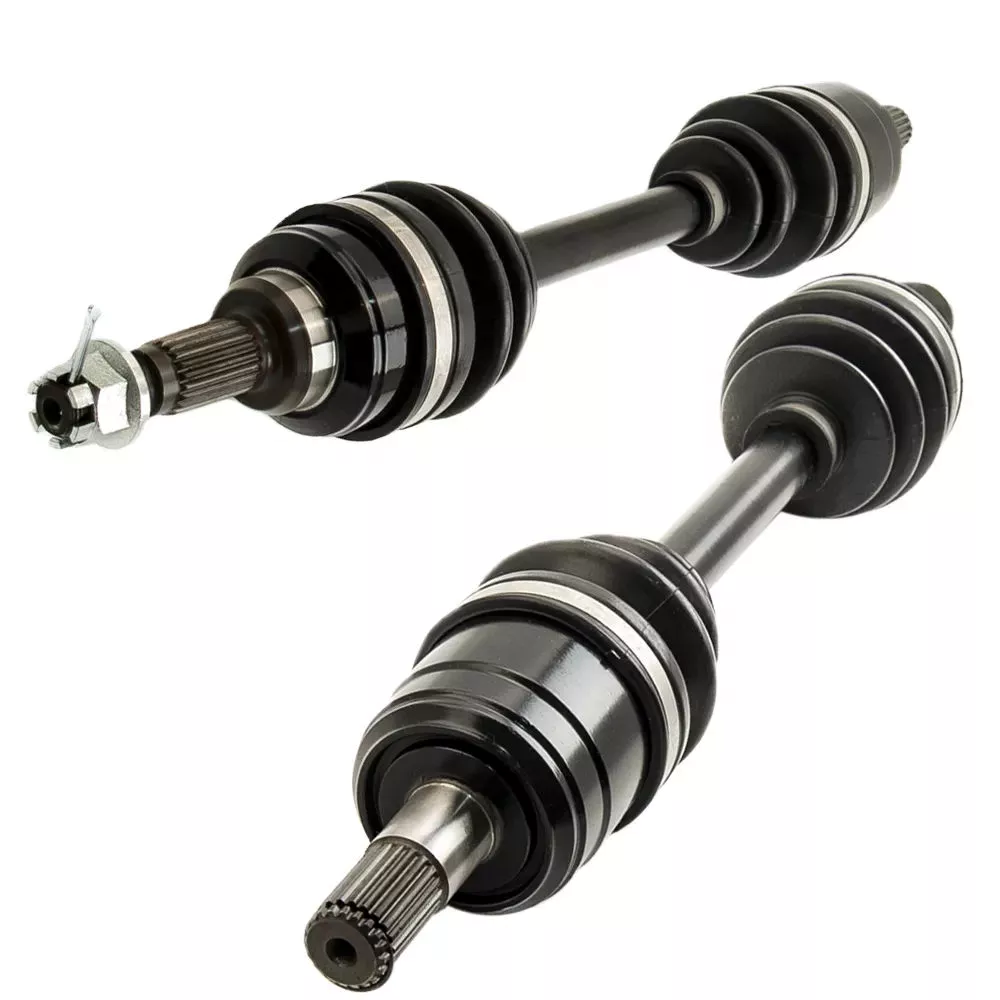
Tractor Pto Driveshaft Driveline Factory Hollow Spline Cardan Adapter Universal Joint Yoke Flexible Front Prop Rear CV Axle Propeller Automobile Drive Shaft
Opis produktu
Agricultural truck universal joint steering
PTO Shaft
| Function of PTO Shaft | Drive Shaft Parts & Power Transmission |
| Usage of PTO Shaft | Kinds of Tractors & Farm Implements |
| Yoke Types for PTO Shaft | Double push pin, Bolt pins, Split pins, Pushpin, Quick release, Ball attachment, Collar….. |
| Przetwarzanie jarzma | Kucie |
| PTO Shaft Plastic Cover | YW; BW; YS; BS; Etc |
| Kolory wału odbioru mocy | Green; Orange; Yellow; Black Ect. |
| Seria wałów odbioru mocy | T1-T10; L1-L6;S6-S10;10HP-150HP with SA,RA,SB,SFF,WA,CV Etc |
| Rodzaje rur do wału odbioru mocy | Lemon, Triangular, Star, Square, Hexangular, Spline, Special Ect |
| Processing Of Tube | Cold drawn |
| Spline Types for PTO Shaft | 1 1/8″ Z6;1 3/8″ Z6; 1 3/8″ Z21 ;1 3/4″ Z20; 1 3/4″ Z6; 8-38*32*6 8-42*36*7; 8-48*42*8; |
We also sell accessories for the pto shaft, including :
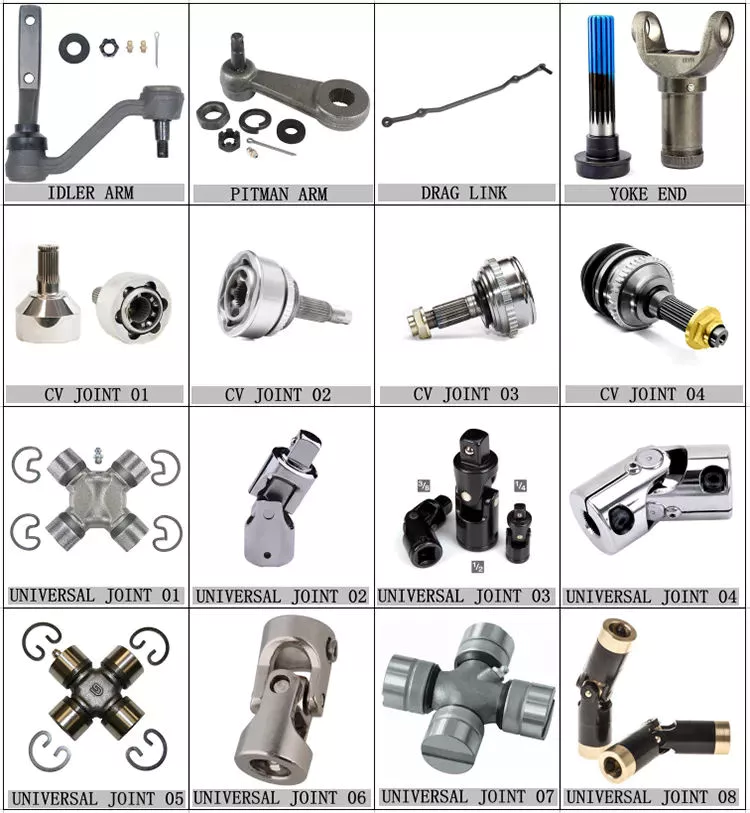
Yoke: CV socket yoke, CV weld yoke, flange yoke, end yoke, weld yoke, slip yoke
CV center housing, tube, spline, CV socket flange, u-joint, dust cap
Light vehicle drive line
Our products can be used for transmission shafts of the following brands
Toyota, Mitsubishi, Nissan, Isu zu, Suzuki, Dafa, Honda, Hyundai, Mazda, Fiat, Re nault, Kia, Dacia, Ford. Dodge, Land Rover, Peu geot, Volkswagen Audi, BMW Benz Volvo, Russian models
Gear shaft
Profil firmy
Powiązane produkty
Aplikacja:
Company information:
/* 10 marca 2571 17:59:20 */!function(){function s(e,r){var a,o={};try{e&&e.split(“,”).forEach(function(e,t){e&&(a=e.match(/(.*?):(.*)$/))&&1
| Tworzywo: | Stal węglowa |
|---|---|
| Load: | Drive Shaft |
| Stiffness & Flexibility: | Stiffness / Rigid Axle |
| Journal Diameter Dimensional Accuracy: | IT6-IT9 |
| Axis Shape: | Straight Shaft |
| Shaft Shape: | Real Axis |
| Próbki: |
US$ 38/Piece
1 sztuka (minimalne zamówienie) | |
|---|
Czy wały odbioru mocy można dostosować do stosowania zarówno w rolnictwie, jak i w przemyśle?
Tak, wały odbioru mocy (WOM) można dostosować do zastosowań zarówno w rolnictwie, jak i w przemyśle. Chociaż wały WOM powszechnie kojarzone są z maszynami rolniczymi, są to uniwersalne elementy, które można wykorzystać w różnych zastosowaniach poza rolnictwem. Po odpowiednich modyfikacjach i przemyśleniach, wały WOM mogą skutecznie przenosić moc również w zastosowaniach przemysłowych. Poniżej znajduje się szczegółowe wyjaśnienie, jak wały WOM można dostosować do zastosowań zarówno w rolnictwie, jak i w przemyśle:
1. Standardowa konstrukcja wału odbioru mocy: Wały WOM mają znormalizowaną konstrukcję, która zapewnia kompatybilność i zamienność w różnych maszynach i urządzeniach. Ta standaryzacja umożliwia ich stosowanie w różnych zastosowaniach, zarówno rolniczych, jak i przemysłowych. Podstawowe elementy wału WOM, takie jak przeguby Cardana, wały wielowypustowe i osłony ochronne, pozostają spójne, niezależnie od konkretnego zastosowania. Ta spójność umożliwia łatwą adaptację i integrację z różnymi maszynami i urządzeniami.
2. Długość i rozmiar wału: Wały odbioru mocy (WOM) można dostosować pod względem długości i rozmiaru do specyficznych wymagań zarówno w rolnictwie, jak i przemyśle. Długość wału można regulować w celu dostosowania do różnych odległości między źródłem zasilania a napędzaną maszyną. Ta elastyczność pozwala na optymalne przenoszenie mocy i zapewnia kompatybilność z różnymi konfiguracjami sprzętu. Podobnie, wymiary wału WOM, w tym średnica i parametry wału wielowypustowego, można dostosować do wymagań dotyczących momentu obrotowego i mocy w różnych zastosowaniach, zarówno w rolnictwie, jak i w przemyśle.
3. Wymagania dotyczące zasilania: Wały odbioru mocy (WOM) służą do przenoszenia mocy ze źródła zasilania do napędzanych maszyn. W rolnictwie źródłem mocy jest zazwyczaj ciągnik lub inny pojazd rolniczy, natomiast w przemyśle może to być silnik spalinowy, elektryczny lub agregat napędowy specyficzny dla danej branży. Wały odbioru mocy (WOM) można dostosować do różnych wymagań mocy, uwzględniając takie czynniki, jak moment obrotowy, prędkość obrotowa oraz specyficzne wymagania napędzanych maszyn lub urządzeń. Dobierając odpowiedni wał WOM w oparciu o zapotrzebowanie na moc, można efektywnie przenosić moc zarówno w zastosowaniach rolniczych, jak i przemysłowych.
4. Zagadnienia bezpieczeństwa: Bezpieczeństwo jest kluczowym aspektem konstrukcji i użytkowania wału odbioru mocy, niezależnie od zastosowania. Wały odbioru mocy posiadają zabezpieczenia, takie jak osłony i zabezpieczenia, zapobiegające przypadkowemu kontaktowi z obracającymi się elementami. Te środki bezpieczeństwa są niezbędne w rolnictwie i przemyśle, aby zminimalizować ryzyko zaplątania, obrażeń lub uszkodzeń. Dostosowanie wałów odbioru mocy do zastosowań przemysłowych może wymagać dodatkowych środków bezpieczeństwa, ze względu na specyficzne zagrożenia występujące w środowisku przemysłowym. Jednakże podstawowe zasady bezpieczeństwa i cechy wałów odbioru mocy można stosować i dostosowywać, aby zapewnić bezpieczną pracę w obu zastosowaniach.
5. Osprzęt specjalistyczny: Wały WOM mogą być wyposażone w specjalistyczne osprzęty lub adaptery, umożliwiające podłączenie różnych maszyn lub urządzeń napędzanych. W rolnictwie wały WOM zazwyczaj łączą się z narzędziami, takimi jak kosiarki, prasy czy opryskiwacze. W przemyśle wały WOM mogą być dostosowane do różnych maszyn przemysłowych, w tym pomp, generatorów, sprężarek czy przenośników taśmowych. Te specjalistyczne osprzęty zapewniają kompatybilność i efektywne przenoszenie mocy między wałem WOM a napędzanym urządzeniem, umożliwiając bezproblemową integrację zarówno w zastosowaniach rolniczych, jak i przemysłowych.
6. Zagadnienia środowiskowe: Wały przegubowo-teleskopowe (WOM) można dostosować do specyficznych warunków środowiskowych, zarówno w rolnictwie, jak i przemyśle. Na przykład, w zastosowaniach rolniczych, wały WOM muszą być odporne na działanie brudu, kurzu, wilgoci i zmiennych warunków atmosferycznych. Zastosowania przemysłowe mogą wiązać się z specyficznymi wyzwaniami środowiskowymi, takimi jak narażenie na działanie chemikaliów, wysokich temperatur lub materiałów ściernych. Wybierając materiały wałów WOM, powłoki ochronne i uszczelnienia odpowiednie do danego środowiska, można dostosować wały, aby zapewnić niezawodną i trwałą pracę w różnych warunkach.
7. Zgodność ze standardami: Wały przegubowo-teleskopowe, niezależnie od tego, czy są używane w rolnictwie, czy w przemyśle, muszą być zgodne z odpowiednimi normami i przepisami bezpieczeństwa. Producenci przestrzegają wytycznych i wymagań ustanowionych przez organizacje takie jak Amerykańskie Stowarzyszenie Inżynierów Rolniczych i Biologicznych (ASABE) lub inne regionalne organy ds. bezpieczeństwa. Zgodność z przepisami gwarantuje, że wały przegubowo-teleskopowe spełniają kryteria bezpieczeństwa i normy wydajności obowiązujące zarówno w rolnictwie, jak i w przemyśle. Użytkownicy mogą polegać na standardowych wałach przegubowo-teleskopowych, które przeszły testy i certyfikację, co gwarantuje ich niezawodność i bezpieczeństwo.
Biorąc pod uwagę powyższe czynniki, wały WOM można dostosować do efektywnego przenoszenia mocy zarówno w rolnictwie, jak i w przemyśle. Wszechstronność wałów WOM, w połączeniu z możliwościami personalizacji, względami bezpieczeństwa, specjalistycznym osprzętem i zgodnością z normami, pozwala na ich udaną integrację z szeroką gamą maszyn i urządzeń w różnych branżach.
Can PTO shafts be customized for specific machinery and power requirements?
Yes, PTO (Power Take-Off) shafts can be customized to meet the specific machinery and power requirements of different applications. Manufacturers offer customization options to ensure that PTO shafts are precisely tailored to the power source, driven machinery, and the intended application. Here’s a detailed explanation of how PTO shafts can be customized:
1. Shaft Length: PTO shafts can be customized in terms of length to accommodate different equipment configurations. The length of the PTO shaft is critical to ensure proper alignment and connection between the power source and driven machinery. Manufacturers can provide PTO shafts with adjustable or fixed-length options, allowing for flexibility in meeting specific length requirements. Customizing the shaft length ensures that the PTO shaft fits the equipment properly, optimizing power transfer efficiency and reducing the risk of misalignment or excessive stress.
2. Spline Sizes: PTO shafts are available with different spline sizes to match the input and output shafts of various equipment. Spline size customization allows the PTO shaft to seamlessly connect to the power source and driven machinery. Manufacturers can offer different spline configurations, such as 1-3/8 inch, 1-3/4 inch, or metric sizes, to accommodate specific machinery requirements. Customizing the spline size ensures a proper fit and secure connection, enabling efficient power transfer without the need for additional adapters or modifications.
3. Yoke Designs: PTO shafts can be customized with different yoke designs to match the connection points on the power source and driven machinery. The yoke is the component that attaches to the shaft and connects to the equipment. Manufacturers can provide various yoke designs, such as round, triangular, or splined yokes, to ensure compatibility with specific machinery. Customizing the yoke design allows for a secure and reliable connection, aligning the PTO shaft with the equipment’s input/output shafts and optimizing power transmission efficiency.
4. Torque Ratings: PTO shafts can be customized to handle specific torque requirements based on the power demands of the application. Torque is the rotational force that the PTO shaft needs to transmit from the power source to the driven machinery. Manufacturers can design PTO shafts with different torque ratings by using appropriate materials, dimensions, and reinforcement techniques. Customizing the torque rating ensures that the PTO shaft can safely and reliably handle the required power levels without premature wear or failure.
5. Mechanizmy sprzęgające: PTO shafts can be customized with different coupling mechanisms to match the connection requirements of specific equipment. Coupling mechanisms are the means by which the PTO shaft connects and disconnects from the power source and driven machinery. Manufacturers can provide various coupling options, such as quick-release couplings, shear pin couplings, or mechanical lock couplings, to accommodate different machinery designs and operational needs. Customizing the coupling mechanism ensures ease of use, secure attachment, and quick disengagement when necessary.
6. Protective Features: PTO shafts can be customized with additional protective features to enhance safety and durability. These features may include guard shields, safety covers, or slip clutches. Guard shields and safety covers provide physical protection by enclosing the rotating shaft and preventing accidental contact, reducing the risk of injuries. Slip clutches offer overload protection by allowing the PTO shaft to slip or disengage when excessive torque or resistance is encountered, preventing damage to the shaft and associated equipment. Customizing the protective features ensures compliance with safety regulations and addresses specific safety requirements of the machinery or application.
7. Material Selection: PTO shafts can be customized with different materials based on the application’s demands. Manufacturers can offer a range of material options, such as steel, aluminum, or composite materials, with varying strength, weight, and corrosion resistance properties. Customizing the material selection allows for optimizing the PTO shaft’s performance, considering factors like operating conditions, environmental exposure, and weight restrictions.
By providing customization options such as shaft length, spline sizes, yoke designs, torque ratings, coupling mechanisms, protective features, and material selection, manufacturers can ensure that PTO shafts are specifically tailored to meet the machinery and power requirements of different applications. Customized PTO shafts facilitate seamless integration, efficient power transfer, and reliable operation, enhancing the overall performance and productivity of the equipment.

W jaki sposób wały odbioru mocy przyczyniają się do przenoszenia mocy z ciągników na narzędzia?
Wały odbioru mocy (WOM) odgrywają kluczową rolę w przenoszeniu mocy z ciągników na narzędzia w rolnictwie i przemyśle. Zapewniają niezawodne i wydajne przeniesienie mocy, umożliwiając ciągnikom napędzanie różnych narzędzi i wykonywanie szerokiego zakresu zadań. Poniżej znajduje się szczegółowe wyjaśnienie, w jaki sposób wały odbioru mocy przyczyniają się do przenoszenia mocy z ciągników na narzędzia:
Źródło zasilania: Ciągniki są wyposażone w mocne silniki zaprojektowane do generowania znacznych ilości mocy mechanicznej. Moc ta jest wykorzystywana do napędzania kół ciągnika i obsługi układów hydraulicznych, a także do zasilania osprzętu poprzez wałek odbioru mocy (WOM). Wał odbioru mocy zazwyczaj łączy się z tyłem lub bokiem ciągnika, gdzie znajduje się mechanizm odbioru mocy (WOM). WOM czerpie moc bezpośrednio z silnika lub przekładni ciągnika, umożliwiając efektywne przenoszenie mocy na WOM.
Konstrukcja wału odbioru mocy: Wały WOM to elementy układu napędowego, które przenoszą moc obrotową i moment obrotowy z wału odbioru mocy ciągnika na narzędzie. Składają się z pustej metalowej rury z przegubami krzyżowymi na obu końcach. Przeguby krzyżowe kompensują odchylenia kątowe i umożliwiają wałowi WOM przenoszenie mocy nawet wtedy, gdy ciągnik i narzędzie nie są idealnie wyrównane. Wał WOM jest również wyposażony w osłonę zabezpieczającą, która zapobiega przypadkowemu kontaktowi z obracającym się wałem, zapewniając operatorowi bezpieczeństwo podczas pracy.
Zaangażowanie PTO: Aby przenieść moc z ciągnika na narzędzie, należy załączyć wałek odbioru mocy (WOM). Ciągniki są wyposażone w mechanizm sprzęgła WOM, który umożliwia operatorom załączanie i rozłączanie wałka w razie potrzeby. Po załączeniu sprzęgła WOM, moc przepływa z silnika ciągnika przez wał odbioru mocy do wałka odbioru mocy. Ta moc obrotowa jest następnie przekazywana przez wałek odbioru mocy na narzędzie, napędzając jego elementy robocze.
Przenoszenie mocy obrotowej: Moc obrotowa generowana przez silnik ciągnika jest przenoszona na wał odbioru mocy (WOM) poprzez mechanizm wału odbioru mocy (WOM). Wał WOM, będąc bezpośrednio połączony z WOM, obraca się z tą samą prędkością co silnik. Ta moc obrotowa jest następnie przekazywana z WOM do układu napędowego lub przekładni narzędzia. Układ napędowy narzędzia z kolei rozdziela moc na elementy robocze narzędzia, takie jak ostrza, ślimaki czy pompy, umożliwiając im wykonywanie odpowiednich funkcji.
Dopasowanie prędkości i mocy: Wały odbioru mocy (WOM) są zaprojektowane tak, aby dopasować prędkość obrotową i zapotrzebowanie mocy różnych narzędzi. Ciągniki często oferują wiele ustawień prędkości WOM, co pozwala operatorom wybrać odpowiednią prędkość dla konkretnego narzędzia. Różne narzędzia mogą wymagać różnych prędkości obrotowych do optymalnej pracy, a wał odbioru mocy (WOM) umożliwia łatwą regulację w celu dopasowania do tych wymagań. Dodatkowo, moc generowana przez silnik ciągnika jest przenoszona przez wał odbioru mocy, zapewniając niezbędny moment obrotowy do efektywnego napędzania podzespołów roboczych narzędzia.
Wszechstronność i wydajność: Wały odbioru mocy (WOM) oferują znaczną wszechstronność i wydajność w rolnictwie i przemyśle. Umożliwiają one ciągnikom napędzanie szerokiej gamy narzędzi, takich jak kosiarki, prasy, glebogryzarki, opryskiwacze i świdry zbożowe. Dzięki bezpośredniemu podłączeniu narzędzi do źródła zasilania ciągnika, operatorzy mogą szybko przełączać się między zadaniami bez konieczności korzystania z oddzielnych generatorów prądu lub silników. Ta wszechstronność i wydajność usprawniają przepływ pracy, obniżają koszty i zwiększają ogólną wydajność w rolnictwie i przemyśle.
Zagadnienia bezpieczeństwa: Chociaż wały odbioru mocy są niezbędne do przenoszenia mocy, mogą stwarzać zagrożenie bezpieczeństwa w przypadku niewłaściwego obchodzenia się z nimi. Obracający się wał i przeguby krzyżakowe mogą spowodować poważne obrażenia, jeśli operator zetknie się z nimi podczas pracy. Dlatego wały odbioru mocy są wyposażone w osłony zabezpieczające, aby zapobiec przypadkowemu kontaktowi. Operatorzy powinni zawsze upewnić się, że osłony zabezpieczające są na swoim miejscu i zabezpieczone przed uruchomieniem wału odbioru mocy. Odpowiednie przeszkolenie, przestrzeganie wytycznych bezpieczeństwa oraz regularna konserwacja wałów odbioru mocy i powiązanych z nimi zabezpieczeń mają kluczowe znaczenie dla zapewnienia bezpiecznej pracy.
Podsumowując, wały odbioru mocy (WOM) to kluczowe elementy umożliwiające przenoszenie mocy z ciągników na narzędzia w zastosowaniach rolniczych i przemysłowych. Zapewniają one niezawodne i wydajne przeniesienie mocy, umożliwiając ciągnikom napędzanie różnych narzędzi i wykonywanie szerokiego zakresu zadań. Poprzez załączanie sprzęgła WOM i przekazywanie mocy obrotowej przez wał WOM, ciągniki napędzają elementy robocze narzędzi, zapewniając wszechstronność, wydajność i produktywność w zastosowaniach rolniczych i przemysłowych.


editor by CX 2024-02-13