Descrição do produto
Descrição do produto
Customized Fabrication of Cast and Forged Components
Welcome to our comprehensive custom fabrication services for cast and forged components. Our commitment to precision, quality, and versatility makes us your ideal partner for tailor-made solutions to meet your unique requirements.
Key Features:
1. **Versatile Customization:** We offer a wide array of customization options, including materials, manufacturing techniques, and on-site measurements. With independent design capabilities, we can bring your concepts to life, ensuring a product that aligns perfectly with your needs.
2. **Multiple Guarantees:** We prioritize your satisfaction and provide multiple guarantees to ensure a seamless experience. Payment is required prior to shipment, with support for various payment methods. Detailed drawings will be provided for your approval before production begins. Weekly progress reports, accompanied by images, will keep you informed about the status of your project, ensuring transparency throughout the process.
3. **Expertise in After-Sales Support:** Our commitment extends beyond the completion of your project. A dedicated and professional after-sales team is at your disposal, ready to provide maintenance and ongoing support whenever you require it.
| Aspect | Our Company | Competitors |
|---|---|---|
| Personalização | Versatile options | Limited choices |
| Design Capability | Independent design | Limited design input |
| Payment Flexibility | Multiple options | Restricted payment methods |
| Progress Updates | Weekly detailed reports | Irregular communication |
| After-Sales Support | Dedicated professional team | Limited support |
Partner with us for an exceptional experience in custom cast and forged component fabrication. Your satisfaction is our priority, and we are dedicated to delivering products that meet your exact specifications. Contact us today to discuss your project and explore the possibilities of customized solutions tailored to your needs.
perfil de companhia
HangZhou Metal Co., Ltd. is a leading company based in HangZhou City, China, specializing in special steel and aluminum production. We also serve the mining, mineral, and cement industries, offering a range of integrated services, including manufacturing, engineering, and international trade. Our commitment to customer satisfaction is our top priority. We provide pre-sales assistance, transparent in-sales support, and comprehensive after-sales service to ensure lasting partnerships and success.
After Sales Service
At HangZhou Metal Co., Ltd., we prioritize excellent after-sales service for our customers. Our dedicated team is committed to providing support and assistance beyond the initial purchase. Here’s what our after-sales service includes:
1. Technical Support: Our experts are available to provide guidance and troubleshooting for seamless product usage.
2. Warranty Coverage: We provide timely resolutions for any manufacturing defects or issues through our warranty coverage.
3. Spare Parts: We keep a comprehensive inventory of spare parts to minimize downtime and ensure smooth operations.
4. Training: We offer programs to optimize product usage and enhance your skills.
5. Feedback and Improvement: We value your input to continuously improve our products and services.
Perguntas frequentes
1. What is your minimum order quantity?
Our minimum order quantity typically ranges from 100 to 500 pieces, depending on the product and material.
2. Can you provide custom designs?
Yes, we specialize in providing custom designs based on your specific requirements.
3. What is your production capacity?
Our production capacity varies depending on the product and material, but we have the capability to produce millions of pieces per year.
4. What is your lead time for orders?
Our lead time for orders is typically 4-6 weeks for production and delivery.
5. Do you offer quality control and testing?
Yes, we have strict quality control measures in place and offer testing services, including non-destructive testing, to ensure the quality of our products.
Please contact us with your project specifications and 1 of our sales representatives will provide you with a quote within 48 hours. We look CHINAMFG to the opportunity to work with you.
/* March 10, 2571 17:59:20 */!function(){function s(e,r){var a,o={};try{e&&e.split(“,”).forEach(function(e,t){e&&(a=e.match(/(.*?):(.*)$/))&&1
| Serviço pós-venda: | 10 Years |
|---|---|
| Garantia: | 10 Years |
| Condition: | Novo |
| Certification: | CE, RoHS, GS, ISO9001 |
| Standard: | DIN, ASTM, GOST, GB, JIS, ANSI, BS |
| Customized: | Customized |
| Personalização: |
Disponível
| Solicitação personalizada |
|---|
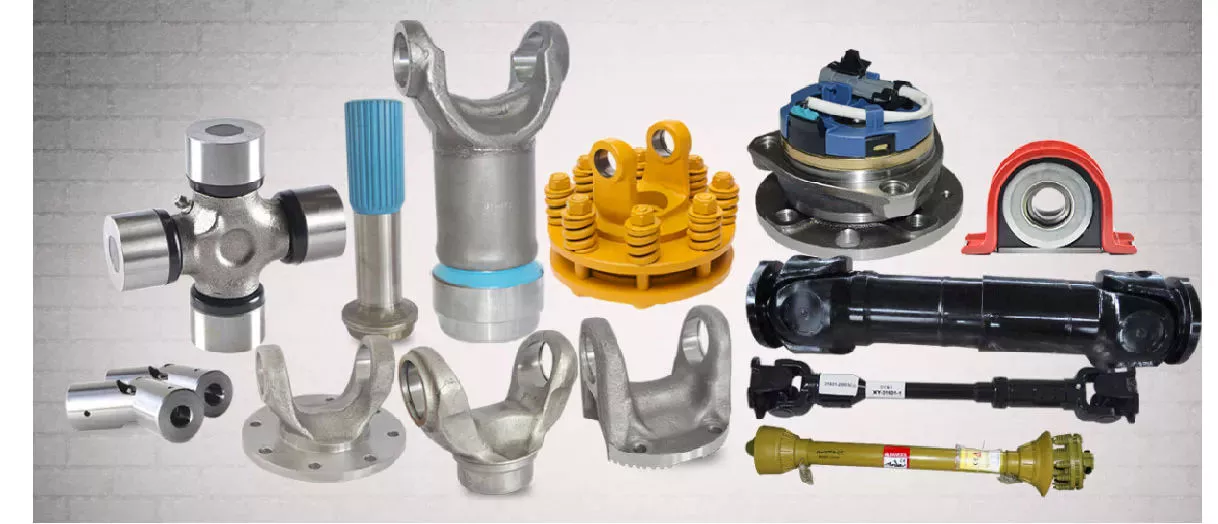
Existem variações nos projetos de eixos de tomada de força (PTO) para diferentes tipos de máquinas?
Sim, existem variações nos projetos de eixos de tomada de força (TDF) para atender às necessidades específicas de diferentes tipos de máquinas. Os eixos de TDF são componentes altamente versáteis e adaptáveis, usados para transferir energia de uma fonte, como um trator ou motor, para máquinas ou equipamentos acionados. As variações de projeto nos eixos de TDF são necessárias para garantir compatibilidade, eficiência e segurança em diversas aplicações. Aqui está uma explicação detalhada dos diferentes projetos de eixos de TDF para diferentes tipos de máquinas:
1. Eixos de tomada de força padrão: Eixos de tomada de força (TDF) padrão são o modelo mais comum e amplamente utilizados em diversas aplicações. Normalmente, consistem em um eixo de aço maciço com uma junta universal em cada extremidade. Essas juntas universais permitem o desalinhamento angular entre a fonte de energia e a máquina acionada. Os eixos de TDF padrão são adequados para aplicações em que a distância entre a fonte de energia e a máquina acionada permanece relativamente fixa. São comumente utilizados em implementos agrícolas, como segadoras, enfardadeiras, cultivadores e semeadoras, bem como em aplicações industriais.
2. Eixos telescópicos da tomada de força: Eixos telescópicos de tomada de força (TDF) possuem um design telescópico que permite o ajuste do comprimento. Esses eixos consistem em dois ou mais eixos concêntricos que podem deslizar uns dentro dos outros. Os eixos telescópicos de TDF são vantajosos em aplicações onde a distância entre a fonte de energia e a máquina acionada varia. Ao ajustar o comprimento do eixo, os operadores podem garantir a transmissão adequada de potência sem o risco de o eixo arrastar no chão ou ser curto demais para alcançar o equipamento. Os eixos telescópicos de TDF são comumente usados em implementos frontais, sopradores de neve, vagões autocarregáveis e outras aplicações onde a distância entre a fonte de energia e o implemento muda.
3. Eixos de tomada de força (TDF) CV (velocidade constante): Os eixos de tomada de força (PTO) com juntas homocinéticas (CV) incorporam juntas de velocidade constante para acomodar desalinhamentos e variações angulares. Essas juntas mantêm uma velocidade constante e a transferência de torque mesmo quando a máquina acionada está em um ângulo em relação à fonte de energia. Os eixos de tomada de força com juntas homocinéticas são vantajosos em aplicações onde a máquina acionada requer flexibilidade e uma ampla gama de movimentos. Eles são comumente usados em carregadeiras articuladas, manipuladores telescópicos, pulverizadores autopropelidos e outros equipamentos que exigem transmissão contínua de potência enquanto operam em vários ângulos.
4. Eixos da tomada de força acionados por caixa de engrenagens: Algumas máquinas exigem relações específicas de velocidade ou torque entre a fonte de energia e o equipamento acionado. Nesses casos, os eixos de tomada de força (TDF) podem incorporar sistemas de engrenagens. Os eixos de TDF acionados por caixa de engrenagens permitem a redução ou o aumento da velocidade e podem inverter o sentido de rotação, se necessário. As relações de engrenagem na caixa de engrenagens podem ser ajustadas para atender aos requisitos de velocidade e torque da máquina acionada. Esses eixos de TDF são comumente usados em aplicações onde a fonte de energia opera em um nível de velocidade ou torque diferente do equipamento que aciona, como em certos processos de fabricação industrial e máquinas especializadas.
5. Eixos de tomada de força de alto torque: Algumas máquinas pesadas exigem altos níveis de torque para a transmissão de potência. Os eixos de tomada de força (TDF) de alto torque são projetados para lidar com essas aplicações exigentes. Eles são construídos com componentes reforçados, incluindo eixos de maior diâmetro e juntas universais mais robustas, para suportar as maiores necessidades de torque. Os eixos de TDF de alto torque são comumente usados em equipamentos como trituradores de madeira, britadores e implementos agrícolas pesados que requerem potência e torque substanciais para sua operação.
6. Eixos de tomada de força de segurança: A segurança é uma consideração crucial ao usar eixos de tomada de força (TDF). Os eixos de TDF de segurança incorporam mecanismos para reduzir o risco de acidentes e lesões. Uma característica de segurança comum é o uso de proteções que cobrem o eixo rotativo para evitar contato acidental. Essas proteções são geralmente feitas de metal ou plástico e são projetadas para proteger os componentes rotativos, permitindo o movimento necessário para a transmissão de potência. Os eixos de TDF de segurança são usados em diversas aplicações onde o risco de emaranhamento ou contato acidental com o eixo rotativo é alto, como em cortadores de grama, roçadeiras e outros equipamentos usados em paisagismo e agricultura.
Estas são algumas das principais variações nos projetos de eixos de tomada de força (TDF) para diferentes tipos de máquinas. O projeto específico utilizado depende de fatores como os requisitos da aplicação, as características da fonte de energia, os níveis de torque, a flexibilidade de movimento e as considerações de segurança. Os fabricantes de eixos de TDF oferecem uma gama de projetos para garantir a compatibilidade e a transmissão eficiente de potência em diversos setores e aplicações.
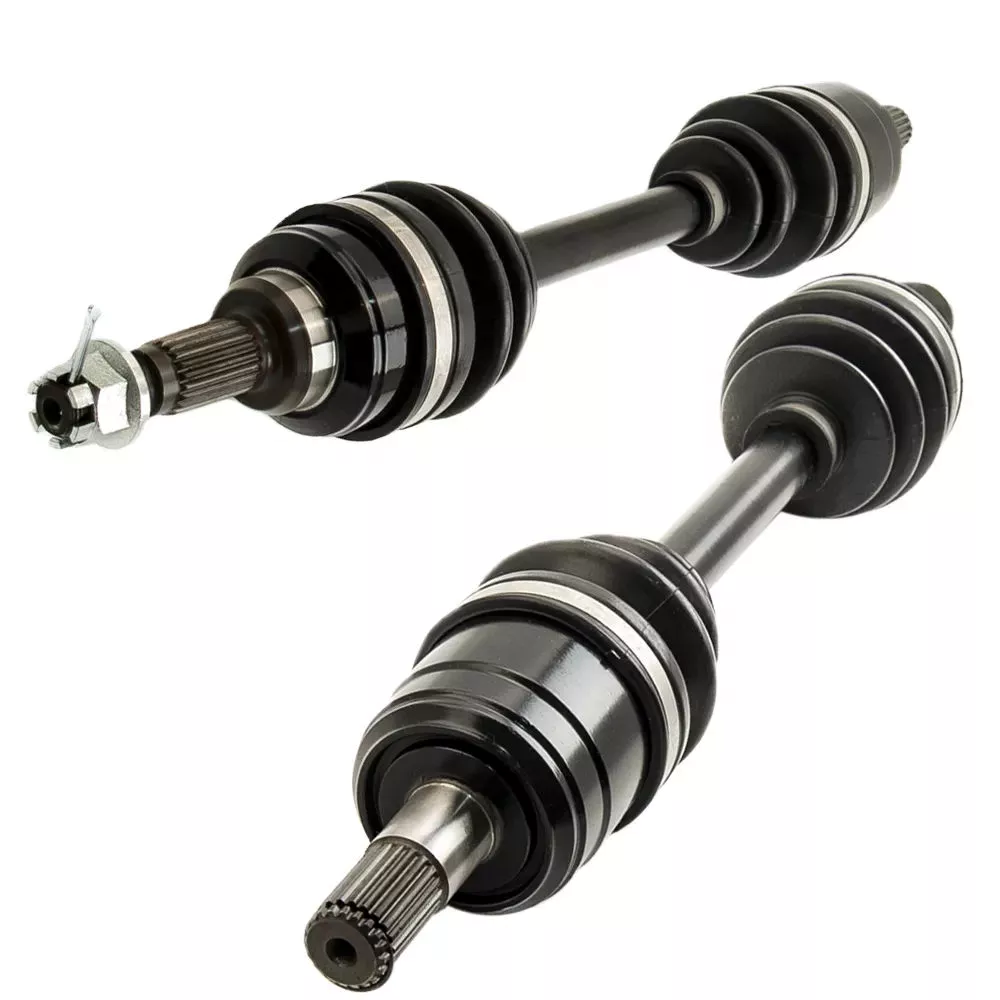
Can PTO shafts be customized for specific machinery and power requirements?
Yes, PTO (Power Take-Off) shafts can be customized to meet the specific machinery and power requirements of different applications. Manufacturers offer customization options to ensure that PTO shafts are precisely tailored to the power source, driven machinery, and the intended application. Here’s a detailed explanation of how PTO shafts can be customized:
1. Shaft Length: PTO shafts can be customized in terms of length to accommodate different equipment configurations. The length of the PTO shaft is critical to ensure proper alignment and connection between the power source and driven machinery. Manufacturers can provide PTO shafts with adjustable or fixed-length options, allowing for flexibility in meeting specific length requirements. Customizing the shaft length ensures that the PTO shaft fits the equipment properly, optimizing power transfer efficiency and reducing the risk of misalignment or excessive stress.
2. Spline Sizes: PTO shafts are available with different spline sizes to match the input and output shafts of various equipment. Spline size customization allows the PTO shaft to seamlessly connect to the power source and driven machinery. Manufacturers can offer different spline configurations, such as 1-3/8 inch, 1-3/4 inch, or metric sizes, to accommodate specific machinery requirements. Customizing the spline size ensures a proper fit and secure connection, enabling efficient power transfer without the need for additional adapters or modifications.
3. Yoke Designs: PTO shafts can be customized with different yoke designs to match the connection points on the power source and driven machinery. The yoke is the component that attaches to the shaft and connects to the equipment. Manufacturers can provide various yoke designs, such as round, triangular, or splined yokes, to ensure compatibility with specific machinery. Customizing the yoke design allows for a secure and reliable connection, aligning the PTO shaft with the equipment’s input/output shafts and optimizing power transmission efficiency.
4. Torque Ratings: PTO shafts can be customized to handle specific torque requirements based on the power demands of the application. Torque is the rotational force that the PTO shaft needs to transmit from the power source to the driven machinery. Manufacturers can design PTO shafts with different torque ratings by using appropriate materials, dimensions, and reinforcement techniques. Customizing the torque rating ensures that the PTO shaft can safely and reliably handle the required power levels without premature wear or failure.
5. Mecanismos de acoplamento: PTO shafts can be customized with different coupling mechanisms to match the connection requirements of specific equipment. Coupling mechanisms are the means by which the PTO shaft connects and disconnects from the power source and driven machinery. Manufacturers can provide various coupling options, such as quick-release couplings, shear pin couplings, or mechanical lock couplings, to accommodate different machinery designs and operational needs. Customizing the coupling mechanism ensures ease of use, secure attachment, and quick disengagement when necessary.
6. Protective Features: PTO shafts can be customized with additional protective features to enhance safety and durability. These features may include guard shields, safety covers, or slip clutches. Guard shields and safety covers provide physical protection by enclosing the rotating shaft and preventing accidental contact, reducing the risk of injuries. Slip clutches offer overload protection by allowing the PTO shaft to slip or disengage when excessive torque or resistance is encountered, preventing damage to the shaft and associated equipment. Customizing the protective features ensures compliance with safety regulations and addresses specific safety requirements of the machinery or application.
7. Material Selection: PTO shafts can be customized with different materials based on the application’s demands. Manufacturers can offer a range of material options, such as steel, aluminum, or composite materials, with varying strength, weight, and corrosion resistance properties. Customizing the material selection allows for optimizing the PTO shaft’s performance, considering factors like operating conditions, environmental exposure, and weight restrictions.
By providing customization options such as shaft length, spline sizes, yoke designs, torque ratings, coupling mechanisms, protective features, and material selection, manufacturers can ensure that PTO shafts are specifically tailored to meet the machinery and power requirements of different applications. Customized PTO shafts facilitate seamless integration, efficient power transfer, and reliable operation, enhancing the overall performance and productivity of the equipment.

What is a PTO shaft and how is it used in agricultural and industrial equipment?
A power take-off (PTO) shaft is a mechanical component used in agricultural and industrial equipment to transfer power from a power source, such as an engine or motor, to another machine or implement. It is a driveline shaft that transmits rotational power and torque, allowing the connected equipment to perform various tasks. PTO shafts are commonly used in agricultural machinery, such as tractors, as well as in industrial equipment, including generators, pumps, and construction machinery. Here’s a detailed explanation of what a PTO shaft is and how it is used:
Structure and Components: A typical PTO shaft consists of a hollow metal tube with universal joints at each end. The hollow tube allows the shaft to rotate freely, while the universal joints accommodate angular misalignments between the power source and the driven equipment. The universal joints consist of a cross-shaped yoke with needle bearings, providing flexibility and allowing the transmission of power at varying angles. Some PTO shafts may also include a telescopic section to adjust the length for different equipment setups or to accommodate varying distances between the power source and the driven machine.
Power Transfer: The primary function of a PTO shaft is to transfer power and torque from the power source to the driven equipment. The power source, typically an engine or motor, drives the PTO shaft through a mechanical connection, such as a gearbox or a clutch. As the power source rotates, it transmits rotational force to the PTO shaft. The PTO shaft, in turn, transfers this rotational power and torque to the driven equipment, enabling it to perform its intended function. The torque and rotational speed transmitted through the PTO shaft depend on the power source’s characteristics and the gear ratio or clutch engagement.
Agricultural Applications: In agriculture, PTO shafts are commonly used in tractors to power various implements and attachments. The PTO shaft is connected to the tractor’s power take-off, a rotating drive shaft located at the rear of the tractor. By engaging the PTO clutch, the tractor’s engine power is transferred through the PTO shaft to the attached implements. Agricultural machinery, such as mowers, balers, tillers, sprayers, and grain augers, often rely on PTO shafts to receive power for their operation. The PTO shaft allows the implements to be powered directly by the tractor’s engine, eliminating the need for separate power sources and increasing the versatility and efficiency of agricultural operations.
Industrial Applications: PTO shafts also find extensive use in various industrial applications. Industrial equipment, such as generators, pumps, compressors, and industrial mixers, often incorporate PTO shafts to receive power from engines or electric motors. The PTO shaft connects the power source to the driven equipment, allowing it to operate and perform its intended function. In construction machinery, PTO shafts can be found in equipment like concrete mixers, hydraulic hammers, and post hole diggers, enabling the transfer of power from the machinery’s engine to the specific attachment or tool being used.
Safety Considerations: It is important to note that PTO shafts can pose safety risks if not handled properly. The rotating shaft can cause serious injuries if operators come into contact with it while it is in operation. To ensure safety, PTO shafts are often equipped with shielding or guards that cover the rotating shaft and universal joints, preventing accidental contact. It is crucial to maintain and inspect these safety features regularly to ensure their effectiveness. Additionally, operators should receive proper training on PTO shaft operation, including safe attachment and detachment procedures, as well as the use of personal protective equipment when working near PTO-driven machinery.
In summary, a PTO shaft is a mechanical component used in agricultural and industrial equipment to transmit power and torque from a power source to a driven machine or implement. It enables the direct power transfer from engines or motors to various equipment, increasing efficiency and versatility in agricultural and industrial operations. While PTO shafts offer significant benefits, operators must be aware of the associated safety considerations and take appropriate precautions to prevent accidents and injuries.


editor by CX 2024-02-17