Descrição do produto
Specification OF PTO Drive Shaft —Speedway:
We developed and produced many tractor spare parts for Japanese Tractors .
Product Name: Japanese tractor transmission clutch disc parts for B1400 B7000
Tractor Model we can supply: B1500/1400,B5000,B6000, B7000, TU1400, TX1400, TX1500, YM F1401, YM1400 ETC.
The parts for example: Tyres, rim Jante, Kit coupling KB-TX 3 point linkage. Exhaust pipe Steering wheel. Kit coupling YM F14/F15, gear shaft, PTO shaft, PTO cardan, key, regulator ect.
Most of the spare parts are with stock. If you are interested in, please feel easy to contact me.
Other relevant parts for cars or machinery we have made in our workshop are as follows:
Drive shaft parts and assemblies,
Universal joint parts and assemblies,
PTO drive shafts,
Spline shafts,
Slip yokes,
Weld yokes,
Flange yokes,
Steering columns,
Connecting rods,
etc.
Descrição do produto
Pto Drive Shaft Item:
| Item | Cross journal size | 540dak-rpm | 1000dak-rpm | |||
| Série 1 | 22mm | 54mm | 12KW | 16HP | 18KW | 25HP |
| Series 2 | 23.8mm | 61.3mm | 15KW | 21HP | 23KW | 31HP |
| Series 3 | 27mm | 70mm | 26KW | 35HP | 40KW | 55HP |
| Série 4 | 27mm | 74.6mm | 26KW | 35HP | 40KW | 55HP |
| Series 5 | 30.2mm | 80mm | 35KW | 47HP | 54KW | 74HP |
| Série 6 | 30.2mm | 92mm | 47KW | 64HP | 74KW | 100HP |
| Series 7 | 30.2mm | 106.5mm | 55KW | 75HP | 87KW | 18HP |
| Série 8 | 35mm | 106.5mm
|
70KW | 95HP | 110KW | 150HP |
| Series 38 | 38mm | 102mm | 70KW | 95HP | 110KW | 150HP |
perfil de companhia
Certificações
Perguntas frequentes
/* March 10, 2571 17:59:20 */!function(){function s(e,r){var a,o={};try{e&&e.split(“,”).forEach(function(e,t){e&&(a=e.match(/(.*?):(.*)$/))&&1
| Tipo: | Haste |
|---|---|
| Uso: | Agricultural Products Processing, Farmland Infrastructure, Harvester, Planting and Fertilization, Grain Threshing, Cleaning and Drying |
| Material: | Stainless Steel |
| Fonte de alimentação: | Eixo de acionamento da tomada de força |
| Peso: | Standard |
| Serviço pós-venda: | 1 ano |
| Exemplos: |
US$ 300/Piece
1 unidade (pedido mínimo) | |
|---|
Que fatores devem ser considerados ao selecionar o eixo da tomada de força (PTO) correto para uma aplicação?
Ao selecionar o eixo de tomada de força (TDF) correto para uma aplicação, diversos fatores devem ser considerados para garantir desempenho, segurança e compatibilidade ideais. Os eixos de TDF são componentes cruciais que transmitem energia de uma fonte elétrica para máquinas ou equipamentos acionados. A seguir, os principais fatores a serem considerados na seleção do eixo de TDF apropriado para uma aplicação:
1. Requisitos de energia: Os requisitos de potência da máquina acionada desempenham um papel vital na determinação do eixo da tomada de força (TDF) apropriado. Considere a potência (em cavalos-vapor - HP) ou a potência (em quilowatts - kW) da fonte de energia e certifique-se de que o eixo da TDF suporte a transmissão de potência necessária. É essencial que a capacidade de potência do eixo da TDF seja compatível com a potência de saída da fonte de energia para garantir uma operação eficiente e confiável.
2. Requisitos de velocidade e torque: Considere os requisitos de velocidade e torque da máquina acionada. Determine a velocidade de rotação e os níveis de torque desejados para que o equipamento opere com eficiência. Algumas aplicações exigem relações específicas de velocidade ou torque, enquanto outras podem exigir velocidades variáveis. Certifique-se de que o eixo da tomada de força (TDF) selecionado suporte a faixa de velocidade e torque necessária para fornecer a transferência de potência requerida.
3. Tipo e projeto do eixo: Avalie o tipo e o projeto do eixo da tomada de força (TDF) para garantir a compatibilidade com a aplicação. Considere fatores como a distância entre a fonte de energia e a máquina acionada, a necessidade de desalinhamento angular e a flexibilidade de movimento exigida. Diferentes tipos de eixos, como eixos padrão, telescópicos ou de velocidade constante (CV), oferecem capacidades variadas para atender a diferentes requisitos de aplicação.
4. Considerações de segurança: A segurança é um fator crítico na seleção de um eixo de tomada de força (TDF). Avalie os recursos de segurança oferecidos pelo eixo da TDF, como proteções, mecanismos de parafuso de cisalhamento ou outros dispositivos de segurança. As proteções devem estar presentes para evitar o contato acidental com o eixo rotativo. Os mecanismos de parafuso de cisalhamento podem proteger os componentes da transmissão contra danos em caso de torque excessivo ou resistência repentina. Priorize os recursos de segurança que estejam alinhados com os riscos e perigos específicos associados à aplicação.
5. Especificidades da aplicação: Considere os requisitos específicos da aplicação. Fatores como o tipo de máquina, o setor industrial, as condições ambientais e as condições de operação devem ser levados em conta. Por exemplo, aplicações agrícolas podem exigir eixos de tomada de força (TDF) capazes de lidar com o acúmulo de detritos e sujeira, enquanto aplicações industriais podem exigir eixos de TDF com alta resistência à corrosão ou vedações especiais para proteção contra contaminantes.
6. Compatibilidade e Intercambialidade: Certifique-se de que o eixo da tomada de força (TDF) selecionado seja compatível com a fonte de energia e o equipamento acionado. Considere fatores como o diâmetro do eixo, o tamanho das estrias e o tipo de conexão. Verifique se o eixo da TDF atende aos padrões da indústria e se pode ser facilmente trocado por outros componentes compatíveis em caso de necessidade de substituição ou atualização. Compatibilidade e intercambialidade podem simplificar a manutenção e reduzir o tempo de inatividade.
7. Fabricante e Qualidade: Escolha um fabricante ou fornecedor de boa reputação para garantir a qualidade e a confiabilidade do eixo da tomada de força (TDF). Procure fabricantes com um histórico comprovado de produção de eixos de TDF de alta qualidade que atendam aos padrões e regulamentações do setor. Considere fatores como garantia, suporte pós-venda e disponibilidade de peças de reposição ao fazer sua seleção.
Ao considerar esses fatores, você pode selecionar o eixo de tomada de força (TDF) correto que atenda aos requisitos de potência, velocidade, torque, segurança e aplicação. É recomendável consultar especialistas, como fabricantes de equipamentos ou especialistas em eixos de TDF, para garantir a compatibilidade ideal entre o eixo de TDF e a aplicação.
Can PTO shafts be customized for specific machinery and power requirements?
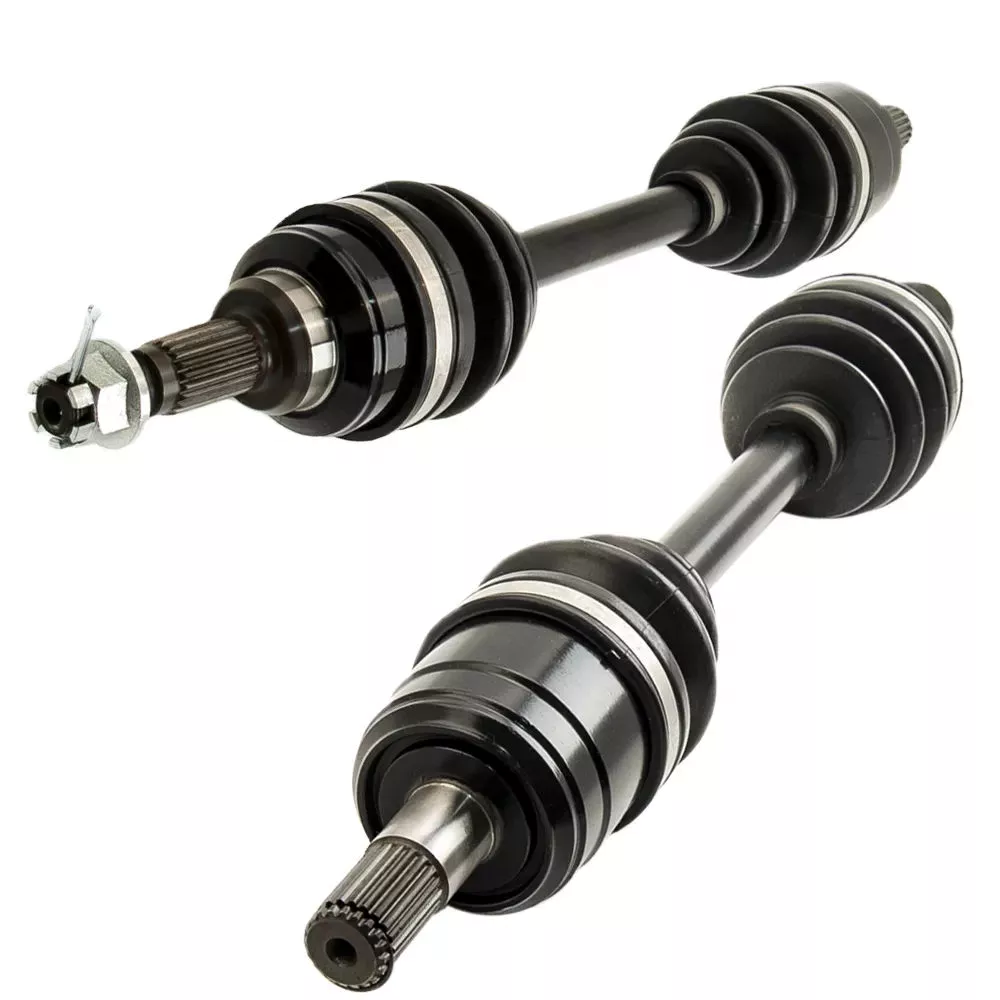
Yes, PTO (Power Take-Off) shafts can be customized to meet the specific machinery and power requirements of different applications. Manufacturers offer customization options to ensure that PTO shafts are precisely tailored to the power source, driven machinery, and the intended application. Here’s a detailed explanation of how PTO shafts can be customized:
1. Shaft Length: PTO shafts can be customized in terms of length to accommodate different equipment configurations. The length of the PTO shaft is critical to ensure proper alignment and connection between the power source and driven machinery. Manufacturers can provide PTO shafts with adjustable or fixed-length options, allowing for flexibility in meeting specific length requirements. Customizing the shaft length ensures that the PTO shaft fits the equipment properly, optimizing power transfer efficiency and reducing the risk of misalignment or excessive stress.
2. Spline Sizes: PTO shafts are available with different spline sizes to match the input and output shafts of various equipment. Spline size customization allows the PTO shaft to seamlessly connect to the power source and driven machinery. Manufacturers can offer different spline configurations, such as 1-3/8 inch, 1-3/4 inch, or metric sizes, to accommodate specific machinery requirements. Customizing the spline size ensures a proper fit and secure connection, enabling efficient power transfer without the need for additional adapters or modifications.
3. Yoke Designs: PTO shafts can be customized with different yoke designs to match the connection points on the power source and driven machinery. The yoke is the component that attaches to the shaft and connects to the equipment. Manufacturers can provide various yoke designs, such as round, triangular, or splined yokes, to ensure compatibility with specific machinery. Customizing the yoke design allows for a secure and reliable connection, aligning the PTO shaft with the equipment’s input/output shafts and optimizing power transmission efficiency.
4. Torque Ratings: PTO shafts can be customized to handle specific torque requirements based on the power demands of the application. Torque is the rotational force that the PTO shaft needs to transmit from the power source to the driven machinery. Manufacturers can design PTO shafts with different torque ratings by using appropriate materials, dimensions, and reinforcement techniques. Customizing the torque rating ensures that the PTO shaft can safely and reliably handle the required power levels without premature wear or failure.
5. Mecanismos de acoplamento: PTO shafts can be customized with different coupling mechanisms to match the connection requirements of specific equipment. Coupling mechanisms are the means by which the PTO shaft connects and disconnects from the power source and driven machinery. Manufacturers can provide various coupling options, such as quick-release couplings, shear pin couplings, or mechanical lock couplings, to accommodate different machinery designs and operational needs. Customizing the coupling mechanism ensures ease of use, secure attachment, and quick disengagement when necessary.
6. Protective Features: PTO shafts can be customized with additional protective features to enhance safety and durability. These features may include guard shields, safety covers, or slip clutches. Guard shields and safety covers provide physical protection by enclosing the rotating shaft and preventing accidental contact, reducing the risk of injuries. Slip clutches offer overload protection by allowing the PTO shaft to slip or disengage when excessive torque or resistance is encountered, preventing damage to the shaft and associated equipment. Customizing the protective features ensures compliance with safety regulations and addresses specific safety requirements of the machinery or application.
7. Material Selection: PTO shafts can be customized with different materials based on the application’s demands. Manufacturers can offer a range of material options, such as steel, aluminum, or composite materials, with varying strength, weight, and corrosion resistance properties. Customizing the material selection allows for optimizing the PTO shaft’s performance, considering factors like operating conditions, environmental exposure, and weight restrictions.
By providing customization options such as shaft length, spline sizes, yoke designs, torque ratings, coupling mechanisms, protective features, and material selection, manufacturers can ensure that PTO shafts are specifically tailored to meet the machinery and power requirements of different applications. Customized PTO shafts facilitate seamless integration, efficient power transfer, and reliable operation, enhancing the overall performance and productivity of the equipment.

Você pode explicar os diferentes tipos de eixos de tomada de força (PTO) e suas aplicações?
Os eixos de tomada de força (PTO, na sigla em inglês) vêm em vários tipos, cada um projetado para aplicações e requisitos específicos. Os diferentes tipos de eixos de tomada de força oferecem versatilidade e compatibilidade com uma ampla gama de máquinas e implementos. Aqui está uma explicação dos tipos mais comuns de eixos de tomada de força e suas aplicações:
1. Eixo da tomada de força padrão: O eixo de tomada de força (TDF) padrão, também conhecido como eixo estriado, é o tipo mais comum usado em máquinas agrícolas e industriais. Consiste em um eixo de aço maciço com estrias ou ranhuras ao longo de seu comprimento. O eixo de TDF padrão normalmente possui seis estrias, embora também existam variações com quatro ou oito estrias. Este tipo de eixo de TDF é amplamente utilizado em tratores e diversos implementos, incluindo segadoras, enfardadeiras, cultivadores e roçadeiras. As estrias proporcionam uma conexão segura entre a fonte de energia e a máquina acionada, garantindo uma transferência de potência eficiente.
2. Parafuso de cisalhamento do eixo da tomada de força: Os eixos de tomada de força (TDF) com parafuso de cisalhamento são projetados com um recurso de segurança que permite a separação do eixo em caso de sobrecarga ou choque repentino, protegendo os componentes da transmissão. Esses eixos de TDF incorporam um mecanismo de parafuso de cisalhamento que conecta a tomada de força do trator à máquina acionada. Em caso de carga excessiva ou resistência repentina, o parafuso de cisalhamento é projetado para romper, desconectando o eixo de TDF e evitando danos à transmissão. Os eixos de TDF com parafuso de cisalhamento são comumente usados em equipamentos que podem encontrar obstruções repentinas ou situações de alta tensão, como trituradores de madeira, destocadores e cortadores rotativos de alta potência.
3. Eixo da tomada de força com embreagem de fricção: Os eixos de tomada de força (TDF) com embreagem de fricção possuem um mecanismo de embreagem que permite o engate e desengate suaves da transmissão de potência. Esses eixos de TDF geralmente incorporam um disco de fricção e uma placa de pressão, semelhante a um sistema de embreagem tradicional de veículo. A embreagem de fricção permite que os operadores engatem ou desengatem a transmissão de potência gradualmente, reduzindo impactos e minimizando o desgaste dos componentes da transmissão. Os eixos de TDF com embreagem de fricção são comumente usados em aplicações onde é necessário um controle preciso do engate de potência, como em bombas hidráulicas, geradores e misturadores industriais.
4. Eixo da tomada de força (TDF) de velocidade constante (CV): Eixos de tomada de força (TDF) de velocidade constante (CV), também conhecidos como eixos homocinéticos, são projetados para acomodar altos ângulos de desalinhamento sem afetar a transmissão de potência. Eles utilizam um mecanismo de junta universal que permite uma transferência de potência suave mesmo quando a máquina acionada está em um ângulo em relação à fonte de energia. Os eixos de TDF CV são frequentemente usados em aplicações onde a máquina requer uma amplitude significativa de movimento ou articulação, como em carregadeiras articuladas, manipuladores telescópicos e pulverizadores autopropelidos.
5. Eixo telescópico da tomada de força: Eixos telescópicos de tomada de força (TDF) têm comprimento ajustável, permitindo flexibilidade na configuração do equipamento e em diferentes distâncias entre a fonte de energia e a máquina acionada. Consistem em dois ou mais eixos concêntricos que deslizam um dentro do outro, possibilitando a extensão ou retração do eixo da TDF conforme a necessidade. Eixos telescópicos de TDF são comumente utilizados em aplicações onde a distância entre a tomada de força do trator e o implemento varia, como em implementos frontais, sopradores de neve e vagões autocarregáveis. O design telescópico facilita a adaptação a diferentes configurações de equipamentos e minimiza o risco de o eixo da TDF arrastar no solo.
6. Eixo da tomada de força da caixa de engrenagens: Os eixos de tomada de força (TDF) com caixa de engrenagens são projetados para adaptar a transmissão de potência entre diferentes velocidades ou direções de rotação. Eles incorporam um mecanismo de caixa de engrenagens que permite a redução ou o aumento da velocidade, bem como a capacidade de alterar o sentido de rotação. Os eixos de TDF com caixa de engrenagens são comumente usados em aplicações onde a máquina acionada requer uma velocidade ou sentido de rotação diferente daquele da tomada de força do trator. Exemplos incluem transportadores de grãos, misturadores de ração e equipamentos industriais que requerem relações de velocidade específicas ou capacidade de reversão.
É importante observar que a disponibilidade e as aplicações específicas dos tipos de eixos de tomada de força (TDF) podem variar de acordo com fatores regionais e específicos do setor. Além disso, determinadas máquinas ou implementos podem exigir eixos de TDF especializados ou personalizados para atender a requisitos específicos.
Em resumo, os diferentes tipos de eixos de tomada de força (TDF), como os eixos padrão, de parafuso de cisalhamento, de embreagem de fricção, de velocidade constante (CV), telescópicos e de caixa de engrenagens, oferecem versatilidade e compatibilidade com diversas máquinas e implementos. Cada tipo de eixo de TDF é projetado para atender a necessidades específicas, como eficiência na transferência de potência, segurança, engate suave, tolerância a desalinhamento, adaptabilidade e ajuste de velocidade/direção. Compreender os diferentes tipos de eixos de TDF e suas aplicações é crucial para selecionar o eixo apropriado para a máquina em questão e garantir desempenho e confiabilidade ideais.

editor by CX 2024-02-12