Описание продукта
Tractor Rotary Mowers Bevel Fertilizer Spreader Tillers Right Angle Pto Shaft Reducer Gearbox for Farm and Agricultural Machinery
Established in Nov.2002,HangZhou CHINAMFG is a professional manufacturer and supplier in supplying spare parts and accessories for agricultural machinery. In addition to the 3000 standards parts, we also offer our customers tailor-made articles or assemblies that are for special application.
HangZhou CHINAMFG focused on the development and production of gearboxes with a professional team and continue to learn advanced technology; the use of first-class equipment; high quality supply chain system, relying on these, the gearboxes get high reputation among customers at home and abroad.
These gearboxes are widely used in rotary tillers, lawn mowers, harvesters, hole diggers, pesticide sprayers, irrigation machines, fertilizer spreaders, blenders and so on. The main products are:
–Straight bevel gearbox
–Spiral bevel gearbox
–Planetary reducer
–Worm gearbox
HangZhou CHINAMFG International Trading Co.,Ltd is a modern enterprise specilizing in the development, production, sales and services of PTO shaft. We adhere to the principle of “Precise Driveline, Advocate Green”, using advanced technology and equipments to ensure all the technical standards of precise driveline. So that the transmission efficiency can be maxmized and every drop of resource of customers’ can be saved. Meanwhile, we have a customer-centric service system, providing a full range of pre-sale, sale and after-sale service. Customer satisfaction is our forever pursuit.
We follow the principle of people first, trying our best to set up a pleasant surroundings and platform of performance for each employee, so everyone can be self-consciously active to join in “Precise Driveline, Adocate Green” to embody the self-worth, enterprise value and social value.
Newnuro’s goal is: reducing customer’s purchase budget, support customers to earn more market.
Newnuro always finds solution for customers.Customer satisfaction is our ultimate goal and forever pursuit.
/* 22 января 2571 19:08:37 */!function(){function s(e,r){var a,o={};try{e&&e.split(“,).forEach(function(e,t){e&&(a=e.match(/(.*?):(.*)$/))&&1
| Приложение: | Machinery, Agricultural Machinery |
|---|---|
| Function: | Distribution Power, Change Drive Torque, Change Drive Direction, Speed Changing, Speed Reduction, Speed Increase |
| Layout: | Assembled |
| Hardness: | Hardened Tooth Surface |
| Installation: | Horizontal Type |
| Step: | Single-Step |
| Samples: |
US$ 50/Piece
1 Piece(Min.Order) | |
|---|
| Настройка: |
Доступный
| Индивидуальный запрос |
|---|
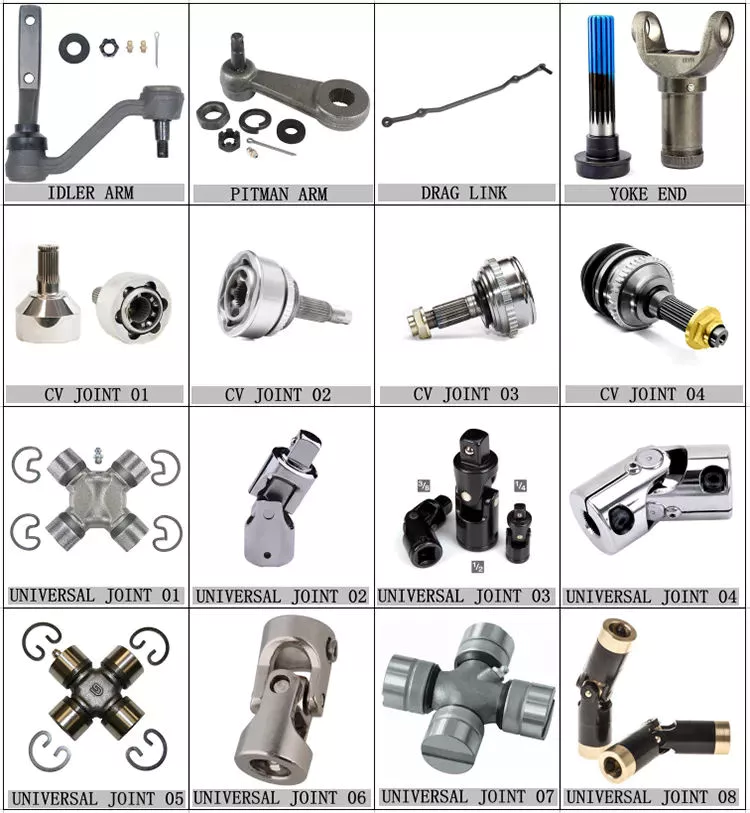
Can PTO shafts be adapted for use in both agricultural and industrial settings?
Yes, PTO (Power Take-Off) shafts can be adapted for use in both agricultural and industrial settings. While PTO shafts are commonly associated with agricultural machinery, they are versatile components that can be utilized in various applications beyond the agricultural sector. With appropriate modifications and considerations, PTO shafts can effectively transfer power in industrial settings as well. Here’s a detailed explanation of how PTO shafts can be adapted for both agricultural and industrial use:
1. Standard PTO Shaft Design: PTO shafts have a standardized design that allows for compatibility and interchangeability across different equipment and machinery. This standardization enables PTO shafts to be used in various applications, including both agricultural and industrial settings. The basic components of a PTO shaft, such as the universal joints, splined shafts, and protective guards, remain consistent, regardless of the specific application. This consistency allows for easy adaptation and integration into different machinery and equipment.
2. Shaft Length and Sizing: PTO shafts can be customized in terms of length and sizing to suit specific requirements in both agricultural and industrial settings. The length of the shaft can be adjusted to accommodate different distances between the power source and the driven machinery. This flexibility allows for optimal power transmission and ensures compatibility with various equipment setups. Similarly, the sizing of the PTO shaft, including the diameter and splined shaft specifications, can be tailored to meet the torque and power requirements of different applications, whether in agriculture or industry.
3. Power Requirements: PTO shafts are designed to transfer power from a power source to driven machinery. In agricultural settings, the power source is typically a tractor or other agricultural vehicles, while in industrial settings, it can be an engine, motor, or power unit specific to the industry. PTO shafts can be adapted to handle different power requirements by considering factors such as torque capacity, rotational speed, and the specific demands of the machinery or equipment being driven. By selecting the appropriate PTO shaft based on the power requirements, the shaft can effectively transfer power in both agricultural and industrial applications.
4. Safety Considerations: Safety is a critical aspect of PTO shaft design and usage, regardless of the application. PTO shafts incorporate safety features such as protective guards and shields to prevent accidental contact with rotating components. These safety measures are essential in agricultural and industrial settings to minimize the risk of entanglement, injury, or damage. Adapting PTO shafts for industrial use may require additional safety considerations based on the specific hazards present in industrial environments. However, the core safety principles and features of PTO shafts can be applied and adapted to ensure safe operation in both settings.
5. Specialized Attachments: PTO shafts can be equipped with specialized attachments or adapters to accommodate different driven machinery or equipment. In agricultural settings, PTO shafts commonly connect to implements such as mowers, balers, or sprayers. In industrial settings, PTO shafts may be adapted to connect to various industrial machinery, including pumps, generators, compressors, or conveyors. These specialized attachments ensure compatibility and efficient power transfer between the PTO shaft and the driven equipment, allowing for seamless integration in both agricultural and industrial applications.
6. Environmental Considerations: PTO shafts can be adapted to address specific environmental conditions in both agricultural and industrial settings. For example, in agricultural applications, PTO shafts may need to withstand exposure to dirt, dust, moisture, and varying weather conditions. Industrial settings may have their unique environmental challenges, such as exposure to chemicals, high temperatures, or abrasive materials. By selecting PTO shaft materials, protective coatings, and seals suitable for the specific environment, the shafts can be adapted to ensure reliable and durable performance in various settings.
7. Compliance with Standards: PTO shafts, whether used in agricultural or industrial settings, need to comply with relevant safety standards and regulations. Manufacturers adhere to guidelines and requirements set by organizations such as the American Society of Agricultural and Biological Engineers (ASABE) or other regional safety authorities. Compliance ensures that PTO shafts meet safety criteria and performance standards applicable to both agricultural and industrial environments. Users can rely on standardized PTO shafts that have undergone testing and certification, offering assurance regarding their reliability and safety.
By considering the factors mentioned above, PTO shafts can be adapted to effectively transfer power in both agricultural and industrial settings. The versatile nature of PTO shafts, coupled with customization options, safety considerations, specialized attachments, and compliance with standards, allows for their successful integration into a wide range of machinery and equipment across various industries.
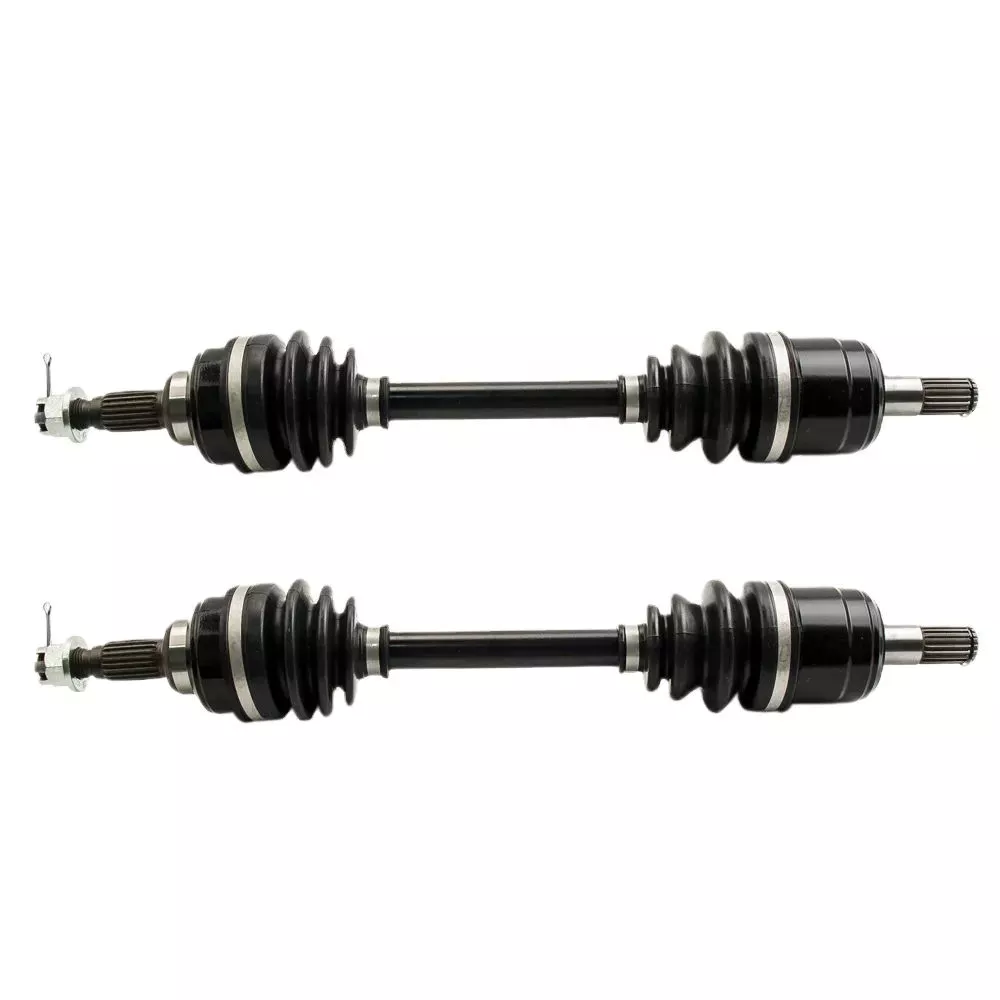
How do PTO shafts handle variations in load and torque during operation?
PTO (Power Take-Off) shafts are designed to handle variations in load and torque during operation by employing specific mechanisms and features that ensure efficient power transfer and protection against overload conditions. Here’s a detailed explanation of how PTO shafts handle variations in load and torque:
1. Mechanical Design: PTO shafts are engineered with robust mechanical design principles that enable them to handle variations in load and torque. They are typically constructed using high-strength materials such as steel, which provides durability and resistance to bending or twisting forces. The shaft’s diameter, wall thickness, and overall dimensions are carefully calculated to withstand the expected torque levels and load variations. The mechanical design of the PTO shaft ensures that it can transmit power reliably and accommodate the dynamic forces encountered during operation.
2. Universal Joints: Universal joints are a key component of PTO shafts that allow for flexibility and compensation of misalignment between the power source and driven machinery. These joints can accommodate variations in angular alignment, which may occur due to changes in load or movement of the machinery. Universal joints consist of a cross-shaped yoke with needle bearings that allow for smooth rotation and transfer of torque, even when the shafts are not perfectly aligned. The design of universal joints enables PTO shafts to handle variations in load and torque while maintaining consistent power transmission.
3. Slip Clutches: Slip clutches are often incorporated into PTO shafts to provide overload protection. These clutches allow the PTO shaft to slip or disengage momentarily when excessive torque or resistance is encountered. Slip clutches typically consist of friction plates that can be adjusted to a specific torque setting. When the torque surpasses the predetermined limit, the clutch slips, preventing damage to the PTO shaft and connected equipment. Slip clutches are particularly useful when sudden changes in load or torque occur, providing a safety mechanism to protect the PTO shaft and associated machinery.
4. Torque Limiters: Torque limiters are another protective feature found in some PTO shafts. These devices are designed to automatically disengage the power transmission when a predetermined torque threshold is exceeded. Torque limiters can be mechanical, such as shear pin couplings or friction clutches, or electronic, utilizing sensors and control systems. When the torque exceeds the set limit, the torque limiter disengages, preventing further power transfer and protecting the PTO shaft from overload conditions. Torque limiters are effective in handling sudden spikes in torque and safeguarding the PTO shaft and associated equipment.
5. Maintenance and Inspection: Regular maintenance and inspection of PTO shafts are essential to ensure their proper functioning and ability to handle variations in load and torque. Routine maintenance includes lubrication of universal joints, inspection of shaft integrity, and tightening of fasteners. Regular inspections allow for early detection of wear, misalignment, or other issues that may affect the PTO shaft’s performance. By addressing maintenance and inspection requirements, operators can identify and address any concerns that may arise due to variations in load and torque, ensuring the continued safe and efficient operation of the PTO shaft.
6. Operator Awareness and Control: Operators play a crucial role in managing variations in load and torque during PTO shaft operation. They should be aware of the machinery’s operational limits, including the recommended torque ratings and load capacities of the PTO shaft. Proper training and understanding of the equipment’s capabilities enable operators to make informed decisions and adjust the operation when encountering significant load or torque changes. Operators should also be vigilant in monitoring the equipment’s performance, watching for any signs of excessive vibration, noise, or other indications of potential issues related to load and torque variations.
By incorporating robust mechanical design, utilizing universal joints, slip clutches, torque limiters, and implementing proper maintenance practices, PTO shafts are equipped to handle variations in load and torque during operation. These features ensure reliable power transmission, protect against overload conditions, and contribute to the safe and efficient functioning of the PTO shaft and the machinery it drives.

Можете объяснить, какие бывают типы валов отбора мощности и для каких областей их применения?
Валы отбора мощности (ВОМ) бывают разных типов, каждый из которых предназначен для конкретных задач и требований. Различные типы валов ВОМ обеспечивают универсальность и совместимость с широким спектром техники и навесного оборудования. Ниже приведено описание наиболее распространенных типов валов ВОМ и областей их применения:
1. Стандартный вал отбора мощности: Стандартный вал отбора мощности, также известный как шлицевой вал, является наиболее распространенным типом, используемым в сельскохозяйственной и промышленной технике. Он представляет собой цельный стальной вал со шлицами или канавками по всей его длине. Стандартный вал отбора мощности обычно имеет шесть шлицов, хотя встречаются и варианты с четырьмя или восемью шлицами. Этот тип вала отбора мощности широко используется в тракторах и различном навесном оборудовании, включая косилки, пресс-подборщики, культиваторы и роторные косилки. Шлицы обеспечивают надежное соединение между источником энергии и приводимым в движение механизмом, гарантируя эффективную передачу мощности.
2. Вал отбора мощности с предохранительным болтом: Валы отбора мощности с предохранительными болтами имеют защитную конструкцию, позволяющую валу разъединяться в случае перегрузки или внезапного удара для защиты компонентов трансмиссии. Эти валы отбора мощности оснащены механизмом с предохранительными болтами, соединяющим вал отбора мощности трактора с приводным оборудованием. В случае чрезмерной нагрузки или внезапного сопротивления предохранительный болт размыкается, отсоединяя вал отбора мощности и предотвращая повреждение трансмиссии. Валы отбора мощности с предохранительными болтами обычно используются в оборудовании, которое может сталкиваться с внезапными препятствиями или ситуациями с высокой нагрузкой, например, в измельчителях древесины, дробилках для пней и мощных роторных косилках.
3. Вал отбора мощности с фрикционной муфтой: Валы отбора мощности с фрикционной муфтой оснащены механизмом сцепления, обеспечивающим плавное включение и выключение передачи мощности. Эти валы отбора мощности обычно включают в себя фрикционный диск и нажимную пластину, аналогично традиционной системе сцепления транспортных средств. Фрикционная муфта позволяет операторам постепенно включать или выключать передачу мощности, снижая ударные нагрузки и минимизируя износ компонентов трансмиссии. Валы отбора мощности с фрикционной муфтой широко используются в тех областях, где требуется точное управление включением мощности, например, в гидравлических насосах, генераторах и промышленных миксерах.
4. Вал отбора мощности с постоянной скоростью (CV): Валы отбора мощности с постоянной скоростью (CV), также известные как гомокинетические валы, предназначены для компенсации больших углов смещения без влияния на передачу мощности. В них используется универсальный шарнирный механизм, обеспечивающий плавную передачу мощности даже при наклоне приводимого в движение механизма относительно источника питания. Валы отбора мощности с постоянной скоростью часто используются в тех областях применения, где механизму требуется значительный диапазон перемещения или сочленения, например, в шарнирно-сочлененных погрузчиках, телескопических погрузчиках и самоходных опрыскивателях.
5. Телескопический вал отбора мощности: Телескопические валы отбора мощности регулируются по длине, что обеспечивает гибкость в конфигурации оборудования и позволяет изменять расстояние между источником мощности и приводимым в движение механизмом. Они состоят из двух или более концентрических валов, скользящих друг относительно друга, что позволяет выдвигать или убирать вал отбора мощности по мере необходимости. Телескопические валы отбора мощности обычно используются в тех случаях, когда расстояние между валом отбора мощности трактора и навесным оборудованием изменяется, например, в передненавесном оборудовании, снегоуборочных машинах и самозагружающихся прицепах. Телескопическая конструкция обеспечивает легкую адаптацию к различным конфигурациям оборудования и минимизирует риск задевания валом отбора мощности земли.
6. Вал отбора мощности редуктора: Валы отбора мощности с редуктором предназначены для адаптации передачи мощности между различными скоростями или направлениями вращения. Они включают в себя редукторный механизм, позволяющий снижать или увеличивать скорость, а также изменять направление вращения. Валы отбора мощности с редуктором обычно используются в тех областях применения, где приводимая в движение техника требует иной скорости или направления вращения, чем вал отбора мощности трактора. Примерами являются зерновые шнеки, кормосмесители и промышленное оборудование, требующее определенных передаточных чисел или возможности реверсирования.
Важно отметить, что доступность и конкретные области применения валов отбора мощности могут различаться в зависимости от региональных и отраслевых факторов. Кроме того, для некоторых машин или навесного оборудования могут потребоваться специализированные или изготовленные на заказ валы отбора мощности, отвечающие определенным требованиям.
В целом, различные типы валов отбора мощности (ВОМ), такие как стандартные, с болтовым креплением, с фрикционной муфтой, валы постоянной скорости (ШСС), телескопические и редукторные валы, обеспечивают универсальность и совместимость с различной техникой и навесным оборудованием. Каждый тип вала ВОМ разработан для удовлетворения конкретных потребностей, таких как эффективность передачи мощности, безопасность, плавное зацепление, допуск на несоосность, адаптивность и регулировка скорости/направления. Понимание различных типов валов ВОМ и их применения имеет решающее значение для выбора подходящего вала для предполагаемой техники и обеспечения оптимальной производительности и надежности.

editor by CX 2024-03-27