Produktbeskrivning
We Are Precision Metal Parts Manufacturer And We Providing Custom Processing Service. Send Us Drawings, We Will Feedback You Quotation Within 24 Hours
Precision Parts Display
Click Here Get More Information
Our Advantages
Utrustning
3-axis, 4-axis and full 5-axis processing equipment, CNC lathe, centering machine, turning and milling compound, wire cutting, EDM, grinding, etc
Processing
CNC machining, CNC Turning, CNC Milling, Welding, Laser Cutting, Bending, Spinning, Wire Cutting, Stamping, Electric Discharge Machining (EDM), Injection Molding
Materials
Aluminum, metal, steel, metal, plastic, metal, brass, bronze, rubber, ceramic, cast iron, glass, copper, titanium, metal, titanium, steel, carbon fiber, etc
Tolerans
+/-0.01mm, 100% QC quality inspection before delivery, can provide quality inspection form
Quality Assurance
ISO9001:2015, ISO13485:2016, SGS, RoHs, TUV
Tolerans
Surface Treatment
| Aluminum parts | Stainless Steel parts | Steel parts | Brass parts |
| Clear Anodized | Polishing | Zinc Plating | Nickel Plating |
| Color Anodized | Passivating | Oxide black | chrome plating |
| Sandblast Anodized | Sandblasting | Nickel Plating | Electrophoresis black |
| Chemical Film | Laser engraving | Chrome Plating | Oxide black |
| Brushing | Electrophoresis black | Carburized | Powder coated |
| Polishing | Oxide black | Heat treatment |
Machining Workshop
Production Process
Quality Guarantee
Click Here Get Free Quotation
Application industry
CNC Machining Parts Can Be Used in Many Industry
Aerospace/ Marine/ Metro/ Motorbike/ Automotive industries, Instruments & Meters, Office equipments, Home appliance, Medical equipments, Telecommunication, Electrical & Electronics, Fire detection system, etc
Areospace
Cylinder Heads, Turbochargers, Crankshafts, Connecting Rods Pistons, Bearing Caps, CV Joints, Steering Knuckles, Brake Calipers,Gears,Differential Housing, Axle Shafts
Auto&Motorcycle
Cylinder Heads, Turbochargers, Crankshafts, Connecting Rods Pistons,Bearing Caps, CV Joints, Steering Knuckles, Brake Calipers,Gears, Differential Housing, Axle Shafts
Energy
Drill Pipes and Casing, Impellers Casings, Pipe Control Valves, Shafts, Wellhead Equipment, Mud Pumps, Frac Pumps, Frac Tools,Rotor Shafts and disc
Robotics
Custom robotic end-effectors, Low-volume prototype, Pilot, Enclosures, Custom tooling, Fixturing
Medical Industry
Rotary Bearing Seal Rings for CHINAMFG Knife,CT Scanner Frames,Mounting Brackets,Card Retainers for CT Scanners,Cooling Plenums for CT Scanners,Brackets for CT Scanners,Gearbox Components,Actuators,Large Shafts
Home Appliances
Screws, hinges, handles, slides, turntables, pneumatic rods, guide rails, steel drawers
Certifications
Vanliga frågor
Q1. What kind of production service do you provide?
CNC machining, CNC Turning, CNC Milling, Welding, Laser Cutting, Bending, Spinning, Wire Cutting, Stamping, Electric Discharge Machining (EDM), Injection Molding, Simple Assembly and Various Metal Surface Treatment.
Q2. How about the lead time?
Mould : 3-5 weeks
Mass production : 3-4 weeks
Q3. How about your quality?
♦Our management and production executed strictly according to ISO9001 : 2008 quality System.
♦We will make the operation instruction once the sample is approval.
♦ We will 100% inspect the products before shipment.
♦If there is quality problem, we will supply the replacement by our shipping cost.
Q4. How long should we take for a quotation?
After receiving detail information we will quote within 24 hours
Q5. What is your quotation element?
Drawing or Sample, Material, finish and Quantity.
Q6. What is your payment term?
Mould : 50% prepaid, 50% after the mould finish, balance after sample approval.
Goods : 50% prepaid, balance T/T before shipment.
/* March 10, 2571 17:59:20 */!function(){function s(e,r){var a,o={};try{e&&e.split(“,”).forEach(function(e,t){e&&(a=e.match(/(.*?):(.*)$/))&&1
| Typ: | Customized |
|---|---|
| Usage: | Agricultural Products Processing, Farmland Infrastructure, Tillage, Harvester, Planting and Fertilization, Grain Threshing, Cleaning and Drying, Customized |
| Material: | Carbon Steel |
| Power Source: | Customized |
| Weight: | Customized |
| Eftermarknadsservice: | No |
| Prover: |
US$ 0.8/Piece
1 styck (minsta beställning) | |
|---|
| Anpassning: |
Tillgänglig
| Anpassad förfrågan |
|---|
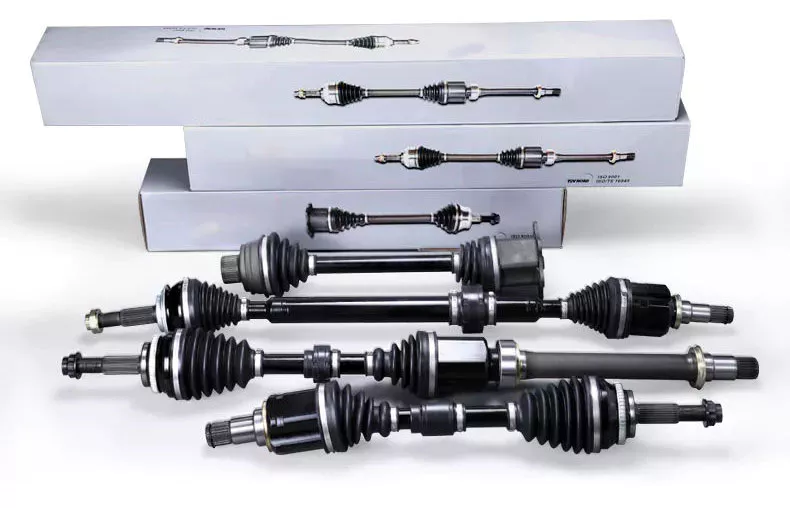
How do PTO shafts ensure efficient power transfer while maintaining safety?
PTO (Power Take-Off) shafts play a crucial role in ensuring efficient power transfer from a power source to driven machinery or equipment, while also maintaining safety. These shafts are designed with various features and mechanisms to optimize power transmission efficiency and mitigate potential hazards. Here’s a detailed explanation of how PTO shafts achieve efficient power transfer while prioritizing safety:
1. Mechanical Power Transmission: PTO shafts serve as mechanical linkages between the power source, typically a tractor or engine, and the driven machinery. They transmit rotational power from the power source to the equipment, enabling efficient transfer of energy. The mechanical design of PTO shafts, including their diameter, length, and material composition, is optimized to minimize power losses during transmission, ensuring that a significant portion of the power generated by the source is effectively delivered to the machinery.
2. Universal Joints and Flexible Couplings: PTO shafts are equipped with universal joints and flexible couplings that allow for angular misalignment and flexibility in movement. Universal joints accommodate variations in the alignment between the power source and the driven machinery, enabling smooth power transfer even when the two components are not perfectly aligned. Flexible couplings help to compensate for slight misalignments, reduce vibration, and prevent excessive stress on the shaft and connected components, thereby enhancing efficiency and reducing the risk of mechanical failure or damage.
3. Constant Velocity (CV) Joints: CV joints are often used in PTO shafts to maintain constant speed and torque transfer, particularly in applications where the driven machinery requires flexibility or operates at different angles. CV joints allow for smooth power transmission without significant fluctuations, even when the driven machinery is at an angle relative to the power source. By minimizing speed variations and power loss due to changing angles, CV joints contribute to efficient power transfer while ensuring consistent performance and reducing the likelihood of mechanical stress or premature wear.
4. Safety Guards and Shields: Safety is a paramount consideration in the design of PTO shafts. Protective guards and shields are installed to cover the rotating shaft and other moving parts. These guards act as physical barriers to prevent accidental contact with the rotating components, significantly reducing the risk of entanglement, injury, or damage. Safety guards are typically made of durable materials such as metal or plastic and are designed to allow the necessary movement for power transmission while providing adequate protection. Regular inspection and maintenance of these guards are crucial to ensure their effectiveness in maintaining safety.
5. Shear Bolt or Slip Clutch Mechanisms: PTO shafts often incorporate shear bolt or slip clutch mechanisms as safety features to protect the driveline components and prevent damage in case of excessive torque or sudden resistance. Shear bolts are designed to shear or break when the torque exceeds a predetermined threshold, disconnecting the PTO shaft from the power source. This helps prevent damage to the shaft, driven machinery, and power source. Slip clutches work similarly by allowing the PTO shaft to slip when excessive resistance is encountered, protecting the components from overload. These mechanisms act as safety measures to maintain the integrity of the PTO shaft and associated equipment while minimizing the risk of mechanical failures or accidents.
6. Compliance with Safety Standards: PTO shafts are designed and manufactured to comply with relevant safety standards and regulations. Manufacturers follow guidelines and requirements set by organizations such as the American Society of Agricultural and Biological Engineers (ASABE) or other regional safety authorities. Compliance with these standards ensures that PTO shafts meet specific safety criteria, including torque capacity, guard design, and other safety considerations. Users can rely on standardized PTO shafts that have undergone testing and certification, providing an additional layer of assurance regarding their safety and performance.
7. Operator Education and Training: To ensure safe and efficient operation, it is essential for operators to receive proper education and training on PTO shafts. Operators should be familiar with the specific safety features, maintenance requirements, and safe operating procedures for the PTO shafts used in their applications. This includes understanding the importance of using appropriate personal protective equipment, regularly inspecting the equipment for wear or damage, and following recommended maintenance schedules. Operator awareness and adherence to safety protocols significantly contribute to maintaining a safe working environment and maximizing the efficiency of power transfer.
In summary, PTO shafts ensure efficient power transfer while maintaining safety through their mechanical design, incorporation of universal joints and CV joints, installation of safety guards and shields, implementation of shear bolt or slip clutch mechanisms, compliance with safety standards, and operator education. By combining these features and practices, PTO shafts provide reliable and secure power transmission, minimizing power losses and potential risks associated with their operation.
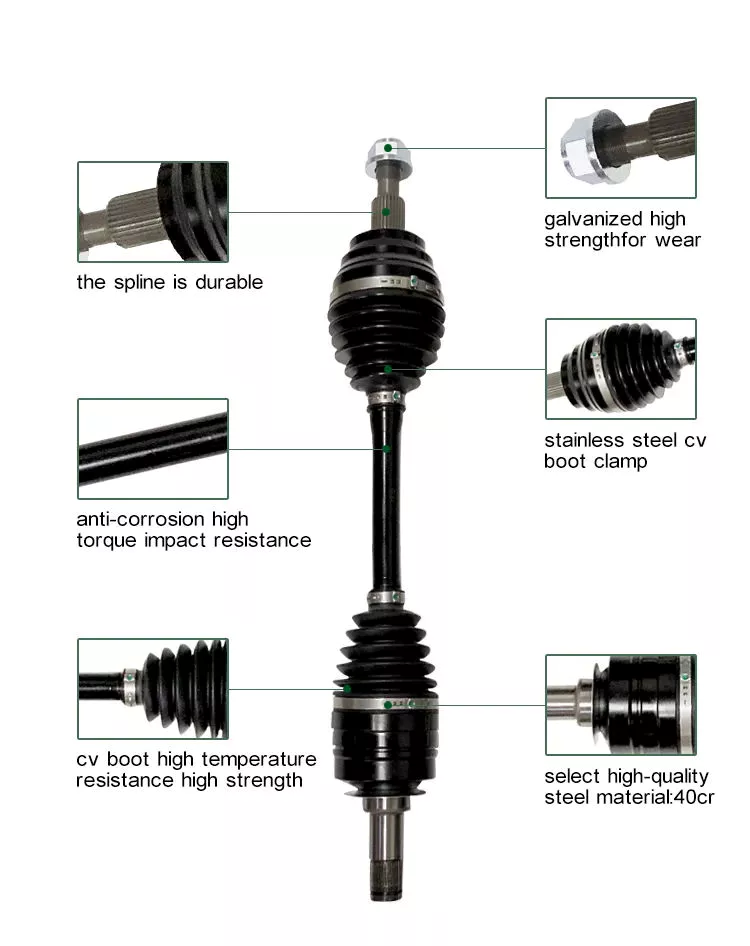
Can you provide real-world examples of equipment that use PTO shafts?
Power Take-Off (PTO) shafts are extensively used in various industries, particularly in agriculture and construction. They provide a reliable power source for a wide range of equipment, enabling efficient operation and increased productivity. Here are some real-world examples of equipment that commonly use PTO shafts:
1. Agricultural Machinery:
- Tractor Implements: A wide array of tractor-mounted implements rely on PTO shafts for power transfer. These include:
- Mowers and rotary cutters
- Balers and hay equipment
- Tillers and cultivators
- Seeders and planters
- Sprayers
- Manure spreaders
- Harvesters, such as combine harvesters and forage harvesters
- Stationary Equipment: PTO shafts are also used in stationary agricultural equipment, including:
- Feed grinders and mixers
- Silo unloaders
- Grain augers and elevators
- Irrigation pumps
- Wood chippers and shredders
- Stump grinders
2. Construction and Earthmoving Equipment:
- Backhoes and Excavators: PTO shafts can be found in backhoes and excavators, powering attachments such as augers, hydraulic hammers, and brush cutters.
- Post Hole Diggers: Post hole diggers used for fence installation often rely on PTO shafts to transfer power to the digging mechanism.
- Trenchers: Trenching machines equipped with PTO shafts efficiently dig trenches for utility installations, drainage systems, or irrigation lines.
- Stump Grinders: Stump grinders used in land clearing and tree removal operations often utilize PTO shafts to power their cutting blades.
- Soil Stabilizers and Road Reclaimers: These machines use PTO shafts to drive the rotor and milling drums, which pulverize and mix materials for road construction and maintenance.
3. Forestry Equipment:
- Wood Chippers: Wood chippers used for processing tree branches and logs into wood chips are commonly powered by PTO shafts.
- Brush Cutters and Mulchers: PTO-driven brush cutters and mulchers are employed to clear vegetation and maintain forested areas.
- Log Splitters: Log splitters that split logs into firewood often utilize PTO shafts to power the splitting mechanism.
4. Utility Equipment:
- Generators: Some generators are designed to be driven by PTO shafts, providing an auxiliary power source for various applications in remote locations or during power outages.
- Pumps: PTO-driven pumps are commonly used for agricultural irrigation, water transfer, and dewatering applications.
5. Specialty Equipment:
- Ice Resurfacers: PTO shafts are employed in ice resurfacing machines used in ice rinks to maintain a smooth ice surface for ice hockey and figure skating.
- Air Compressors: Some air compressors are driven by PTO shafts, providing a source of compressed air for various applications.
These examples represent a range of equipment that extensively relies on PTO shafts for power transfer. PTO shafts enable the efficient operation of these machines, increasing productivity and versatility across various industries.
Kan du förklara de olika typerna av kraftuttagsaxlar och deras tillämpningar?
Kraftuttagsaxlar (Power Take-Off-axlar) finns i olika typer, var och en konstruerad för specifika tillämpningar och krav. De olika typerna av kraftuttagsaxlar erbjuder mångsidighet och kompatibilitet med ett brett utbud av maskiner och redskap. Här är en förklaring av de vanligaste typerna av kraftuttagsaxlar och deras tillämpningar:
1. Standard kraftuttagsaxel: Standard-kraftuttagsaxeln, även känd som en splinesaxel, är den vanligaste typen som används i jordbruks- och industrimaskiner. Den består av en solid stålaxel med splines eller spår längs sin längd. Standard-kraftuttagsaxeln har vanligtvis sex splines, även om variationer med fyra eller åtta splines kan hittas. Denna typ av kraftuttagsaxel används ofta i traktorer och olika redskap, inklusive gräsklippare, balpressar, jordfräsar och rotorklippare. Splines ger en säker anslutning mellan kraftkällan och den drivna maskinen, vilket säkerställer effektiv kraftöverföring.
2. Skjuvbult kraftuttagsaxel: Kraftuttagsaxlar med brytbult är konstruerade med en säkerhetsfunktion som gör att axeln kan separeras vid överbelastning eller plötslig stöt för att skydda drivlinans komponenter. Dessa kraftuttagsaxlar har en brytbultsmekanism som ansluter traktorns kraftuttag till den drivna maskinen. Vid överdriven belastning eller plötsligt motstånd är brytbulten konstruerad för att gå sönder, vilket kopplar bort kraftuttagsaxeln och förhindrar skador på drivlinan. Kraftuttagsaxlar med brytbult används ofta i utrustning som kan stöta på plötsliga hinder eller högbelastningssituationer, såsom flishuggar, stubbfräsar och kraftiga roterande skärare.
3. Friktionskoppling Kraftuttagsaxel: Friktionskoppling Kraftuttagsaxlar har en kopplingsmekanism som möjliggör smidig in- och urkoppling av kraftöverföringen. Dessa kraftuttagsaxlar har vanligtvis en friktionsskiva och en tryckplatta, liknande ett traditionellt fordonskopplingssystem. Friktionskopplingen gör det möjligt för förare att gradvis koppla in eller ur kraftöverföringen, vilket minskar stötbelastningar och minimerar slitage på drivlinans komponenter. Friktionskoppling Kraftuttagsaxlar används ofta i applikationer där exakt kontroll av kraftinkopplingen krävs, till exempel i hydraulpumpar, generatorer och industriella blandare.
4. Kraftuttagsaxel med konstant hastighet (CV): CV-kraftuttagsaxlar (Constant Velocity), även kända som homokinetiska axlar, är konstruerade för att hantera höga snedvinklar utan att påverka kraftöverföringen. De använder en universalkopplingsmekanism som möjliggör jämn kraftöverföring även när den drivna maskinen är i en vinkel i förhållande till kraftkällan. CV-kraftuttagsaxlar används ofta i applikationer där maskinen kräver ett betydande rörelseomfång eller led, till exempel i ramstyrda lastare, teleskoplastare och självgående sprutor.
5. Teleskopisk kraftuttagsaxel: Teleskopiska kraftuttagsaxlar är justerbara i längd, vilket möjliggör flexibilitet i utrustningskonfiguration och varierande avstånd mellan kraftkällan och den drivna maskinen. De består av två eller flera koncentriska axlar som glider inuti varandra, vilket ger möjlighet att förlänga eller dra in kraftuttagsaxeln efter behov. Teleskopiska kraftuttagsaxlar används ofta i applikationer där avståndet mellan traktorns kraftuttag och redskapet varierar, till exempel i frontmonterade redskap, snöslungor och självlastande vagnar. Den teleskopiska designen möjliggör enkel anpassning till olika utrustningsuppsättningar och minimerar risken för att kraftuttagsaxeln släpar på marken.
6. Växellådans kraftuttagsaxel: Kraftuttagsaxlar för växellådor är konstruerade för att anpassa kraftöverföringen mellan olika rotationshastigheter eller -riktningar. De har en växellådsmekanism som möjliggör hastighetsminskning eller -ökning, samt möjligheten att ändra rotationsriktning. Kraftuttagsaxlar för växellådor används ofta i applikationer där den drivna maskinen kräver en annan hastighet eller rotationsriktning än traktorns kraftuttag. Exempel inkluderar spannmålsskruvar, foderblandare och industriell utrustning som kräver specifika hastighetsförhållanden eller reverseringsmöjligheter.
Det är viktigt att notera att tillgängligheten och de specifika tillämpningarna av kraftuttagsaxlar kan variera beroende på regionala och branschspecifika faktorer. Dessutom kan vissa maskiner eller redskap kräva specialiserade eller anpassade kraftuttagsaxlar för att uppfylla specifika krav.
Sammanfattningsvis erbjuder de olika typerna av kraftuttagsaxlar, såsom standardaxlar, brytbultsaxlar, friktionskopplingsaxlar, CV-axlar, teleskopaxlar och växellådsaxlar, mångsidighet och kompatibilitet med olika maskiner och redskap. Varje typ av kraftuttagsaxel är utformad för att möta specifika behov, såsom kraftöverföringseffektivitet, säkerhet, smidig inkoppling, feljusteringstolerans, anpassningsförmåga och hastighets-/riktningsjustering. Att förstå de olika typerna av kraftuttagsaxlar och deras tillämpningar är avgörande för att välja lämplig axel för den avsedda maskinen och säkerställa optimal prestanda och tillförlitlighet.

editor by CX 2024-02-26