คำอธิบายผลิตภัณฑ์
ข้อกำหนดของ เพลาขับ PTO —สปีดเวย์:
เราได้พัฒนาและผลิตชิ้นส่วนอะไหล่สำหรับรถแทรกเตอร์ญี่ปุ่นหลายรุ่น
ชื่อสินค้า: ชิ้นส่วนจานคลัตช์เกียร์สำหรับรถแทรกเตอร์ญี่ปุ่น รุ่น B1400 และ B7000
รุ่นรถแทรกเตอร์ที่เราสามารถจัดหาได้: B1500/1400, B5000, B6000, B7000, TU1400, TX1400, TX1500, YM F1401, YM1400 เป็นต้น
ตัวอย่างเช่น ชิ้นส่วนต่างๆ ได้แก่ ยาง, ขอบล้อ Jante, ชุดข้อต่อ KB-TX แบบ 3 จุด, ท่อไอเสีย, พวงมาลัย, ชุดข้อต่อ YM F14/F15, เพลาเกียร์, เพลา PTO, ข้อต่อ PTO, กุญแจ, ตัวควบคุม ฯลฯ
อะไหล่ส่วนใหญ่มีอยู่ในสต็อก หากท่านสนใจ โปรดติดต่อผมได้เลยครับ
ชิ้นส่วนอื่นๆ ที่เกี่ยวข้องกับรถยนต์หรือเครื่องจักรที่เราผลิตในโรงงานของเรามีดังต่อไปนี้:
ชิ้นส่วนและชุดประกอบเพลาขับ
ชิ้นส่วนและชุดประกอบข้อต่ออเนกประสงค์
เพลาขับ PTO
เพลาแบบร่องฟัน
แอกแบบเลื่อนได้
แอกเชื่อม
แอกหน้าแปลน
แกนพวงมาลัย
ก้านเชื่อมต่อ
เป็นต้น
คำอธิบายผลิตภัณฑ์
รายการ: เพลาขับ PTO
| รายการ | ขนาดวารสารไขว้ | 540dak-rpm | 1000dak-rpm | |||
| ซีรีส์ 1 | 22 มม. | 54 มม. | 12 กิโลวัตต์ | 16 แรงม้า | 18 กิโลวัตต์ | 25 แรงม้า |
| ซีรีส์ 2 | 23.8 มม. | 61.3 มม. | 15 กิโลวัตต์ | 21 แรงม้า | 23 กิโลวัตต์ | 31 แรงม้า |
| ซีรีส์ 3 | 27 มม. | 70 มม. | 26 กิโลวัตต์ | 35 แรงม้า | 40 กิโลวัตต์ | 55 แรงม้า |
| ซีรีส์ 4 | 27 มม. | 74.6 มม. | 26 กิโลวัตต์ | 35 แรงม้า | 40 กิโลวัตต์ | 55 แรงม้า |
| ซีรีส์ 5 | 30.2 มม. | 80 มม. | 35 กิโลวัตต์ | 47 แรงม้า | 54 กิโลวัตต์ | 74 แรงม้า |
| ซีรีส์ 6 | 30.2 มม. | 92 มม. | 47 กิโลวัตต์ | 64 แรงม้า | 74 กิโลวัตต์ | 100 แรงม้า |
| ซีรีส์ 7 | 30.2 มม. | 106.5 มม. | 55 กิโลวัตต์ | 75 แรงม้า | 87 กิโลวัตต์ | 18 แรงม้า |
| ซีรีส์ 8 | 35 มม. | 106.5 มม.
|
70 กิโลวัตต์ | 95 แรงม้า | 110 กิโลวัตต์ | 150 แรงม้า |
| ซีรีส์ 38 | 38 มม. | 102 มม. | 70 กิโลวัตต์ | 95 แรงม้า | 110 กิโลวัตต์ | 150 แรงม้า |
ข้อมูลบริษัท
ใบรับรอง
คำถามที่พบบ่อย
/* 10 มีนาคม 2571 17:59:20 */!function(){function s(e,r){var a,o={};try{e&&e.split(“,”).forEach(function(e,t){e&&(a=e.match(/(.*?):(.*)$/))&&1
| พิมพ์: | เพลา |
|---|---|
| วิธีใช้งาน: | การแปรรูปผลิตภัณฑ์ทางการเกษตร โครงสร้างพื้นฐานทางการเกษตร เครื่องเก็บเกี่ยว การปลูกและการใส่ปุ๋ย การนวดเมล็ดพืช การทำความสะอาดและการอบแห้ง |
| วัสดุ: | สแตนเลสสตีล |
| แหล่งพลังงาน: | เพลาขับ PTO |
| น้ำหนัก: | มาตรฐาน |
| บริการหลังการขาย: | 1 ปี |
| ตัวอย่าง: |
US$ 300/ชิ้น
1 ชิ้น (สั่งขั้นต่ำ) | |
|---|
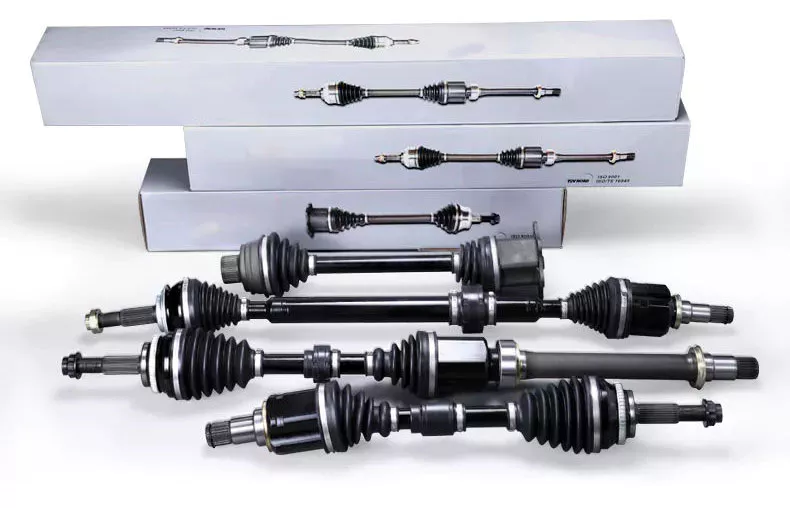
How do PTO shafts ensure efficient power transfer while maintaining safety?
PTO (Power Take-Off) shafts play a crucial role in ensuring efficient power transfer from a power source to driven machinery or equipment, while also maintaining safety. These shafts are designed with various features and mechanisms to optimize power transmission efficiency and mitigate potential hazards. Here’s a detailed explanation of how PTO shafts achieve efficient power transfer while prioritizing safety:
1. Mechanical Power Transmission: PTO shafts serve as mechanical linkages between the power source, typically a tractor or engine, and the driven machinery. They transmit rotational power from the power source to the equipment, enabling efficient transfer of energy. The mechanical design of PTO shafts, including their diameter, length, and material composition, is optimized to minimize power losses during transmission, ensuring that a significant portion of the power generated by the source is effectively delivered to the machinery.
2. Universal Joints and Flexible Couplings: PTO shafts are equipped with universal joints and flexible couplings that allow for angular misalignment and flexibility in movement. Universal joints accommodate variations in the alignment between the power source and the driven machinery, enabling smooth power transfer even when the two components are not perfectly aligned. Flexible couplings help to compensate for slight misalignments, reduce vibration, and prevent excessive stress on the shaft and connected components, thereby enhancing efficiency and reducing the risk of mechanical failure or damage.
3. Constant Velocity (CV) Joints: CV joints are often used in PTO shafts to maintain constant speed and torque transfer, particularly in applications where the driven machinery requires flexibility or operates at different angles. CV joints allow for smooth power transmission without significant fluctuations, even when the driven machinery is at an angle relative to the power source. By minimizing speed variations and power loss due to changing angles, CV joints contribute to efficient power transfer while ensuring consistent performance and reducing the likelihood of mechanical stress or premature wear.
4. Safety Guards and Shields: Safety is a paramount consideration in the design of PTO shafts. Protective guards and shields are installed to cover the rotating shaft and other moving parts. These guards act as physical barriers to prevent accidental contact with the rotating components, significantly reducing the risk of entanglement, injury, or damage. Safety guards are typically made of durable materials such as metal or plastic and are designed to allow the necessary movement for power transmission while providing adequate protection. Regular inspection and maintenance of these guards are crucial to ensure their effectiveness in maintaining safety.
5. Shear Bolt or Slip Clutch Mechanisms: PTO shafts often incorporate shear bolt or slip clutch mechanisms as safety features to protect the driveline components and prevent damage in case of excessive torque or sudden resistance. Shear bolts are designed to shear or break when the torque exceeds a predetermined threshold, disconnecting the PTO shaft from the power source. This helps prevent damage to the shaft, driven machinery, and power source. Slip clutches work similarly by allowing the PTO shaft to slip when excessive resistance is encountered, protecting the components from overload. These mechanisms act as safety measures to maintain the integrity of the PTO shaft and associated equipment while minimizing the risk of mechanical failures or accidents.
6. Compliance with Safety Standards: PTO shafts are designed and manufactured to comply with relevant safety standards and regulations. Manufacturers follow guidelines and requirements set by organizations such as the American Society of Agricultural and Biological Engineers (ASABE) or other regional safety authorities. Compliance with these standards ensures that PTO shafts meet specific safety criteria, including torque capacity, guard design, and other safety considerations. Users can rely on standardized PTO shafts that have undergone testing and certification, providing an additional layer of assurance regarding their safety and performance.
7. Operator Education and Training: To ensure safe and efficient operation, it is essential for operators to receive proper education and training on PTO shafts. Operators should be familiar with the specific safety features, maintenance requirements, and safe operating procedures for the PTO shafts used in their applications. This includes understanding the importance of using appropriate personal protective equipment, regularly inspecting the equipment for wear or damage, and following recommended maintenance schedules. Operator awareness and adherence to safety protocols significantly contribute to maintaining a safe working environment and maximizing the efficiency of power transfer.
In summary, PTO shafts ensure efficient power transfer while maintaining safety through their mechanical design, incorporation of universal joints and CV joints, installation of safety guards and shields, implementation of shear bolt or slip clutch mechanisms, compliance with safety standards, and operator education. By combining these features and practices, PTO shafts provide reliable and secure power transmission, minimizing power losses and potential risks associated with their operation.
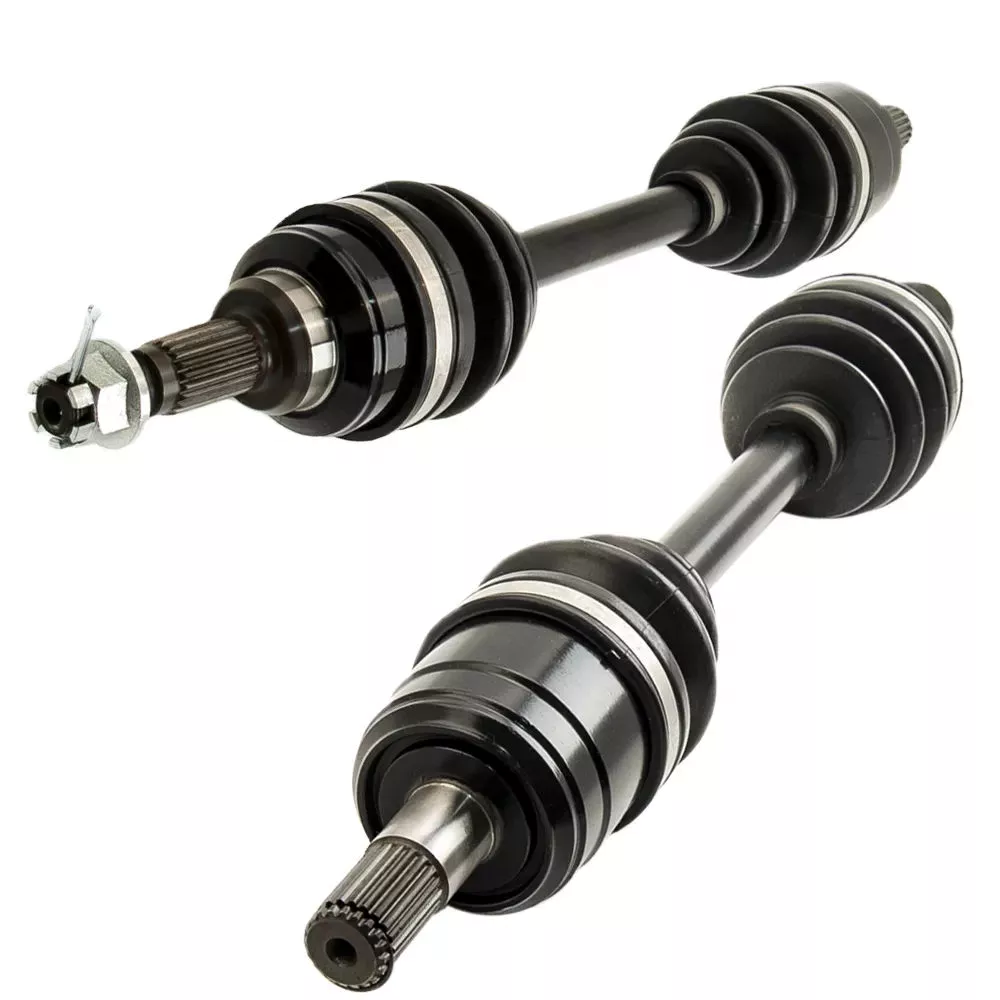
Can PTO shafts be customized for specific machinery and power requirements?
Yes, PTO (Power Take-Off) shafts can be customized to meet the specific machinery and power requirements of different applications. Manufacturers offer customization options to ensure that PTO shafts are precisely tailored to the power source, driven machinery, and the intended application. Here’s a detailed explanation of how PTO shafts can be customized:
1. Shaft Length: PTO shafts can be customized in terms of length to accommodate different equipment configurations. The length of the PTO shaft is critical to ensure proper alignment and connection between the power source and driven machinery. Manufacturers can provide PTO shafts with adjustable or fixed-length options, allowing for flexibility in meeting specific length requirements. Customizing the shaft length ensures that the PTO shaft fits the equipment properly, optimizing power transfer efficiency and reducing the risk of misalignment or excessive stress.
2. Spline Sizes: PTO shafts are available with different spline sizes to match the input and output shafts of various equipment. Spline size customization allows the PTO shaft to seamlessly connect to the power source and driven machinery. Manufacturers can offer different spline configurations, such as 1-3/8 inch, 1-3/4 inch, or metric sizes, to accommodate specific machinery requirements. Customizing the spline size ensures a proper fit and secure connection, enabling efficient power transfer without the need for additional adapters or modifications.
3. Yoke Designs: PTO shafts can be customized with different yoke designs to match the connection points on the power source and driven machinery. The yoke is the component that attaches to the shaft and connects to the equipment. Manufacturers can provide various yoke designs, such as round, triangular, or splined yokes, to ensure compatibility with specific machinery. Customizing the yoke design allows for a secure and reliable connection, aligning the PTO shaft with the equipment’s input/output shafts and optimizing power transmission efficiency.
4. Torque Ratings: PTO shafts can be customized to handle specific torque requirements based on the power demands of the application. Torque is the rotational force that the PTO shaft needs to transmit from the power source to the driven machinery. Manufacturers can design PTO shafts with different torque ratings by using appropriate materials, dimensions, and reinforcement techniques. Customizing the torque rating ensures that the PTO shaft can safely and reliably handle the required power levels without premature wear or failure.
5. กลไกการเชื่อมต่อ: PTO shafts can be customized with different coupling mechanisms to match the connection requirements of specific equipment. Coupling mechanisms are the means by which the PTO shaft connects and disconnects from the power source and driven machinery. Manufacturers can provide various coupling options, such as quick-release couplings, shear pin couplings, or mechanical lock couplings, to accommodate different machinery designs and operational needs. Customizing the coupling mechanism ensures ease of use, secure attachment, and quick disengagement when necessary.
6. Protective Features: PTO shafts can be customized with additional protective features to enhance safety and durability. These features may include guard shields, safety covers, or slip clutches. Guard shields and safety covers provide physical protection by enclosing the rotating shaft and preventing accidental contact, reducing the risk of injuries. Slip clutches offer overload protection by allowing the PTO shaft to slip or disengage when excessive torque or resistance is encountered, preventing damage to the shaft and associated equipment. Customizing the protective features ensures compliance with safety regulations and addresses specific safety requirements of the machinery or application.
7. Material Selection: PTO shafts can be customized with different materials based on the application’s demands. Manufacturers can offer a range of material options, such as steel, aluminum, or composite materials, with varying strength, weight, and corrosion resistance properties. Customizing the material selection allows for optimizing the PTO shaft’s performance, considering factors like operating conditions, environmental exposure, and weight restrictions.
By providing customization options such as shaft length, spline sizes, yoke designs, torque ratings, coupling mechanisms, protective features, and material selection, manufacturers can ensure that PTO shafts are specifically tailored to meet the machinery and power requirements of different applications. Customized PTO shafts facilitate seamless integration, efficient power transfer, and reliable operation, enhancing the overall performance and productivity of the equipment.

เพลา PTO มีประโยชน์อย่างไรบ้างสำหรับเครื่องจักรประเภทต่างๆ?
เพลา PTO (Power Take-Off shafts) มีข้อดีหลายประการสำหรับเครื่องจักรประเภทต่างๆ ในงานเกษตรกรรมและอุตสาหกรรม ช่วยให้การส่งกำลังมีความยืดหยุ่นและมีประสิทธิภาพ ทำให้เครื่องจักรสามารถทำงานและหน้าที่เฉพาะเจาะจงได้ ต่อไปนี้คือคำอธิบายโดยละเอียดเกี่ยวกับข้อดีของเพลา PTO สำหรับเครื่องจักรประเภทต่างๆ:
ความอเนกประสงค์: เพลา PTO ช่วยเพิ่มความอเนกประสงค์ของเครื่องจักรโดยทำให้สามารถใช้แหล่งพลังงานเดียวกัน เช่น รถแทรกเตอร์หรือเครื่องยนต์ ในการขับเคลื่อนอุปกรณ์หรือเครื่องจักรหลายอย่างได้ หมายความว่าสามารถใช้แหล่งพลังงานเดียวในการขับเคลื่อนอุปกรณ์หรือเครื่องจักรหลายชนิดได้โดยการเชื่อมต่อและถอดเพลา PTO ตัวอย่างเช่น ในภาคเกษตรกรรม รถแทรกเตอร์ที่ติดตั้งเพลา PTO สามารถขับเคลื่อนอุปกรณ์ต่างๆ เช่น เครื่องตัดหญ้า เครื่องอัดฟาง เครื่องไถพรวน เครื่องพ่นสารเคมี และเครื่องลำเลียงเมล็ดพืช ในทำนองเดียวกัน ในการใช้งานทางอุตสาหกรรม เพลา PTO ช่วยให้สามารถใช้เครื่องยนต์หรือมอเตอร์เพียงเครื่องเดียวในการขับเคลื่อนเครื่องจักรหรืออุปกรณ์ต่างๆ เช่น เครื่องกำเนิดไฟฟ้า ปั๊ม คอมเพรสเซอร์ และเครื่องผสมอุตสาหกรรม
ประสิทธิภาพ: เพลา PTO เป็นวิธีการส่งกำลังจากแหล่งพลังงานไปยังเครื่องจักรที่มีประสิทธิภาพ โดยการเชื่อมต่อแหล่งพลังงานเข้ากับเครื่องจักรโดยตรง เพลา PTO ช่วยลดการสูญเสียพลังงานที่อาจเกิดขึ้นกับวิธีการส่งกำลังแบบอื่น การส่งกำลังโดยตรงนี้ส่งผลให้ประสิทธิภาพและสมรรถนะโดยรวมของเครื่องจักรดีขึ้น นอกจากนี้ เพลา PTO ยังช่วยให้สามารถปรับความเร็วรอบและกำลังส่งออกให้ตรงกับความต้องการของเครื่องจักรเฉพาะ ทำให้มั่นใจได้ถึงการทำงานที่เหมาะสมที่สุดและลดการใช้พลังงานที่ไม่จำเป็น
การประหยัดต้นทุน: การใช้เพลา PTO สามารถช่วยประหยัดต้นทุนได้หลายวิธี ประการแรก การใช้แหล่งพลังงานเดียวในการขับเคลื่อนเครื่องจักรหรืออุปกรณ์หลายชิ้น ช่วยลดความจำเป็นในการใช้เครื่องยนต์หรือมอเตอร์แยกต่างหากสำหรับอุปกรณ์แต่ละชิ้น ซึ่งช่วยลดต้นทุนการลงทุน ประการที่สอง เพลา PTO ช่วยลดความจำเป็นในการใช้เชื้อเพลิงหรือแหล่งพลังงานเพิ่มเติม เนื่องจากสามารถดึงพลังงานจากแหล่งพลังงานที่มีอยู่แล้ว ทำให้ค่าใช้จ่ายด้านเชื้อเพลิงหรือพลังงานลดลง นอกจากนี้ ความอเนกประสงค์ของเพลา PTO ยังช่วยให้สามารถใช้งานอุปกรณ์ได้อย่างมีประสิทธิภาพมากขึ้น ส่งผลให้ผลตอบแทนจากการลงทุนสูงสุด
ความยืดหยุ่น: เพลา PTO ให้ความยืดหยุ่นในการติดตั้งและกำหนดค่าอุปกรณ์ สามารถปรับความยาวหรือติดตั้งส่วนยืดหดได้ ทำให้ปรับให้เข้ากับการจัดวางอุปกรณ์ที่แตกต่างกันและระยะห่างระหว่างแหล่งพลังงานและเครื่องจักรที่ขับเคลื่อนได้ง่าย ความยืดหยุ่นนี้ช่วยให้ผู้ใช้งานสามารถเชื่อมต่อและถอดเพลา PTO ได้อย่างรวดเร็วตามต้องการ ช่วยให้การเปลี่ยนอุปกรณ์มีประสิทธิภาพและลดเวลาหยุดทำงาน นอกจากนี้ ความสามารถในการปรับความเร็วรอบและกำลังส่งของเพลา PTO ยังเพิ่มความยืดหยุ่นยิ่งขึ้น รองรับความต้องการเฉพาะของเครื่องจักรและการใช้งานที่แตกต่างกัน
ใช้งานง่าย: เพลา PTO นั้นใช้งานค่อนข้างง่าย ทำให้ผู้ปฏิบัติงานที่มีการฝึกอบรมน้อยก็สามารถใช้งานได้ กระบวนการเชื่อมต่อและถอดเพลา PTO นั้นตรงไปตรงมา โดยส่วนใหญ่มักใช้กลไกการเชื่อมต่อหรือการล็อคแบบง่ายๆ ความง่ายในการใช้งานนี้ช่วยเพิ่มประสิทธิภาพการทำงานของอุปกรณ์ ทำให้ผู้ปฏิบัติงานสามารถสลับระหว่างอุปกรณ์หรือเครื่องจักรต่างๆ ได้อย่างรวดเร็วโดยไม่ต้องใช้ความพยายามหรือขั้นตอนที่ยุ่งยาก นอกจากนี้ การส่งกำลังโดยตรงผ่านเพลา PTO ยังช่วยลดความซับซ้อนในการทำงานของเครื่องจักร เนื่องจากเครื่องจักรสามารถใช้พลังงานจากแหล่งพลังงานที่มีอยู่แล้วได้โดยไม่จำเป็นต้องมีระบบควบคุมหรือระบบจัดการพลังงานเพิ่มเติม
เพิ่มประสิทธิภาพการทำงาน: เพลา PTO ช่วยเพิ่มผลผลิตในภาคเกษตรกรรมและอุตสาหกรรม ด้วยการทำให้สามารถใช้เครื่องจักรที่มีการกำหนดค่าที่หลากหลาย ผู้ปฏิบัติงานสามารถทำงานได้หลากหลายโดยใช้แหล่งพลังงานเพียงแหล่งเดียว ซึ่งช่วยลดความจำเป็นในการใช้แรงงานคนหรือเครื่องจักรหลายเครื่อง ทำให้ขั้นตอนการทำงานคล่องตัวขึ้นและลดเวลาที่ใช้ในการทำงานต่างๆ ประสิทธิภาพและความน่าเชื่อถือของการส่งกำลังผ่านเพลา PTO ยังช่วยเพิ่มผลผลิตโดยการรับประกันการทำงานของเครื่องจักรที่สม่ำเสมอและมีประสิทธิภาพ ส่งผลให้ผลผลิตเพิ่มขึ้นและลดเวลาหยุดทำงาน
ความปลอดภัย: แม้ว่าจะไม่เกี่ยวข้องโดยตรงกับประสิทธิภาพของเครื่องจักร แต่เพลา PTO ก็มีประโยชน์ด้านความปลอดภัยเช่นกัน การติดตั้งแผ่นป้องกันหรือตัวครอบบนเพลา PTO ช่วยป้องกันการสัมผัสโดยไม่ตั้งใจกับเพลาหมุน ลดความเสี่ยงต่อการบาดเจ็บของผู้ปฏิบัติงาน คุณสมบัติความปลอดภัยเหล่านี้ได้รับการออกแบบมาเพื่อครอบคลุมเพลาหมุนและข้อต่ออเนกประสงค์ เพื่อให้แน่ใจว่าผู้ปฏิบัติงานจะไม่สัมผัสกับชิ้นส่วนเหล่านั้นในระหว่างการทำงาน การฝึกอบรมที่เหมาะสมเกี่ยวกับการใช้งานเพลา PTO และการปฏิบัติตามแนวทางด้านความปลอดภัยจะช่วยเพิ่มความปลอดภัยของผู้ปฏิบัติงานเมื่อทำงานกับเครื่องจักรที่ขับเคลื่อนด้วย PTO
โดยสรุปแล้ว เพลา PTO มีข้อดีมากมายสำหรับเครื่องจักรประเภทต่างๆ ข้อดีเหล่านี้ได้แก่ ความอเนกประสงค์ที่เพิ่มขึ้น ประสิทธิภาพที่ดีขึ้น การประหยัดต้นทุน ความยืดหยุ่นในการกำหนดค่าอุปกรณ์ ความง่ายในการใช้งาน ผลผลิตที่เพิ่มขึ้น และความปลอดภัยของผู้ปฏิบัติงานที่ดียิ่งขึ้น เพลา PTO มีบทบาทสำคัญในงานเกษตรกรรมและอุตสาหกรรม โดยช่วยให้สามารถถ่ายโอนกำลังโดยตรงจากแหล่งพลังงานทั่วไปไปยังเครื่องจักรหรืออุปกรณ์ต่างๆ ส่งผลให้ประสิทธิภาพและประสิทธิผลในการใช้งานดีขึ้น


editor by CX 2024-02-04