Descrição do produto
Specification OF PTO Drive Shaft —Speedway:
We developed and produced many tractor spare parts for Japanese Tractors .
Product Name: Japanese tractor transmission clutch disc parts for B1400 B7000
Tractor Model we can supply: B1500/1400,B5000,B6000, B7000, TU1400, TX1400, TX1500, YM F1401, YM1400 ETC.
The parts for example: Tyres, rim Jante, Kit coupling KB-TX 3 point linkage. Exhaust pipe Steering wheel. Kit coupling YM F14/F15, gear shaft, PTO shaft, PTO cardan, key, regulator ect.
Most of the spare parts are with stock. If you are interested in, please feel easy to contact me.
Other relevant parts for cars or machinery we have made in our workshop are as follows:
Drive shaft parts and assemblies,
Universal joint parts and assemblies,
PTO drive shafts,
Spline shafts,
Slip yokes,
Weld yokes,
Flange yokes,
Steering columns,
Connecting rods,
etc.
Descrição do produto
Pto Drive Shaft Item:
| Item | Cross journal size | 540dak-rpm | 1000dak-rpm | |||
| Série 1 | 22mm | 54mm | 12KW | 16HP | 18KW | 25HP |
| Series 2 | 23.8mm | 61.3mm | 15KW | 21HP | 23KW | 31HP |
| Series 3 | 27mm | 70mm | 26KW | 35HP | 40KW | 55HP |
| Série 4 | 27mm | 74.6mm | 26KW | 35HP | 40KW | 55HP |
| Series 5 | 30.2mm | 80mm | 35KW | 47HP | 54KW | 74HP |
| Série 6 | 30.2mm | 92mm | 47KW | 64HP | 74KW | 100HP |
| Series 7 | 30.2mm | 106.5mm | 55KW | 75HP | 87KW | 18HP |
| Série 8 | 35mm | 106.5mm
|
70KW | 95HP | 110KW | 150HP |
| Series 38 | 38mm | 102mm | 70KW | 95HP | 110KW | 150HP |
perfil de companhia
Certifications
Perguntas frequentes
/* March 10, 2571 17:59:20 */!function(){function s(e,r){var a,o={};try{e&&e.split(“,”).forEach(function(e,t){e&&(a=e.match(/(.*?):(.*)$/))&&1
| Tipo: | Haste |
|---|---|
| Uso: | Agricultural Products Processing, Farmland Infrastructure, Harvester, Planting and Fertilization, Grain Threshing, Cleaning and Drying |
| Material: | Stainless Steel |
| Fonte de alimentação: | Eixo de acionamento da tomada de força |
| Peso: | Standard |
| Serviço pós-venda: | 1 ano |
| Exemplos: |
US$ 300/Piece
1 unidade (pedido mínimo) | |
|---|
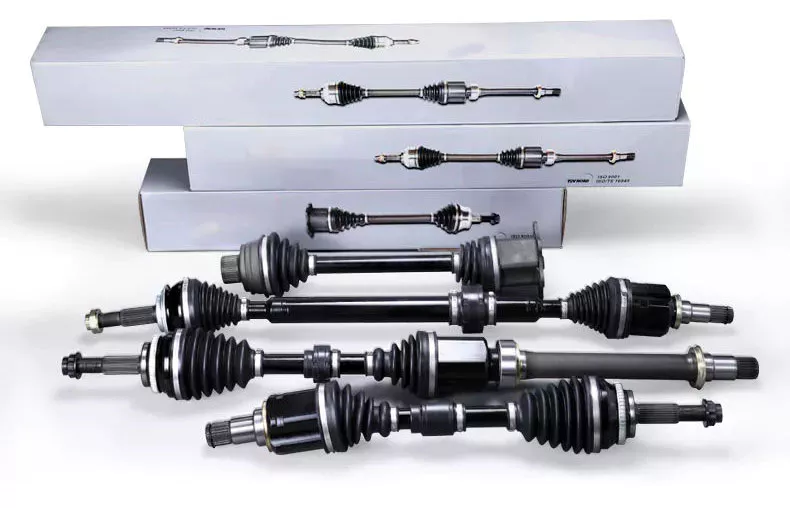
Como os eixos da tomada de força (PTO) garantem a transferência eficiente de potência, mantendo a segurança?
Os eixos de tomada de força (PTO, do inglês Power Take-Off) desempenham um papel crucial para garantir a transferência eficiente de energia de uma fonte elétrica para máquinas ou equipamentos acionados, mantendo também a segurança. Esses eixos são projetados com diversos recursos e mecanismos para otimizar a eficiência da transmissão de energia e mitigar possíveis riscos. Aqui está uma explicação detalhada de como os eixos de tomada de força (PTO) alcançam a transferência eficiente de energia, priorizando a segurança:
1. Transmissão de Potência Mecânica: Os eixos da tomada de força (TDF) servem como ligações mecânicas entre a fonte de energia, normalmente um trator ou motor, e a máquina acionada. Eles transmitem a potência rotacional da fonte de energia para o equipamento, permitindo a transferência eficiente de energia. O projeto mecânico dos eixos da TDF, incluindo seu diâmetro, comprimento e composição do material, é otimizado para minimizar as perdas de potência durante a transmissão, garantindo que uma parcela significativa da potência gerada pela fonte seja efetivamente entregue à máquina.
2. Juntas universais e acoplamentos flexíveis: Os eixos da tomada de força (TDF) são equipados com juntas universais e acoplamentos flexíveis que permitem desalinhamento angular e flexibilidade de movimento. As juntas universais acomodam variações no alinhamento entre a fonte de energia e a máquina acionada, possibilitando uma transferência de potência suave mesmo quando os dois componentes não estão perfeitamente alinhados. Os acoplamentos flexíveis ajudam a compensar pequenos desalinhamentos, reduzem a vibração e evitam tensões excessivas no eixo e nos componentes conectados, aumentando assim a eficiência e reduzindo o risco de falhas ou danos mecânicos.
3. Juntas de Velocidade Constante (CV): As juntas homocinéticas são frequentemente utilizadas em eixos de tomada de força (TDF) para manter a velocidade e a transferência de torque constantes, principalmente em aplicações onde a máquina acionada requer flexibilidade ou opera em diferentes ângulos. As juntas homocinéticas permitem uma transmissão de potência suave, sem flutuações significativas, mesmo quando a máquina acionada está em um ângulo em relação à fonte de energia. Ao minimizar as variações de velocidade e a perda de potência devido à mudança de ângulos, as juntas homocinéticas contribuem para uma transferência de potência eficiente, garantindo um desempenho consistente e reduzindo a probabilidade de estresse mecânico ou desgaste prematuro.
4. Proteções e escudos de segurança: A segurança é uma consideração primordial no projeto de eixos de tomada de força (TDF). Proteções e escudos são instalados para cobrir o eixo rotativo e outras partes móveis. Essas proteções atuam como barreiras físicas para evitar o contato acidental com os componentes rotativos, reduzindo significativamente o risco de emaranhamento, ferimentos ou danos. As proteções de segurança são geralmente feitas de materiais duráveis, como metal ou plástico, e são projetadas para permitir o movimento necessário para a transmissão de potência, ao mesmo tempo que oferecem proteção adequada. A inspeção e a manutenção regulares dessas proteções são cruciais para garantir sua eficácia na manutenção da segurança.
5. Mecanismos de parafuso de cisalhamento ou embreagem deslizante: Os eixos da tomada de força (TDF) frequentemente incorporam mecanismos de parafuso de cisalhamento ou embreagem deslizante como recursos de segurança para proteger os componentes da transmissão e evitar danos em caso de torque excessivo ou resistência repentina. Os parafusos de cisalhamento são projetados para se romperem quando o torque excede um limite predeterminado, desconectando o eixo da TDF da fonte de energia. Isso ajuda a evitar danos ao eixo, à maquinaria acionada e à fonte de energia. As embreagens deslizantes funcionam de maneira semelhante, permitindo que o eixo da TDF deslize quando encontra resistência excessiva, protegendo os componentes contra sobrecarga. Esses mecanismos atuam como medidas de segurança para manter a integridade do eixo da TDF e dos equipamentos associados, minimizando o risco de falhas mecânicas ou acidentes.
6. Conformidade com as normas de segurança: Os eixos de tomada de força (TDF) são projetados e fabricados em conformidade com as normas e regulamentações de segurança relevantes. Os fabricantes seguem as diretrizes e os requisitos estabelecidos por organizações como a Sociedade Americana de Engenheiros Agrícolas e Biológicos (ASABE) ou outras autoridades regionais de segurança. A conformidade com essas normas garante que os eixos de TDF atendam a critérios de segurança específicos, incluindo capacidade de torque, projeto de proteção e outras considerações de segurança. Os usuários podem confiar em eixos de TDF padronizados que foram submetidos a testes e certificação, proporcionando uma camada adicional de garantia em relação à sua segurança e desempenho.
7. Educação e Treinamento do Operador: Para garantir uma operação segura e eficiente, é essencial que os operadores recebam treinamento e capacitação adequados sobre os eixos da tomada de força (TDF). Os operadores devem estar familiarizados com os recursos de segurança específicos, os requisitos de manutenção e os procedimentos operacionais seguros dos eixos da TDF utilizados em suas aplicações. Isso inclui compreender a importância do uso de equipamentos de proteção individual adequados, inspecionar regularmente o equipamento quanto a desgaste ou danos e seguir os cronogramas de manutenção recomendados. A conscientização e a adesão dos operadores aos protocolos de segurança contribuem significativamente para a manutenção de um ambiente de trabalho seguro e para a maximização da eficiência da transferência de potência.
Em resumo, os eixos de tomada de força (TDF) garantem a transferência eficiente de potência, mantendo a segurança por meio de seu projeto mecânico, incorporação de juntas universais e juntas homocinéticas, instalação de proteções e blindagens de segurança, implementação de mecanismos de parafuso de cisalhamento ou embreagem deslizante, conformidade com as normas de segurança e treinamento do operador. Ao combinar esses recursos e práticas, os eixos de TDF proporcionam uma transmissão de potência confiável e segura, minimizando as perdas de potência e os riscos potenciais associados à sua operação.
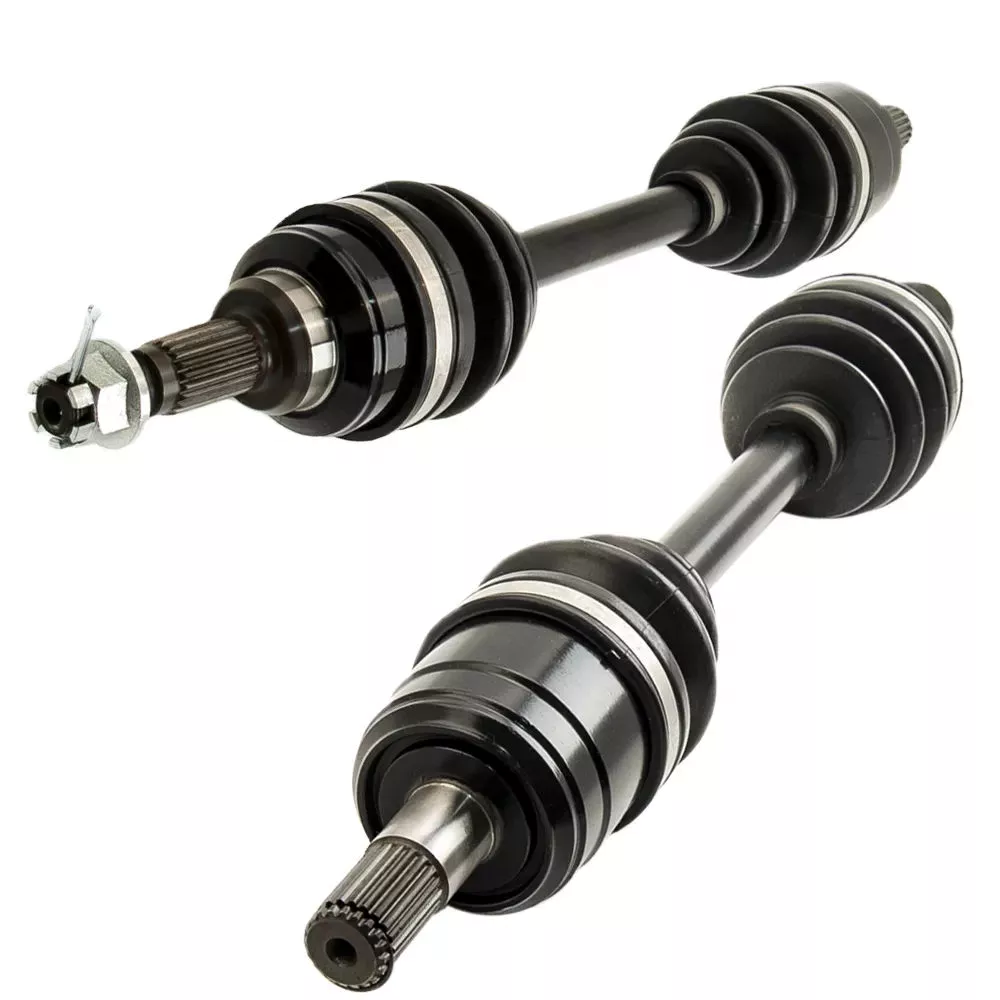
Can PTO shafts be customized for specific machinery and power requirements?
Yes, PTO (Power Take-Off) shafts can be customized to meet the specific machinery and power requirements of different applications. Manufacturers offer customization options to ensure that PTO shafts are precisely tailored to the power source, driven machinery, and the intended application. Here’s a detailed explanation of how PTO shafts can be customized:
1. Shaft Length: PTO shafts can be customized in terms of length to accommodate different equipment configurations. The length of the PTO shaft is critical to ensure proper alignment and connection between the power source and driven machinery. Manufacturers can provide PTO shafts with adjustable or fixed-length options, allowing for flexibility in meeting specific length requirements. Customizing the shaft length ensures that the PTO shaft fits the equipment properly, optimizing power transfer efficiency and reducing the risk of misalignment or excessive stress.
2. Spline Sizes: PTO shafts are available with different spline sizes to match the input and output shafts of various equipment. Spline size customization allows the PTO shaft to seamlessly connect to the power source and driven machinery. Manufacturers can offer different spline configurations, such as 1-3/8 inch, 1-3/4 inch, or metric sizes, to accommodate specific machinery requirements. Customizing the spline size ensures a proper fit and secure connection, enabling efficient power transfer without the need for additional adapters or modifications.
3. Yoke Designs: PTO shafts can be customized with different yoke designs to match the connection points on the power source and driven machinery. The yoke is the component that attaches to the shaft and connects to the equipment. Manufacturers can provide various yoke designs, such as round, triangular, or splined yokes, to ensure compatibility with specific machinery. Customizing the yoke design allows for a secure and reliable connection, aligning the PTO shaft with the equipment’s input/output shafts and optimizing power transmission efficiency.
4. Torque Ratings: PTO shafts can be customized to handle specific torque requirements based on the power demands of the application. Torque is the rotational force that the PTO shaft needs to transmit from the power source to the driven machinery. Manufacturers can design PTO shafts with different torque ratings by using appropriate materials, dimensions, and reinforcement techniques. Customizing the torque rating ensures that the PTO shaft can safely and reliably handle the required power levels without premature wear or failure.
5. Mecanismos de acoplamento: PTO shafts can be customized with different coupling mechanisms to match the connection requirements of specific equipment. Coupling mechanisms are the means by which the PTO shaft connects and disconnects from the power source and driven machinery. Manufacturers can provide various coupling options, such as quick-release couplings, shear pin couplings, or mechanical lock couplings, to accommodate different machinery designs and operational needs. Customizing the coupling mechanism ensures ease of use, secure attachment, and quick disengagement when necessary.
6. Protective Features: PTO shafts can be customized with additional protective features to enhance safety and durability. These features may include guard shields, safety covers, or slip clutches. Guard shields and safety covers provide physical protection by enclosing the rotating shaft and preventing accidental contact, reducing the risk of injuries. Slip clutches offer overload protection by allowing the PTO shaft to slip or disengage when excessive torque or resistance is encountered, preventing damage to the shaft and associated equipment. Customizing the protective features ensures compliance with safety regulations and addresses specific safety requirements of the machinery or application.
7. Material Selection: PTO shafts can be customized with different materials based on the application’s demands. Manufacturers can offer a range of material options, such as steel, aluminum, or composite materials, with varying strength, weight, and corrosion resistance properties. Customizing the material selection allows for optimizing the PTO shaft’s performance, considering factors like operating conditions, environmental exposure, and weight restrictions.
By providing customization options such as shaft length, spline sizes, yoke designs, torque ratings, coupling mechanisms, protective features, and material selection, manufacturers can ensure that PTO shafts are specifically tailored to meet the machinery and power requirements of different applications. Customized PTO shafts facilitate seamless integration, efficient power transfer, and reliable operation, enhancing the overall performance and productivity of the equipment.
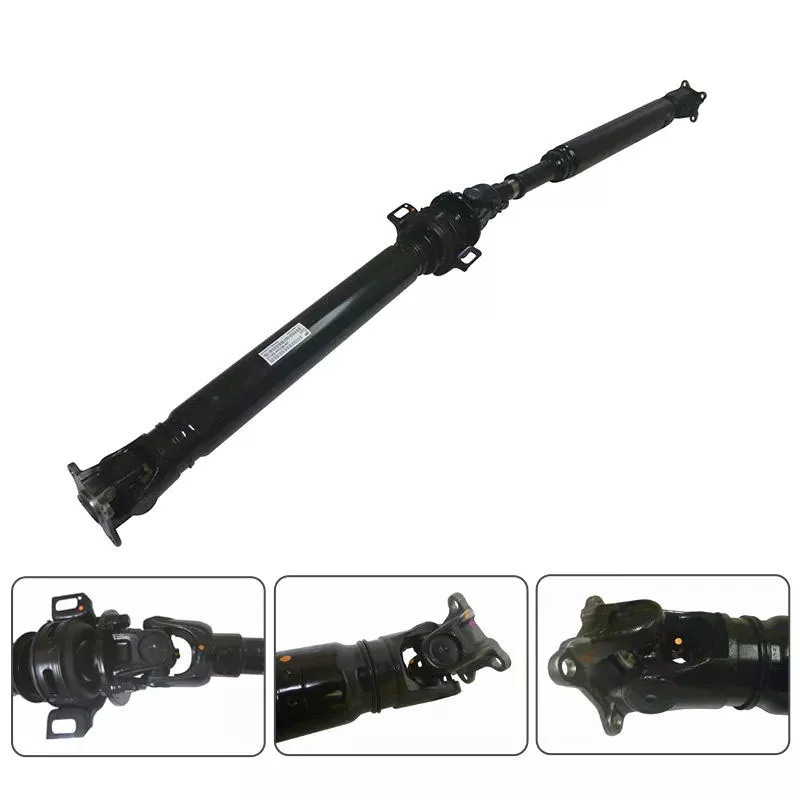
What benefits do PTO shafts offer for various types of machinery?
PTO shafts (Power Take-Off shafts) offer several benefits for various types of machinery in agricultural and industrial applications. They provide a flexible and efficient means of power transmission, enabling machinery to perform specific tasks and functions. Here’s a detailed explanation of the benefits that PTO shafts offer for different types of machinery:
Versatility: PTO shafts contribute to the versatility of machinery by allowing them to be powered by a common power source, such as a tractor or an engine. This means that a single power source can be used to drive multiple implements or machines by simply connecting and disconnecting the PTO shaft. For example, in agriculture, a tractor equipped with a PTO shaft can power various implements such as mowers, balers, tillers, sprayers, and grain augers. Similarly, in industrial applications, PTO shafts enable the use of a single engine or motor to power different machines or equipment, such as generators, pumps, compressors, and industrial mixers.
Efficiency: PTO shafts offer an efficient method of power transfer from the power source to the machinery. By directly connecting the power source to the driven machine, PTO shafts minimize energy losses that may occur with other power transmission methods. This direct power transfer results in improved overall efficiency and performance of the machinery. Additionally, PTO shafts allow for the adjustment of rotational speed and power output to match the requirements of the specific machinery, ensuring optimal operation and reducing unnecessary energy consumption.
Cost Savings: The use of PTO shafts can lead to cost savings in multiple ways. Firstly, by utilizing a single power source to drive multiple machines or implements, the need for separate engines or motors for each piece of equipment is eliminated, reducing capital costs. Secondly, PTO shafts eliminate the requirement for additional fuel or energy sources, as they tap into the existing power source, resulting in lower fuel or energy expenses. Additionally, the versatility offered by PTO shafts allows for improved equipment utilization, maximizing the return on investment.
Flexibility: PTO shafts provide flexibility in terms of equipment setup and configuration. They can be adjusted in length or equipped with telescopic sections, allowing for easy adaptation to different equipment arrangements and varying distances between the power source and the driven machinery. This flexibility enables operators to quickly connect and disconnect the PTO shafts as needed, facilitating efficient equipment changes and reducing downtime. Moreover, the ability to adjust the rotational speed and power output of the PTO shafts adds further flexibility, accommodating the specific requirements of different machinery and applications.
Ease of Use: PTO shafts are relatively easy to use, making them accessible to operators with minimal training. The process of connecting and disconnecting the PTO shafts is straightforward, often involving a simple coupling or locking mechanism. This ease of use enhances equipment operability, allowing operators to quickly switch between different implements or machines without significant effort or time-consuming procedures. Furthermore, the direct power transfer through PTO shafts simplifies equipment operation, as the machinery can be powered by the existing power source without the need for additional controls or power management systems.
Increased Productivity: PTO shafts contribute to increased productivity in agricultural and industrial operations. By enabling the use of versatile machinery configurations, operators can perform a wide range of tasks using a single power source. This eliminates the need for manual labor or the use of multiple machines, streamlining workflow and reducing the time required to complete various operations. The efficiency and reliability of power transfer through PTO shafts also contribute to improved productivity by ensuring consistent and effective operation of machinery, resulting in enhanced output and reduced downtime.
Safety: While not directly related to machinery performance, PTO shafts also offer safety benefits. The implementation of safety shields or guards on PTO shafts helps prevent accidental contact with the rotating shaft, reducing the risk of injuries to operators. These safety features are designed to cover the rotating shaft and universal joints, ensuring that operators cannot come into contact with them during operation. Proper training on PTO shaft operation and adherence to safety guidelines further enhance operator safety when working with PTO-driven machinery.
In summary, PTO shafts offer a range of benefits for various types of machinery. These benefits include increased versatility, improved efficiency, cost savings, flexibility in equipment configurations, ease of use, increased productivity, and enhanced operator safety. PTO shafts play a crucial role in agricultural and industrial applications by enabling the direct power transfer from a common power source to different machines or implements, resulting in optimized performance and operational effectiveness.


editor by CX 2024-02-04