คำอธิบายผลิตภัณฑ์
ข้อกำหนดของ เพลาขับ PTO —สปีดเวย์:
เราได้พัฒนาและผลิตชิ้นส่วนอะไหล่สำหรับรถแทรกเตอร์ญี่ปุ่นหลายรุ่น
ชื่อสินค้า: ชิ้นส่วนจานคลัตช์เกียร์สำหรับรถแทรกเตอร์ญี่ปุ่น รุ่น B1400 และ B7000
รุ่นรถแทรกเตอร์ที่เราสามารถจัดหาได้: B1500/1400, B5000, B6000, B7000, TU1400, TX1400, TX1500, YM F1401, YM1400 เป็นต้น
ตัวอย่างเช่น ชิ้นส่วนต่างๆ ได้แก่ ยาง, ขอบล้อ Jante, ชุดข้อต่อ KB-TX แบบ 3 จุด, ท่อไอเสีย, พวงมาลัย, ชุดข้อต่อ YM F14/F15, เพลาเกียร์, เพลา PTO, ข้อต่อ PTO, กุญแจ, ตัวควบคุม ฯลฯ
อะไหล่ส่วนใหญ่มีอยู่ในสต็อก หากท่านสนใจ โปรดติดต่อผมได้เลยครับ
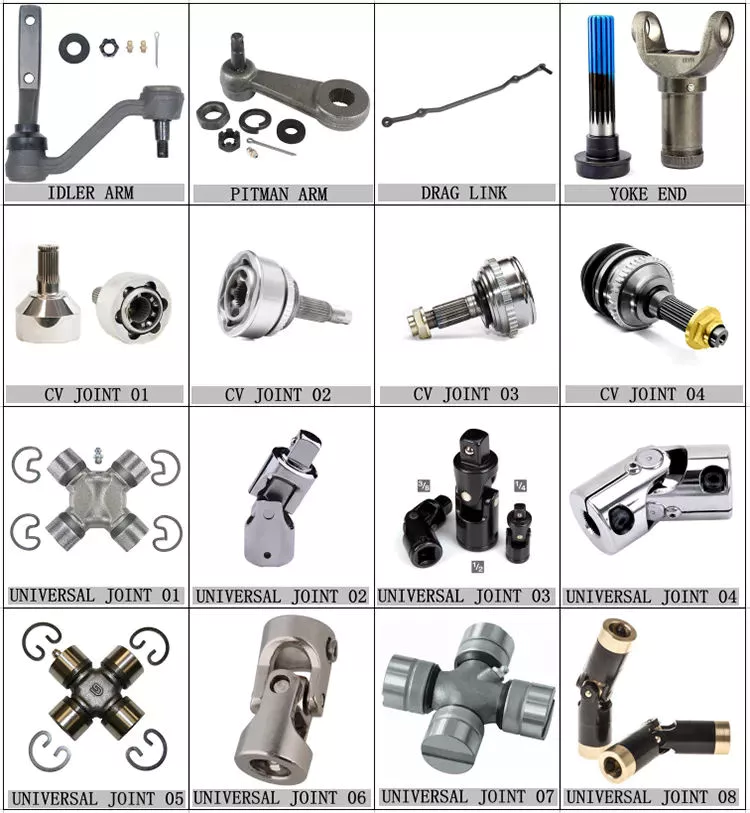
ชิ้นส่วนอื่นๆ ที่เกี่ยวข้องกับรถยนต์หรือเครื่องจักรที่เราผลิตในโรงงานของเรามีดังต่อไปนี้:
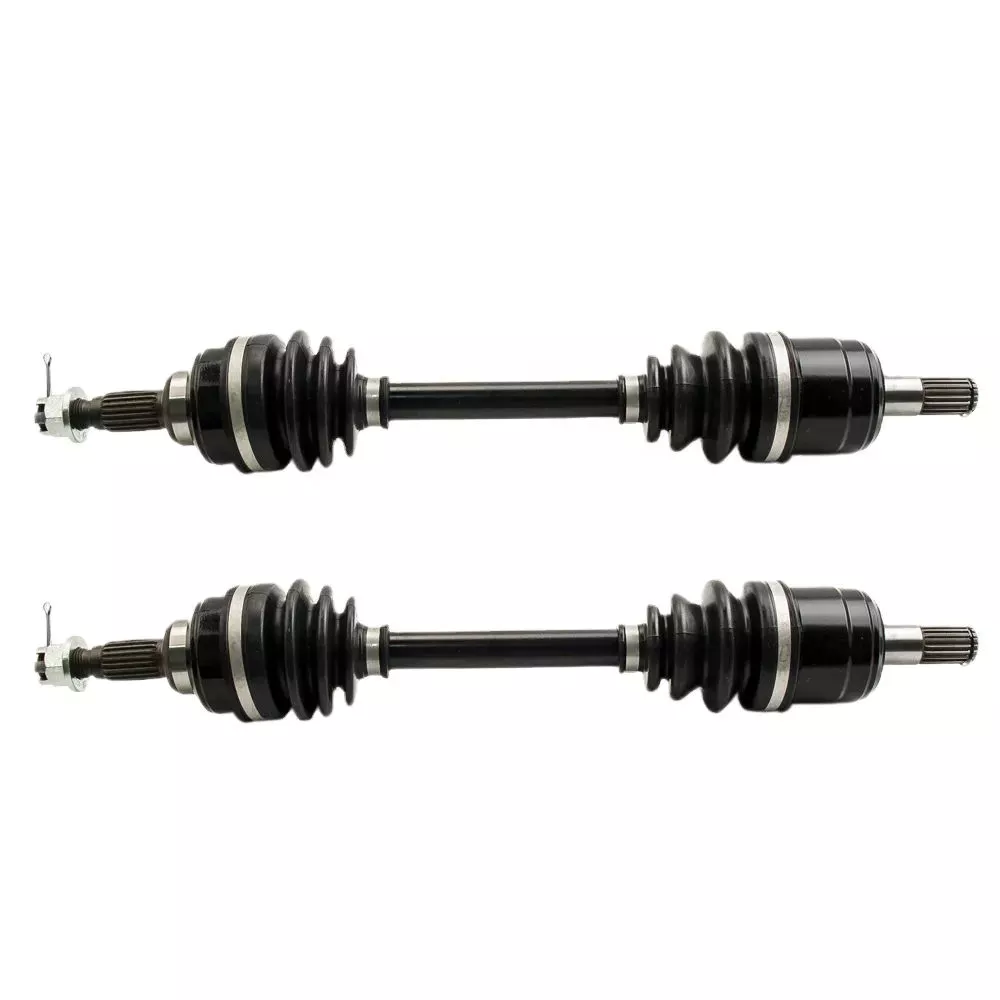
ชิ้นส่วนและชุดประกอบเพลาขับ
ชิ้นส่วนและชุดประกอบข้อต่ออเนกประสงค์
เพลาขับ PTO
เพลาแบบร่องฟัน
แอกแบบเลื่อนได้
แอกเชื่อม
แอกหน้าแปลน
แกนพวงมาลัย
ก้านเชื่อมต่อ
เป็นต้น
คำอธิบายผลิตภัณฑ์
รายการ: เพลาขับ PTO
| รายการ | ขนาดวารสารไขว้ | 540dak-rpm | 1000dak-rpm | |||
| ซีรีส์ 1 | 22 มม. | 54 มม. | 12 กิโลวัตต์ | 16 แรงม้า | 18 กิโลวัตต์ | 25 แรงม้า |
| ซีรีส์ 2 | 23.8 มม. | 61.3 มม. | 15 กิโลวัตต์ | 21 แรงม้า | 23 กิโลวัตต์ | 31 แรงม้า |
| ซีรีส์ 3 | 27 มม. | 70 มม. | 26 กิโลวัตต์ | 35 แรงม้า | 40 กิโลวัตต์ | 55 แรงม้า |
| ซีรีส์ 4 | 27 มม. | 74.6 มม. | 26 กิโลวัตต์ | 35 แรงม้า | 40 กิโลวัตต์ | 55 แรงม้า |
| ซีรีส์ 5 | 30.2 มม. | 80 มม. | 35 กิโลวัตต์ | 47 แรงม้า | 54 กิโลวัตต์ | 74 แรงม้า |
| ซีรีส์ 6 | 30.2 มม. | 92 มม. | 47 กิโลวัตต์ | 64 แรงม้า | 74 กิโลวัตต์ | 100 แรงม้า |
| ซีรีส์ 7 | 30.2 มม. | 106.5 มม. | 55 กิโลวัตต์ | 75 แรงม้า | 87 กิโลวัตต์ | 18 แรงม้า |
| ซีรีส์ 8 | 35 มม. | 106.5 มม.
|
70 กิโลวัตต์ | 95 แรงม้า | 110 กิโลวัตต์ | 150 แรงม้า |
| ซีรีส์ 38 | 38 มม. | 102 มม. | 70 กิโลวัตต์ | 95 แรงม้า | 110 กิโลวัตต์ | 150 แรงม้า |
ข้อมูลบริษัท
ใบรับรอง
คำถามที่พบบ่อย
/* 10 มีนาคม 2571 17:59:20 */!function(){function s(e,r){var a,o={};try{e&&e.split(“,”).forEach(function(e,t){e&&(a=e.match(/(.*?):(.*)$/))&&1
| พิมพ์: | เพลา |
|---|---|
| วิธีใช้งาน: | การแปรรูปผลิตภัณฑ์ทางการเกษตร โครงสร้างพื้นฐานทางการเกษตร เครื่องเก็บเกี่ยว การปลูกและการใส่ปุ๋ย การนวดเมล็ดพืช การทำความสะอาดและการอบแห้ง |
| วัสดุ: | สแตนเลสสตีล |
| แหล่งพลังงาน: | เพลาขับ PTO |
| น้ำหนัก: | มาตรฐาน |
| บริการหลังการขาย: | 1 ปี |
| ตัวอย่าง: |
US$ 300/ชิ้น
1 ชิ้น (สั่งขั้นต่ำ) | |
|---|
Can PTO shafts be adapted for use in both agricultural and industrial settings?
Yes, PTO (Power Take-Off) shafts can be adapted for use in both agricultural and industrial settings. While PTO shafts are commonly associated with agricultural machinery, they are versatile components that can be utilized in various applications beyond the agricultural sector. With appropriate modifications and considerations, PTO shafts can effectively transfer power in industrial settings as well. Here’s a detailed explanation of how PTO shafts can be adapted for both agricultural and industrial use:
1. Standard PTO Shaft Design: PTO shafts have a standardized design that allows for compatibility and interchangeability across different equipment and machinery. This standardization enables PTO shafts to be used in various applications, including both agricultural and industrial settings. The basic components of a PTO shaft, such as the universal joints, splined shafts, and protective guards, remain consistent, regardless of the specific application. This consistency allows for easy adaptation and integration into different machinery and equipment.
2. Shaft Length and Sizing: PTO shafts can be customized in terms of length and sizing to suit specific requirements in both agricultural and industrial settings. The length of the shaft can be adjusted to accommodate different distances between the power source and the driven machinery. This flexibility allows for optimal power transmission and ensures compatibility with various equipment setups. Similarly, the sizing of the PTO shaft, including the diameter and splined shaft specifications, can be tailored to meet the torque and power requirements of different applications, whether in agriculture or industry.
3. Power Requirements: PTO shafts are designed to transfer power from a power source to driven machinery. In agricultural settings, the power source is typically a tractor or other agricultural vehicles, while in industrial settings, it can be an engine, motor, or power unit specific to the industry. PTO shafts can be adapted to handle different power requirements by considering factors such as torque capacity, rotational speed, and the specific demands of the machinery or equipment being driven. By selecting the appropriate PTO shaft based on the power requirements, the shaft can effectively transfer power in both agricultural and industrial applications.
4. ข้อควรพิจารณาด้านความปลอดภัย: Safety is a critical aspect of PTO shaft design and usage, regardless of the application. PTO shafts incorporate safety features such as protective guards and shields to prevent accidental contact with rotating components. These safety measures are essential in agricultural and industrial settings to minimize the risk of entanglement, injury, or damage. Adapting PTO shafts for industrial use may require additional safety considerations based on the specific hazards present in industrial environments. However, the core safety principles and features of PTO shafts can be applied and adapted to ensure safe operation in both settings.
5. Specialized Attachments: PTO shafts can be equipped with specialized attachments or adapters to accommodate different driven machinery or equipment. In agricultural settings, PTO shafts commonly connect to implements such as mowers, balers, or sprayers. In industrial settings, PTO shafts may be adapted to connect to various industrial machinery, including pumps, generators, compressors, or conveyors. These specialized attachments ensure compatibility and efficient power transfer between the PTO shaft and the driven equipment, allowing for seamless integration in both agricultural and industrial applications.
6. Environmental Considerations: PTO shafts can be adapted to address specific environmental conditions in both agricultural and industrial settings. For example, in agricultural applications, PTO shafts may need to withstand exposure to dirt, dust, moisture, and varying weather conditions. Industrial settings may have their unique environmental challenges, such as exposure to chemicals, high temperatures, or abrasive materials. By selecting PTO shaft materials, protective coatings, and seals suitable for the specific environment, the shafts can be adapted to ensure reliable and durable performance in various settings.
7. Compliance with Standards: PTO shafts, whether used in agricultural or industrial settings, need to comply with relevant safety standards and regulations. Manufacturers adhere to guidelines and requirements set by organizations such as the American Society of Agricultural and Biological Engineers (ASABE) or other regional safety authorities. Compliance ensures that PTO shafts meet safety criteria and performance standards applicable to both agricultural and industrial environments. Users can rely on standardized PTO shafts that have undergone testing and certification, offering assurance regarding their reliability and safety.
By considering the factors mentioned above, PTO shafts can be adapted to effectively transfer power in both agricultural and industrial settings. The versatile nature of PTO shafts, coupled with customization options, safety considerations, specialized attachments, and compliance with standards, allows for their successful integration into a wide range of machinery and equipment across various industries.
เพลา PTO รับมือกับการเปลี่ยนแปลงของภาระและแรงบิดระหว่างการทำงานได้อย่างไร?
เพลา PTO (Power Take-Off) ถูกออกแบบมาเพื่อรับมือกับการเปลี่ยนแปลงของภาระและแรงบิดระหว่างการทำงาน โดยใช้กลไกและคุณสมบัติเฉพาะที่ช่วยให้การส่งกำลังมีประสิทธิภาพและป้องกันการโอเวอร์โหลด ต่อไปนี้คือคำอธิบายโดยละเอียดเกี่ยวกับวิธีการที่เพลา PTO รับมือกับการเปลี่ยนแปลงของภาระและแรงบิด:
1. การออกแบบทางกล: เพลา PTO ได้รับการออกแบบทางวิศวกรรมด้วยหลักการออกแบบทางกลที่แข็งแรงทนทาน ทำให้สามารถรับมือกับการเปลี่ยนแปลงของภาระและแรงบิดได้ โดยทั่วไปแล้วจะผลิตจากวัสดุที่มีความแข็งแรงสูง เช่น เหล็ก ซึ่งให้ความทนทานและต้านทานต่อแรงดัดหรือแรงบิด เส้นผ่านศูนย์กลาง ความหนาของผนัง และขนาดโดยรวมของเพลาได้รับการคำนวณอย่างรอบคอบเพื่อให้ทนต่อระดับแรงบิดและการเปลี่ยนแปลงของภาระที่คาดการณ์ไว้ การออกแบบทางกลของเพลา PTO ช่วยให้มั่นใจได้ว่าสามารถส่งกำลังได้อย่างน่าเชื่อถือและรองรับแรงไดนามิกที่เกิดขึ้นระหว่างการทำงาน
2. ข้อต่ออเนกประสงค์: ข้อต่ออเนกประสงค์เป็นส่วนประกอบสำคัญของเพลา PTO ที่ช่วยให้มีความยืดหยุ่นและชดเชยการเยื้องศูนย์ระหว่างแหล่งพลังงานและเครื่องจักรที่ขับเคลื่อน ข้อต่อเหล่านี้สามารถรองรับการเปลี่ยนแปลงในแนวมุม ซึ่งอาจเกิดขึ้นเนื่องจากการเปลี่ยนแปลงของภาระหรือการเคลื่อนที่ของเครื่องจักร ข้อต่ออเนกประสงค์ประกอบด้วยแอกรูปกากบาทที่มีตลับลูกปืนเข็มที่ช่วยให้การหมุนและการถ่ายโอนแรงบิดเป็นไปอย่างราบรื่น แม้ว่าเพลาจะไม่ตรงกันอย่างสมบูรณ์ก็ตาม การออกแบบข้อต่ออเนกประสงค์ช่วยให้เพลา PTO สามารถรับมือกับการเปลี่ยนแปลงของภาระและแรงบิดในขณะที่ยังคงรักษาการส่งกำลังที่สม่ำเสมอ
3. คลัตช์แบบสลิป: คลัตช์แบบสลิปมักถูกติดตั้งในเพลา PTO เพื่อป้องกันการโอเวอร์โหลด คลัตช์เหล่านี้ช่วยให้เพลา PTO สามารถลื่นหรือตัดการเชื่อมต่อได้ชั่วขณะเมื่อพบแรงบิดหรือแรงต้านที่มากเกินไป โดยทั่วไปแล้วคลัตช์แบบสลิปจะประกอบด้วยแผ่นเสียดทานที่สามารถปรับตั้งค่าแรงบิดได้ เมื่อแรงบิดเกินขีดจำกัดที่กำหนดไว้ คลัตช์จะลื่น ป้องกันความเสียหายต่อเพลา PTO และอุปกรณ์ที่เชื่อมต่อ คลัตช์แบบสลิปมีประโยชน์อย่างยิ่งเมื่อเกิดการเปลี่ยนแปลงของภาระหรือแรงบิดอย่างกะทันหัน โดยเป็นกลไกความปลอดภัยที่ช่วยปกป้องเพลา PTO และเครื่องจักรที่เกี่ยวข้อง
4. อุปกรณ์จำกัดแรงบิด: อุปกรณ์จำกัดแรงบิดเป็นอีกหนึ่งคุณสมบัติป้องกันที่พบในเพลา PTO บางประเภท อุปกรณ์เหล่านี้ได้รับการออกแบบมาเพื่อตัดการส่งกำลังโดยอัตโนมัติเมื่อแรงบิดเกินเกณฑ์ที่กำหนดไว้ อุปกรณ์จำกัดแรงบิดอาจเป็นแบบกลไก เช่น ข้อต่อแบบสลักเฉือนหรือคลัตช์เสียดทาน หรือแบบอิเล็กทรอนิกส์ โดยใช้เซ็นเซอร์และระบบควบคุม เมื่อแรงบิดเกินขีดจำกัดที่ตั้งไว้ อุปกรณ์จำกัดแรงบิดจะตัดการทำงาน ป้องกันการส่งกำลังต่อไปและปกป้องเพลา PTO จากสภาวะโอเวอร์โหลด อุปกรณ์จำกัดแรงบิดมีประสิทธิภาพในการจัดการกับแรงบิดที่เพิ่มขึ้นอย่างฉับพลันและปกป้องเพลา PTO และอุปกรณ์ที่เกี่ยวข้อง
5. การบำรุงรักษาและการตรวจสอบ: การบำรุงรักษาและการตรวจสอบเพลา PTO อย่างสม่ำเสมอเป็นสิ่งสำคัญเพื่อให้มั่นใจได้ว่าเพลาทำงานได้อย่างถูกต้องและสามารถรับมือกับการเปลี่ยนแปลงของภาระและแรงบิดได้ การบำรุงรักษาตามปกติประกอบด้วยการหล่อลื่นข้อต่ออเนกประสงค์ การตรวจสอบความสมบูรณ์ของเพลา และการขันน็อตให้แน่น การตรวจสอบอย่างสม่ำเสมอช่วยให้สามารถตรวจพบการสึกหรอ การเบี่ยงเบน หรือปัญหาอื่นๆ ที่อาจส่งผลต่อประสิทธิภาพของเพลา PTO ได้ตั้งแต่เนิ่นๆ การปฏิบัติตามข้อกำหนดด้านการบำรุงรักษาและการตรวจสอบจะช่วยให้ผู้ใช้งานสามารถระบุและแก้ไขปัญหาใดๆ ที่อาจเกิดขึ้นเนื่องจากการเปลี่ยนแปลงของภาระและแรงบิด ทำให้มั่นใจได้ว่าเพลา PTO จะทำงานได้อย่างปลอดภัยและมีประสิทธิภาพอย่างต่อเนื่อง
6. การรับรู้และการควบคุมของผู้ปฏิบัติงาน: ผู้ปฏิบัติงานมีบทบาทสำคัญในการจัดการความผันแปรของภาระและแรงบิดระหว่างการทำงานของเพลา PTO พวกเขาควรตระหนักถึงขีดจำกัดการทำงานของเครื่องจักร รวมถึงพิกัดแรงบิดและความสามารถในการรับภาระที่แนะนำของเพลา PTO การฝึกอบรมที่เหมาะสมและความเข้าใจในความสามารถของอุปกรณ์ช่วยให้ผู้ปฏิบัติงานสามารถตัดสินใจได้อย่างชาญฉลาดและปรับการทำงานเมื่อพบกับการเปลี่ยนแปลงของภาระหรือแรงบิดอย่างมีนัยสำคัญ ผู้ปฏิบัติงานควรเฝ้าระวังประสิทธิภาพของอุปกรณ์อย่างสม่ำเสมอ สังเกตสัญญาณของการสั่นสะเทือน เสียงดัง หรือสิ่งบ่งชี้อื่น ๆ ที่อาจแสดงถึงปัญหาที่เกี่ยวข้องกับความผันแปรของภาระและแรงบิด
ด้วยการออกแบบทางกลที่แข็งแรงทนทาน การใช้ข้อต่ออเนกประสงค์ คลัตช์กันลื่น ตัวจำกัดแรงบิด และการบำรุงรักษาที่เหมาะสม เพลา PTO จึงสามารถรับมือกับการเปลี่ยนแปลงของภาระและแรงบิดระหว่างการทำงานได้ คุณสมบัติเหล่านี้ช่วยให้การส่งกำลังมีความน่าเชื่อถือ ป้องกันการโอเวอร์โหลด และส่งเสริมการทำงานที่ปลอดภัยและมีประสิทธิภาพของเพลา PTO และเครื่องจักรที่ขับเคลื่อนด้วยเพลานั้น

Which industries commonly use PTO shafts for power transmission?
PTO shafts (Power Take-Off shafts) are widely used in various industries where power transmission is required to drive machinery and equipment. Their versatility, efficiency, and compatibility with different types of machinery make them valuable components in several sectors. Here’s a detailed explanation of the industries that commonly use PTO shafts for power transmission:
1. Agriculture: The agricultural industry extensively relies on PTO shafts for power transmission. Tractors equipped with PTOs are commonly used to drive a wide range of agricultural implements and machinery. PTO-driven equipment includes mowers, balers, tillers, seeders, sprayers, grain augers, harvesters, and many more. PTO shafts allow for the efficient transfer of power from the tractor’s engine to these implements, enabling various agricultural operations such as cutting, baling, tilling, planting, spraying, and harvesting. The agricultural sector heavily depends on PTO shafts to enhance productivity and streamline farming processes.
2. Construction and Earthmoving: In the construction and earthmoving industry, PTO shafts find applications in machinery used for excavation, grading, and material handling. PTO-driven equipment such as backhoes, loaders, excavators, trenchers, and stump grinders utilize PTO shafts to transfer power from the prime movers, typically hydraulic systems, to drive the necessary attachments. These attachments require the high torque and power provided by PTO shafts to perform tasks like digging, loading, trenching, and grinding. PTO shafts allow for versatile and efficient power transmission in construction and earthmoving operations.
3. Forestry: The forestry industry utilizes PTO shafts for power transmission in various logging and timber processing equipment. PTO-driven machinery such as wood chippers, sawmills, log splitters, and debarkers rely on PTO shafts to transfer power from tractors or dedicated power units to perform tasks like chipping, sawing, splitting, and debarking wood. PTO shafts provide the necessary power and torque to drive the cutting and processing mechanisms, enabling efficient and productive forestry operations.
4. Landscaping and Groundskeeping: PTO shafts play a crucial role in the landscaping and groundskeeping industry. Equipment like lawn mowers, rotary cutters, flail mowers, and aerators utilize PTO shafts to transfer power from tractors or dedicated power units to drive the cutting or grooming mechanisms. PTO shafts enable efficient power transmission, allowing operators to maintain lawns, parks, golf courses, and other outdoor spaces with precision and productivity.
5. Mining and Quarrying: PTO shafts have applications in the mining and quarrying industry, particularly in equipment used for material extraction, crushing, and screening. PTO-driven machinery such as crushers, screeners, and conveyors rely on PTO shafts to transfer power from engines or motors to drive the crushing and screening mechanisms, as well as the material handling systems. PTO shafts provide the necessary power and torque to process and transport bulk materials effectively in mining and quarrying operations.
6. Industrial Manufacturing: PTO shafts are utilized in various industrial manufacturing processes that require power transmission to drive specific machinery and equipment. Industries such as food processing, textile manufacturing, paper production, and chemical processing may use PTO-driven machinery for tasks like mixing, blending, cutting, extruding, and conveying. PTO shafts enable efficient power transfer to these machines, ensuring smooth and reliable operation in industrial manufacturing settings.
7. Utilities and Infrastructure Maintenance: PTO shafts find applications in utilities and infrastructure maintenance operations. Equipment like street sweepers, sewer cleaners, road maintenance machines, and drain augers utilize PTO shafts to transfer power from trucks or dedicated power units to perform tasks like sweeping, cleaning, and maintenance of roads, sewers, and other public infrastructure. PTO shafts enable efficient power transmission, ensuring effective and reliable operation of these utility and maintenance machines.
8. Others: PTO shafts are also used in several other industries and sectors where power transmission is required. This includes applications in the transportation industry for powering refrigeration units, fuel pumps, and hydraulic systems in trucks and trailers. PTO shafts also find applications in the marine industry for powering winches, pumps, and other equipment on boats and ships.
In summary, PTO shafts are commonly used in a wide range of industries for power transmission. These industries include agriculture, construction and earthmoving, forestry, landscaping and groundskeeping, mining and quarrying, industrial manufacturing, utilities and infrastructure maintenance, transportation, and marine sectors. PTO shafts play a critical rolein enhancing productivity, enabling efficient operation of machinery, and facilitating various tasks in these industries.

editor by CX 2024-02-14