คำอธิบายผลิตภัณฑ์
Tractor Transmission Shaft PTO Shaft for Agricultural Machine
Durable Transmission Shaft Made of aluminum alloy with excellent quality and carefully selected materials,the hot head greatly extends its service life.
Application Scope for PTO Shafts
Various types of agricultural machinery transmission shafts, with a wide range of product uses, which are mainly suitable for agricultural tractors,micro tillers,rotary tillers,seeders,fertilizer spreaders,lawn mowers,baling machines,grass bales and so on.
| ชุด | D(mm) | W(mm) | 540 | 1000 | ||||
| ประวัติย่อ | เควี | เอ็นเอ็ม | ประวัติย่อ | เควี | เอ็นเอ็ม | |||
| 1S | 22.0 | 54.0 | 16 | 12 | 210 | 25 | 18 | 172 |
| 2S | 23.8 | 61.3 | 21 | 15 | 270 | 31 | 23 | 220 |
| 3S | 27.0 | 70.0 | 30 | 22 | 390 | 47 | 35 | 330 |
| 4S | 27.0 | 74.6 | 35 | 26 | 460 | 55 | 40 | 380 |
| 5S | 30.2 | 80.0 | 47 | 35 | 620 | 74 | 54 | 520 |
| 6S | 30.2 | 92.0 | 64 | 47 | 830 | 100 | 74 | 710 |
| 7S | 30.2 | 106.5 | 75 | 55 | 970 | 118 | 87 | 830 |
| 8S | 35.0 | 106.5 | 95 | 70 | 1240 | 150 | 110 | 1050 |
| 9S | 41.0 | 108.0 | 120 | 88 | 1560 | 190 | 140 | 1340 |
ข้อมูลบริษัท
Shuoxin, Sure thing.
ZheJiang Shuoxin Machinery Manufacturing Co., Ltd has been in the agricultural machinery industry for more than 30 years, the product range covering spraying machines, fertilizer spreaders, manure spreaders, mowers, rakes, land levellers and so on. In the 30 years’ service for agriculture field, Shuoxin has grown into an enterprise that integrates multiple business modules such as Design, Manufacture, Service and Information Survey. Shuoxin agricultural machinery have done a important work to nutrition supply and plant diseases & insect pests control for crops such as wheat, cotton, corn, rice, orchards and vegetables. With the ISO System certificates and CE production certificates, Cooperating with Shuixin can guarantee the partners with advanced machine products, reduced labor cost, improved work efficiency and promoted product revenue.
ใบรับรอง
Product packaging
Iron Farme Packing
All the machines are fixed in the Iron Frame by steel wire, the Frame use the steel which is thicker than 3mm. Strong enough to carry and protect the machine.
Black plastic film will also protect the machine from rain and sun shine.
All the frames is welded according to the machine size, to make sure the minimum size and weight.
/* 22 มกราคม 2571 19:08:37 */!function(){function s(e,r){var a,o={};try{e&&e.split(“,”).forEach(function(e,t){e&&(a=e.match(/(.*?):(.*)$/))&&1
| พิมพ์: | เพลา |
|---|---|
| วิธีใช้งาน: | Tillage, Harvester, Planting and Fertilization |
| วัสดุ: | Iron |
| แหล่งพลังงาน: | Tractor |
| น้ำหนัก: | 6kg |
| บริการหลังการขาย: | Online Service |
| การปรับแต่ง: |
มีอยู่
| คำขอที่กำหนดเอง |
|---|
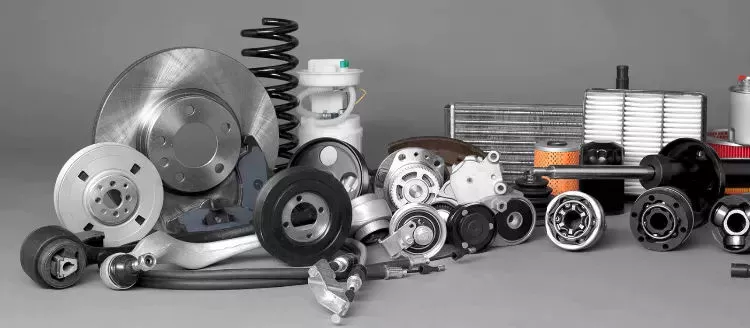
การบำรุงรักษาแบบใดบ้างที่จำเป็นสำหรับการยืดอายุการใช้งานของเพลา PTO?
การดูแลรักษาอย่างถูกวิธีและการบำรุงรักษาเพลาส่งกำลัง (PTO) อย่างสม่ำเสมอเป็นสิ่งสำคัญอย่างยิ่งต่อการยืดอายุการใช้งานและรับประกันประสิทธิภาพสูงสุด การปฏิบัติตามขั้นตอนการบำรุงรักษาที่สำคัญจะช่วยป้องกันการสึกหรอก่อนกำหนด ระบุปัญหาที่อาจเกิดขึ้นได้ตั้งแต่เนิ่นๆ และเพิ่มอายุการใช้งานของเพลา PTO ให้ยาวนานที่สุด ต่อไปนี้คือแนวทางการบำรุงรักษาที่สำคัญบางประการที่ควรพิจารณา:
1. การตรวจสอบเป็นประจำ: ตรวจสอบเพลา PTO ด้วยสายตาเป็นประจำเพื่อดูว่ามีร่องรอยความเสียหาย การสึกหรอ หรือการเบี่ยงเบนหรือไม่ มองหา รอยแตก รอยบุบ ส่วนที่งอ หรือชิ้นส่วนที่หลวม ตรวจสอบข้อต่ออเนกประสงค์ กลไกการเชื่อมต่อ ฝาครอบป้องกัน และชิ้นส่วนอื่นๆ ที่เกี่ยวข้อง ให้ความสนใจกับเสียงผิดปกติ การสั่นสะเทือน หรือการเปลี่ยนแปลงประสิทธิภาพการทำงาน เนื่องจากสิ่งเหล่านี้อาจบ่งชี้ถึงปัญหาที่ซ่อนอยู่ซึ่งต้องได้รับการแก้ไข
2. การหล่อลื่น: การหล่อลื่นที่เหมาะสมเป็นสิ่งสำคัญสำหรับการทำงานที่ราบรื่นและอายุการใช้งานที่ยาวนานของเพลา PTO ปฏิบัติตามคำแนะนำของผู้ผลิตเกี่ยวกับช่วงเวลาการหล่อลื่นและใช้น้ำมันหล่อลื่นชนิดที่แนะนำ ทาน้ำมันหล่อลื่นที่ข้อต่อยูนิเวอร์แซล ข้อต่อ CV (ถ้ามี) และชิ้นส่วนที่เคลื่อนไหวอื่นๆ ตามที่ระบุ ตรวจสอบระดับน้ำมันหล่อลื่นให้เพียงพอเป็นประจำและเติมหากจำเป็น ตรวจสอบให้แน่ใจว่าน้ำมันหล่อลื่นที่ใช้เข้ากันได้กับวัสดุของเพลาและไม่ดึงดูดสิ่งสกปรกหรือเศษวัสดุที่อาจทำให้เกิดการสึกหรอหรือความเสียหาย
3. การทำความสะอาด: รักษาเพลา PTO ให้สะอาด ปราศจากสิ่งสกปรก เศษวัสดุ และสิ่งปนเปื้อนอื่นๆ ควรขจัดสิ่งสกปรก คราบไขมัน หรือคราบตกค้างที่สะสมอยู่เป็นประจำโดยใช้แปรงหรือลมเป่า โดยเฉพาะอย่างยิ่งควรทำความสะอาดข้อต่ออเนกประสงค์และบริเวณที่เพลาเชื่อมต่อกับส่วนประกอบอื่นๆ การทำความสะอาดจะช่วยป้องกันการสะสมของอนุภาคที่ทำให้เกิดการสึกหรอเร็วขึ้นและลดประสิทธิภาพการทำงานของเพลา
4. การตรวจสอบและบำรุงรักษาอุปกรณ์รักษาความปลอดภัย: ตรวจสอบอุปกรณ์ป้องกันและแผ่นป้องกันอย่างสม่ำเสมอเพื่อให้แน่ใจว่าติดตั้งแน่นหนาและไม่มีความเสียหาย อุปกรณ์ป้องกันมีบทบาทสำคัญในการป้องกันการสัมผัสโดยไม่ตั้งใจกับเพลาหมุนและลดความเสี่ยงต่อการบาดเจ็บ ซ่อมแซมหรือเปลี่ยนอุปกรณ์ป้องกันที่ชำรุดหรือสูญหายโดยทันที ตรวจสอบให้แน่ใจว่าอุปกรณ์ป้องกันอยู่ในแนวที่ถูกต้องและครอบคลุมชิ้นส่วนที่เคลื่อนไหวทั้งหมดของเพลา PTO อย่างเพียงพอ
5. การตรวจสอบแรงบิดและตัวยึด: ควรตรวจสอบและขันน็อตยึดต่างๆ เช่น สลักเกลียวและน็อต ที่ยึดเพลา PTO และส่วนประกอบที่เกี่ยวข้องอย่างสม่ำเสมอ เมื่อเวลาผ่านไป การสั่นสะเทือนและการใช้งานตามปกติอาจทำให้น็อตยึดเหล่านี้หลวม ส่งผลกระทบต่อความแข็งแรงของเพลา ควรใช้ค่าแรงบิดที่ผู้ผลิตกำหนดไว้เพื่อให้แน่ใจว่าขันแน่นอย่างถูกต้อง ตรวจสอบความแน่นของน็อตยึดเป็นประจำและขันให้แน่นขึ้นหากจำเป็น
6. การบำรุงรักษาโบลต์เฉือนหรือคลัตช์ลื่น: หากเพลา PTO ของคุณมีกลไกสลักนิรภัยหรือคลัตช์กันลื่น โปรดตรวจสอบให้แน่ใจว่ากลไกเหล่านั้นทำงานได้อย่างถูกต้อง ตรวจสอบสลักนิรภัยว่ามีร่องรอยการสึกหรอหรือเสียหายหรือไม่ และเปลี่ยนใหม่เมื่อจำเป็น ตรวจสอบคลัตช์กันลื่นว่าได้รับการปรับแต่งอย่างเหมาะสมและทำงานได้อย่างราบรื่นหรือไม่ ปฏิบัติตามคำแนะนำของผู้ผลิตเกี่ยวกับการบำรุงรักษาและการปรับแต่งกลไกความปลอดภัยเหล่านี้ เพื่อให้มั่นใจได้ว่ากลไกเหล่านั้นมีประสิทธิภาพในการปกป้องชิ้นส่วนของระบบส่งกำลัง
7. การจัดเก็บอย่างเหมาะสม: เมื่อไม่ได้ใช้งานเพลา PTO ให้เก็บไว้ในที่สะอาดและแห้ง ป้องกันเพลาจากการสัมผัสกับความชื้น อุณหภูมิที่สูงเกินไป และสารกัดกร่อน หากเป็นไปได้ ให้เก็บเพลาในแนวตั้งเพื่อป้องกันการงอหรือบิดเบี้ยว พิจารณาใช้ฝาครอบหรือกล่องป้องกันเพื่อปกป้องเพลาจากฝุ่นละออง สิ่งสกปรก และแหล่งที่มาของความเสียหายอื่นๆ
8. การฝึกอบรมผู้ปฏิบัติงาน: จัดอบรมที่เหมาะสมให้แก่ผู้ปฏิบัติงานเกี่ยวกับการใช้งาน การบำรุงรักษา และขั้นตอนด้านความปลอดภัยที่เกี่ยวข้องกับเพลา PTO อย่างถูกต้อง ให้ความรู้แก่พวกเขาเกี่ยวกับความสำคัญของการตรวจสอบอย่างสม่ำเสมอ การหล่อลื่น และการปฏิบัติตามแนวทางการบำรุงรักษาที่แนะนำ สนับสนุนให้ผู้ปฏิบัติงานรายงานความผิดปกติหรือข้อกังวลใด ๆ โดยทันทีเพื่อป้องกันความเสียหายเพิ่มเติมและเพื่อให้แน่ใจว่ามีการซ่อมแซมหรือปรับแต่งอย่างทันท่วงที
9. คำแนะนำจากผู้ผลิตและผู้เชี่ยวชาญ: โปรดศึกษาคู่มือและคำแนะนำของผู้ผลิตเกี่ยวกับการบำรุงรักษาที่เหมาะสมกับรุ่นเพลา PTO ของคุณ นอกจากนี้ ควรขอคำแนะนำจากผู้เชี่ยวชาญหรือช่างเทคนิคบริการที่ได้รับอนุญาตซึ่งมีความรู้เกี่ยวกับการบำรุงรักษาเพลา PTO พวกเขาสามารถให้ข้อมูลเชิงลึกและความช่วยเหลือที่มีค่าในการนำวิธีการบำรุงรักษาที่ดีที่สุดมาใช้กับเพลา PTO ของคุณได้
การปฏิบัติตามขั้นตอนการบำรุงรักษาเหล่านี้จะช่วยยืดอายุการใช้งานของเพลา PTO เพิ่มประสิทธิภาพการทำงาน และลดโอกาสการเกิดความเสียหายที่ไม่คาดคิดหรือการซ่อมแซมที่มีค่าใช้จ่ายสูง การตรวจสอบอย่างสม่ำเสมอ การหล่อลื่น การทำความสะอาด การบำรุงรักษาฝาครอบ การตรวจสอบแรงบิด และการจัดเก็บที่เหมาะสม ล้วนมีความสำคัญต่อการรับประกันอายุการใช้งานและความน่าเชื่อถือของเพลา PTO ของคุณ
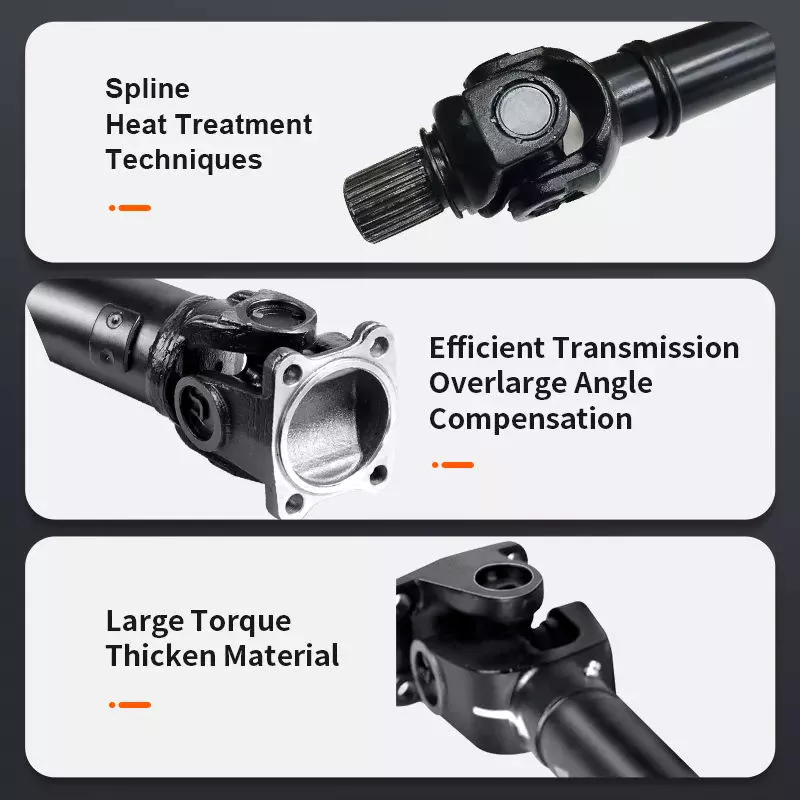
What safety precautions should be followed when working with PTO shafts?
Working with Power Take-Off (PTO) shafts requires strict adherence to safety precautions to prevent accidents and ensure the well-being of individuals operating or working in the vicinity of the equipment. PTO shafts involve rotating machinery and can pose significant hazards if not handled properly. Here are several important safety precautions that should be followed when working with PTO shafts:
1. Familiarize Yourself with the Equipment: Prior to operating or working near a PTO shaft, it is crucial to thoroughly understand the equipment’s operation, including the specific PTO shaft configuration, safety features, and any associated machinery. Read and follow the manufacturer’s instructions and safety guidelines pertaining to the PTO shaft and associated equipment. Training and familiarity with the equipment are essential to ensure safe practices.
2. Wear Appropriate Personal Protective Equipment (PPE): When working with PTO shafts, individuals should wear appropriate personal protective equipment to minimize the risk of injury. This may include safety glasses, hearing protection, gloves, and sturdy footwear. PPE protects against potential hazards such as flying debris, noise, and accidental contact with rotating components.
3. Guarding and Shielding: Ensure that the PTO shaft and associated machinery are equipped with appropriate guarding and shielding. Guarding helps prevent accidental contact with rotating parts, reducing the risk of entanglement or injury. PTO shafts should have guard shields covering the rotating shaft and any exposed universal joints. Machinery driven by the PTO shaft should also have adequate guarding in place to protect against contact with moving parts.
4. Securely Fasten and Align PTO Shaft Components: Before operating or connecting the PTO shaft, ensure that all components are securely fastened and aligned. Loose or misaligned components can lead to shaft dislodgement, imbalance, and potential failure. Follow the manufacturer’s guidelines for proper installation and tightening of couplings, yokes, and other connecting points. Proper alignment is crucial to prevent excessive stress, vibrations, and premature wear on the PTO shaft and associated equipment.
5. Avoid Loose Clothing and Jewelry: Loose clothing, jewelry, or other items that can become entangled in the PTO shaft or associated machinery should be avoided. Secure long hair, tuck in loose clothing, and remove or properly secure any dangling accessories. Loose items can get caught in rotating parts, leading to serious injury or entanglement hazards.
6. Do Not Modify or Remove Safety Features: PTO shafts are equipped with safety features such as guard shields, safety covers, and torque limiters for a reason. These features are designed to protect against potential hazards and should not be modified, bypassed, or removed. Altering or disabling safety features can significantly increase the risk of accidents and injury. If any safety features are damaged or not functioning correctly, they should be repaired or replaced promptly.
7. Shut Down Power Source Before Maintenance: Before performing any maintenance, repairs, or adjustments on the PTO shaft or associated machinery, ensure that the power source is completely shut down and disconnected. This includes turning off the engine, disconnecting power supply, and engaging any safety locks or mechanisms. Lockout/tagout procedures should be followed to prevent accidental energization or startup during maintenance activities.
8. Regular Maintenance and Inspection: Regular maintenance and inspection of the PTO shaft and associated equipment are vital for safe operation. Follow the manufacturer’s recommended maintenance schedule and perform routine inspections to identify any signs of wear, damage, or misalignment. Lubricate universal joints as per the manufacturer’s guidelines to ensure smooth operation. Promptly address any maintenance or repair needs to prevent potential hazards.
9. Training and Communication: Ensure that individuals operating or working near PTO shafts receive proper training on safe work practices, hazard identification, and emergency procedures. Promote clear communication regarding the presence and operation of PTO shafts to prevent accidental contact or interference. Establish effective communication methods, such as signals or radios, when working in teams or near noisy equipment.
10. Be Aware of Surroundings: Maintain situational awareness when working with PTO shafts. Be mindful of the location of bystanders, obstacles, and potential hazards. Ensure a clear and safe work area around the PTO shaft. Avoid distractions and focus on the task at hand to prevent accidents caused by inattention.
By following these safety precautions, individuals can minimize the risk of accidents and injuries when working with PTO shafts. Safety should always be the top priority to ensure a safe and productive work environment.
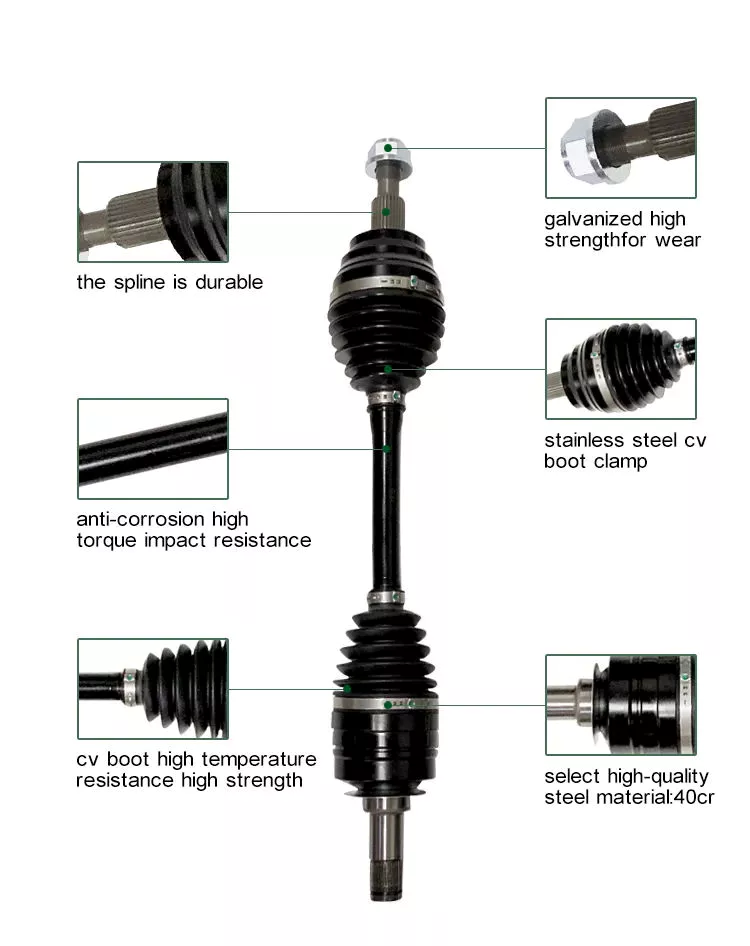
Can you explain the different types of PTO shafts and their applications?
PTO shafts (Power Take-Off shafts) come in various types, each designed for specific applications and requirements. The different types of PTO shafts offer versatility and compatibility with a wide range of machinery and implements. Here’s an explanation of the most common types of PTO shafts and their applications:
1. Standard PTO Shaft: The standard PTO shaft, also known as a splined shaft, is the most common type used in agricultural and industrial machinery. It consists of a solid steel shaft with splines or grooves along its length. The standard PTO shaft typically has six splines, although variations with four or eight splines can be found. This type of PTO shaft is widely used in tractors and various implements, including mowers, balers, tillers, and rotary cutters. The splines provide a secure connection between the power source and the driven machinery, ensuring efficient power transfer.
2. Shear Bolt PTO Shaft: Shear bolt PTO shafts are designed with a safety feature that allows the shaft to separate in case of overload or sudden shock to protect the driveline components. These PTO shafts incorporate a shear bolt mechanism that connects the tractor’s power take-off to the driven machinery. In the event of excessive load or sudden resistance, the shear bolt is designed to break, disconnecting the PTO shaft and preventing damage to the driveline. Shear bolt PTO shafts are commonly used in equipment that may encounter sudden obstructions or high-stress situations, such as wood chippers, stump grinders, and heavy-duty rotary cutters.
3. Friction Clutch PTO Shaft: Friction clutch PTO shafts feature a clutch mechanism that allows for smooth engagement and disengagement of the power transfer. These PTO shafts typically incorporate a friction disc and a pressure plate, similar to a traditional vehicle clutch system. The friction clutch allows operators to gradually engage or disengage the power transfer, reducing shock loads and minimizing wear on the driveline components. Friction clutch PTO shafts are commonly used in applications where precise control of power engagement is required, such as in hydraulic pumps, generators, and industrial mixers.
4. Constant Velocity (CV) PTO Shaft: Constant Velocity (CV) PTO shafts, also known as homokinetic shafts, are designed to accommodate high angles of misalignment without affecting power transmission. They use a universal joint mechanism that allows for smooth power transfer even when the driven machinery is at an angle relative to the power source. CV PTO shafts are frequently used in applications where the machinery requires a significant range of movement or articulation, such as in articulated loaders, telescopic handlers, and self-propelled sprayers.
5. Telescopic PTO Shaft: Telescopic PTO shafts are adjustable in length, allowing for flexibility in equipment configuration and varying distances between the power source and the driven machinery. They consist of two or more concentric shafts that slide within each other, providing the ability to extend or retract the PTO shaft as needed. Telescopic PTO shafts are commonly used in applications where the distance between the tractor’s power take-off and the implement varies, such as in front-mounted implements, snow blowers, and self-loading wagons. The telescopic design enables easy adaptation to different equipment setups and minimizes the risk of the PTO shaft dragging on the ground.
6. Gearbox PTO Shaft: Gearbox PTO shafts are designed to adapt power transmission between different rotational speeds or directions. They incorporate a gearbox mechanism that allows for speed reduction or increase, as well as the ability to change rotational direction. Gearbox PTO shafts are commonly used in applications where the driven machinery requires a different speed or rotational direction than the tractor’s power take-off. Examples include grain augers, feed mixers, and industrial equipment that requires specific speed ratios or reversing capabilities.
It’s important to note that the availability and specific applications of PTO shaft types may vary based on regional and industry-specific factors. Additionally, certain machinery or implements may require specialized or custom PTO shafts to meet specific requirements.
In summary, the different types of PTO shafts, such as standard, shear bolt, friction clutch, constant velocity (CV), telescopic, and gearbox shafts, offer versatility and compatibility with various machinery and implements. Each type of PTO shaft is designed to address specific needs, such as power transfer efficiency, safety, smooth engagement, misalignment tolerance, adaptability, and speed/direction adjustment. Understanding the different types of PTO shafts and their applications is crucial for selecting the appropriate shaft forthe intended machinery and ensuring optimal performance and reliability.

editor by CX 2024-05-09