คำอธิบายผลิตภัณฑ์
Agricultural Machinery Parts Tractor Truck Rotary Drive PTO Shaft Agriculture Machine Part
คำอธิบายผลิตภัณฑ์
Our rotary PTO SHAFT is a powerful assistant in agricultural production, known for its high efficiency and durability. environment for CHINAMFG cultivation.
Product Features:
High strength materials: The PTO SHAFT is made of high-strength materials, which have excellent durability and fatigue resistance and can be used for a long time.
Efficient farming: PTO SHAFT Labor-saving and easy to operate: using a rotary tiller for land plowing is easy and labor-saving, easy to operate, and suitable for various terrains.
Easy maintenance: The PTO SHAFT has a simple structure, low maintenance cost, and long service life.
Strong adaptability: Suitable for various types of soil, whether in paddy fields, dry fields, or mountainous areas, it can demonstrate excellent performance.
Usage :
Choose the appropriate model of PTO SHAFT according to the land conditions.
Install the PTO SHAFT on agricultural machinery.
Start agricultural machinery and start plowing the land.
Precautions :
Please read the product manual carefully before use.
Please use this product under safe conditions.
This product is only used for agricultural tillage and cannot be used for other purposes.
Detailed Photos
Product Parameters
GOOD QUALITY AGRICULTURE MACHINE ACCESSORY PROPRLLER SHAFT TRACTOR PARTS TRANSMISSION SHAFT DRIVE AXLE POWER DRIVE SHAFT PTO SHAFT
บรรจุภัณฑ์และการจัดส่ง
Our Advantages
1. High quality steel raw materials, suitable hardness, not easy to break or deform.
2. Automatic temperature control system used on both heating treatment and tempering, to guaratee the products heated evenly, the outside and interior have uniform structure, so as to get longer work life.
3.Precise and high strength moulds get precise shaping during thermo-forming.
4. Special gas used in tempering, to make up the chemical elements which lost during heating treatment, to double the work life than normal technology, proprietary heat treatment technology designed and developed by JIELIKE.
5. The whole product body and shape has been adjusted precisely by mechanics to pass the balance test both in static and moving states.
6. Products use electrostatic painting or brand water-based paint, environment-protective, to get excellent surface and long time rust-protective. And drying process is added for liquid painting to improve the quality of the paint adhesion to blade surface.
7. Automatic shot peening surface treatment, excellent appearance.
8. Provide OEM & ODM Service.
9. Provide customized products.
After Sales Service
We provide comprehensive after-sales service, including product consultation, user guidance, repair and maintenance, etc. If you encounter any problems during use, please feel free to contact us at any time.
/* 22 มกราคม 2571 19:08:37 */!function(){function s(e,r){var a,o={};try{e&&e.split(“,”).forEach(function(e,t){e&&(a=e.match(/(.*?):(.*)$/))&&1
| พิมพ์: | เพลา |
|---|---|
| วิธีใช้งาน: | Tillage |
| วัสดุ: | Carbon Steel |
| การปรับแต่ง: |
มีอยู่
| คำขอที่กำหนดเอง |
|---|
.shipping-cost-tm .tm-status-off{background: none;padding:0;color: #1470cc}
| ค่าจัดส่ง:
ค่าขนส่งโดยประมาณต่อหน่วย |
เกี่ยวกับค่าขนส่งและเวลาจัดส่งโดยประมาณ |
|---|
| วิธีการชำระเงิน: |
|
|---|---|
|
การชำระเงินครั้งแรก ชำระเงินเต็มจำนวน |
| สกุลเงิน: | ยูเอส1ทีพี4ที |
|---|
| การคืนสินค้าและการขอคืนเงิน: | คุณสามารถขอรับเงินคืนได้ภายใน 30 วันหลังจากได้รับสินค้า |
|---|
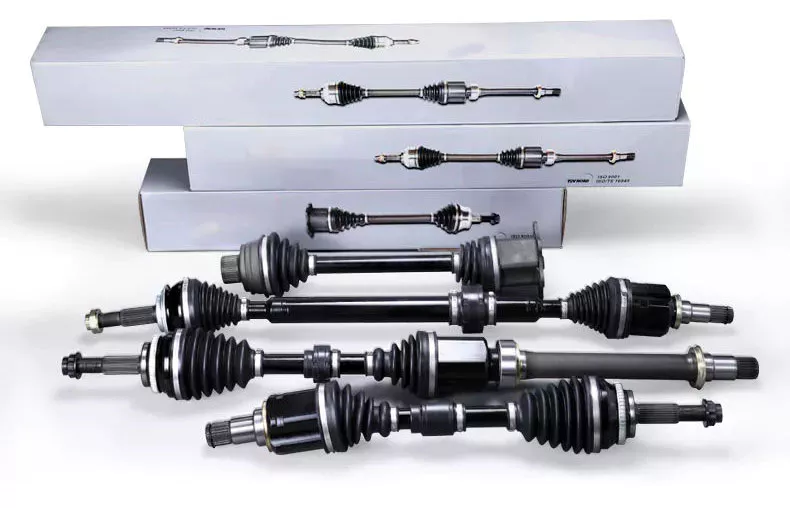
How do PTO shafts ensure efficient power transfer while maintaining safety?
PTO (Power Take-Off) shafts play a crucial role in ensuring efficient power transfer from a power source to driven machinery or equipment, while also maintaining safety. These shafts are designed with various features and mechanisms to optimize power transmission efficiency and mitigate potential hazards. Here’s a detailed explanation of how PTO shafts achieve efficient power transfer while prioritizing safety:
1. Mechanical Power Transmission: PTO shafts serve as mechanical linkages between the power source, typically a tractor or engine, and the driven machinery. They transmit rotational power from the power source to the equipment, enabling efficient transfer of energy. The mechanical design of PTO shafts, including their diameter, length, and material composition, is optimized to minimize power losses during transmission, ensuring that a significant portion of the power generated by the source is effectively delivered to the machinery.
2. Universal Joints and Flexible Couplings: PTO shafts are equipped with universal joints and flexible couplings that allow for angular misalignment and flexibility in movement. Universal joints accommodate variations in the alignment between the power source and the driven machinery, enabling smooth power transfer even when the two components are not perfectly aligned. Flexible couplings help to compensate for slight misalignments, reduce vibration, and prevent excessive stress on the shaft and connected components, thereby enhancing efficiency and reducing the risk of mechanical failure or damage.
3. Constant Velocity (CV) Joints: CV joints are often used in PTO shafts to maintain constant speed and torque transfer, particularly in applications where the driven machinery requires flexibility or operates at different angles. CV joints allow for smooth power transmission without significant fluctuations, even when the driven machinery is at an angle relative to the power source. By minimizing speed variations and power loss due to changing angles, CV joints contribute to efficient power transfer while ensuring consistent performance and reducing the likelihood of mechanical stress or premature wear.
4. Safety Guards and Shields: Safety is a paramount consideration in the design of PTO shafts. Protective guards and shields are installed to cover the rotating shaft and other moving parts. These guards act as physical barriers to prevent accidental contact with the rotating components, significantly reducing the risk of entanglement, injury, or damage. Safety guards are typically made of durable materials such as metal or plastic and are designed to allow the necessary movement for power transmission while providing adequate protection. Regular inspection and maintenance of these guards are crucial to ensure their effectiveness in maintaining safety.
5. Shear Bolt or Slip Clutch Mechanisms: PTO shafts often incorporate shear bolt or slip clutch mechanisms as safety features to protect the driveline components and prevent damage in case of excessive torque or sudden resistance. Shear bolts are designed to shear or break when the torque exceeds a predetermined threshold, disconnecting the PTO shaft from the power source. This helps prevent damage to the shaft, driven machinery, and power source. Slip clutches work similarly by allowing the PTO shaft to slip when excessive resistance is encountered, protecting the components from overload. These mechanisms act as safety measures to maintain the integrity of the PTO shaft and associated equipment while minimizing the risk of mechanical failures or accidents.
6. Compliance with Safety Standards: PTO shafts are designed and manufactured to comply with relevant safety standards and regulations. Manufacturers follow guidelines and requirements set by organizations such as the American Society of Agricultural and Biological Engineers (ASABE) or other regional safety authorities. Compliance with these standards ensures that PTO shafts meet specific safety criteria, including torque capacity, guard design, and other safety considerations. Users can rely on standardized PTO shafts that have undergone testing and certification, providing an additional layer of assurance regarding their safety and performance.
7. Operator Education and Training: To ensure safe and efficient operation, it is essential for operators to receive proper education and training on PTO shafts. Operators should be familiar with the specific safety features, maintenance requirements, and safe operating procedures for the PTO shafts used in their applications. This includes understanding the importance of using appropriate personal protective equipment, regularly inspecting the equipment for wear or damage, and following recommended maintenance schedules. Operator awareness and adherence to safety protocols significantly contribute to maintaining a safe working environment and maximizing the efficiency of power transfer.
In summary, PTO shafts ensure efficient power transfer while maintaining safety through their mechanical design, incorporation of universal joints and CV joints, installation of safety guards and shields, implementation of shear bolt or slip clutch mechanisms, compliance with safety standards, and operator education. By combining these features and practices, PTO shafts provide reliable and secure power transmission, minimizing power losses and potential risks associated with their operation.

เพลา PTO รับมือกับการเปลี่ยนแปลงของภาระและแรงบิดระหว่างการทำงานได้อย่างไร?
เพลา PTO (Power Take-Off) ถูกออกแบบมาเพื่อรับมือกับการเปลี่ยนแปลงของภาระและแรงบิดระหว่างการทำงาน โดยใช้กลไกและคุณสมบัติเฉพาะที่ช่วยให้การส่งกำลังมีประสิทธิภาพและป้องกันการโอเวอร์โหลด ต่อไปนี้คือคำอธิบายโดยละเอียดเกี่ยวกับวิธีการที่เพลา PTO รับมือกับการเปลี่ยนแปลงของภาระและแรงบิด:
1. การออกแบบทางกล: เพลา PTO ได้รับการออกแบบทางวิศวกรรมด้วยหลักการออกแบบทางกลที่แข็งแรงทนทาน ทำให้สามารถรับมือกับการเปลี่ยนแปลงของภาระและแรงบิดได้ โดยทั่วไปแล้วจะผลิตจากวัสดุที่มีความแข็งแรงสูง เช่น เหล็ก ซึ่งให้ความทนทานและต้านทานต่อแรงดัดหรือแรงบิด เส้นผ่านศูนย์กลาง ความหนาของผนัง และขนาดโดยรวมของเพลาได้รับการคำนวณอย่างรอบคอบเพื่อให้ทนต่อระดับแรงบิดและการเปลี่ยนแปลงของภาระที่คาดการณ์ไว้ การออกแบบทางกลของเพลา PTO ช่วยให้มั่นใจได้ว่าสามารถส่งกำลังได้อย่างน่าเชื่อถือและรองรับแรงไดนามิกที่เกิดขึ้นระหว่างการทำงาน
2. ข้อต่ออเนกประสงค์: ข้อต่ออเนกประสงค์เป็นส่วนประกอบสำคัญของเพลา PTO ที่ช่วยให้มีความยืดหยุ่นและชดเชยการเยื้องศูนย์ระหว่างแหล่งพลังงานและเครื่องจักรที่ขับเคลื่อน ข้อต่อเหล่านี้สามารถรองรับการเปลี่ยนแปลงในแนวมุม ซึ่งอาจเกิดขึ้นเนื่องจากการเปลี่ยนแปลงของภาระหรือการเคลื่อนที่ของเครื่องจักร ข้อต่ออเนกประสงค์ประกอบด้วยแอกรูปกากบาทที่มีตลับลูกปืนเข็มที่ช่วยให้การหมุนและการถ่ายโอนแรงบิดเป็นไปอย่างราบรื่น แม้ว่าเพลาจะไม่ตรงกันอย่างสมบูรณ์ก็ตาม การออกแบบข้อต่ออเนกประสงค์ช่วยให้เพลา PTO สามารถรับมือกับการเปลี่ยนแปลงของภาระและแรงบิดในขณะที่ยังคงรักษาการส่งกำลังที่สม่ำเสมอ
3. คลัตช์แบบสลิป: คลัตช์แบบสลิปมักถูกติดตั้งในเพลา PTO เพื่อป้องกันการโอเวอร์โหลด คลัตช์เหล่านี้ช่วยให้เพลา PTO สามารถลื่นหรือตัดการเชื่อมต่อได้ชั่วขณะเมื่อพบแรงบิดหรือแรงต้านที่มากเกินไป โดยทั่วไปแล้วคลัตช์แบบสลิปจะประกอบด้วยแผ่นเสียดทานที่สามารถปรับตั้งค่าแรงบิดได้ เมื่อแรงบิดเกินขีดจำกัดที่กำหนดไว้ คลัตช์จะลื่น ป้องกันความเสียหายต่อเพลา PTO และอุปกรณ์ที่เชื่อมต่อ คลัตช์แบบสลิปมีประโยชน์อย่างยิ่งเมื่อเกิดการเปลี่ยนแปลงของภาระหรือแรงบิดอย่างกะทันหัน โดยเป็นกลไกความปลอดภัยที่ช่วยปกป้องเพลา PTO และเครื่องจักรที่เกี่ยวข้อง
4. อุปกรณ์จำกัดแรงบิด: อุปกรณ์จำกัดแรงบิดเป็นอีกหนึ่งคุณสมบัติป้องกันที่พบในเพลา PTO บางประเภท อุปกรณ์เหล่านี้ได้รับการออกแบบมาเพื่อตัดการส่งกำลังโดยอัตโนมัติเมื่อแรงบิดเกินเกณฑ์ที่กำหนดไว้ อุปกรณ์จำกัดแรงบิดอาจเป็นแบบกลไก เช่น ข้อต่อแบบสลักเฉือนหรือคลัตช์เสียดทาน หรือแบบอิเล็กทรอนิกส์ โดยใช้เซ็นเซอร์และระบบควบคุม เมื่อแรงบิดเกินขีดจำกัดที่ตั้งไว้ อุปกรณ์จำกัดแรงบิดจะตัดการทำงาน ป้องกันการส่งกำลังต่อไปและปกป้องเพลา PTO จากสภาวะโอเวอร์โหลด อุปกรณ์จำกัดแรงบิดมีประสิทธิภาพในการจัดการกับแรงบิดที่เพิ่มขึ้นอย่างฉับพลันและปกป้องเพลา PTO และอุปกรณ์ที่เกี่ยวข้อง
5. การบำรุงรักษาและการตรวจสอบ: การบำรุงรักษาและการตรวจสอบเพลา PTO อย่างสม่ำเสมอเป็นสิ่งสำคัญเพื่อให้มั่นใจได้ว่าเพลาทำงานได้อย่างถูกต้องและสามารถรับมือกับการเปลี่ยนแปลงของภาระและแรงบิดได้ การบำรุงรักษาตามปกติประกอบด้วยการหล่อลื่นข้อต่ออเนกประสงค์ การตรวจสอบความสมบูรณ์ของเพลา และการขันน็อตให้แน่น การตรวจสอบอย่างสม่ำเสมอช่วยให้สามารถตรวจพบการสึกหรอ การเบี่ยงเบน หรือปัญหาอื่นๆ ที่อาจส่งผลต่อประสิทธิภาพของเพลา PTO ได้ตั้งแต่เนิ่นๆ การปฏิบัติตามข้อกำหนดด้านการบำรุงรักษาและการตรวจสอบจะช่วยให้ผู้ใช้งานสามารถระบุและแก้ไขปัญหาใดๆ ที่อาจเกิดขึ้นเนื่องจากการเปลี่ยนแปลงของภาระและแรงบิด ทำให้มั่นใจได้ว่าเพลา PTO จะทำงานได้อย่างปลอดภัยและมีประสิทธิภาพอย่างต่อเนื่อง
6. การรับรู้และการควบคุมของผู้ปฏิบัติงาน: ผู้ปฏิบัติงานมีบทบาทสำคัญในการจัดการความผันแปรของภาระและแรงบิดระหว่างการทำงานของเพลา PTO พวกเขาควรตระหนักถึงขีดจำกัดการทำงานของเครื่องจักร รวมถึงพิกัดแรงบิดและความสามารถในการรับภาระที่แนะนำของเพลา PTO การฝึกอบรมที่เหมาะสมและความเข้าใจในความสามารถของอุปกรณ์ช่วยให้ผู้ปฏิบัติงานสามารถตัดสินใจได้อย่างชาญฉลาดและปรับการทำงานเมื่อพบกับการเปลี่ยนแปลงของภาระหรือแรงบิดอย่างมีนัยสำคัญ ผู้ปฏิบัติงานควรเฝ้าระวังประสิทธิภาพของอุปกรณ์อย่างสม่ำเสมอ สังเกตสัญญาณของการสั่นสะเทือน เสียงดัง หรือสิ่งบ่งชี้อื่น ๆ ที่อาจแสดงถึงปัญหาที่เกี่ยวข้องกับความผันแปรของภาระและแรงบิด
ด้วยการออกแบบทางกลที่แข็งแรงทนทาน การใช้ข้อต่ออเนกประสงค์ คลัตช์กันลื่น ตัวจำกัดแรงบิด และการบำรุงรักษาที่เหมาะสม เพลา PTO จึงสามารถรับมือกับการเปลี่ยนแปลงของภาระและแรงบิดระหว่างการทำงานได้ คุณสมบัติเหล่านี้ช่วยให้การส่งกำลังมีความน่าเชื่อถือ ป้องกันการโอเวอร์โหลด และส่งเสริมการทำงานที่ปลอดภัยและมีประสิทธิภาพของเพลา PTO และเครื่องจักรที่ขับเคลื่อนด้วยเพลานั้น

How do PTO shafts contribute to transferring power from tractors to implements?
PTO shafts (Power Take-Off shafts) play a critical role in transferring power from tractors to implements in agricultural and industrial settings. They provide a reliable and efficient means of power transmission, enabling tractors to drive various implements and perform a wide range of tasks. Here’s a detailed explanation of how PTO shafts contribute to transferring power from tractors to implements:
แหล่งพลังงาน: Tractors are equipped with powerful engines designed to generate substantial amounts of mechanical power. This power is harnessed to drive the tractor’s wheels and operate hydraulic systems, as well as to provide power for the attachment of implements through the PTO shaft. The PTO shaft typically connects to the rear or side of the tractor, where the power take-off mechanism is located. The power take-off derives power directly from the tractor’s engine or transmission, allowing for efficient power transfer to the PTO shaft.
PTO Shaft Design: PTO shafts are designed as driveline components that transmit rotational power and torque from the tractor’s power take-off to the implement. They consist of a hollow metal tube with universal joints at each end. The universal joints accommodate angular misalignments and allow the PTO shaft to transmit power even when the tractor and implement are not perfectly aligned. The PTO shaft is also equipped with a safety shield or guard to prevent accidental contact with the rotating shaft, ensuring operator safety during operation.
PTO Engagement: To transfer power from the tractor to the implement, the PTO shaft needs to be engaged. Tractors are equipped with a PTO clutch mechanism that allows operators to engage or disengage the PTO shaft as needed. When the PTO clutch is engaged, power flows from the tractor’s engine through the power take-off mechanism and into the PTO shaft. This rotational power is then transmitted through the PTO shaft to the implement, driving its working components.
Rotational Power Transmission: The rotational power generated by the tractor’s engine is transferred to the PTO shaft through the power take-off mechanism. The PTO shaft, being directly connected to the power take-off, rotates at the same speed as the engine. This rotational power is then transmitted from the PTO shaft to the implement’s driveline or gearbox. The implement’s driveline, in turn, distributes the power to the implement’s working components, such as blades, augers, or pumps, enabling them to carry out their respective functions.
Matching Speed and Power: PTO shafts are designed to match the rotational speed and power requirements of various implements. Tractors often feature multiple speed settings for the PTO, allowing operators to select the appropriate speed for the specific implement being used. Different implements may require different rotational speeds to operate optimally, and the PTO shaft allows for easy adjustment to match those requirements. Additionally, the power generated by the tractor’s engine is transmitted through the PTO shaft, providing the necessary torque to drive the implement’s working components effectively.
Versatility and Efficiency: PTO shafts offer significant versatility and efficiency in agricultural and industrial operations. They allow tractors to power a wide range of implements, including mowers, balers, tillers, sprayers, and grain augers, among others. By connecting implements directly to the tractor’s power source, operators can quickly switch between tasks without the need for separate power generators or engines. This versatility and efficiency streamline workflow, reduce costs, and increase overall productivity in agricultural and industrial settings.
Safety Considerations: While PTO shafts are essential for power transmission, they can pose safety risks if mishandled. The rotating shaft and universal joints can cause severe injuries if operators come into contact with them while in operation. That’s why PTO shafts are equipped with safety shields or guards to prevent accidental contact. Operators should always ensure that the safety shields are in place and secure before engaging the PTO shaft. Proper training, adherence to safety guidelines, and regular maintenance of PTO shafts and associated safety features are crucial to ensuring safe operation.
In summary, PTO shafts are vital components that enable the transfer of power from tractors to implements in agricultural and industrial applications. They provide a reliable and efficient means of power transmission, allowing tractors to drive various implements and perform a wide range of tasks. By engaging the PTO clutch and transmitting rotational power through the PTO shaft, tractors power the working components of implements, providing versatility, efficiency, and productivity in agricultural and industrial operations.


editor by CX 2024-05-03