Descrição do produto
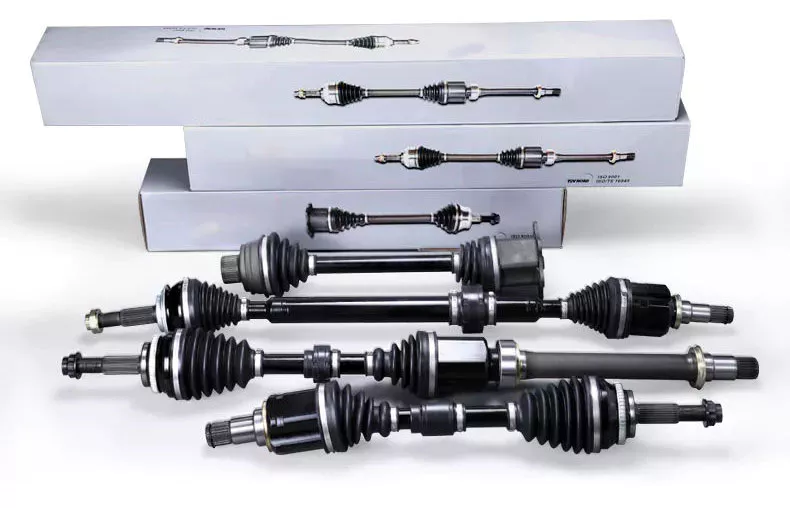
Agricultural Machinery Parts Tractor Truck Rotary Drive PTO Shaft Agriculture Machine Part
Descrição do produto
Our rotary PTO SHAFT is a powerful assistant in agricultural production, known for its high efficiency and durability. environment for CHINAMFG cultivation.
Product Features:
High strength materials: The PTO SHAFT is made of high-strength materials, which have excellent durability and fatigue resistance and can be used for a long time.
Efficient farming: PTO SHAFT Labor-saving and easy to operate: using a rotary tiller for land plowing is easy and labor-saving, easy to operate, and suitable for various terrains.
Easy maintenance: The PTO SHAFT has a simple structure, low maintenance cost, and long service life.
Strong adaptability: Suitable for various types of soil, whether in paddy fields, dry fields, or mountainous areas, it can demonstrate excellent performance.
Usage :
Choose the appropriate model of PTO SHAFT according to the land conditions.
Install the PTO SHAFT on agricultural machinery.
Start agricultural machinery and start plowing the land.
Precautions :
Please read the product manual carefully before use.
Please use this product under safe conditions.
This product is only used for agricultural tillage and cannot be used for other purposes.
Fotos detalhadas
Parâmetros do produto
GOOD QUALITY AGRICULTURE MACHINE ACCESSORY PROPRLLER SHAFT TRACTOR PARTS TRANSMISSION SHAFT DRIVE AXLE POWER DRIVE SHAFT PTO SHAFT
Embalagem e envio
Our Advantages
1. High quality steel raw materials, suitable hardness, not easy to break or deform.
2. Automatic temperature control system used on both heating treatment and tempering, to guaratee the products heated evenly, the outside and interior have uniform structure, so as to get longer work life.
3.Precise and high strength moulds get precise shaping during thermo-forming.
4. Special gas used in tempering, to make up the chemical elements which lost during heating treatment, to double the work life than normal technology, proprietary heat treatment technology designed and developed by JIELIKE.
5. The whole product body and shape has been adjusted precisely by mechanics to pass the balance test both in static and moving states.
6. Products use electrostatic painting or brand water-based paint, environment-protective, to get excellent surface and long time rust-protective. And drying process is added for liquid painting to improve the quality of the paint adhesion to blade surface.
7. Automatic shot peening surface treatment, excellent appearance.
8. Provide OEM & ODM Service.
9. Provide customized products.
After Sales Service
We provide comprehensive after-sales service, including product consultation, user guidance, repair and maintenance, etc. If you encounter any problems during use, please feel free to contact us at any time.
/* 22 de janeiro de 2571 19:08:37 */!function(){function s(e,r){var a,o={};try{e&&e.split(“”,).forEach(function(e,t){e&&(a=e.match(/(.*?):(.*)$/))&&1
| Tipo: | Haste |
|---|---|
| Uso: | Tillage |
| Material: | Aço carbono |
| Personalização: |
Disponível
| Solicitação personalizada |
|---|
.shipping-cost-tm .tm-status-off{background: none;padding:0;color: #1470cc}
| Custo do frete:
Frete estimado por unidade. |
sobre o custo do frete e o prazo estimado de entrega. |
|---|
| Método de pagamento: |
|
|---|---|
|
Pagamento inicial Pagamento integral |
| Moeda: | US$ |
|---|
| Devoluções e reembolsos: | Você pode solicitar um reembolso em até 30 dias após o recebimento dos produtos. |
|---|
Como os eixos da tomada de força (PTO) garantem a transferência eficiente de potência, mantendo a segurança?
Os eixos de tomada de força (PTO, do inglês Power Take-Off) desempenham um papel crucial para garantir a transferência eficiente de energia de uma fonte elétrica para máquinas ou equipamentos acionados, mantendo também a segurança. Esses eixos são projetados com diversos recursos e mecanismos para otimizar a eficiência da transmissão de energia e mitigar possíveis riscos. Aqui está uma explicação detalhada de como os eixos de tomada de força (PTO) alcançam a transferência eficiente de energia, priorizando a segurança:
1. Transmissão de Potência Mecânica: Os eixos da tomada de força (TDF) servem como ligações mecânicas entre a fonte de energia, normalmente um trator ou motor, e a máquina acionada. Eles transmitem a potência rotacional da fonte de energia para o equipamento, permitindo a transferência eficiente de energia. O projeto mecânico dos eixos da TDF, incluindo seu diâmetro, comprimento e composição do material, é otimizado para minimizar as perdas de potência durante a transmissão, garantindo que uma parcela significativa da potência gerada pela fonte seja efetivamente entregue à máquina.
2. Juntas universais e acoplamentos flexíveis: Os eixos da tomada de força (TDF) são equipados com juntas universais e acoplamentos flexíveis que permitem desalinhamento angular e flexibilidade de movimento. As juntas universais acomodam variações no alinhamento entre a fonte de energia e a máquina acionada, possibilitando uma transferência de potência suave mesmo quando os dois componentes não estão perfeitamente alinhados. Os acoplamentos flexíveis ajudam a compensar pequenos desalinhamentos, reduzem a vibração e evitam tensões excessivas no eixo e nos componentes conectados, aumentando assim a eficiência e reduzindo o risco de falhas ou danos mecânicos.
3. Juntas de Velocidade Constante (CV): As juntas homocinéticas são frequentemente utilizadas em eixos de tomada de força (TDF) para manter a velocidade e a transferência de torque constantes, principalmente em aplicações onde a máquina acionada requer flexibilidade ou opera em diferentes ângulos. As juntas homocinéticas permitem uma transmissão de potência suave, sem flutuações significativas, mesmo quando a máquina acionada está em um ângulo em relação à fonte de energia. Ao minimizar as variações de velocidade e a perda de potência devido à mudança de ângulos, as juntas homocinéticas contribuem para uma transferência de potência eficiente, garantindo um desempenho consistente e reduzindo a probabilidade de estresse mecânico ou desgaste prematuro.
4. Proteções e escudos de segurança: A segurança é uma consideração primordial no projeto de eixos de tomada de força (TDF). Proteções e escudos são instalados para cobrir o eixo rotativo e outras partes móveis. Essas proteções atuam como barreiras físicas para evitar o contato acidental com os componentes rotativos, reduzindo significativamente o risco de emaranhamento, ferimentos ou danos. As proteções de segurança são geralmente feitas de materiais duráveis, como metal ou plástico, e são projetadas para permitir o movimento necessário para a transmissão de potência, ao mesmo tempo que oferecem proteção adequada. A inspeção e a manutenção regulares dessas proteções são cruciais para garantir sua eficácia na manutenção da segurança.
5. Mecanismos de parafuso de cisalhamento ou embreagem deslizante: Os eixos da tomada de força (TDF) frequentemente incorporam mecanismos de parafuso de cisalhamento ou embreagem deslizante como recursos de segurança para proteger os componentes da transmissão e evitar danos em caso de torque excessivo ou resistência repentina. Os parafusos de cisalhamento são projetados para se romperem quando o torque excede um limite predeterminado, desconectando o eixo da TDF da fonte de energia. Isso ajuda a evitar danos ao eixo, à maquinaria acionada e à fonte de energia. As embreagens deslizantes funcionam de maneira semelhante, permitindo que o eixo da TDF deslize quando encontra resistência excessiva, protegendo os componentes contra sobrecarga. Esses mecanismos atuam como medidas de segurança para manter a integridade do eixo da TDF e dos equipamentos associados, minimizando o risco de falhas mecânicas ou acidentes.
6. Conformidade com as normas de segurança: Os eixos de tomada de força (TDF) são projetados e fabricados em conformidade com as normas e regulamentações de segurança relevantes. Os fabricantes seguem as diretrizes e os requisitos estabelecidos por organizações como a Sociedade Americana de Engenheiros Agrícolas e Biológicos (ASABE) ou outras autoridades regionais de segurança. A conformidade com essas normas garante que os eixos de TDF atendam a critérios de segurança específicos, incluindo capacidade de torque, projeto de proteção e outras considerações de segurança. Os usuários podem confiar em eixos de TDF padronizados que foram submetidos a testes e certificação, proporcionando uma camada adicional de garantia em relação à sua segurança e desempenho.
7. Educação e Treinamento do Operador: Para garantir uma operação segura e eficiente, é essencial que os operadores recebam treinamento e capacitação adequados sobre os eixos da tomada de força (TDF). Os operadores devem estar familiarizados com os recursos de segurança específicos, os requisitos de manutenção e os procedimentos operacionais seguros dos eixos da TDF utilizados em suas aplicações. Isso inclui compreender a importância do uso de equipamentos de proteção individual adequados, inspecionar regularmente o equipamento quanto a desgaste ou danos e seguir os cronogramas de manutenção recomendados. A conscientização e a adesão dos operadores aos protocolos de segurança contribuem significativamente para a manutenção de um ambiente de trabalho seguro e para a maximização da eficiência da transferência de potência.
Em resumo, os eixos de tomada de força (TDF) garantem a transferência eficiente de potência, mantendo a segurança por meio de seu projeto mecânico, incorporação de juntas universais e juntas homocinéticas, instalação de proteções e blindagens de segurança, implementação de mecanismos de parafuso de cisalhamento ou embreagem deslizante, conformidade com as normas de segurança e treinamento do operador. Ao combinar esses recursos e práticas, os eixos de TDF proporcionam uma transmissão de potência confiável e segura, minimizando as perdas de potência e os riscos potenciais associados à sua operação.

How do PTO shafts handle variations in load and torque during operation?
PTO (Power Take-Off) shafts are designed to handle variations in load and torque during operation by employing specific mechanisms and features that ensure efficient power transfer and protection against overload conditions. Here’s a detailed explanation of how PTO shafts handle variations in load and torque:
1. Mechanical Design: PTO shafts are engineered with robust mechanical design principles that enable them to handle variations in load and torque. They are typically constructed using high-strength materials such as steel, which provides durability and resistance to bending or twisting forces. The shaft’s diameter, wall thickness, and overall dimensions are carefully calculated to withstand the expected torque levels and load variations. The mechanical design of the PTO shaft ensures that it can transmit power reliably and accommodate the dynamic forces encountered during operation.
2. Universal Joints: Universal joints are a key component of PTO shafts that allow for flexibility and compensation of misalignment between the power source and driven machinery. These joints can accommodate variations in angular alignment, which may occur due to changes in load or movement of the machinery. Universal joints consist of a cross-shaped yoke with needle bearings that allow for smooth rotation and transfer of torque, even when the shafts are not perfectly aligned. The design of universal joints enables PTO shafts to handle variations in load and torque while maintaining consistent power transmission.
3. Slip Clutches: Slip clutches are often incorporated into PTO shafts to provide overload protection. These clutches allow the PTO shaft to slip or disengage momentarily when excessive torque or resistance is encountered. Slip clutches typically consist of friction plates that can be adjusted to a specific torque setting. When the torque surpasses the predetermined limit, the clutch slips, preventing damage to the PTO shaft and connected equipment. Slip clutches are particularly useful when sudden changes in load or torque occur, providing a safety mechanism to protect the PTO shaft and associated machinery.
4. Torque Limiters: Torque limiters are another protective feature found in some PTO shafts. These devices are designed to automatically disengage the power transmission when a predetermined torque threshold is exceeded. Torque limiters can be mechanical, such as shear pin couplings or friction clutches, or electronic, utilizing sensors and control systems. When the torque exceeds the set limit, the torque limiter disengages, preventing further power transfer and protecting the PTO shaft from overload conditions. Torque limiters are effective in handling sudden spikes in torque and safeguarding the PTO shaft and associated equipment.
5. Maintenance and Inspection: Regular maintenance and inspection of PTO shafts are essential to ensure their proper functioning and ability to handle variations in load and torque. Routine maintenance includes lubrication of universal joints, inspection of shaft integrity, and tightening of fasteners. Regular inspections allow for early detection of wear, misalignment, or other issues that may affect the PTO shaft’s performance. By addressing maintenance and inspection requirements, operators can identify and address any concerns that may arise due to variations in load and torque, ensuring the continued safe and efficient operation of the PTO shaft.
6. Operator Awareness and Control: Operators play a crucial role in managing variations in load and torque during PTO shaft operation. They should be aware of the machinery’s operational limits, including the recommended torque ratings and load capacities of the PTO shaft. Proper training and understanding of the equipment’s capabilities enable operators to make informed decisions and adjust the operation when encountering significant load or torque changes. Operators should also be vigilant in monitoring the equipment’s performance, watching for any signs of excessive vibration, noise, or other indications of potential issues related to load and torque variations.
By incorporating robust mechanical design, utilizing universal joints, slip clutches, torque limiters, and implementing proper maintenance practices, PTO shafts are equipped to handle variations in load and torque during operation. These features ensure reliable power transmission, protect against overload conditions, and contribute to the safe and efficient functioning of the PTO shaft and the machinery it drives.

How do PTO shafts contribute to transferring power from tractors to implements?
PTO shafts (Power Take-Off shafts) play a critical role in transferring power from tractors to implements in agricultural and industrial settings. They provide a reliable and efficient means of power transmission, enabling tractors to drive various implements and perform a wide range of tasks. Here’s a detailed explanation of how PTO shafts contribute to transferring power from tractors to implements:
Fonte de alimentação: Tractors are equipped with powerful engines designed to generate substantial amounts of mechanical power. This power is harnessed to drive the tractor’s wheels and operate hydraulic systems, as well as to provide power for the attachment of implements through the PTO shaft. The PTO shaft typically connects to the rear or side of the tractor, where the power take-off mechanism is located. The power take-off derives power directly from the tractor’s engine or transmission, allowing for efficient power transfer to the PTO shaft.
PTO Shaft Design: PTO shafts are designed as driveline components that transmit rotational power and torque from the tractor’s power take-off to the implement. They consist of a hollow metal tube with universal joints at each end. The universal joints accommodate angular misalignments and allow the PTO shaft to transmit power even when the tractor and implement are not perfectly aligned. The PTO shaft is also equipped with a safety shield or guard to prevent accidental contact with the rotating shaft, ensuring operator safety during operation.
PTO Engagement: To transfer power from the tractor to the implement, the PTO shaft needs to be engaged. Tractors are equipped with a PTO clutch mechanism that allows operators to engage or disengage the PTO shaft as needed. When the PTO clutch is engaged, power flows from the tractor’s engine through the power take-off mechanism and into the PTO shaft. This rotational power is then transmitted through the PTO shaft to the implement, driving its working components.
Rotational Power Transmission: The rotational power generated by the tractor’s engine is transferred to the PTO shaft through the power take-off mechanism. The PTO shaft, being directly connected to the power take-off, rotates at the same speed as the engine. This rotational power is then transmitted from the PTO shaft to the implement’s driveline or gearbox. The implement’s driveline, in turn, distributes the power to the implement’s working components, such as blades, augers, or pumps, enabling them to carry out their respective functions.
Matching Speed and Power: PTO shafts are designed to match the rotational speed and power requirements of various implements. Tractors often feature multiple speed settings for the PTO, allowing operators to select the appropriate speed for the specific implement being used. Different implements may require different rotational speeds to operate optimally, and the PTO shaft allows for easy adjustment to match those requirements. Additionally, the power generated by the tractor’s engine is transmitted through the PTO shaft, providing the necessary torque to drive the implement’s working components effectively.
Versatility and Efficiency: PTO shafts offer significant versatility and efficiency in agricultural and industrial operations. They allow tractors to power a wide range of implements, including mowers, balers, tillers, sprayers, and grain augers, among others. By connecting implements directly to the tractor’s power source, operators can quickly switch between tasks without the need for separate power generators or engines. This versatility and efficiency streamline workflow, reduce costs, and increase overall productivity in agricultural and industrial settings.
Safety Considerations: While PTO shafts are essential for power transmission, they can pose safety risks if mishandled. The rotating shaft and universal joints can cause severe injuries if operators come into contact with them while in operation. That’s why PTO shafts are equipped with safety shields or guards to prevent accidental contact. Operators should always ensure that the safety shields are in place and secure before engaging the PTO shaft. Proper training, adherence to safety guidelines, and regular maintenance of PTO shafts and associated safety features are crucial to ensuring safe operation.
In summary, PTO shafts are vital components that enable the transfer of power from tractors to implements in agricultural and industrial applications. They provide a reliable and efficient means of power transmission, allowing tractors to drive various implements and perform a wide range of tasks. By engaging the PTO clutch and transmitting rotational power through the PTO shaft, tractors power the working components of implements, providing versatility, efficiency, and productivity in agricultural and industrial operations.


editor by CX 2024-05-03