Mô tả sản phẩm
OEM ODM Cardan Transmission Tractor Parts Pto Drive Shaft for Agriculture Machinery
1. Tubes or Pipes
We’ve already got Triangular profile tube and Lemon profile tube for all the series we provide.
And we have some star tube, splined tube and other profile tubes required by our customers (for a certain series). (Please notice that our catalog doesnt contain all the items we produce)
If you want tubes other than triangular or lemon, please provide drawings or pictures.
2.End yokes
We’ve got several types of quick release yokes and plain bore yoke. I will suggest the usual type for your reference.
You can also send drawings or pictures to us if you cannot find your item in our catalog.
3. Safety devices or clutches
I will attach the details of safety devices for your reference. We’ve already have Free wheel (RA), Ratchet torque limiter(SA), Shear bolt torque limiter(SB), 3types of friction torque limiter (FF,FFS,FCS) and overrunning couplers(adapters) (FAS).
4.For any other more special requirements with plastic guard, connection method, color of painting, package, etc., please feel free to let me know.
Features:
1. We have been specialized in designing, manufacturing drive shaft, steering coupler shaft, universal joints, which have exported to the USA, Europe, Australia etc for years
2. Application to all kinds of general mechanical situation
3. Our products are of high intensity and rigidity.
4. Heat resistant & Acid resistant
5. OEM orders are welcomed
Our factory is a leading manufacturer of PTO shaft yoke and universal joint.
We manufacture high quality PTO yokes for various vehicles, construction machinery and equipment. All products are constructed with rotating lighter.
We are currently exporting our products throughout the world, especially to North America, South America, Europe, and Russia. If you are interested in any item, please do not hesitate to contact us. We are looking CHINAMFG to becoming your suppliers in the near future.
/* Ngày 22 tháng 1 năm 2571 19:08:37 */!function(){function s(e,r){var a,o={};try{e&&e.split(“,”).forEach(function(e,t){e&&(a=e.match(/(.*?):(.*)$/))&&1
| Kiểu: | Fork |
|---|---|
| Cách sử dụng: | Agricultural Products Processing, Farmland Infrastructure, Tillage, Harvester, Planting and Fertilization, Grain Threshing, Cleaning and Drying |
| Vật liệu: | Carbon Steel |
| Nguồn điện: | Pto Shaft Tube |
| Transport Package: | Standard Sea Worthy Package |
| Specification: | ISO |
| Tùy chỉnh: |
Có sẵn
| Yêu cầu tùy chỉnh |
|---|
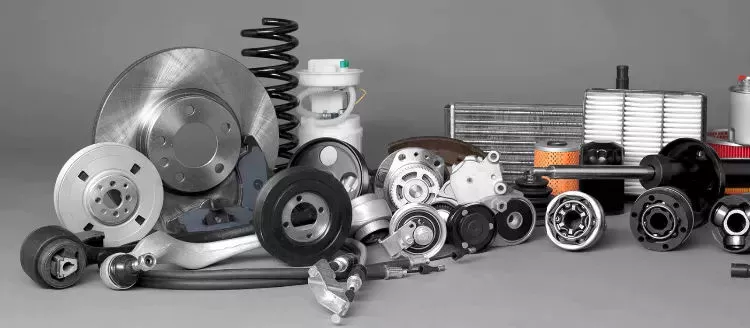
What maintenance practices are essential for prolonging the lifespan of PTO shafts?
Maintaining proper care and performing regular maintenance on Power Take-Off (PTO) shafts is crucial for prolonging their lifespan and ensuring optimal performance. By following essential maintenance practices, you can prevent premature wear, identify potential issues early on, and maximize the longevity of your PTO shafts. Here are some key maintenance practices to consider:
1. Regular Inspection: Perform routine visual inspections of the PTO shaft to check for any signs of damage, wear, or misalignment. Look for cracks, dents, bent sections, or loose components. Inspect the universal joints, coupling mechanisms, protective guards, and other associated parts. Pay attention to any unusual noises, vibrations, or changes in performance, as these can indicate underlying issues that require attention.
2. Lubrication: Proper lubrication is essential for the smooth operation and longevity of PTO shafts. Follow the manufacturer’s recommendations regarding lubrication intervals and use the recommended lubricant type. Apply lubrication to the universal joints, CV joints (if applicable), and other moving parts as specified. Regularly check for adequate lubricant levels and replenish if necessary. Ensure that the lubricant used is compatible with the shaft material and does not attract dirt or debris that could cause abrasion or damage.
3. Cleaning: Keep the PTO shaft clean and free from dirt, debris, and other contaminants. Regularly remove any accumulated dirt, grease, or residue using a brush or compressed air. Be particularly diligent in cleaning the universal joints and areas where the shaft connects to other components. Cleaning prevents the buildup of abrasive particles that can accelerate wear and compromise the shaft’s performance.
4. Guard Inspection and Maintenance: Check the protective guards and shields regularly to ensure they are securely in place and free from damage. Guards play a critical role in preventing accidental contact with the rotating shaft and minimizing the risk of injury. Repair or replace any damaged or missing guards promptly. Ensure that the guards are correctly aligned and provide sufficient coverage for all moving parts of the PTO shaft.
5. Torque and Fastener Checks: Periodically inspect and check the torque of fasteners, such as bolts and nuts, that secure the PTO shaft and associated components. Over time, vibration and normal operation can loosen these fasteners, compromising the integrity of the shaft. Use the appropriate torque specifications provided by the manufacturer to ensure proper tightening. Regularly verify the tightness of fasteners and retighten as necessary.
6. Shear Bolt or Slip Clutch Maintenance: If your PTO shaft incorporates shear bolt or slip clutch mechanisms, ensure they are functioning correctly. Inspect the shear bolts for signs of wear or damage, and replace them when necessary. Check the slip clutch for proper adjustment and smooth operation. Follow the manufacturer’s recommendations regarding maintenance and adjustment of these safety mechanisms to ensure their effectiveness in protecting the driveline components.
7. Proper Storage: When the PTO shaft is not in use, store it in a clean and dry environment. Protect the shaft from exposure to moisture, extreme temperatures, and corrosive substances. If possible, store the shaft in a vertical position to prevent bending or distortion. Consider using protective covers or cases to shield the shaft from dust, dirt, and other potential sources of damage.
8. Operator Training: Provide proper training to operators on the correct operation, maintenance, and safety procedures related to the PTO shafts. Educate them about the importance of regular inspections, lubrication, and adherence to recommended maintenance practices. Encourage operators to report any abnormalities or concerns promptly to prevent further damage and ensure timely repairs or adjustments.
9. Manufacturer and Expert Guidance: Consult the manufacturer’s guidelines and recommendations regarding maintenance practices specific to your PTO shaft model. Additionally, seek advice from experts or authorized service technicians who are knowledgeable about PTO shaft maintenance. They can provide valuable insights and assistance in implementing the best maintenance practices for your specific PTO shafts.
By following these maintenance practices, you can extend the lifespan of your PTO shafts, optimize their performance, and reduce the likelihood of unexpected failures or costly repairs. Regular inspections, lubrication, cleaning, guard maintenance, torque checks, and proper storage are all essential in ensuring the longevity and reliability of your PTO shafts.
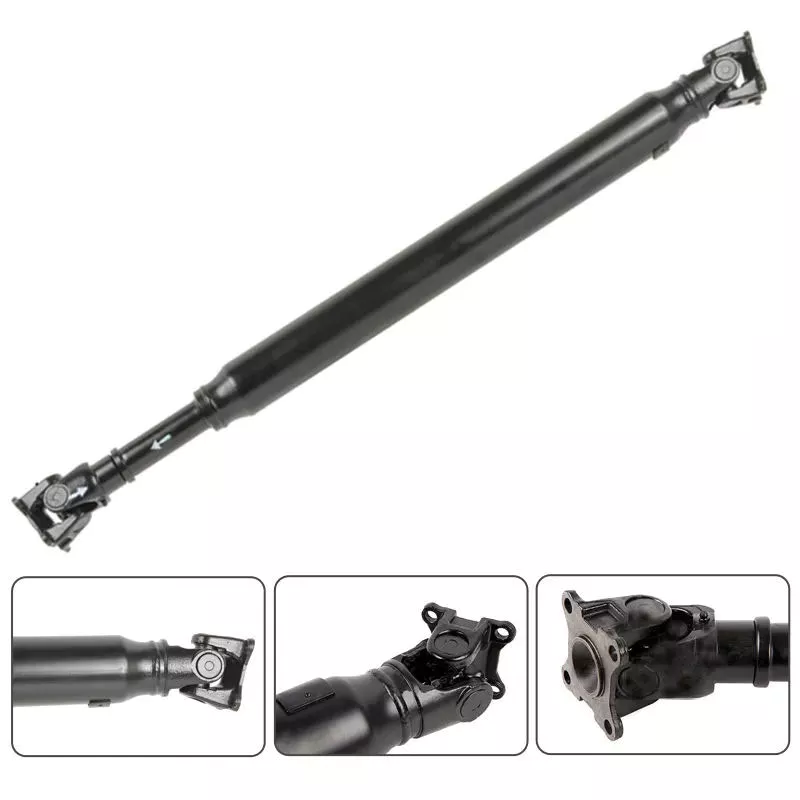
Are there any limitations or disadvantages associated with PTO shafts?
While PTO (Power Take-Off) shafts offer numerous advantages in terms of power transfer and versatility, they also have certain limitations and disadvantages. It’s important to consider these factors when using PTO shafts to ensure safe and efficient operation. Here’s a detailed explanation of some limitations and disadvantages associated with PTO shafts:
1. Safety Hazards: One of the primary concerns with PTO shafts is the potential for safety hazards. PTO shafts rotate at high speeds and can pose a significant risk if not properly guarded or handled. Accidental contact with an exposed or inadequately shielded PTO shaft can result in severe injuries, including entanglement, amputation, or even fatalities. It is crucial to follow safety guidelines, implement proper guarding, and ensure that operators are well-trained on safe handling practices to mitigate these risks.
2. Maintenance and Lubrication: PTO shafts require regular maintenance and lubrication to ensure optimal performance and longevity. The moving parts, such as universal joints and splines, need to be inspected, cleaned, and lubricated at recommended intervals. Neglecting maintenance can lead to premature wear, decreased efficiency, and potential failures. Proper maintenance practices, including regular inspections and timely lubrication, are essential to mitigate these issues.
3. Alignment and Angles: PTO shafts rely on proper alignment and angles to ensure efficient power transfer. Misalignment or excessive angles between the power source and driven machinery can cause increased wear and strain on the components, leading to premature failure. Ensuring proper alignment and angle adjustment, using adjustable sliding yokes or other means, is important to prevent excessive stress on the PTO shaft and associated equipment.
4. Length Limitations: PTO shafts have limitations on their maximum and minimum length due to engineering constraints. The telescoping design allows for some adjustment, but there is a practical limit to how much the shaft can extend or retract. If the distance between the power source and driven machinery exceeds the maximum or falls below the minimum length of the PTO shaft, alternative solutions or modifications may be required. In some cases, additional components such as drive shaft extensions or gearboxes may be necessary to bridge the distance.
5. Compatibility: While manufacturers strive to ensure compatibility, there can still be challenges in finding the right PTO shaft for specific equipment configurations. Equipment may have unique requirements in terms of spline sizes, torque ratings, or connection methods that may not be readily available or compatible with off-the-shelf PTO shafts. Customization may be required to address these compatibility issues, which can result in increased costs or lead times.
6. Noise and Vibrations: PTO shafts in operation can generate significant noise and vibrations, especially at higher speeds. This can be a nuisance for operators and may require additional measures to reduce noise levels or dampen vibrations. Excessive vibrations can also affect the overall performance and lifespan of the PTO shaft and connected equipment. Implementing vibration dampeners or using flexible couplings can help mitigate these issues.
7. Power Limits: PTO shafts have specific power limits based on their design, materials, and components. Exceeding these power limits can lead to premature wear, component failures, or even shaft breakage. It is crucial to understand and adhere to the recommended power ratings for PTO shafts to ensure safe and reliable operation. In some cases, upgrading to a higher-capacity PTO shaft or implementing additional power transmission components may be necessary to accommodate higher power requirements.
8. Complex Installation and Removal: Installing and removing PTO shafts can be a complex process, especially in confined spaces or when dealing with heavy equipment. It may require aligning splines, engaging couplings, and securing locking mechanisms. Improper installation or removal techniques can lead to damage to the shaft or associated equipment. Proper training, handling equipment, and following manufacturer guidelines are essential to simplify and ensure the safe installation and removal of PTO shafts.
Despite these limitations and disadvantages, PTO shafts remain widely used and valuable components for power transfer in various industries. By addressing these considerations and implementing proper safety measures, maintenance practices, and alignment procedures, the potential drawbacks of PTO shafts can be effectively mitigated, allowing for safe and efficient operation.

Bạn có thể giải thích các loại trục PTO khác nhau và ứng dụng của chúng không?
Trục PTO (trục truyền động) có nhiều loại khác nhau, mỗi loại được thiết kế cho các ứng dụng và yêu cầu cụ thể. Các loại trục PTO khác nhau mang lại tính linh hoạt và khả năng tương thích với nhiều loại máy móc và thiết bị. Dưới đây là giải thích về các loại trục PTO phổ biến nhất và ứng dụng của chúng:
1. Trục PTO tiêu chuẩn: Trục PTO tiêu chuẩn, còn được gọi là trục có khía, là loại phổ biến nhất được sử dụng trong máy móc nông nghiệp và công nghiệp. Nó bao gồm một trục thép đặc có các khía hoặc rãnh dọc theo chiều dài. Trục PTO tiêu chuẩn thường có sáu khía, mặc dù cũng có thể tìm thấy các biến thể với bốn hoặc tám khía. Loại trục PTO này được sử dụng rộng rãi trong máy kéo và nhiều loại thiết bị nông nghiệp khác nhau, bao gồm máy cắt cỏ, máy đóng kiện, máy xới đất và máy cắt quay. Các khía tạo ra kết nối chắc chắn giữa nguồn điện và máy móc được dẫn động, đảm bảo truyền tải điện năng hiệu quả.
2. Bu lông cắt trục PTO: Trục PTO kiểu bu lông cắt được thiết kế với tính năng an toàn cho phép trục tự tách rời trong trường hợp quá tải hoặc va chạm đột ngột để bảo vệ các bộ phận truyền động. Các trục PTO này tích hợp cơ cấu bu lông cắt kết nối bộ phận truyền động của máy kéo với máy móc được dẫn động. Trong trường hợp tải trọng quá mức hoặc lực cản đột ngột, bu lông cắt được thiết kế để gãy, ngắt kết nối trục PTO và ngăn ngừa hư hỏng cho hệ thống truyền động. Trục PTO kiểu bu lông cắt thường được sử dụng trong các thiết bị có thể gặp phải vật cản đột ngột hoặc tình huống chịu tải cao, chẳng hạn như máy băm gỗ, máy nghiền gốc cây và máy cắt quay hạng nặng.
3. Trục PTO ly hợp ma sát: Trục PTO ly hợp ma sát có cơ cấu ly hợp cho phép truyền động mượt mà và ăn khớp. Các trục PTO này thường bao gồm một đĩa ma sát và một tấm ép, tương tự như hệ thống ly hợp truyền thống trên ô tô. Ly hợp ma sát cho phép người vận hành truyền động từ từ, giảm tải trọng đột ngột và giảm thiểu mài mòn các bộ phận truyền động. Trục PTO ly hợp ma sát thường được sử dụng trong các ứng dụng yêu cầu điều khiển chính xác việc truyền động, chẳng hạn như trong bơm thủy lực, máy phát điện và máy trộn công nghiệp.
4. Trục PTO vận tốc không đổi (CV): Trục truyền động PTO vận tốc không đổi (CV), còn được gọi là trục đồng động, được thiết kế để chịu được góc lệch lớn mà không ảnh hưởng đến việc truyền tải công suất. Chúng sử dụng cơ cấu khớp nối vạn năng cho phép truyền tải công suất trơn tru ngay cả khi máy móc được dẫn động ở một góc so với nguồn năng lượng. Trục truyền động PTO CV thường được sử dụng trong các ứng dụng mà máy móc yêu cầu phạm vi chuyển động hoặc khớp nối đáng kể, chẳng hạn như trong máy xúc lật khớp nối, máy nâng cần trục và máy phun thuốc tự hành.
5. Trục PTO dạng ống lồng: Trục PTO dạng ống lồng có thể điều chỉnh độ dài, cho phép linh hoạt trong cấu hình thiết bị và khoảng cách khác nhau giữa nguồn điện và máy móc được dẫn động. Chúng bao gồm hai hoặc nhiều trục đồng tâm trượt vào nhau, cho phép kéo dài hoặc thu ngắn trục PTO khi cần thiết. Trục PTO dạng ống lồng thường được sử dụng trong các ứng dụng mà khoảng cách giữa bộ phận truyền động của máy kéo và thiết bị nông nghiệp thay đổi, chẳng hạn như trong các thiết bị gắn phía trước, máy thổi tuyết và xe tự hành. Thiết kế dạng ống lồng cho phép dễ dàng thích ứng với các cấu hình thiết bị khác nhau và giảm thiểu nguy cơ trục PTO bị kéo lê trên mặt đất.
6. Trục truyền động PTO của hộp số: Trục PTO hộp số được thiết kế để điều chỉnh việc truyền tải công suất giữa các tốc độ hoặc hướng quay khác nhau. Chúng tích hợp cơ cấu hộp số cho phép giảm hoặc tăng tốc độ, cũng như khả năng thay đổi hướng quay. Trục PTO hộp số thường được sử dụng trong các ứng dụng mà máy móc được dẫn động yêu cầu tốc độ hoặc hướng quay khác với trục PTO của máy kéo. Ví dụ bao gồm máy khoan ngũ cốc, máy trộn thức ăn chăn nuôi và thiết bị công nghiệp yêu cầu tỷ số truyền tốc độ cụ thể hoặc khả năng đảo chiều.
Cần lưu ý rằng tính sẵn có và các ứng dụng cụ thể của các loại trục PTO có thể khác nhau tùy thuộc vào các yếu tố khu vực và ngành nghề cụ thể. Ngoài ra, một số máy móc hoặc thiết bị có thể yêu cầu các trục PTO chuyên dụng hoặc tùy chỉnh để đáp ứng các yêu cầu cụ thể.
Tóm lại, các loại trục PTO khác nhau, như trục tiêu chuẩn, trục bu lông cắt, trục ly hợp ma sát, trục tốc độ không đổi (CV), trục dạng ống lồng và trục hộp số, mang lại tính linh hoạt và khả năng tương thích với nhiều loại máy móc và thiết bị. Mỗi loại trục PTO được thiết kế để đáp ứng các nhu cầu cụ thể, chẳng hạn như hiệu suất truyền tải điện năng, an toàn, khả năng khớp nối mượt mà, khả năng chịu sai lệch, khả năng thích ứng và điều chỉnh tốc độ/hướng. Hiểu rõ các loại trục PTO khác nhau và ứng dụng của chúng là rất quan trọng để lựa chọn trục phù hợp cho máy móc dự định và đảm bảo hiệu suất và độ tin cậy tối ưu.

editor by CX 2024-05-06