Deskripsi Produk
OEM ODM Cardan Transmission Tractor Parts Pto Drive Shaft for Agriculture Machinery
1. Tabung atau Pipa
Kami sudah memiliki pipa profil segitiga dan pipa profil lemon untuk semua seri yang kami sediakan.
Dan kami memiliki beberapa tabung bintang, tabung beralur, dan tabung profil lainnya yang dibutuhkan oleh pelanggan kami (untuk seri tertentu). (Harap diperhatikan bahwa katalog kami tidak berisi semua item yang kami produksi)
Jika Anda menginginkan tabung selain yang berbentuk segitiga atau seperti buah lemon, harap berikan gambar atau fotonya.
2. Pengikat ujung
Kami memiliki beberapa jenis dudukan lepas cepat dan dudukan lubang polos. Saya akan menyarankan jenis yang umum untuk referensi Anda.
Anda juga dapat mengirimkan gambar atau foto kepada kami jika Anda tidak dapat menemukan barang yang Anda cari di katalog kami.
3. Perangkat pengaman atau kopling
Saya akan melampirkan detail perangkat keselamatan untuk referensi Anda. Kami sudah memiliki roda bebas (RA), pembatas torsi ratchet (SA), pembatas torsi baut geser (SB), 3 jenis pembatas torsi gesekan (FF, FFS, FCS) dan kopling (adapter) overrunning (FAS).
4. Untuk persyaratan khusus lainnya terkait pelindung plastik, metode penyambungan, warna cat, kemasan, dll., silakan beri tahu saya.
Fitur:
1. Kami telah berspesialisasi dalam mendesain dan memproduksi poros penggerak, poros kopling kemudi, dan sambungan universal, yang telah diekspor ke AS, Eropa, Australia, dan negara-negara lain selama bertahun-tahun.
2. Penerapan pada semua jenis situasi mekanik umum
3. Produk kami memiliki intensitas dan kekakuan yang tinggi.
4. Tahan panas & tahan asam
5. Pesanan OEM diterima.
Pabrik kami adalah produsen terkemuka untuk dudukan poros PTO dan sambungan universal.
Kami memproduksi dudukan PTO berkualitas tinggi untuk berbagai kendaraan, mesin konstruksi, dan peralatan. Semua produk dibuat dengan pemantik putar.
Saat ini kami mengekspor produk kami ke seluruh dunia, terutama ke Amerika Utara, Amerika Selatan, Eropa, dan Rusia. Jika Anda tertarik pada barang apa pun, jangan ragu untuk menghubungi kami. Kami berharap CHINAMFG dapat menjadi pemasok Anda dalam waktu dekat.
/* 22 Januari 2571 19:08:37 */!function(){function s(e,r){var a,o={};try{e&&e.split(“,”).forEach(function(e,t){e&&(a=e.match(/(.*?):(.*)$/))&&1
| Jenis: | Garpu |
|---|---|
| Penggunaan: | Pengolahan Produk Pertanian, Infrastruktur Lahan Pertanian, Pengolahan Tanah, Mesin Pemanen, Penanaman dan Pemupukan, Penggilingan, Pembersihan dan Pengeringan Biji-bijian |
| Bahan: | Baja Karbon |
| Power Source: | Pto Shaft Tube |
| Transport Package: | Standard Sea Worthy Package |
| Specification: | ISO |
| Kustomisasi: |
Tersedia
| Permintaan Khusus |
|---|
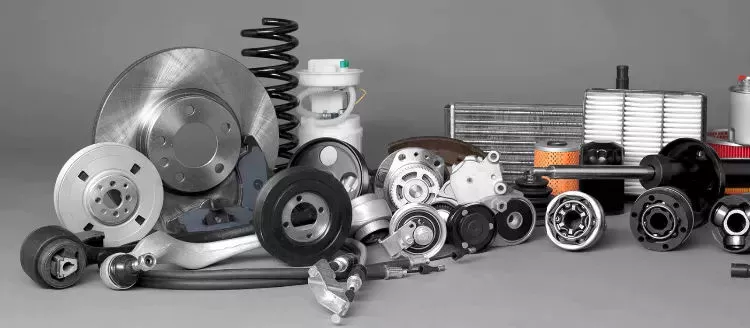
What maintenance practices are essential for prolonging the lifespan of PTO shafts?
Maintaining proper care and performing regular maintenance on Power Take-Off (PTO) shafts is crucial for prolonging their lifespan and ensuring optimal performance. By following essential maintenance practices, you can prevent premature wear, identify potential issues early on, and maximize the longevity of your PTO shafts. Here are some key maintenance practices to consider:
1. Regular Inspection: Perform routine visual inspections of the PTO shaft to check for any signs of damage, wear, or misalignment. Look for cracks, dents, bent sections, or loose components. Inspect the universal joints, coupling mechanisms, protective guards, and other associated parts. Pay attention to any unusual noises, vibrations, or changes in performance, as these can indicate underlying issues that require attention.
2. Lubrication: Proper lubrication is essential for the smooth operation and longevity of PTO shafts. Follow the manufacturer’s recommendations regarding lubrication intervals and use the recommended lubricant type. Apply lubrication to the universal joints, CV joints (if applicable), and other moving parts as specified. Regularly check for adequate lubricant levels and replenish if necessary. Ensure that the lubricant used is compatible with the shaft material and does not attract dirt or debris that could cause abrasion or damage.
3. Cleaning: Keep the PTO shaft clean and free from dirt, debris, and other contaminants. Regularly remove any accumulated dirt, grease, or residue using a brush or compressed air. Be particularly diligent in cleaning the universal joints and areas where the shaft connects to other components. Cleaning prevents the buildup of abrasive particles that can accelerate wear and compromise the shaft’s performance.
4. Guard Inspection and Maintenance: Check the protective guards and shields regularly to ensure they are securely in place and free from damage. Guards play a critical role in preventing accidental contact with the rotating shaft and minimizing the risk of injury. Repair or replace any damaged or missing guards promptly. Ensure that the guards are correctly aligned and provide sufficient coverage for all moving parts of the PTO shaft.
5. Torque and Fastener Checks: Periodically inspect and check the torque of fasteners, such as bolts and nuts, that secure the PTO shaft and associated components. Over time, vibration and normal operation can loosen these fasteners, compromising the integrity of the shaft. Use the appropriate torque specifications provided by the manufacturer to ensure proper tightening. Regularly verify the tightness of fasteners and retighten as necessary.
6. Shear Bolt or Slip Clutch Maintenance: If your PTO shaft incorporates shear bolt or slip clutch mechanisms, ensure they are functioning correctly. Inspect the shear bolts for signs of wear or damage, and replace them when necessary. Check the slip clutch for proper adjustment and smooth operation. Follow the manufacturer’s recommendations regarding maintenance and adjustment of these safety mechanisms to ensure their effectiveness in protecting the driveline components.
7. Proper Storage: When the PTO shaft is not in use, store it in a clean and dry environment. Protect the shaft from exposure to moisture, extreme temperatures, and corrosive substances. If possible, store the shaft in a vertical position to prevent bending or distortion. Consider using protective covers or cases to shield the shaft from dust, dirt, and other potential sources of damage.
8. Operator Training: Provide proper training to operators on the correct operation, maintenance, and safety procedures related to the PTO shafts. Educate them about the importance of regular inspections, lubrication, and adherence to recommended maintenance practices. Encourage operators to report any abnormalities or concerns promptly to prevent further damage and ensure timely repairs or adjustments.
9. Manufacturer and Expert Guidance: Consult the manufacturer’s guidelines and recommendations regarding maintenance practices specific to your PTO shaft model. Additionally, seek advice from experts or authorized service technicians who are knowledgeable about PTO shaft maintenance. They can provide valuable insights and assistance in implementing the best maintenance practices for your specific PTO shafts.
By following these maintenance practices, you can extend the lifespan of your PTO shafts, optimize their performance, and reduce the likelihood of unexpected failures or costly repairs. Regular inspections, lubrication, cleaning, guard maintenance, torque checks, and proper storage are all essential in ensuring the longevity and reliability of your PTO shafts.
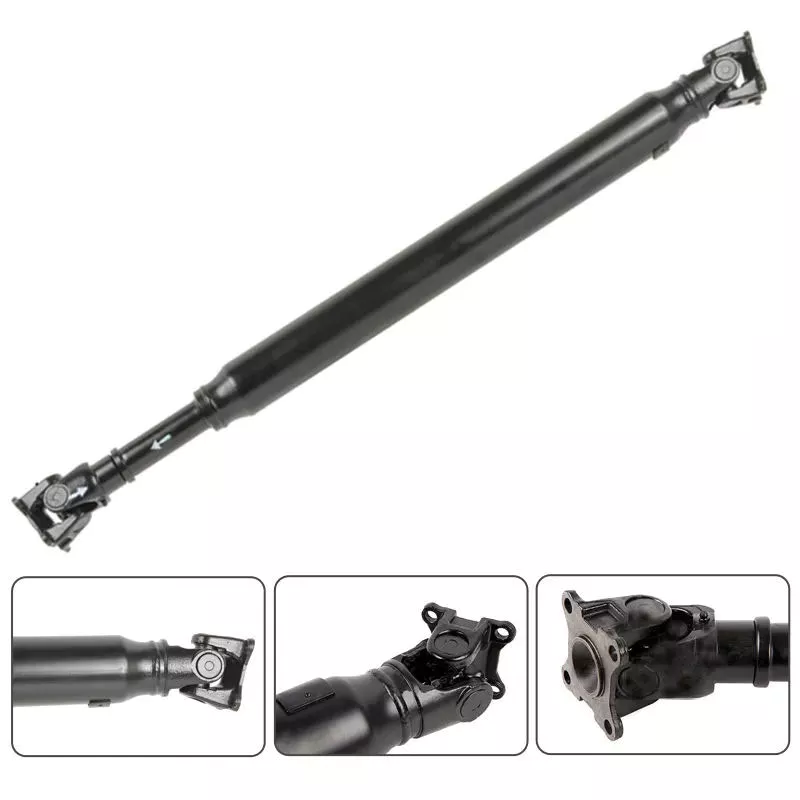
Are there any limitations or disadvantages associated with PTO shafts?
While PTO (Power Take-Off) shafts offer numerous advantages in terms of power transfer and versatility, they also have certain limitations and disadvantages. It’s important to consider these factors when using PTO shafts to ensure safe and efficient operation. Here’s a detailed explanation of some limitations and disadvantages associated with PTO shafts:
1. Safety Hazards: One of the primary concerns with PTO shafts is the potential for safety hazards. PTO shafts rotate at high speeds and can pose a significant risk if not properly guarded or handled. Accidental contact with an exposed or inadequately shielded PTO shaft can result in severe injuries, including entanglement, amputation, or even fatalities. It is crucial to follow safety guidelines, implement proper guarding, and ensure that operators are well-trained on safe handling practices to mitigate these risks.
2. Maintenance and Lubrication: PTO shafts require regular maintenance and lubrication to ensure optimal performance and longevity. The moving parts, such as universal joints and splines, need to be inspected, cleaned, and lubricated at recommended intervals. Neglecting maintenance can lead to premature wear, decreased efficiency, and potential failures. Proper maintenance practices, including regular inspections and timely lubrication, are essential to mitigate these issues.
3. Alignment and Angles: PTO shafts rely on proper alignment and angles to ensure efficient power transfer. Misalignment or excessive angles between the power source and driven machinery can cause increased wear and strain on the components, leading to premature failure. Ensuring proper alignment and angle adjustment, using adjustable sliding yokes or other means, is important to prevent excessive stress on the PTO shaft and associated equipment.
4. Length Limitations: PTO shafts have limitations on their maximum and minimum length due to engineering constraints. The telescoping design allows for some adjustment, but there is a practical limit to how much the shaft can extend or retract. If the distance between the power source and driven machinery exceeds the maximum or falls below the minimum length of the PTO shaft, alternative solutions or modifications may be required. In some cases, additional components such as drive shaft extensions or gearboxes may be necessary to bridge the distance.
5. Compatibility: While manufacturers strive to ensure compatibility, there can still be challenges in finding the right PTO shaft for specific equipment configurations. Equipment may have unique requirements in terms of spline sizes, torque ratings, or connection methods that may not be readily available or compatible with off-the-shelf PTO shafts. Customization may be required to address these compatibility issues, which can result in increased costs or lead times.
6. Noise and Vibrations: PTO shafts in operation can generate significant noise and vibrations, especially at higher speeds. This can be a nuisance for operators and may require additional measures to reduce noise levels or dampen vibrations. Excessive vibrations can also affect the overall performance and lifespan of the PTO shaft and connected equipment. Implementing vibration dampeners or using flexible couplings can help mitigate these issues.
7. Power Limits: PTO shafts have specific power limits based on their design, materials, and components. Exceeding these power limits can lead to premature wear, component failures, or even shaft breakage. It is crucial to understand and adhere to the recommended power ratings for PTO shafts to ensure safe and reliable operation. In some cases, upgrading to a higher-capacity PTO shaft or implementing additional power transmission components may be necessary to accommodate higher power requirements.
8. Complex Installation and Removal: Installing and removing PTO shafts can be a complex process, especially in confined spaces or when dealing with heavy equipment. It may require aligning splines, engaging couplings, and securing locking mechanisms. Improper installation or removal techniques can lead to damage to the shaft or associated equipment. Proper training, handling equipment, and following manufacturer guidelines are essential to simplify and ensure the safe installation and removal of PTO shafts.
Despite these limitations and disadvantages, PTO shafts remain widely used and valuable components for power transfer in various industries. By addressing these considerations and implementing proper safety measures, maintenance practices, and alignment procedures, the potential drawbacks of PTO shafts can be effectively mitigated, allowing for safe and efficient operation.

Bisakah Anda menjelaskan berbagai jenis poros PTO dan aplikasinya?
Poros PTO (Power Take-Off shafts) hadir dalam berbagai jenis, masing-masing dirancang untuk aplikasi dan kebutuhan spesifik. Berbagai jenis poros PTO menawarkan fleksibilitas dan kompatibilitas dengan berbagai macam mesin dan peralatan. Berikut penjelasan tentang jenis-jenis poros PTO yang paling umum dan aplikasinya:
1. Poros PTO Standar: Poros PTO standar, juga dikenal sebagai poros beralur, adalah jenis yang paling umum digunakan pada mesin pertanian dan industri. Poros ini terdiri dari poros baja padat dengan alur atau lekukan di sepanjang panjangnya. Poros PTO standar biasanya memiliki enam alur, meskipun variasi dengan empat atau delapan alur juga dapat ditemukan. Jenis poros PTO ini banyak digunakan pada traktor dan berbagai alat pertanian, termasuk mesin pemotong rumput, mesin pengepak jerami, mesin pengolah tanah, dan mesin pemotong putar. Alur-alur tersebut memberikan koneksi yang aman antara sumber daya dan mesin yang digerakkan, memastikan transfer daya yang efisien.
2. Poros PTO Baut Geser: Poros PTO dengan baut geser dirancang dengan fitur keselamatan yang memungkinkan poros terpisah jika terjadi beban berlebih atau guncangan mendadak untuk melindungi komponen penggerak. Poros PTO ini menggabungkan mekanisme baut geser yang menghubungkan power take-off traktor ke mesin yang digerakkan. Jika terjadi beban berlebihan atau hambatan mendadak, baut geser dirancang untuk patah, melepaskan poros PTO dan mencegah kerusakan pada penggerak. Poros PTO dengan baut geser umumnya digunakan pada peralatan yang mungkin mengalami hambatan mendadak atau situasi bertekanan tinggi, seperti mesin penghancur kayu, mesin penggiling tunggul, dan mesin pemotong putar tugas berat.
3. Poros PTO Kopling Gesekan: Poros PTO kopling gesek memiliki mekanisme kopling yang memungkinkan penyambungan dan pemutusan transfer daya secara halus. Poros PTO ini biasanya menggabungkan cakram gesek dan pelat tekanan, mirip dengan sistem kopling kendaraan tradisional. Kopling gesek memungkinkan operator untuk secara bertahap menyambungkan atau memutus transfer daya, mengurangi beban kejut dan meminimalkan keausan pada komponen penggerak. Poros PTO kopling gesek umumnya digunakan dalam aplikasi yang membutuhkan kontrol penyambungan daya yang presisi, seperti pada pompa hidrolik, generator, dan mixer industri.
4. Poros PTO Kecepatan Konstan (CV): Poros PTO Kecepatan Konstan (CV), juga dikenal sebagai poros homokinetik, dirancang untuk mengakomodasi sudut ketidaksejajaran yang tinggi tanpa memengaruhi transmisi daya. Poros ini menggunakan mekanisme sambungan universal yang memungkinkan transfer daya yang mulus bahkan ketika mesin yang digerakkan berada pada sudut relatif terhadap sumber daya. Poros PTO CV sering digunakan dalam aplikasi di mana mesin membutuhkan rentang gerakan atau artikulasi yang signifikan, seperti pada loader artikulasi, telehandler, dan alat penyemprot swa-gerak.
5. Poros PTO Teleskopik: Poros PTO teleskopik dapat disesuaikan panjangnya, memungkinkan fleksibilitas dalam konfigurasi peralatan dan jarak yang bervariasi antara sumber daya dan mesin yang digerakkan. Poros ini terdiri dari dua atau lebih poros konsentris yang saling bergeser, memberikan kemampuan untuk memperpanjang atau menarik kembali poros PTO sesuai kebutuhan. Poros PTO teleskopik umumnya digunakan dalam aplikasi di mana jarak antara power take-off traktor dan alat pertanian bervariasi, seperti pada alat pertanian yang dipasang di depan, mesin peniup salju, dan gerbong pengangkut sendiri. Desain teleskopik memungkinkan adaptasi yang mudah terhadap berbagai pengaturan peralatan dan meminimalkan risiko poros PTO terseret di tanah.
6. Poros PTO Gearbox: Poros PTO gearbox dirancang untuk menyesuaikan transmisi daya antara kecepatan atau arah putaran yang berbeda. Poros ini menggabungkan mekanisme gearbox yang memungkinkan pengurangan atau peningkatan kecepatan, serta kemampuan untuk mengubah arah putaran. Poros PTO gearbox umumnya digunakan dalam aplikasi di mana mesin yang digerakkan membutuhkan kecepatan atau arah putaran yang berbeda dari power take-off traktor. Contohnya termasuk auger biji-bijian, mixer pakan, dan peralatan industri yang membutuhkan rasio kecepatan spesifik atau kemampuan pembalikan arah putaran.
Penting untuk dicatat bahwa ketersediaan dan aplikasi spesifik dari berbagai jenis poros PTO dapat bervariasi berdasarkan faktor regional dan industri tertentu. Selain itu, mesin atau peralatan tertentu mungkin memerlukan poros PTO khusus atau sesuai pesanan untuk memenuhi persyaratan tertentu.
Singkatnya, berbagai jenis poros PTO, seperti poros standar, baut geser, kopling gesek, kecepatan konstan (CV), teleskopik, dan poros gearbox, menawarkan fleksibilitas dan kompatibilitas dengan berbagai mesin dan peralatan. Setiap jenis poros PTO dirancang untuk memenuhi kebutuhan spesifik, seperti efisiensi transfer daya, keselamatan, pengoperasian yang lancar, toleransi ketidaksejajaran, kemampuan adaptasi, dan penyesuaian kecepatan/arah. Memahami berbagai jenis poros PTO dan aplikasinya sangat penting untuk memilih poros yang tepat untuk mesin yang dimaksud dan memastikan kinerja serta keandalan yang optimal.

editor by CX 2024-05-06