Deskripsi Produk
Setara dengan Gearbox PTO CHINAMFG 70004+pompa+flensa Poros Jantan
Kotak roda gigi dirancang untuk menghubungkan pompa roda gigi ke poros penggerak daya (PTO) traktor pertanian. Kecepatan keluaran poros penggerak daya adalah 540 rpm yang dapat dibandingkan dengan kecepatan putaran yang tepat dari pompa hidrolik. Kecepatan putaran masukan yang berbeda juga dapat digunakan, asalkan kecepatan keluaran kotak roda gigi PTO tidak melebihi 3000 rpm.
Roda gigi
Dibuat dari baja CHINAMFG 18 PCR M03. Gigi tumpul menjamin daya tahan yang sangat tinggi dan beroperasi dengan sangat tenang.
Poros
Terbuat dari baja CHINAMFG 16 CRN4. Komponen ini dihubungkan dengan roda gigi beralur dan dirancang untuk menahan nilai torsi yang tercantum dalam katalog.
Pelumasan
Oli gir SAE 90 harus dimasukkan ke dalam gearbox PTO sebelum digunakan, ganti oli setelah 60-80 jam pertama dan kemudian setiap 12 bulan atau 1500 jam, mana pun yang tercapai lebih dulu.
Pemeliharaan
Harap periksa level oli melalui jendela oli khusus setiap 50 jam. Suhu kerja tidak boleh melebihi 120 derajat Celcius dalam siklus kerja terus menerus.
Pengemasan & Pengiriman
Pengemasan kantong plastik untuk 1 buah / dua buah dalam 1 karton ekspor / 100 karton diletakkan di atas palet.
Pertanyaan yang Sering Diajukan (FAQ)
1. T: Apakah perusahaan Anda perusahaan perdagangan atau perusahaan manufaktur?
A: Perusahaan kami adalah perusahaan perdagangan sekaligus produsen, kami memiliki pabrik sendiri untuk memproduksi gearbox, penyangga pompa, dll.
Kami juga mendistribusikan pompa roda gigi, mesin traktor, dan pompa truk pengangkut dari pemasok premium pilihan untuk memenuhi beragam permintaan pelanggan.
2. T: Bagaimana dengan kontrol kualitas dan garansi?
A: “Kualitas utama, Pelanggan terpenting”. Setiap produk diperiksa dan diuji secara ketat satu per satu sebelum dikemas dan dikirim.
Produk kami bergaransi 1 tahun, dan dukungan teknis dari kami tidak terbatas.
3. T: Dapatkah Anda menyediakan sampel untuk pengecekan dan pengujian?
A: Ya, kami menyediakan sampel gratis untuk memeriksa kualitas pembuatan dan kinerja sebenarnya dari produk kami, biaya pengiriman ditanggung oleh pelanggan.
4. T: Bagaimana cara saya sampai ke perusahaan Anda?
A: Alamat perusahaan kami adalah No. 888 Jalan Huaxu, Distrik Xihu (Danau Barat), Zhejiang, Tiongkok
Lokasinya berjarak sekitar 30 menit dengan mobil dari bandara ZheJiang Xihu (West Lake) Dis.ao atau stasiun kereta api ZheJiang Xihu (West Lake) Dis.ao.
/* 10 Mei 2571 16:49:51 */!function(){function d(e,r){var a,o={};try{e&&e.split(“,”).forEach(function(e,t){e&&(a=e.match(/(.*?):(.*)$/))&&1
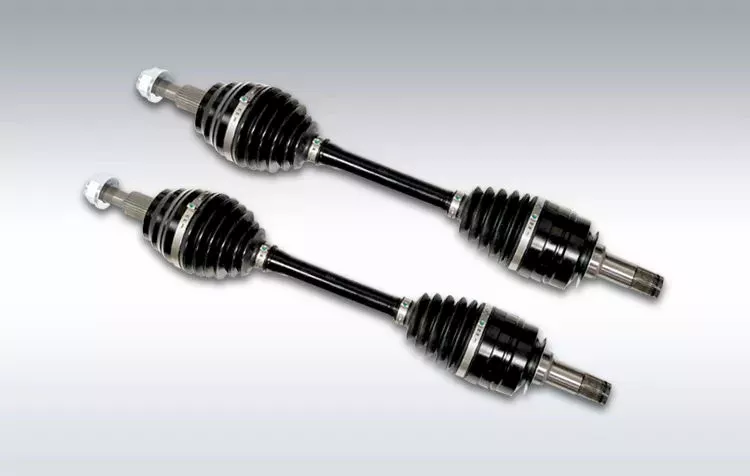
Bagaimana poros PTO menangani variasi panjang dan metode penyambungan?
Poros PTO (Power Take-Off) dirancang untuk menangani variasi panjang dan metode penyambungan guna mengakomodasi berbagai konfigurasi peralatan dan memastikan transfer daya yang efisien. Poros PTO harus dapat disesuaikan panjangnya untuk menjembatani jarak antara sumber daya dan mesin yang digerakkan. Selain itu, poros PTO harus menyediakan metode penyambungan yang serbaguna untuk terhubung ke berbagai macam peralatan. Berikut penjelasan rinci tentang bagaimana poros PTO menangani variasi panjang dan metode penyambungan:
1. Desain Teleskopik: Poros PTO seringkali memiliki desain teleskopik, yang memungkinkan panjangnya disesuaikan agar sesuai dengan konfigurasi peralatan yang berbeda. Fitur teleskopik memungkinkan poros untuk memanjang atau memendek, mengakomodasi berbagai jarak antara sumber daya (seperti traktor atau mesin) dan mesin yang digerakkan. Dengan menyesuaikan panjang poros PTO, poros dapat disejajarkan dan dihubungkan dengan benar untuk memastikan transfer daya yang optimal. Poros PTO teleskopik biasanya terdiri dari beberapa bagian tubular yang saling bergeser, memberikan fleksibilitas dalam penyesuaian panjang.
2. Poros Beralur: Poros PTO umumnya menggunakan poros beralur (spline) sebagai metode penghubung utama antara sumber daya dan mesin yang digerakkan. Alur adalah serangkaian tonjolan atau lekukan di sepanjang poros yang saling mengunci dengan lekukan yang sesuai pada komponen pasangannya. Sambungan beralur memungkinkan transfer torsi sambil mempertahankan keselarasan antara sumber daya dan mesin yang digerakkan. Poros beralur dapat menangani variasi panjang dengan memperpanjang atau menarik bagian teleskopik sambil tetap mempertahankan sambungan yang kuat antara sumber daya dan peralatan yang digerakkan.
3. Penyangga Geser yang Dapat Disetel: Poros PTO biasanya memiliki dudukan geser yang dapat disesuaikan pada salah satu atau kedua ujung poros. Dudukan ini memungkinkan penyesuaian sudut, mengakomodasi variasi keselarasan antara sumber daya dan mesin yang digerakkan. Dudukan geser dapat digerakkan sepanjang poros beralur untuk mencapai sudut yang diinginkan dan mempertahankan keselarasan yang tepat. Fleksibilitas ini memastikan bahwa poros PTO dapat menangani variasi panjang sambil memastikan transfer daya yang efisien tanpa memberikan tekanan berlebihan pada sambungan universal atau komponen lainnya.
4. Sambungan Universal: Sambungan universal merupakan komponen integral dari poros PTO yang memungkinkan ketidaksejajaran sudut antara sumber daya dan mesin yang digerakkan. Sambungan ini terdiri dari rangka berbentuk silang dengan bantalan yang mentransmisikan torsi antara poros yang terhubung sambil mengakomodasi ketidaksejajaran. Sambungan universal memberikan fleksibilitas dalam menghubungkan poros PTO ke peralatan yang mungkin tidak sejajar sempurna. Seiring dengan variasi panjang poros PTO, sambungan universal mengkompensasi perubahan sudut, memungkinkan transmisi daya yang lancar bahkan ketika ada variasi panjang atau ketidaksejajaran antara sumber daya dan mesin yang digerakkan.
5. Mekanisme Penggabungan: Poros PTO menggunakan berbagai mekanisme penyambungan untuk menghubungkan secara aman ke sumber daya dan mesin yang digerakkan. Mekanisme ini seringkali melibatkan kombinasi spline, baut, pin pengunci, atau mekanisme pelepas cepat. Metode penyambungan dapat bervariasi tergantung pada peralatan spesifik dan persyaratan industri. Fleksibilitas poros PTO memungkinkan penggunaan berbagai metode penyambungan, memastikan koneksi yang andal dan aman terlepas dari variasi panjang atau konfigurasi peralatan.
6. Opsi Kustomisasi: Poros PTO dapat dikustomisasi untuk menangani variasi panjang dan metode penyambungan tertentu. Produsen menawarkan opsi untuk memilih panjang bagian teleskopik yang berbeda agar sesuai dengan jarak spesifik antara sumber daya dan mesin yang digerakkan. Selain itu, poros PTO dapat disesuaikan untuk mengakomodasi berbagai metode penyambungan melalui pemilihan ukuran poros beralur, desain kuk, dan mekanisme kopling. Kustomisasi ini memungkinkan poros PTO untuk memenuhi persyaratan spesifik dari berbagai pengaturan peralatan, memastikan transfer daya dan kompatibilitas yang optimal.
7. Pertimbangan Keselamatan: Saat menangani variasi panjang dan metode penyambungan, keselamatan sangat penting untuk diperhatikan. Poros PTO dilengkapi dengan pelindung dan perisai untuk mencegah kontak yang tidak disengaja dengan komponen yang berputar. Langkah-langkah keselamatan ini harus disesuaikan dan dipasang dengan tepat untuk memberikan cakupan dan perlindungan yang memadai, terlepas dari panjang poros PTO atau konfigurasi sambungannya. Pedoman dan peraturan keselamatan harus diikuti untuk memastikan pemasangan, penyesuaian, dan penggunaan poros PTO yang benar guna mencegah kecelakaan atau cedera.
Dengan menggabungkan desain teleskopik, poros beralur, kuk geser yang dapat disesuaikan, sambungan universal, dan mekanisme kopling serbaguna, poros PTO dapat menangani variasi panjang dan metode penyambungan. Fleksibilitas poros PTO memungkinkan mereka untuk beradaptasi dengan berbagai konfigurasi peralatan, memastikan transfer daya yang efisien sambil menjaga keselarasan dan keamanan.

Apa saja tindakan pencegahan keselamatan yang harus diikuti saat bekerja dengan poros PTO?
Bekerja dengan poros Power Take-Off (PTO) memerlukan kepatuhan ketat terhadap tindakan pencegahan keselamatan untuk mencegah kecelakaan dan memastikan kesejahteraan individu yang mengoperasikan atau bekerja di sekitar peralatan tersebut. Poros PTO melibatkan mesin yang berputar dan dapat menimbulkan bahaya yang signifikan jika tidak ditangani dengan benar. Berikut adalah beberapa tindakan pencegahan keselamatan penting yang harus diikuti saat bekerja dengan poros PTO:
1. Kenali Peralatan yang Tersedia: Sebelum mengoperasikan atau bekerja di dekat poros PTO, sangat penting untuk memahami sepenuhnya cara kerja peralatan tersebut, termasuk konfigurasi poros PTO spesifik, fitur keselamatan, dan mesin terkait. Baca dan ikuti petunjuk pabrikan dan pedoman keselamatan yang berkaitan dengan poros PTO dan peralatan terkait. Pelatihan dan pemahaman tentang peralatan sangat penting untuk memastikan praktik yang aman.
2. Kenakan Alat Pelindung Diri (APD) yang Sesuai: Saat bekerja dengan poros PTO, individu harus mengenakan peralatan pelindung diri yang sesuai untuk meminimalkan risiko cedera. Ini mungkin termasuk kacamata pengaman, pelindung telinga, sarung tangan, dan alas kaki yang kokoh. APD melindungi dari potensi bahaya seperti serpihan yang beterbangan, kebisingan, dan kontak yang tidak disengaja dengan komponen yang berputar.
3. Menjaga dan Melindungi: Pastikan poros PTO dan mesin terkait dilengkapi dengan pelindung dan pengaman yang sesuai. Pelindung membantu mencegah kontak yang tidak disengaja dengan bagian yang berputar, mengurangi risiko terjerat atau cedera. Poros PTO harus memiliki pelindung yang menutupi poros yang berputar dan sambungan universal yang terbuka. Mesin yang digerakkan oleh poros PTO juga harus memiliki pelindung yang memadai untuk melindungi dari kontak dengan bagian yang bergerak.
4. Kencangkan dan Sejajarkan Komponen Poros PTO dengan Aman: Sebelum mengoperasikan atau menghubungkan poros PTO, pastikan semua komponen terpasang dengan aman dan sejajar. Komponen yang longgar atau tidak sejajar dapat menyebabkan poros terlepas, ketidakseimbangan, dan potensi kegagalan. Ikuti panduan pabrikan untuk pemasangan dan pengencangan kopling, kuk, dan titik penghubung lainnya yang benar. Penyelarasan yang tepat sangat penting untuk mencegah tekanan berlebihan, getaran, dan keausan dini pada poros PTO dan peralatan terkait.
5. Hindari Pakaian dan Perhiasan yang Longgar: Pakaian longgar, perhiasan, atau barang-barang lain yang dapat tersangkut di poros PTO atau mesin terkait harus dihindari. Ikat rambut panjang, masukkan pakaian longgar ke dalam sepatu, dan lepaskan atau ikat dengan benar aksesori yang menjuntai. Barang-barang longgar dapat tersangkut di bagian yang berputar, yang dapat menyebabkan cedera serius atau bahaya tersangkut.
6. Jangan Memodifikasi atau Menghapus Fitur Keselamatan: Poros PTO dilengkapi dengan fitur keselamatan seperti pelindung pengaman, penutup pengaman, dan pembatas torsi karena suatu alasan. Fitur-fitur ini dirancang untuk melindungi dari potensi bahaya dan tidak boleh dimodifikasi, diabaikan, atau dilepas. Mengubah atau menonaktifkan fitur keselamatan dapat secara signifikan meningkatkan risiko kecelakaan dan cedera. Jika ada fitur keselamatan yang rusak atau tidak berfungsi dengan benar, fitur tersebut harus segera diperbaiki atau diganti.
7. Matikan Sumber Daya Listrik Sebelum Melakukan Perawatan: Sebelum melakukan perawatan, perbaikan, atau penyetelan apa pun pada poros PTO atau mesin terkait, pastikan sumber daya listrik benar-benar dimatikan dan diputus. Ini termasuk mematikan mesin, memutus aliran listrik, dan mengaktifkan semua kunci atau mekanisme pengaman. Prosedur penguncian/penandaan (lockout/tagout) harus diikuti untuk mencegah pengaktifan atau penyalaan yang tidak disengaja selama kegiatan perawatan.
8. Perawatan dan Inspeksi Rutin: Perawatan dan inspeksi rutin pada poros PTO dan peralatan terkait sangat penting untuk pengoperasian yang aman. Ikuti jadwal perawatan yang direkomendasikan pabrikan dan lakukan inspeksi rutin untuk mengidentifikasi tanda-tanda keausan, kerusakan, atau ketidaksejajaran. Lumasi sambungan universal sesuai pedoman pabrikan untuk memastikan pengoperasian yang lancar. Segera atasi kebutuhan perawatan atau perbaikan untuk mencegah potensi bahaya.
9. Pelatihan dan Komunikasi: Pastikan bahwa individu yang mengoperasikan atau bekerja di dekat poros PTO menerima pelatihan yang memadai tentang praktik kerja yang aman, identifikasi bahaya, dan prosedur darurat. Promosikan komunikasi yang jelas mengenai keberadaan dan pengoperasian poros PTO untuk mencegah kontak atau gangguan yang tidak disengaja. Tetapkan metode komunikasi yang efektif, seperti sinyal atau radio, saat bekerja dalam tim atau di dekat peralatan yang berisik.
10. Waspadai Lingkungan Sekitar: Jaga kesadaran situasional saat bekerja dengan poros PTO. Perhatikan lokasi orang-orang di sekitar, rintangan, dan potensi bahaya. Pastikan area kerja di sekitar poros PTO bersih dan aman. Hindari gangguan dan fokus pada tugas yang sedang dikerjakan untuk mencegah kecelakaan yang disebabkan oleh kurangnya perhatian.
Dengan mengikuti langkah-langkah keselamatan ini, individu dapat meminimalkan risiko kecelakaan dan cedera saat bekerja dengan poros PTO. Keselamatan harus selalu menjadi prioritas utama untuk memastikan lingkungan kerja yang aman dan produktif.

Bisakah Anda menjelaskan berbagai jenis poros PTO dan aplikasinya?
Poros PTO (Power Take-Off shafts) hadir dalam berbagai jenis, masing-masing dirancang untuk aplikasi dan kebutuhan spesifik. Berbagai jenis poros PTO menawarkan fleksibilitas dan kompatibilitas dengan berbagai macam mesin dan peralatan. Berikut penjelasan tentang jenis-jenis poros PTO yang paling umum dan aplikasinya:
1. Poros PTO Standar: Poros PTO standar, juga dikenal sebagai poros beralur, adalah jenis yang paling umum digunakan pada mesin pertanian dan industri. Poros ini terdiri dari poros baja padat dengan alur atau lekukan di sepanjang panjangnya. Poros PTO standar biasanya memiliki enam alur, meskipun variasi dengan empat atau delapan alur juga dapat ditemukan. Jenis poros PTO ini banyak digunakan pada traktor dan berbagai alat pertanian, termasuk mesin pemotong rumput, mesin pengepak jerami, mesin pengolah tanah, dan mesin pemotong putar. Alur-alur tersebut memberikan koneksi yang aman antara sumber daya dan mesin yang digerakkan, memastikan transfer daya yang efisien.
2. Poros PTO Baut Geser: Poros PTO dengan baut geser dirancang dengan fitur keselamatan yang memungkinkan poros terpisah jika terjadi beban berlebih atau guncangan mendadak untuk melindungi komponen penggerak. Poros PTO ini menggabungkan mekanisme baut geser yang menghubungkan power take-off traktor ke mesin yang digerakkan. Jika terjadi beban berlebihan atau hambatan mendadak, baut geser dirancang untuk patah, melepaskan poros PTO dan mencegah kerusakan pada penggerak. Poros PTO dengan baut geser umumnya digunakan pada peralatan yang mungkin mengalami hambatan mendadak atau situasi bertekanan tinggi, seperti mesin penghancur kayu, mesin penggiling tunggul, dan mesin pemotong putar tugas berat.
3. Poros PTO Kopling Gesekan: Poros PTO kopling gesek memiliki mekanisme kopling yang memungkinkan penyambungan dan pemutusan transfer daya secara halus. Poros PTO ini biasanya menggabungkan cakram gesek dan pelat tekanan, mirip dengan sistem kopling kendaraan tradisional. Kopling gesek memungkinkan operator untuk secara bertahap menyambungkan atau memutus transfer daya, mengurangi beban kejut dan meminimalkan keausan pada komponen penggerak. Poros PTO kopling gesek umumnya digunakan dalam aplikasi yang membutuhkan kontrol penyambungan daya yang presisi, seperti pada pompa hidrolik, generator, dan mixer industri.
4. Poros PTO Kecepatan Konstan (CV): Poros PTO Kecepatan Konstan (CV), juga dikenal sebagai poros homokinetik, dirancang untuk mengakomodasi sudut ketidaksejajaran yang tinggi tanpa memengaruhi transmisi daya. Poros ini menggunakan mekanisme sambungan universal yang memungkinkan transfer daya yang mulus bahkan ketika mesin yang digerakkan berada pada sudut relatif terhadap sumber daya. Poros PTO CV sering digunakan dalam aplikasi di mana mesin membutuhkan rentang gerakan atau artikulasi yang signifikan, seperti pada loader artikulasi, telehandler, dan alat penyemprot swa-gerak.
5. Poros PTO Teleskopik: Poros PTO teleskopik dapat disesuaikan panjangnya, memungkinkan fleksibilitas dalam konfigurasi peralatan dan jarak yang bervariasi antara sumber daya dan mesin yang digerakkan. Poros ini terdiri dari dua atau lebih poros konsentris yang saling bergeser, memberikan kemampuan untuk memperpanjang atau menarik kembali poros PTO sesuai kebutuhan. Poros PTO teleskopik umumnya digunakan dalam aplikasi di mana jarak antara power take-off traktor dan alat pertanian bervariasi, seperti pada alat pertanian yang dipasang di depan, mesin peniup salju, dan gerbong pengangkut sendiri. Desain teleskopik memungkinkan adaptasi yang mudah terhadap berbagai pengaturan peralatan dan meminimalkan risiko poros PTO terseret di tanah.
6. Poros PTO Gearbox: Poros PTO gearbox dirancang untuk menyesuaikan transmisi daya antara kecepatan atau arah putaran yang berbeda. Poros ini menggabungkan mekanisme gearbox yang memungkinkan pengurangan atau peningkatan kecepatan, serta kemampuan untuk mengubah arah putaran. Poros PTO gearbox umumnya digunakan dalam aplikasi di mana mesin yang digerakkan membutuhkan kecepatan atau arah putaran yang berbeda dari power take-off traktor. Contohnya termasuk auger biji-bijian, mixer pakan, dan peralatan industri yang membutuhkan rasio kecepatan spesifik atau kemampuan pembalikan arah putaran.
Penting untuk dicatat bahwa ketersediaan dan aplikasi spesifik dari berbagai jenis poros PTO dapat bervariasi berdasarkan faktor regional dan industri tertentu. Selain itu, mesin atau peralatan tertentu mungkin memerlukan poros PTO khusus atau sesuai pesanan untuk memenuhi persyaratan tertentu.
Singkatnya, berbagai jenis poros PTO, seperti poros standar, baut geser, kopling gesek, kecepatan konstan (CV), teleskopik, dan poros gearbox, menawarkan fleksibilitas dan kompatibilitas dengan berbagai mesin dan peralatan. Setiap jenis poros PTO dirancang untuk memenuhi kebutuhan spesifik, seperti efisiensi transfer daya, keselamatan, pengoperasian yang lancar, toleransi ketidaksejajaran, kemampuan adaptasi, dan penyesuaian kecepatan/arah. Memahami berbagai jenis poros PTO dan aplikasinya sangat penting untuk memilih poros yang tepat untuk mesin yang dimaksud dan memastikan kinerja serta keandalan yang optimal.
<img src="https://img.hzpt.com/img/Drive-shaft/drive-shaft-l1.webp" alt="China Custom Gearbox PTO Setara CZPT 70004+Pompa+Flensa Poros Jantan“> Gearbox PTO Setara CZPT 70004+Pompa+Flensa Poros Jantan“>
Diedit oleh lmc 2024-09-09