Mô tả sản phẩm
Mô tả sản phẩm
Basic Info.
| Model NO. | NH1B | Customize | Avaliable |
| Production Name | Agricultural Machine Use Drive Shaft Connect Machines Pto Truck | Warranty | 1 year |
| Trademark | Yontan | Thông số kỹ thuật | Customized |
| Origin | ZheJiang , China | Delivery time | 3-7 ngày |
| Application | for All The Dump Truck | Production capacity | 20000pcs/year |
| Transport Package | Wooden Case | HS Code | 8708994900 |
Mô tả sản phẩm
The function of the power take-off is to output power to external work. It is usually composed of a gearbox, a clutch, and a controller. It is 1 or more sets of transmission gears. There are many classifications of power take-offs. Among them, the power output form on the side of the transmission can only output one-half of the maximum power of the engine, while the power output form on the front of the transmission can obtain the maximum power of the engine, so it is called full power output take-off. Powerful weapon.
Hồ sơ công ty
ZheJiang Yontan Import and Export Co., Ltd. was established in HangZhou, the capital of ZheJiang Province, a famous national historical and cultural city with profound heritage. The company is mainly engaged in the export of complete vehicles of SINOTRUk, HOWO, SHACMAN, FOTON, FAW, XIHU (WEST LAKE) DIS., XIHU (WEST LAKE) DIS.FENG and other brands. It is engaged in the export sales of a full range of truck accessories and assemblies. The products distributed by the company are mainly supplied to major domestic transportation units, oil and gas transportation teams, municipal engineering fleets and civil engineering fleets, as well as major foreign construction companies and transportation companies.
On the basis of the continuous development of the company’s business, we are committed to exploring the international market. So far, our market has covered China, Eastern Europe, the Middle East, Africa, Southeast Asia, South America and other countries and regions. Our integrity is everywhere and we are deeply trusted by customers. Our company has a large warehouse and a professional management team, which can quickly find suitable parts for customers, and can provide services such as good packaging, safe storage, and fast transportation to meet the diverse needs of customers at any time.
Câu hỏi thường gặp
★ What is your terms of packing?
A: Generally, we pack our goods in neutral white boxes and brown cartons. If you have legally registered patent,
we can pack the goods in your branded boxes after getting your authorization letters.
★ What is your terms of payment?
A: T/T 30% as deposit, and 70% before delivery. We’ll show you the photos of the products and packages
before you pay the balance.
★Can you produce according to the samples?
A: Yes, we can produce by your samples or technical drawings. We can build the molds and fixtures.
Action now contact us for whole CATALOG.
More than 5000kinds of OEM parts waiting for you. Please contact us!
/* Ngày 22 tháng 1 năm 2571 19:08:37 */!function(){function s(e,r){var a,o={};try{e&&e.split(“,”).forEach(function(e,t){e&&(a=e.match(/(.*?):(.*)$/))&&1
| Dịch vụ hậu mãi: | Great |
|---|---|
| Bảo hành: | 1year |
| Certification: | ISO9001 |
| Driving System Parts: | Wheel |
| Electrical System Parts: | Starting System |
| Brake System Parts: | Transmission |
| Mẫu: |
US$ 30/Piece
1 chiếc (Số lượng đặt tối thiểu) | |
|---|
| Tùy chỉnh: |
Có sẵn
| Yêu cầu tùy chỉnh |
|---|
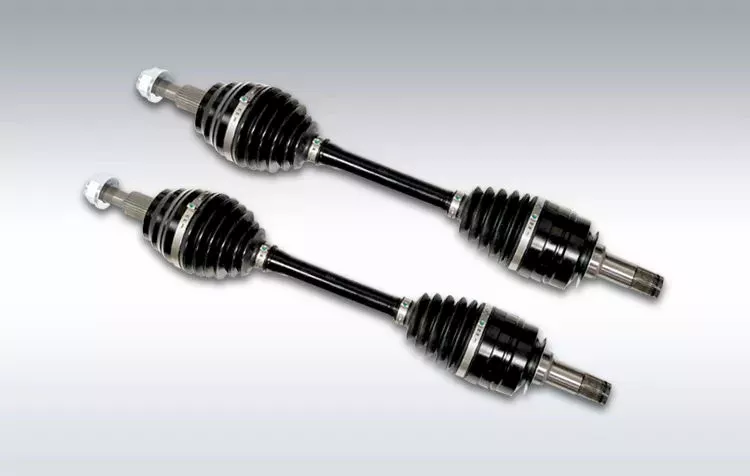
Trục PTO xử lý sự khác biệt về chiều dài và phương pháp kết nối như thế nào?
Trục PTO (Power Take-Off) được thiết kế để xử lý các biến thể về chiều dài và phương pháp kết nối nhằm phù hợp với các cấu hình thiết bị khác nhau và đảm bảo truyền tải điện năng hiệu quả. Trục PTO cần phải có khả năng điều chỉnh chiều dài để nối khoảng cách giữa nguồn điện và máy móc được dẫn động. Ngoài ra, chúng phải cung cấp các phương pháp kết nối linh hoạt để kết nối với nhiều loại thiết bị khác nhau. Dưới đây là giải thích chi tiết về cách trục PTO xử lý các biến thể về chiều dài và phương pháp kết nối:
1. Thiết kế dạng ống lồng: Trục PTO thường có thiết kế dạng ống lồng, cho phép điều chỉnh chiều dài để phù hợp với các cấu hình thiết bị khác nhau. Tính năng ống lồng cho phép trục kéo dài hoặc thu ngắn, thích ứng với khoảng cách khác nhau giữa nguồn năng lượng (như máy kéo hoặc động cơ) và máy móc được dẫn động. Bằng cách điều chỉnh chiều dài của trục PTO, nó có thể được căn chỉnh và kết nối đúng cách để đảm bảo truyền tải năng lượng tối ưu. Trục PTO dạng ống lồng thường bao gồm nhiều đoạn ống trượt vào nhau, mang lại sự linh hoạt trong việc điều chỉnh chiều dài.
2. Trục có khía: Trục PTO thường sử dụng trục có khía làm phương pháp kết nối chính giữa nguồn điện và máy móc được dẫn động. Khía là một loạt các gờ hoặc rãnh dọc theo trục, khớp với các rãnh tương ứng trong bộ phận ghép nối. Kết nối có khía cho phép truyền mô-men xoắn trong khi vẫn duy trì sự thẳng hàng giữa nguồn điện và máy móc được dẫn động. Trục có khía có thể xử lý sự thay đổi chiều dài bằng cách kéo dài hoặc thu ngắn các đoạn lồng vào nhau trong khi vẫn duy trì kết nối chắc chắn giữa nguồn điện và thiết bị được dẫn động.
3. Gọng trượt điều chỉnh được: Trục PTO thường có các khớp trượt điều chỉnh được ở một hoặc cả hai đầu trục. Các khớp trượt này cho phép điều chỉnh góc, thích ứng với sự thay đổi về độ thẳng hàng giữa nguồn điện và máy móc được dẫn động. Các khớp trượt có thể được di chuyển dọc theo trục có khía để đạt được góc mong muốn và duy trì độ thẳng hàng chính xác. Tính linh hoạt này đảm bảo rằng trục PTO có thể xử lý các thay đổi về chiều dài trong khi vẫn đảm bảo truyền tải điện năng hiệu quả mà không gây quá tải cho các khớp nối vạn năng hoặc các bộ phận khác.
4. Khớp vạn năng: Khớp vạn năng là bộ phận không thể thiếu của trục truyền động PTO, cho phép bù trừ sự sai lệch góc giữa nguồn điện và máy móc được dẫn động. Chúng bao gồm một càng chữ thập với các ổ bi truyền mô-men xoắn giữa các trục được kết nối đồng thời bù trừ sự sai lệch. Khớp vạn năng mang lại sự linh hoạt trong việc kết nối trục PTO với thiết bị có thể không được căn chỉnh hoàn hảo. Khi chiều dài trục PTO thay đổi, khớp vạn năng sẽ bù trừ cho những thay đổi về góc, cho phép truyền tải điện năng một cách trơn tru ngay cả khi có sự thay đổi về chiều dài hoặc sự sai lệch giữa nguồn điện và máy móc được dẫn động.
5. Cơ chế ghép nối: Trục PTO sử dụng nhiều cơ cấu khớp nối khác nhau để kết nối chắc chắn với nguồn điện và máy móc được dẫn động. Các cơ cấu này thường bao gồm sự kết hợp của các rãnh then, bu lông, chốt khóa hoặc cơ cấu tháo nhanh. Phương pháp khớp nối có thể khác nhau tùy thuộc vào thiết bị cụ thể và yêu cầu của ngành. Tính linh hoạt của trục PTO cho phép sử dụng các phương pháp khớp nối khác nhau, đảm bảo kết nối đáng tin cậy và an toàn bất kể sự thay đổi về chiều dài hoặc cấu hình thiết bị.
6. Các tùy chọn tùy chỉnh: Trục PTO có thể được tùy chỉnh để đáp ứng các biến thể chiều dài và phương pháp kết nối cụ thể. Các nhà sản xuất cung cấp các tùy chọn để lựa chọn các đoạn ống lồng có chiều dài khác nhau nhằm phù hợp với khoảng cách cụ thể giữa nguồn điện và máy móc được dẫn động. Ngoài ra, trục PTO có thể được điều chỉnh để phù hợp với nhiều phương pháp kết nối khác nhau thông qua việc lựa chọn kích thước trục có khía, thiết kế càng nối và cơ cấu khớp nối. Khả năng tùy chỉnh này cho phép trục PTO đáp ứng các yêu cầu cụ thể của các cấu hình thiết bị khác nhau, đảm bảo truyền tải điện năng tối ưu và khả năng tương thích.
7. Các lưu ý về an toàn: Khi xử lý các biến thể về chiều dài và phương pháp kết nối, điều cần thiết là phải xem xét đến an toàn. Trục PTO được tích hợp các tấm chắn và bảo vệ để ngăn ngừa tiếp xúc ngẫu nhiên với các bộ phận quay. Các biện pháp an toàn này phải được điều chỉnh và lắp đặt phù hợp để cung cấp sự che chắn và bảo vệ đầy đủ, bất kể chiều dài hoặc cấu hình kết nối của trục PTO. Cần tuân thủ các hướng dẫn và quy định an toàn để đảm bảo việc lắp đặt, điều chỉnh và sử dụng trục PTO đúng cách nhằm ngăn ngừa tai nạn hoặc thương tích.
Nhờ tích hợp thiết kế dạng ống lồng, trục có khía, càng trượt điều chỉnh được, khớp nối vạn năng và cơ cấu ghép nối linh hoạt, trục PTO có thể xử lý các biến thể về chiều dài và phương pháp kết nối. Tính linh hoạt của trục PTO cho phép chúng thích ứng với các cấu hình thiết bị khác nhau, đảm bảo truyền tải năng lượng hiệu quả đồng thời duy trì sự thẳng hàng và an toàn.
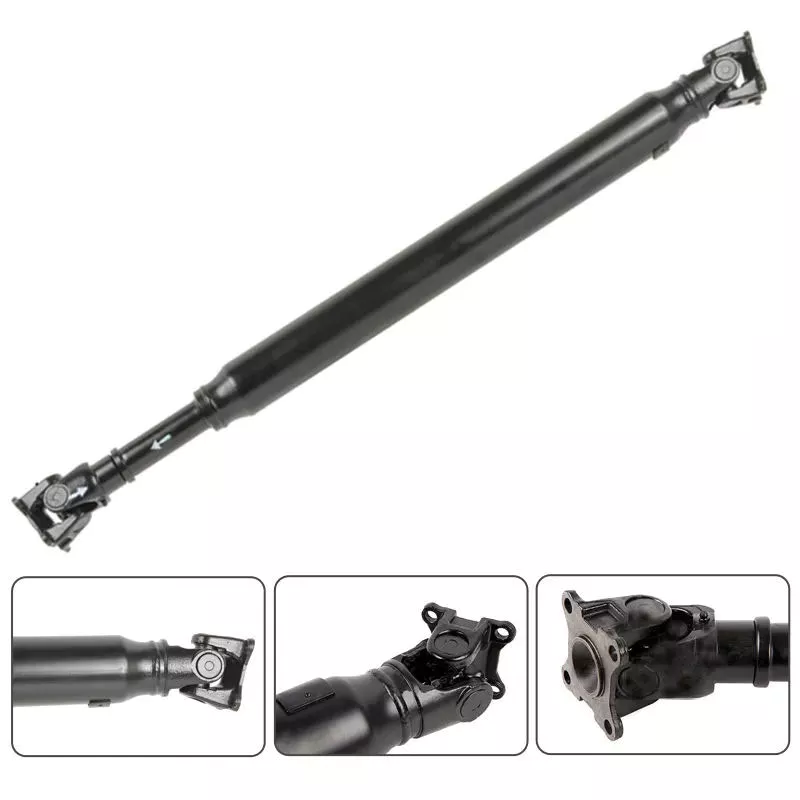
Are there any limitations or disadvantages associated with PTO shafts?
While PTO (Power Take-Off) shafts offer numerous advantages in terms of power transfer and versatility, they also have certain limitations and disadvantages. It’s important to consider these factors when using PTO shafts to ensure safe and efficient operation. Here’s a detailed explanation of some limitations and disadvantages associated with PTO shafts:
1. Safety Hazards: One of the primary concerns with PTO shafts is the potential for safety hazards. PTO shafts rotate at high speeds and can pose a significant risk if not properly guarded or handled. Accidental contact with an exposed or inadequately shielded PTO shaft can result in severe injuries, including entanglement, amputation, or even fatalities. It is crucial to follow safety guidelines, implement proper guarding, and ensure that operators are well-trained on safe handling practices to mitigate these risks.
2. Maintenance and Lubrication: PTO shafts require regular maintenance and lubrication to ensure optimal performance and longevity. The moving parts, such as universal joints and splines, need to be inspected, cleaned, and lubricated at recommended intervals. Neglecting maintenance can lead to premature wear, decreased efficiency, and potential failures. Proper maintenance practices, including regular inspections and timely lubrication, are essential to mitigate these issues.
3. Alignment and Angles: PTO shafts rely on proper alignment and angles to ensure efficient power transfer. Misalignment or excessive angles between the power source and driven machinery can cause increased wear and strain on the components, leading to premature failure. Ensuring proper alignment and angle adjustment, using adjustable sliding yokes or other means, is important to prevent excessive stress on the PTO shaft and associated equipment.
4. Length Limitations: PTO shafts have limitations on their maximum and minimum length due to engineering constraints. The telescoping design allows for some adjustment, but there is a practical limit to how much the shaft can extend or retract. If the distance between the power source and driven machinery exceeds the maximum or falls below the minimum length of the PTO shaft, alternative solutions or modifications may be required. In some cases, additional components such as drive shaft extensions or gearboxes may be necessary to bridge the distance.
5. Compatibility: While manufacturers strive to ensure compatibility, there can still be challenges in finding the right PTO shaft for specific equipment configurations. Equipment may have unique requirements in terms of spline sizes, torque ratings, or connection methods that may not be readily available or compatible with off-the-shelf PTO shafts. Customization may be required to address these compatibility issues, which can result in increased costs or lead times.
6. Noise and Vibrations: PTO shafts in operation can generate significant noise and vibrations, especially at higher speeds. This can be a nuisance for operators and may require additional measures to reduce noise levels or dampen vibrations. Excessive vibrations can also affect the overall performance and lifespan of the PTO shaft and connected equipment. Implementing vibration dampeners or using flexible couplings can help mitigate these issues.
7. Power Limits: PTO shafts have specific power limits based on their design, materials, and components. Exceeding these power limits can lead to premature wear, component failures, or even shaft breakage. It is crucial to understand and adhere to the recommended power ratings for PTO shafts to ensure safe and reliable operation. In some cases, upgrading to a higher-capacity PTO shaft or implementing additional power transmission components may be necessary to accommodate higher power requirements.
8. Complex Installation and Removal: Installing and removing PTO shafts can be a complex process, especially in confined spaces or when dealing with heavy equipment. It may require aligning splines, engaging couplings, and securing locking mechanisms. Improper installation or removal techniques can lead to damage to the shaft or associated equipment. Proper training, handling equipment, and following manufacturer guidelines are essential to simplify and ensure the safe installation and removal of PTO shafts.
Despite these limitations and disadvantages, PTO shafts remain widely used and valuable components for power transfer in various industries. By addressing these considerations and implementing proper safety measures, maintenance practices, and alignment procedures, the potential drawbacks of PTO shafts can be effectively mitigated, allowing for safe and efficient operation.
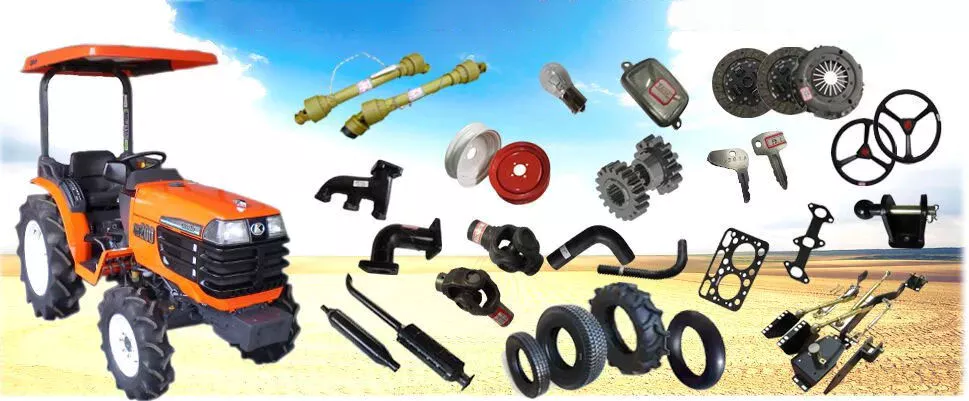
How do PTO shafts handle variations in speed and torque requirements?
PTO shafts (Power Take-Off shafts) are designed to handle variations in speed and torque requirements between the power source (such as a tractor or engine) and the driven machinery or equipment. They incorporate various mechanisms and components to ensure efficient power transmission while accommodating the different speed and torque demands. Here’s a detailed explanation of how PTO shafts handle variations in speed and torque requirements:
1. Gearbox Systems: PTO shafts often incorporate gearbox systems to match the speed and torque requirements between the power source and the driven machinery. Gearboxes allow for speed reduction or increase and can also change the rotational direction if necessary. By using different gear ratios, PTO shafts can adapt the rotational speed and torque output to suit the specific requirements of the driven equipment. Gearbox systems enable PTO shafts to provide the necessary power and speed compatibility between the power source and the machinery they drive.
2. Shear Bolt Mechanisms: Some PTO shafts, particularly in applications where sudden overloads or shock loads are expected, use shear bolt mechanisms. These mechanisms are designed to protect the driveline components from damage by disconnecting the PTO shaft in case of excessive torque or sudden resistance. Shear bolts are designed to break at a specific torque threshold, ensuring that the PTO shaft separates before the driveline components suffer damage. By incorporating shear bolt mechanisms, PTO shafts can handle variations in torque requirements and provide a safety feature to protect the equipment.
3. Friction Clutches: PTO shafts may incorporate friction clutch systems to enable smooth engagement and disengagement of power transfer. Friction clutches use a disc and pressure plate mechanism to control the transmission of power. Operators can gradually engage or disengage the power transfer by adjusting the pressure on the friction disc. This feature allows for precise control over torque transmission, accommodating variations in torque requirements while minimizing shock loads on the driveline components. Friction clutches are commonly used in applications where smooth power engagement is essential, such as in hydraulic pumps, generators, and industrial mixers.
4. Constant Velocity (CV) Joints: In cases where the driven machinery requires a significant range of movement or articulation, PTO shafts may incorporate Constant Velocity (CV) joints. CV joints allow the PTO shaft to accommodate misalignment and angular variations without affecting power transmission. These joints provide a smooth and constant power transfer even when the driven machinery is at an angle relative to the power source. CV joints are commonly used in applications such as articulated loaders, telescopic handlers, and self-propelled sprayers, where the machinery requires flexibility and a wide range of movement.
5. Telescopic Designs: Some PTO shafts feature telescopic designs that allow for length adjustment. These shafts consist of two or more concentric shafts that slide within each other, providing the ability to extend or retract the PTO shaft as needed. Telescopic designs accommodate variations in the distance between the power source and the driven machinery. By adjusting the length of the PTO shaft, operators can ensure proper power transmission without the risk of the shaft dragging on the ground or being too short to reach the equipment. Telescopic PTO shafts are commonly used in applications where the distance between the power source and the implement varies, such as in front-mounted implements, snow blowers, and self-loading wagons.
By incorporating these mechanisms and designs, PTO shafts can handle variations in speed and torque requirements effectively. They provide the necessary flexibility, safety, and control to ensure efficient power transmission between the power source and the driven machinery. PTO shafts play a critical role in adapting power to meet the specific needs of various equipment and applications.


editor by CX 2024-05-07