产品描述
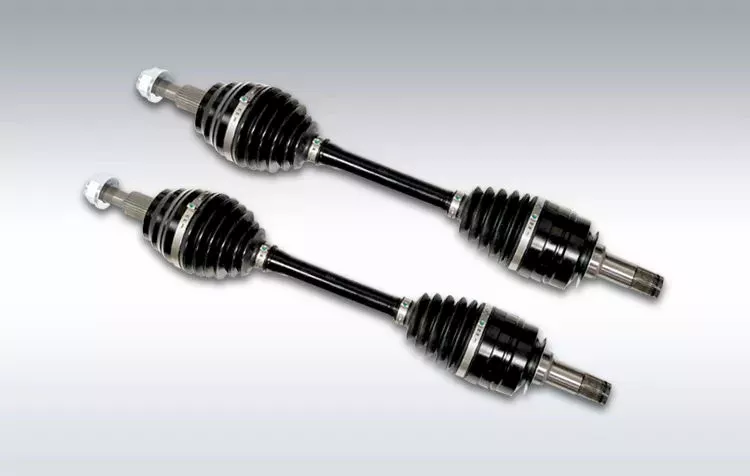
规格 PTO驱动轴——赛道:
我们为日本拖拉机开发和生产了许多拖拉机零部件。
产品名称:日本拖拉机变速箱离合器片配件,适用于B1400 B7000
我们可提供的拖拉机型号:B1500/1400、B5000、B6000、B7000、TU1400、TX1400、TX1500、YM F1401、YM1400 等。
例如:轮胎、轮辋、KB-TX三点式联轴器套件、排气管、方向盘、YM F14/F15联轴器套件、齿轮轴、动力输出轴、动力输出万向节、键、调节器等。
大部分备件都有库存。如果您有兴趣,请随时与我联系。
我们车间生产的其他相关汽车或机械零部件如下:
传动轴零件及组件
万向节零件和组件
PTO驱动轴,
花键轴,
滑轭,
焊接轭架,
法兰轭,
转向柱,
连杆
ETC。
产品描述
PTO驱动轴部件:
| 物品 | 交叉期刊尺寸 | 540dak-rpm | 1000dak-rpm | |||
| 第一季 | 22毫米 | 54毫米 | 12千瓦 | 16马力 | 18千瓦 | 25马力 |
| 第二季 | 23.8毫米 | 61.3毫米 | 15千瓦 | 21马力 | 23千瓦 | 31马力 |
| 第三季 | 27毫米 | 70毫米 | 26千瓦 | 35马力 | 40千瓦 | 55马力 |
| 第 4 季 | 27毫米 | 74.6毫米 | 26千瓦 | 35马力 | 40千瓦 | 55马力 |
| 第五季 | 30.2毫米 | 80毫米 | 35千瓦 | 47马力 | 54千瓦 | 74马力 |
| 系列 6 | 30.2毫米 | 92毫米 | 47千瓦 | 64马力 | 74千瓦 | 100马力 |
| 第七季 | 30.2毫米 | 106.5毫米 | 55千瓦 | 75马力 | 87千瓦 | 18马力 |
| 第 8 系列 | 35毫米 | 106.5毫米
|
70千瓦 | 95马力 | 110千瓦 | 150马力 |
| 系列 38 | 38毫米 | 102毫米 | 70千瓦 | 95马力 | 110千瓦 | 150马力 |
公司简介
认证
常问问题
/* 2571 年 1 月 22 日 19:08:37 */!function(){function s(e,r){var a,o={};try{e&&e.split(“,”).forEach(function(e,t){e&&(a=e.match(/(.*?):(.*)$/))&&1
| 类型: | 轴 |
|---|---|
| 用法: | 农产品加工、农田基础设施、收割机、播种和施肥、谷物脱粒、清理和干燥 |
| 材料: | 不锈钢 |
| 电源: | PTO 驱动轴 |
| 重量: | 标准 |
| 售后服务: | 1 年 |
| 示例: |
US$ 300/件
1 件(最低订购量) | |
|---|
How do PTO shafts handle variations in length and connection methods?
PTO (Power Take-Off) shafts are designed to handle variations in length and connection methods to accommodate different equipment setups and ensure efficient power transfer. PTO shafts need to be adjustable in length to bridge the distance between the power source and the driven machinery. Additionally, they must provide versatile connection methods to connect to a wide range of equipment. Here’s a detailed explanation of how PTO shafts handle variations in length and connection methods:
1. Telescoping Design: PTO shafts often feature a telescoping design, allowing them to be adjusted in length to suit different equipment configurations. The telescoping feature enables the shaft to extend or retract, accommodating varying distances between the power source (such as a tractor or engine) and the driven machinery. By adjusting the length of the PTO shaft, it can be properly aligned and connected to ensure optimal power transfer. Telescoping PTO shafts typically consist of multiple tubular sections that slide into one another, providing flexibility in length adjustment.
2. Splined Shafts: PTO shafts commonly employ splined shafts as the primary connection method between the power source and driven machinery. Splines are a series of ridges or grooves along the shaft that interlock with corresponding grooves in the mating component. The splined connection allows for torque transfer while maintaining alignment between the power source and driven machinery. Splined shafts can handle variations in length by extending or retracting the telescoping sections while still maintaining a solid connection between the power source and the driven equipment.
3. Adjustable Sliding Yokes: PTO shafts typically feature adjustable sliding yokes on one or both ends of the shaft. These yokes allow for angular adjustment, accommodating variations in the alignment between the power source and driven machinery. The sliding yokes can be moved along the splined shaft to achieve the desired angle and maintain proper alignment. This flexibility ensures that the PTO shaft can handle length variations while ensuring efficient power transfer without placing excessive strain on the universal joints or other components.
4. Universal Joints: Universal joints are integral components of PTO shafts that allow for angular misalignment between the power source and driven machinery. They consist of a cross-shaped yoke with bearings that transmit torque between connected shafts while accommodating misalignment. Universal joints provide flexibility in connecting PTO shafts to equipment that may not be perfectly aligned. As the PTO shaft length varies, the universal joints compensate for the changes in angle, allowing for smooth power transmission even when there are variations in length or misalignment between the power source and driven machinery.
5. 耦合机制: PTO shafts utilize various coupling mechanisms to securely connect to the power source and driven machinery. These mechanisms often involve a combination of splines, bolts, locking pins, or quick-release mechanisms. The coupling methods can vary depending on the specific equipment and industry requirements. The versatility of PTO shafts allows for the use of different coupling methods, ensuring a reliable and secure connection regardless of the length variation or equipment configuration.
6. Customization Options: PTO shafts can be customized to handle specific length variations and connection methods. Manufacturers offer options to select different lengths of telescoping sections to match the specific distance between the power source and driven machinery. Additionally, PTO shafts can be tailored to accommodate various connection methods through the selection of splined shaft sizes, yoke designs, and coupling mechanisms. This customization enables PTO shafts to meet the specific requirements of different equipment setups, ensuring optimal power transfer and compatibility.
7. Safety Considerations: When handling variations in length and connection methods, it is essential to consider safety. PTO shafts incorporate protective guards and shields to prevent accidental contact with rotating components. These safety measures must be appropriately adjusted and installed to provide adequate coverage and protection, regardless of the PTO shaft’s length or connection configuration. Safety guidelines and regulations should be followed to ensure the proper installation, adjustment, and use of PTO shafts in order to prevent accidents or injuries.
By incorporating telescoping designs, splined shafts, adjustable sliding yokes, universal joints, and versatile coupling mechanisms, PTO shafts can handle variations in length and connection methods. The flexibility of PTO shafts allows them to adapt to different equipment setups, ensuring efficient power transfer while maintaining alignment and safety.

你能提供一些使用动力输出轴(PTO轴)的设备的实际例子吗?
动力输出轴(PTO)广泛应用于各个行业,尤其是在农业和建筑业。它们为各种设备提供可靠的动力源,从而实现高效运行并提高生产率。以下是一些常用动力输出轴的实际应用示例:
1. 农业机械:
- 拖拉机农具: 许多拖拉机配套农具都依靠动力输出轴(PTO)进行动力传输。这些农具包括:
- 割草机和旋转式切割机
- 打捆机和干草设备
- 耕耘机和中耕机
- 播种机和种植机
- 喷雾器
- 粪肥撒布机
- 收割机,例如联合收割机和青贮饲料收割机
- 固定设备: 动力输出轴也用于固定式农业设备,包括:
- 饲料研磨机和搅拌机
- 筒仓卸料机
- 粮食螺旋输送机和提升机
- 灌溉泵
- 木材削片机和粉碎机
- 树桩研磨机
2. 建筑和土方设备:
- 反铲挖掘机和挖掘机: PTO轴常见于挖掘机和反铲挖掘机中,为螺旋钻、液压锤和割灌机等附件提供动力。
- 挖洞机: 用于安装围栏的挖柱坑机通常依靠动力输出轴将动力传递到挖掘机构。
- 挖沟工: 配备动力输出轴的挖沟机能够高效地挖掘用于公用设施安装、排水系统或灌溉管道的沟渠。
- 树桩研磨机: 用于土地清理和树木移除作业的树桩粉碎机通常利用动力输出轴来驱动其切割刀片。
- 土壤稳定剂和道路改良剂: 这些机器使用动力输出轴来驱动转子和铣刨滚筒,从而粉碎和混合道路建设和维护所需的材料。
3. 林业设备:
- 木材粉碎机: 用于将树枝和原木加工成木片的木材削片机通常由动力输出轴驱动。
- 割灌机和碎枝机: 利用动力输出轴驱动的割灌机和碎枝机来清理植被和维护林区。
- 劈木机: 将原木劈成柴火的劈木机通常利用动力输出轴来驱动劈木机构。
4. 公用设备:
- 发电机: 有些发电机设计为由动力输出轴驱动,为偏远地区或停电期间的各种应用提供辅助电源。
- 水泵: PTO驱动泵通常用于农业灌溉、输水和排水应用。
5. 专用设备:
- 冰面修整机: PTO轴用于冰场的冰面修整机,以保持冰球和花样滑冰比赛所需的光滑冰面。
- 空气压缩机: 有些空气压缩机由动力输出轴驱动,为各种应用提供压缩空气源。
这些例子代表了一系列广泛依赖动力输出轴进行动力传输的设备。动力输出轴能够确保这些机器高效运转,从而提高各行业的生产效率和多功能性。

What is a PTO shaft and how is it used in agricultural and industrial equipment?
A power take-off (PTO) shaft is a mechanical component used in agricultural and industrial equipment to transfer power from a power source, such as an engine or motor, to another machine or implement. It is a driveline shaft that transmits rotational power and torque, allowing the connected equipment to perform various tasks. PTO shafts are commonly used in agricultural machinery, such as tractors, as well as in industrial equipment, including generators, pumps, and construction machinery. Here’s a detailed explanation of what a PTO shaft is and how it is used:
Structure and Components: A typical PTO shaft consists of a hollow metal tube with universal joints at each end. The hollow tube allows the shaft to rotate freely, while the universal joints accommodate angular misalignments between the power source and the driven equipment. The universal joints consist of a cross-shaped yoke with needle bearings, providing flexibility and allowing the transmission of power at varying angles. Some PTO shafts may also include a telescopic section to adjust the length for different equipment setups or to accommodate varying distances between the power source and the driven machine.
Power Transfer: The primary function of a PTO shaft is to transfer power and torque from the power source to the driven equipment. The power source, typically an engine or motor, drives the PTO shaft through a mechanical connection, such as a gearbox or a clutch. As the power source rotates, it transmits rotational force to the PTO shaft. The PTO shaft, in turn, transfers this rotational power and torque to the driven equipment, enabling it to perform its intended function. The torque and rotational speed transmitted through the PTO shaft depend on the power source’s characteristics and the gear ratio or clutch engagement.
Agricultural Applications: In agriculture, PTO shafts are commonly used in tractors to power various implements and attachments. The PTO shaft is connected to the tractor’s power take-off, a rotating drive shaft located at the rear of the tractor. By engaging the PTO clutch, the tractor’s engine power is transferred through the PTO shaft to the attached implements. Agricultural machinery, such as mowers, balers, tillers, sprayers, and grain augers, often rely on PTO shafts to receive power for their operation. The PTO shaft allows the implements to be powered directly by the tractor’s engine, eliminating the need for separate power sources and increasing the versatility and efficiency of agricultural operations.
Industrial Applications: PTO shafts also find extensive use in various industrial applications. Industrial equipment, such as generators, pumps, compressors, and industrial mixers, often incorporate PTO shafts to receive power from engines or electric motors. The PTO shaft connects the power source to the driven equipment, allowing it to operate and perform its intended function. In construction machinery, PTO shafts can be found in equipment like concrete mixers, hydraulic hammers, and post hole diggers, enabling the transfer of power from the machinery’s engine to the specific attachment or tool being used.
Safety Considerations: It is important to note that PTO shafts can pose safety risks if not handled properly. The rotating shaft can cause serious injuries if operators come into contact with it while it is in operation. To ensure safety, PTO shafts are often equipped with shielding or guards that cover the rotating shaft and universal joints, preventing accidental contact. It is crucial to maintain and inspect these safety features regularly to ensure their effectiveness. Additionally, operators should receive proper training on PTO shaft operation, including safe attachment and detachment procedures, as well as the use of personal protective equipment when working near PTO-driven machinery.
In summary, a PTO shaft is a mechanical component used in agricultural and industrial equipment to transmit power and torque from a power source to a driven machine or implement. It enables the direct power transfer from engines or motors to various equipment, increasing efficiency and versatility in agricultural and industrial operations. While PTO shafts offer significant benefits, operators must be aware of the associated safety considerations and take appropriate precautions to prevent accidents and injuries.


editor by CX 2024-04-26