产品描述
PTO Shaft for Round Balers
Our PTO shaft Adaptable models
Krone Round Balers
Models : KR100 / 130 / 155 / 160 / 1250 / 1260 / 1500 / 1550
Available in both the Ever-power Profile metric series, Ever-power driveshafts are used extensively throughout the global agriculture market. Each custom-designed Ever-power drive shaft may include a telescoping shaft, yokes (tube, shaft, tractor and implement), cross and bearing kits, and a guard. Ever-power used within machinery itself or for power take-off, a wide array of design options, including telescoping, high speed, and double telescoping, ensure an ideal match to every application.Ever-power’s patented Easy Lock guard system can be used to cover the drive shaft with fast and simple removal and replacement.
|
Constant Velocity PTO |
拖拉机 |
Base Part Number |
|
CAT3/540 |
1.375-6 |
71R4121UCW07000 |
|
CAT4/540 |
1.375-6 |
71R6121UCW07000 |
Krone Round Balers are equipped with a friction or cutout clutch
Baler Input Requirements
FT Clutches for 1.375-6 spline input
|
Universal Size |
Torque nm |
Part Number |
|
CAT3 / S4 |
1000nm |
6QE344901R |
|
CAT3 / S4 |
1000nm |
635E41203R |
|
CAT4 / S6 |
1800nm |
663H53403R |
PTO Shaft Application
As long as the device does not have its own engine, you will see it being used. For example, you will often see power takeoff used in commercial vehicles and agricultural equipment. In fact, PTO innovation mainly comes from the CHINAMFG of farmers. The tractor engine is used as a PTO to operate a jackhammer or other equipment.
Some other applications you see for PTO include:
wood chipper
Hay baler
Harvester
Mechanical arm
water pump
What does PTO do
PTO Shaft Application
We Also Supply PTO Shafts
product-group/VqTESwWofuhM/PTO-Shaft-catalog-1.html
PTO Shaft Manufacturer
Ever-power covers an area of more than 12000 square CHINAMFG and employs more than 100 people. We specialize in developing, manufacturing, and selling PTO shafts, industrial universal shafts, automobile drive shafts, universal joint coupling shafts, universal joints, etc. The annual turnover is 60 million yuan and 9 million US dollars, increasing year by year. Our products enjoy a high reputation among customers in Europe, the United States, Asia, Australia, and North America. We are the top 3 professional OEM suppliers of many agricultural tool factories in the domestic market. CHINAMFG transmission shaft adheres to our “QDP” principle: quality first, rapid delivery, and competitive price. We have obtained CE, TS / 16949, and ISO9001 certification, and have systematic production equipment and a QC team to ensure our quality and delivery. We warmly welcome friends from all walks of life to visit and establish mutually beneficial long-term cooperative relations.
Company Information
/* 2571 年 1 月 22 日 19:08:37 */!function(){function s(e,r){var a,o={};try{e&&e.split(“,”).forEach(function(e,t){e&&(a=e.match(/(.*?):(.*)$/))&&1
| 类型: | Agricultural |
|---|---|
| 用法: | 农产品加工、农田基础设施、耕作、收割、播种和施肥、谷物脱粒、清理和干燥 |
| 材料: | Iron |
| 电源: | Electricity |
| 重量: | 21kg |
| 售后服务: | Installation Guide 3-Year Warranty |
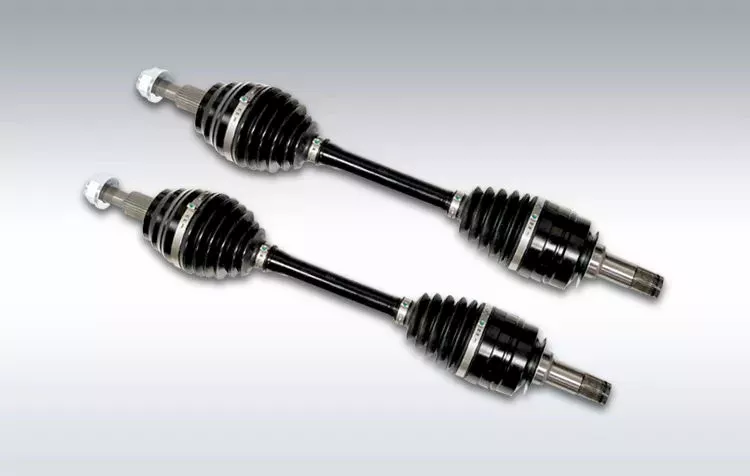
PTO轴如何应对长度和连接方式的变化?
动力输出轴(PTO)的设计旨在适应不同的长度和连接方式,以匹配不同的设备配置并确保高效的动力传输。动力输出轴的长度需要可调,以弥补动力源与被驱动机械之间的距离。此外,它们还必须提供多种连接方式,以便与各种设备连接。以下详细解释了动力输出轴如何适应不同的长度和连接方式:
1.伸缩式设计: 动力输出轴通常采用伸缩式设计,其长度可调节,以适应不同的设备配置。这种伸缩功能使轴能够伸长或缩回,从而适应动力源(例如拖拉机或发动机)与被驱动机械之间不同的距离。通过调节动力输出轴的长度,可以对其进行正确的对准和连接,以确保最佳的动力传输。伸缩式动力输出轴通常由多个相互滑动的管状部分组成,从而实现长度调节的灵活性。
2. 花键轴: 动力输出轴通常采用花键轴作为动力源与被驱动机械之间的主要连接方式。花键是轴上的一系列凸脊或凹槽,与配合部件上的相应凹槽相互咬合。花键连接能够在传递扭矩的同时,保持动力源与被驱动机械之间的对准。花键轴可以通过伸缩节段来适应长度变化,同时仍能保持动力源与被驱动设备之间的牢固连接。
3. 可调节滑动轭: 动力输出轴通常在轴的一端或两端设有可调节的滑动轭。这些滑动轭允许进行角度调节,以适应动力源和被驱动机械之间对准的变化。滑动轭可以沿着花键轴移动,以达到所需的角度并保持正确的对准。这种灵活性确保动力输出轴能够应对长度变化,同时保证高效的动力传输,而不会对万向节或其他部件造成过大的压力。
4. 万向节: 万向节是动力输出轴的重要组成部分,它允许动力源和被驱动机械之间存在角度偏差。万向节由十字形轭架和轴承组成,轴承在连接轴之间传递扭矩,同时适应偏差。万向节使动力输出轴能够灵活地连接到可能未完全对准的设备。随着动力输出轴长度的变化,万向节可以补偿角度的变化,即使动力源和被驱动机械之间存在长度差异或偏差,也能实现平稳的动力传输。
5. 耦合机制: 动力输出轴(PTO轴)采用多种联轴器机构与动力源和被驱动机械牢固连接。这些机构通常结合使用花键、螺栓、锁销或快速释放机构。联轴器的具体方式会根据设备和行业要求而有所不同。动力输出轴的多功能性使其能够采用不同的联轴器方式,从而确保无论轴长或设备配置如何,都能实现可靠安全的连接。
6. 自定义选项: 动力输出轴(PTO轴)可根据特定的长度变化和连接方式进行定制。制造商提供不同长度的伸缩节段供选择,以匹配动力源和被驱动机械之间的特定距离。此外,通过选择花键轴尺寸、轭架设计和联轴器机构,动力输出轴还可以适应各种连接方式。这种定制化设计使动力输出轴能够满足不同设备配置的特定需求,从而确保最佳的动力传输和兼容性。
7. 安全注意事项: 在处理不同长度和连接方式的动力输出轴时,安全至关重要。动力输出轴通常配备防护罩和护罩,以防止意外接触旋转部件。无论动力输出轴的长度或连接方式如何,这些安全措施都必须进行适当调整和安装,以提供充分的覆盖和保护。应遵循安全指南和规章,确保动力输出轴的正确安装、调整和使用,以防止事故或人身伤害。
通过采用伸缩式设计、花键轴、可调式滑动轭、万向节和多功能联轴器,动力输出轴可以适应不同的长度和连接方式。动力输出轴的灵活性使其能够适应不同的设备配置,确保高效的动力传输,同时保持对准和安全。
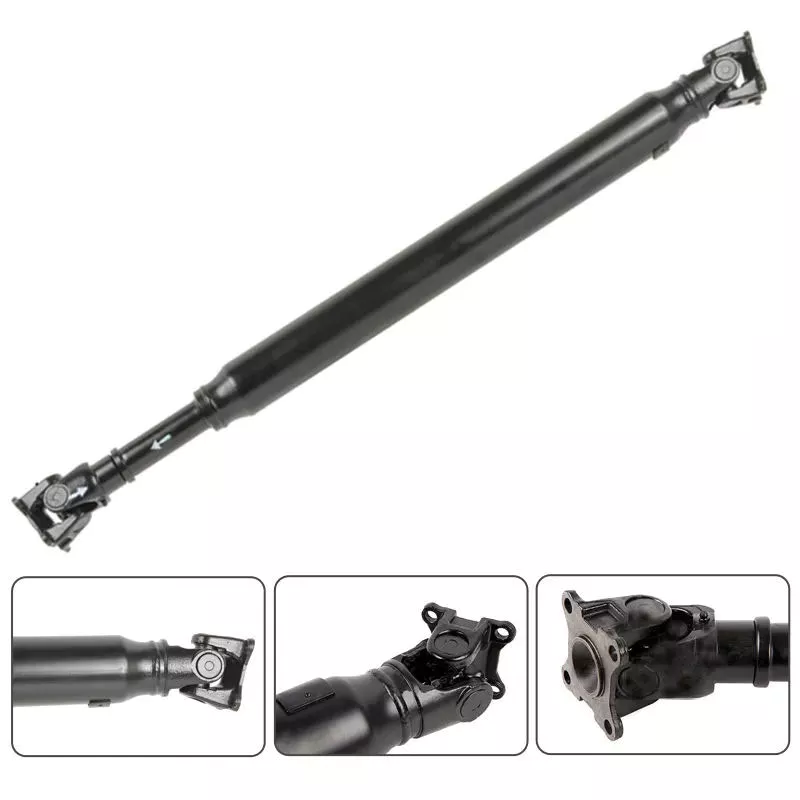
动力输出轴(PTO轴)有哪些局限性或缺点?
动力输出轴(PTO)在动力传输和多功能性方面具有诸多优势,但也存在一些局限性和缺点。使用动力输出轴时,务必考虑这些因素,以确保安全高效的运行。以下详细解释了动力输出轴的一些局限性和缺点:
1. 安全隐患: 动力输出轴(PTO轴)的主要安全隐患之一是潜在的危险。动力输出轴高速旋转,如果防护不当或操作不当,可能造成重大风险。意外接触裸露或防护不足的动力输出轴可能导致严重伤害,包括缠绕、截肢甚至死亡。因此,必须严格遵守安全准则,采取适当的防护措施,并确保操作人员接受过安全操作培训,以降低这些风险。
2. 维护和润滑: 动力输出轴需要定期维护和润滑,以确保最佳性能和使用寿命。万向节和花键等运动部件需要按照建议的周期进行检查、清洁和润滑。忽视维护会导致过早磨损、效率下降,甚至可能出现故障。正确的维护措施,包括定期检查和及时润滑,对于避免这些问题至关重要。
3. 对齐方式和角度: 动力输出轴 (PTO) 的高效动力传输依赖于正确的对准和角度。动力源与被驱动机械之间的不对中或角度过大会导致部件磨损和应力增加,最终导致过早失效。使用可调式滑动轭或其他方式确保正确的对准和角度调整,对于防止动力输出轴及其相关设备承受过大的应力至关重要。
4. 长度限制: 由于工程限制,动力输出轴(PTO轴)的最大和最小长度均有限制。伸缩式设计允许进行一定程度的调节,但轴的伸缩量存在实际限制。如果动力源与被驱动机械之间的距离超过动力输出轴的最大长度或小于其最小长度,则可能需要采用其他解决方案或进行改装。在某些情况下,可能需要额外的部件,例如传动轴延长件或变速箱,来弥补距离上的不足。
5. 兼容性: 尽管制造商努力确保兼容性,但为特定设备配置找到合适的动力输出轴仍然可能面临挑战。设备在花键尺寸、扭矩额定值或连接方式方面可能存在特殊要求,而这些要求可能无法轻易获得,或者与现成的动力输出轴不兼容。为了解决这些兼容性问题,可能需要进行定制,这可能会导致成本增加或交货时间延长。
6. 噪音和振动: 动力输出轴在运转时会产生明显的噪音和振动,尤其是在高速运转时。这会给操作人员带来不便,可能需要采取额外措施来降低噪音或抑制振动。过度振动还会影响动力输出轴及其连接设备的整体性能和使用寿命。安装减振器或使用柔性联轴器有助于缓解这些问题。
7. 功率限制: 动力输出轴(PTO轴)的功率限制取决于其设计、材料和部件。超过这些功率限制会导致过早磨损、部件故障,甚至轴断裂。了解并遵守PTO轴的推荐功率等级至关重要,以确保安全可靠的运行。在某些情况下,可能需要升级到更高容量的PTO轴或增加动力传输部件,以满足更高的功率需求。
8. 复杂的安装和拆卸: 安装和拆卸动力输出轴可能是一个复杂的过程,尤其是在狭小空间或操作重型设备时。这可能需要对准花键、接合联轴器以及固定锁定机构。不正确的安装或拆卸方法会导致轴或相关设备损坏。正确的培训、操作设备以及遵循制造商的指导方针对于简化和确保动力输出轴的安全安装和拆卸至关重要。
尽管存在这些局限性和缺点,动力输出轴仍然是各行业广泛应用且极具价值的动力传输部件。通过解决这些问题并实施适当的安全措施、维护规范和对准程序,可以有效减轻动力输出轴的潜在缺点,从而实现安全高效的运行。

动力输出轴如何帮助将动力从拖拉机传递到农具?
动力输出轴(PTO轴)在农业和工业生产中,对于将动力从拖拉机传递到农具起着至关重要的作用。它们提供了一种可靠高效的动力传输方式,使拖拉机能够驱动各种农具并执行各种作业。以下详细解释了动力输出轴如何将动力从拖拉机传递到农具:
电源: 拖拉机配备强劲的发动机,旨在产生大量的机械动力。这些动力用于驱动拖拉机的车轮和液压系统,并通过动力输出轴(PTO)为农具的连接提供动力。动力输出轴通常连接到拖拉机的后部或侧面,动力输出机构就位于此处。动力输出机构直接从拖拉机的发动机或变速箱获取动力,从而实现高效的动力传递至动力输出轴。
动力输出轴设计: 动力输出轴(PTO轴)是传动系统中的部件,用于将拖拉机动力输出轴的旋转动力和扭矩传递至农具。它由一根空心金属管组成,两端装有万向节。万向节可以补偿角度偏差,即使拖拉机和农具未完全对准,动力输出轴也能传递动力。动力输出轴还配备安全护罩或防护罩,以防止意外接触旋转轴,从而确保操作人员在作业过程中的安全。
PTO参与度: 要将动力从拖拉机传递到农具,需要接合动力输出轴(PTO)。拖拉机配备有动力输出轴离合器机构,操作员可以根据需要接合或分离动力输出轴。接合动力输出轴离合器后,动力从拖拉机发动机经由动力输出机构传递到动力输出轴。然后,该旋转动力通过动力输出轴传递到农具,驱动其工作部件。
旋转动力传输: 拖拉机发动机产生的旋转动力通过动力输出机构传递到动力输出轴(PTO)。动力输出轴与动力输出机构直接相连,因此其转速与发动机转速相同。然后,该旋转动力从动力输出轴传递到农具的传动系统或变速箱。农具的传动系统再将动力分配给农具的各个工作部件,例如刀片、螺旋钻或泵,使它们能够执行各自的功能。
速度与力量的匹配: 动力输出轴(PTO)的设计旨在匹配各种农具的转速和动力需求。拖拉机通常配备多档动力输出轴转速设置,方便操作员根据所使用的特定农具选择合适的转速。不同的农具可能需要不同的转速才能达到最佳工作状态,而动力输出轴可以轻松调节以满足这些需求。此外,拖拉机发动机产生的动力通过动力输出轴传递,提供驱动农具工作部件所需的扭矩,从而有效地完成工作。
多功能性和高效性: 动力输出轴(PTO)在农业和工业作业中展现出显著的多功能性和效率。它使拖拉机能够驱动各种农具,包括割草机、打捆机、耕耘机、喷雾器和谷物输送机等。通过将农具直接连接到拖拉机的动力源,操作人员无需单独的发电机或发动机即可快速切换作业。这种多功能性和高效性简化了工作流程,降低了成本,并提高了农业和工业生产的整体效率。
安全注意事项: 动力输出轴(PTO轴)对于动力传输至关重要,但如果操作不当,也可能造成安全隐患。旋转轴和万向节在操作过程中,如果操作人员接触到它们,可能会造成严重伤害。因此,动力输出轴都配备了安全防护罩或护套,以防止意外接触。操作人员在启动动力输出轴之前,务必确保安全防护罩已安装到位并牢固。适当的培训、遵守安全规程以及定期维护动力输出轴及其相关安全装置,对于确保安全操作至关重要。
总而言之,动力输出轴(PTO轴)是农业和工业应用中将动力从拖拉机传递到农具的关键部件。它们提供了一种可靠高效的动力传输方式,使拖拉机能够驱动各种农具并执行广泛的作业。通过接合动力输出离合器并将旋转动力通过动力输出轴传递,拖拉机驱动农具的工作部件,从而在农业和工业作业中实现多功能性、效率和生产力的提升。


editor by CX 2024-04-12