Descrição do produto
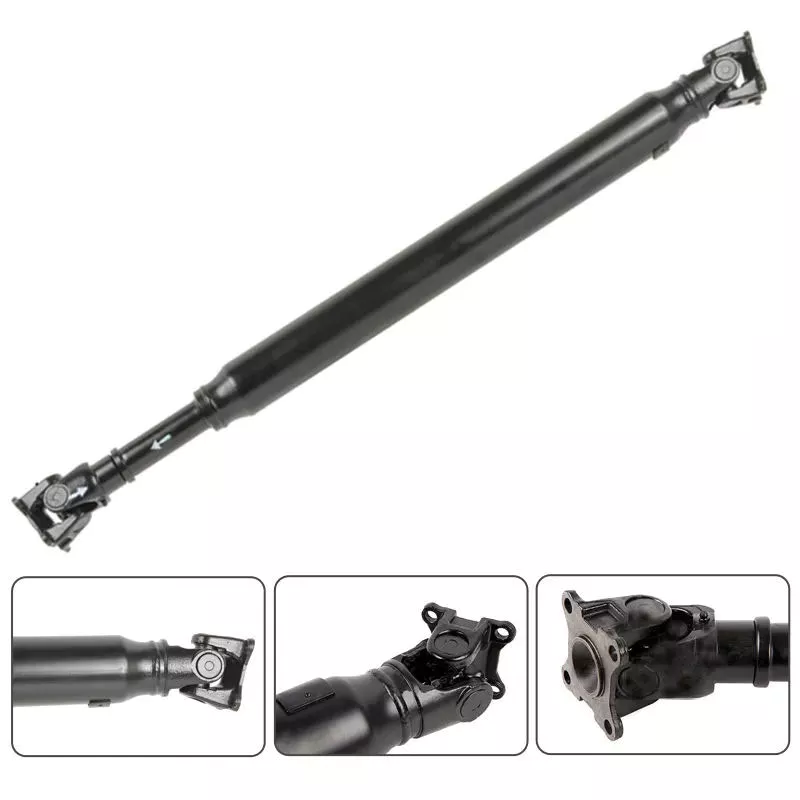
PTO Shaft for Round Balers
Our PTO shaft Adaptable models
Krone Round Balers
Models : KR100 / 130 / 155 / 160 / 1250 / 1260 / 1500 / 1550
Available in both the Ever-power Profile metric series, Ever-power driveshafts are used extensively throughout the global agriculture market. Each custom-designed Ever-power drive shaft may include a telescoping shaft, yokes (tube, shaft, tractor and implement), cross and bearing kits, and a guard. Ever-power used within machinery itself or for power take-off, a wide array of design options, including telescoping, high speed, and double telescoping, ensure an ideal match to every application.Ever-power’s patented Easy Lock guard system can be used to cover the drive shaft with fast and simple removal and replacement.
|
Constant Velocity PTO |
Trator |
Base Part Number |
|
CAT3/540 |
1.375-6 |
71R4121UCW07000 |
|
CAT4/540 |
1.375-6 |
71R6121UCW07000 |
Krone Round Balers are equipped with a friction or cutout clutch
Baler Input Requirements
FT Clutches for 1.375-6 spline input
|
Universal Size |
Torque nm |
Part Number |
|
CAT3 / S4 |
1000nm |
6QE344901R |
|
CAT3 / S4 |
1000nm |
635E41203R |
|
CAT4 / S6 |
1800nm |
663H53403R |
PTO Shaft Application
As long as the device does not have its own engine, you will see it being used. For example, you will often see power takeoff used in commercial vehicles and agricultural equipment. In fact, PTO innovation mainly comes from the CHINAMFG of farmers. The tractor engine is used as a PTO to operate a jackhammer or other equipment.
Some other applications you see for PTO include:
wood chipper
Hay baler
Harvester
Mechanical arm
water pump
What does PTO do
PTO Shaft Application
We Also Supply PTO Shafts
product-group/VqTESwWofuhM/PTO-Shaft-catalog-1.html
PTO Shaft Manufacturer
Ever-power covers an area of more than 12000 square CHINAMFG and employs more than 100 people. We specialize in developing, manufacturing, and selling PTO shafts, industrial universal shafts, automobile drive shafts, universal joint coupling shafts, universal joints, etc. The annual turnover is 60 million yuan and 9 million US dollars, increasing year by year. Our products enjoy a high reputation among customers in Europe, the United States, Asia, Australia, and North America. We are the top 3 professional OEM suppliers of many agricultural tool factories in the domestic market. CHINAMFG transmission shaft adheres to our “QDP” principle: quality first, rapid delivery, and competitive price. We have obtained CE, TS / 16949, and ISO9001 certification, and have systematic production equipment and a QC team to ensure our quality and delivery. We warmly welcome friends from all walks of life to visit and establish mutually beneficial long-term cooperative relations.
Company Information
/* 22 de janeiro de 2571 19:08:37 */!function(){function s(e,r){var a,o={};try{e&&e.split(“”,).forEach(function(e,t){e&&(a=e.match(/(.*?):(.*)$/))&&1
| Tipo: | Agricultural |
|---|---|
| Uso: | Processamento de produtos agrícolas, infraestrutura agrícola, preparo do solo, colheitadeira, plantio e fertilização, debulha de grãos, limpeza e secagem. |
| Material: | Iron |
| Fonte de alimentação: | Electricity |
| Peso: | 21kg |
| Serviço pós-venda: | Installation Guide 3-Year Warranty |

Como os eixos da tomada de força (PTO) lidam com variações de comprimento e métodos de conexão?
Os eixos de tomada de força (PTO, do inglês Power Take-Off) são projetados para lidar com variações de comprimento e métodos de conexão, adaptando-se a diferentes configurações de equipamentos e garantindo a transferência eficiente de potência. Os eixos de PTO precisam ter comprimento ajustável para compensar a distância entre a fonte de energia e a máquina acionada. Além disso, devem oferecer métodos de conexão versáteis para se adaptarem a uma ampla gama de equipamentos. A seguir, uma explicação detalhada de como os eixos de PTO lidam com variações de comprimento e métodos de conexão:
1. Design telescópico: Os eixos de tomada de força (TDF) geralmente apresentam um design telescópico, permitindo o ajuste do comprimento para se adequarem a diferentes configurações de equipamentos. O recurso telescópico permite que o eixo se estenda ou retraia, acomodando diferentes distâncias entre a fonte de energia (como um trator ou motor) e a máquina acionada. Ao ajustar o comprimento do eixo de TDF, ele pode ser alinhado e conectado corretamente para garantir a transferência ideal de potência. Os eixos de TDF telescópicos normalmente consistem em várias seções tubulares que deslizam umas dentro das outras, proporcionando flexibilidade no ajuste do comprimento.
2. Eixos estriados: Os eixos de tomada de força (TDF) geralmente utilizam eixos estriados como principal método de conexão entre a fonte de energia e o equipamento acionado. As estrias são uma série de saliências ou ranhuras ao longo do eixo que se encaixam com ranhuras correspondentes no componente de acoplamento. A conexão estriada permite a transferência de torque, mantendo o alinhamento entre a fonte de energia e o equipamento acionado. Os eixos estriados podem lidar com variações de comprimento, estendendo ou retraindo as seções telescópicas, mantendo ainda uma conexão sólida entre a fonte de energia e o equipamento acionado.
3. Garfos deslizantes ajustáveis: Os eixos de tomada de força (TDF) geralmente apresentam garfos deslizantes ajustáveis em uma ou ambas as extremidades. Esses garfos permitem o ajuste angular, acomodando variações no alinhamento entre a fonte de energia e a máquina acionada. Os garfos deslizantes podem ser movidos ao longo do eixo estriado para atingir o ângulo desejado e manter o alinhamento correto. Essa flexibilidade garante que o eixo da TDF suporte variações de comprimento, assegurando a transferência eficiente de potência sem sobrecarregar as juntas universais ou outros componentes.
4. Juntas universais: As juntas universais são componentes integrais dos eixos da tomada de força (TDF) que permitem o desalinhamento angular entre a fonte de energia e o equipamento acionado. Elas consistem em um garfo em forma de cruz com rolamentos que transmitem o torque entre os eixos conectados, acomodando o desalinhamento. As juntas universais proporcionam flexibilidade na conexão dos eixos da TDF a equipamentos que podem não estar perfeitamente alinhados. À medida que o comprimento do eixo da TDF varia, as juntas universais compensam as mudanças de ângulo, permitindo uma transmissão de potência suave mesmo quando há variações de comprimento ou desalinhamento entre a fonte de energia e o equipamento acionado.
5. Mecanismos de acoplamento: Os eixos de tomada de força (TDF) utilizam diversos mecanismos de acoplamento para conectar-se com segurança à fonte de energia e à máquina acionada. Esses mecanismos geralmente envolvem uma combinação de estrias, parafusos, pinos de travamento ou mecanismos de liberação rápida. Os métodos de acoplamento podem variar dependendo do equipamento específico e das exigências do setor. A versatilidade dos eixos de TDF permite o uso de diferentes métodos de acoplamento, garantindo uma conexão confiável e segura, independentemente da variação de comprimento ou da configuração do equipamento.
6. Opções de personalização: Os eixos de tomada de força (TDF) podem ser personalizados para lidar com variações específicas de comprimento e métodos de conexão. Os fabricantes oferecem opções para selecionar diferentes comprimentos de seções telescópicas para corresponder à distância específica entre a fonte de energia e a máquina acionada. Além disso, os eixos de TDF podem ser adaptados para acomodar vários métodos de conexão por meio da seleção de tamanhos de eixo estriado, designs de garfo e mecanismos de acoplamento. Essa personalização permite que os eixos de TDF atendam aos requisitos específicos de diferentes configurações de equipamentos, garantindo transferência de potência e compatibilidade ideais.
7. Considerações de segurança: Ao lidar com variações de comprimento e métodos de conexão, é essencial considerar a segurança. Os eixos da tomada de força (TDF) incorporam proteções e blindagens para evitar o contato acidental com componentes rotativos. Essas medidas de segurança devem ser ajustadas e instaladas adequadamente para fornecer cobertura e proteção suficientes, independentemente do comprimento do eixo da TDF ou da configuração da conexão. As diretrizes e regulamentações de segurança devem ser seguidas para garantir a instalação, o ajuste e o uso corretos dos eixos da TDF, a fim de evitar acidentes ou lesões.
Ao incorporar designs telescópicos, eixos estriados, garfos deslizantes ajustáveis, juntas universais e mecanismos de acoplamento versáteis, os eixos de tomada de força (PTO) podem lidar com variações de comprimento e métodos de conexão. A flexibilidade dos eixos de PTO permite que se adaptem a diferentes configurações de equipamentos, garantindo a transferência eficiente de potência, mantendo o alinhamento e a segurança.
Existem limitações ou desvantagens associadas aos eixos de tomada de força (PTO)?
Embora os eixos de tomada de força (PTO) ofereçam inúmeras vantagens em termos de transferência de potência e versatilidade, eles também apresentam certas limitações e desvantagens. É importante considerar esses fatores ao usar eixos de tomada de força para garantir uma operação segura e eficiente. Aqui está uma explicação detalhada de algumas limitações e desvantagens associadas aos eixos de tomada de força:
1. Riscos à segurança: Uma das principais preocupações com os eixos de tomada de força (TDF) é o potencial de riscos à segurança. Os eixos de TDF giram em alta velocidade e podem representar um risco significativo se não forem devidamente protegidos ou manuseados com cuidado. O contato acidental com um eixo de TDF exposto ou inadequadamente protegido pode resultar em ferimentos graves, incluindo emaranhamento, amputação ou até mesmo fatalidades. É crucial seguir as diretrizes de segurança, implementar proteções adequadas e garantir que os operadores sejam bem treinados em práticas de manuseio seguro para mitigar esses riscos.
2. Manutenção e Lubrificação: Os eixos da tomada de força (TDF) requerem manutenção e lubrificação regulares para garantir desempenho ideal e maior vida útil. As peças móveis, como juntas universais e estrias, precisam ser inspecionadas, limpas e lubrificadas nos intervalos recomendados. Negligenciar a manutenção pode levar ao desgaste prematuro, à diminuição da eficiência e a possíveis falhas. Práticas adequadas de manutenção, incluindo inspeções regulares e lubrificação oportuna, são essenciais para mitigar esses problemas.
3. Alinhamento e ângulos: Os eixos da tomada de força (TDF) dependem de alinhamento e ângulos corretos para garantir a transferência eficiente de potência. O desalinhamento ou ângulos excessivos entre a fonte de energia e o equipamento acionado podem causar maior desgaste e tensão nos componentes, levando a falhas prematuras. Garantir o alinhamento e o ajuste de ângulo corretos, utilizando garfos deslizantes ajustáveis ou outros meios, é importante para evitar estresse excessivo no eixo da TDF e nos equipamentos associados.
4. Limitações de comprimento: Os eixos da tomada de força (TDF) têm limitações quanto ao seu comprimento máximo e mínimo devido a restrições de engenharia. O design telescópico permite algum ajuste, mas existe um limite prático para o quanto o eixo pode se estender ou retrair. Se a distância entre a fonte de energia e a máquina acionada exceder o comprimento máximo ou for menor que o comprimento mínimo do eixo da TDF, soluções alternativas ou modificações podem ser necessárias. Em alguns casos, componentes adicionais, como extensões do eixo de transmissão ou caixas de engrenagens, podem ser necessários para compensar a distância.
5. Compatibilidade: Embora os fabricantes se esforcem para garantir a compatibilidade, ainda podem existir desafios na busca pelo eixo de tomada de força (TDF) adequado para configurações específicas de equipamentos. Os equipamentos podem ter requisitos exclusivos em termos de dimensões das estrias, classificações de torque ou métodos de conexão que podem não estar prontamente disponíveis ou serem incompatíveis com eixos de TDF padrão. A personalização pode ser necessária para solucionar esses problemas de compatibilidade, o que pode resultar em aumento de custos ou prazos de entrega.
6. Ruído e vibrações: Eixos de tomada de força (TDF) em operação podem gerar ruídos e vibrações significativas, especialmente em altas velocidades. Isso pode ser incômodo para os operadores e exigir medidas adicionais para reduzir os níveis de ruído ou amortecer as vibrações. Vibrações excessivas também podem afetar o desempenho geral e a vida útil do eixo da TDF e dos equipamentos conectados. A implementação de amortecedores de vibração ou o uso de acoplamentos flexíveis podem ajudar a mitigar esses problemas.
7. Limites de potência: Os eixos de tomada de força (TDF) possuem limites de potência específicos, baseados em seu projeto, materiais e componentes. Exceder esses limites de potência pode levar ao desgaste prematuro, falhas de componentes ou até mesmo à quebra do eixo. É crucial compreender e respeitar as classificações de potência recomendadas para os eixos de TDF, a fim de garantir uma operação segura e confiável. Em alguns casos, pode ser necessário atualizar para um eixo de TDF de maior capacidade ou implementar componentes adicionais de transmissão de potência para atender a requisitos de potência mais elevados.
8. Instalação e remoção complexas: A instalação e remoção de eixos de tomada de força (TDF) pode ser um processo complexo, especialmente em espaços confinados ou ao lidar com equipamentos pesados. Pode exigir o alinhamento de estrias, o encaixe de acoplamentos e a fixação de mecanismos de travamento. Técnicas inadequadas de instalação ou remoção podem danificar o eixo ou o equipamento associado. Treinamento adequado, manuseio correto dos equipamentos e o cumprimento das diretrizes do fabricante são essenciais para simplificar e garantir a instalação e remoção seguras dos eixos de TDF.
Apesar dessas limitações e desvantagens, os eixos de tomada de força (PTO) continuam sendo componentes valiosos e amplamente utilizados para a transmissão de potência em diversos setores industriais. Ao considerar esses aspectos e implementar medidas de segurança adequadas, práticas de manutenção e procedimentos de alinhamento, as possíveis desvantagens dos eixos de PTO podem ser mitigadas de forma eficaz, permitindo uma operação segura e eficiente.

How do PTO shafts contribute to transferring power from tractors to implements?
PTO shafts (Power Take-Off shafts) play a critical role in transferring power from tractors to implements in agricultural and industrial settings. They provide a reliable and efficient means of power transmission, enabling tractors to drive various implements and perform a wide range of tasks. Here’s a detailed explanation of how PTO shafts contribute to transferring power from tractors to implements:
Fonte de alimentação: Tractors are equipped with powerful engines designed to generate substantial amounts of mechanical power. This power is harnessed to drive the tractor’s wheels and operate hydraulic systems, as well as to provide power for the attachment of implements through the PTO shaft. The PTO shaft typically connects to the rear or side of the tractor, where the power take-off mechanism is located. The power take-off derives power directly from the tractor’s engine or transmission, allowing for efficient power transfer to the PTO shaft.
PTO Shaft Design: PTO shafts are designed as driveline components that transmit rotational power and torque from the tractor’s power take-off to the implement. They consist of a hollow metal tube with universal joints at each end. The universal joints accommodate angular misalignments and allow the PTO shaft to transmit power even when the tractor and implement are not perfectly aligned. The PTO shaft is also equipped with a safety shield or guard to prevent accidental contact with the rotating shaft, ensuring operator safety during operation.
PTO Engagement: To transfer power from the tractor to the implement, the PTO shaft needs to be engaged. Tractors are equipped with a PTO clutch mechanism that allows operators to engage or disengage the PTO shaft as needed. When the PTO clutch is engaged, power flows from the tractor’s engine through the power take-off mechanism and into the PTO shaft. This rotational power is then transmitted through the PTO shaft to the implement, driving its working components.
Rotational Power Transmission: The rotational power generated by the tractor’s engine is transferred to the PTO shaft through the power take-off mechanism. The PTO shaft, being directly connected to the power take-off, rotates at the same speed as the engine. This rotational power is then transmitted from the PTO shaft to the implement’s driveline or gearbox. The implement’s driveline, in turn, distributes the power to the implement’s working components, such as blades, augers, or pumps, enabling them to carry out their respective functions.
Matching Speed and Power: PTO shafts are designed to match the rotational speed and power requirements of various implements. Tractors often feature multiple speed settings for the PTO, allowing operators to select the appropriate speed for the specific implement being used. Different implements may require different rotational speeds to operate optimally, and the PTO shaft allows for easy adjustment to match those requirements. Additionally, the power generated by the tractor’s engine is transmitted through the PTO shaft, providing the necessary torque to drive the implement’s working components effectively.
Versatility and Efficiency: PTO shafts offer significant versatility and efficiency in agricultural and industrial operations. They allow tractors to power a wide range of implements, including mowers, balers, tillers, sprayers, and grain augers, among others. By connecting implements directly to the tractor’s power source, operators can quickly switch between tasks without the need for separate power generators or engines. This versatility and efficiency streamline workflow, reduce costs, and increase overall productivity in agricultural and industrial settings.
Safety Considerations: While PTO shafts are essential for power transmission, they can pose safety risks if mishandled. The rotating shaft and universal joints can cause severe injuries if operators come into contact with them while in operation. That’s why PTO shafts are equipped with safety shields or guards to prevent accidental contact. Operators should always ensure that the safety shields are in place and secure before engaging the PTO shaft. Proper training, adherence to safety guidelines, and regular maintenance of PTO shafts and associated safety features are crucial to ensuring safe operation.
In summary, PTO shafts are vital components that enable the transfer of power from tractors to implements in agricultural and industrial applications. They provide a reliable and efficient means of power transmission, allowing tractors to drive various implements and perform a wide range of tasks. By engaging the PTO clutch and transmitting rotational power through the PTO shaft, tractors power the working components of implements, providing versatility, efficiency, and productivity in agricultural and industrial operations.


editor by CX 2024-04-12