وصف المنتج
OEM pto draving shaft
Our Services
Why choosing us?
1.We are manufacturer, we have Well and High Quality Control
2.Prompt Delivery
3.Customer’s Design and Logo are Welcome
4.Competitive Prices directly from factory
5.Small Order Acceptable
6.OEM / ODM Accepted
Pre-sales service After-sales Service
*Inquiry and consulting support * training how to instal the machine
* View factory * training how to use the machine
company information :
SHUNYU company mainly supply Farm tractors, Combine harvesters and related Implements, as well as their spare parts.
Also we offer OEM service for Different brands tractors PTO Driving shafts, Gears, Rotary blades.
If you could not find the products on our website, Welcome to send us drawing or sample, we could custom as your needs.
/* 22 يناير 2571 19:08:37 */!function(){function s(e,r){var a,o={};try{e&&e.split(“,").forEach(function(e,t){e&&(a=e.match(/(.*?):(.*)$/))&&1
| يكتب: | رمح |
|---|---|
| الاستخدام: | Agricultural Products Processing, Harvester |
| مصدر الطاقة: | ديزل |
| خدمة ما بعد البيع: | Online Support |
| ضمان: | 12 Months |
| Product Name: | OEM Shaft |
| التخصيص: |
متاح
| طلب مخصص |
|---|
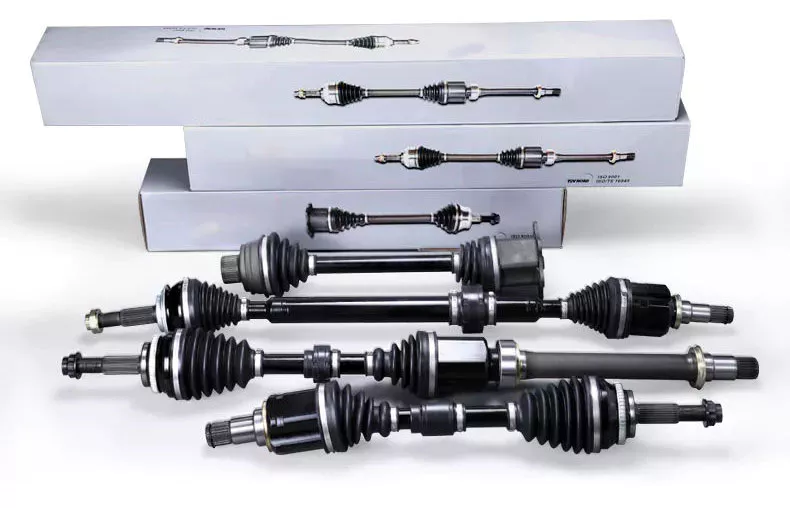
How do PTO shafts ensure efficient power transfer while maintaining safety?
PTO (Power Take-Off) shafts play a crucial role in ensuring efficient power transfer from a power source to driven machinery or equipment, while also maintaining safety. These shafts are designed with various features and mechanisms to optimize power transmission efficiency and mitigate potential hazards. Here’s a detailed explanation of how PTO shafts achieve efficient power transfer while prioritizing safety:
1. Mechanical Power Transmission: PTO shafts serve as mechanical linkages between the power source, typically a tractor or engine, and the driven machinery. They transmit rotational power from the power source to the equipment, enabling efficient transfer of energy. The mechanical design of PTO shafts, including their diameter, length, and material composition, is optimized to minimize power losses during transmission, ensuring that a significant portion of the power generated by the source is effectively delivered to the machinery.
2. Universal Joints and Flexible Couplings: PTO shafts are equipped with universal joints and flexible couplings that allow for angular misalignment and flexibility in movement. Universal joints accommodate variations in the alignment between the power source and the driven machinery, enabling smooth power transfer even when the two components are not perfectly aligned. Flexible couplings help to compensate for slight misalignments, reduce vibration, and prevent excessive stress on the shaft and connected components, thereby enhancing efficiency and reducing the risk of mechanical failure or damage.
3. Constant Velocity (CV) Joints: CV joints are often used in PTO shafts to maintain constant speed and torque transfer, particularly in applications where the driven machinery requires flexibility or operates at different angles. CV joints allow for smooth power transmission without significant fluctuations, even when the driven machinery is at an angle relative to the power source. By minimizing speed variations and power loss due to changing angles, CV joints contribute to efficient power transfer while ensuring consistent performance and reducing the likelihood of mechanical stress or premature wear.
4. Safety Guards and Shields: Safety is a paramount consideration in the design of PTO shafts. Protective guards and shields are installed to cover the rotating shaft and other moving parts. These guards act as physical barriers to prevent accidental contact with the rotating components, significantly reducing the risk of entanglement, injury, or damage. Safety guards are typically made of durable materials such as metal or plastic and are designed to allow the necessary movement for power transmission while providing adequate protection. Regular inspection and maintenance of these guards are crucial to ensure their effectiveness in maintaining safety.
5. Shear Bolt or Slip Clutch Mechanisms: PTO shafts often incorporate shear bolt or slip clutch mechanisms as safety features to protect the driveline components and prevent damage in case of excessive torque or sudden resistance. Shear bolts are designed to shear or break when the torque exceeds a predetermined threshold, disconnecting the PTO shaft from the power source. This helps prevent damage to the shaft, driven machinery, and power source. Slip clutches work similarly by allowing the PTO shaft to slip when excessive resistance is encountered, protecting the components from overload. These mechanisms act as safety measures to maintain the integrity of the PTO shaft and associated equipment while minimizing the risk of mechanical failures or accidents.
6. Compliance with Safety Standards: PTO shafts are designed and manufactured to comply with relevant safety standards and regulations. Manufacturers follow guidelines and requirements set by organizations such as the American Society of Agricultural and Biological Engineers (ASABE) or other regional safety authorities. Compliance with these standards ensures that PTO shafts meet specific safety criteria, including torque capacity, guard design, and other safety considerations. Users can rely on standardized PTO shafts that have undergone testing and certification, providing an additional layer of assurance regarding their safety and performance.
7. Operator Education and Training: To ensure safe and efficient operation, it is essential for operators to receive proper education and training on PTO shafts. Operators should be familiar with the specific safety features, maintenance requirements, and safe operating procedures for the PTO shafts used in their applications. This includes understanding the importance of using appropriate personal protective equipment, regularly inspecting the equipment for wear or damage, and following recommended maintenance schedules. Operator awareness and adherence to safety protocols significantly contribute to maintaining a safe working environment and maximizing the efficiency of power transfer.
In summary, PTO shafts ensure efficient power transfer while maintaining safety through their mechanical design, incorporation of universal joints and CV joints, installation of safety guards and shields, implementation of shear bolt or slip clutch mechanisms, compliance with safety standards, and operator education. By combining these features and practices, PTO shafts provide reliable and secure power transmission, minimizing power losses and potential risks associated with their operation.

Can you provide real-world examples of equipment that use PTO shafts?
Power Take-Off (PTO) shafts are extensively used in various industries, particularly in agriculture and construction. They provide a reliable power source for a wide range of equipment, enabling efficient operation and increased productivity. Here are some real-world examples of equipment that commonly use PTO shafts:
1. Agricultural Machinery:
- Tractor Implements: A wide array of tractor-mounted implements rely on PTO shafts for power transfer. These include:
- Mowers and rotary cutters
- Balers and hay equipment
- Tillers and cultivators
- Seeders and planters
- Sprayers
- Manure spreaders
- Harvesters, such as combine harvesters and forage harvesters
- Stationary Equipment: PTO shafts are also used in stationary agricultural equipment, including:
- Feed grinders and mixers
- Silo unloaders
- Grain augers and elevators
- Irrigation pumps
- Wood chippers and shredders
- Stump grinders
2. Construction and Earthmoving Equipment:
- Backhoes and Excavators: PTO shafts can be found in backhoes and excavators, powering attachments such as augers, hydraulic hammers, and brush cutters.
- Post Hole Diggers: Post hole diggers used for fence installation often rely on PTO shafts to transfer power to the digging mechanism.
- Trenchers: Trenching machines equipped with PTO shafts efficiently dig trenches for utility installations, drainage systems, or irrigation lines.
- Stump Grinders: Stump grinders used in land clearing and tree removal operations often utilize PTO shafts to power their cutting blades.
- Soil Stabilizers and Road Reclaimers: These machines use PTO shafts to drive the rotor and milling drums, which pulverize and mix materials for road construction and maintenance.
3. Forestry Equipment:
- Wood Chippers: Wood chippers used for processing tree branches and logs into wood chips are commonly powered by PTO shafts.
- Brush Cutters and Mulchers: PTO-driven brush cutters and mulchers are employed to clear vegetation and maintain forested areas.
- Log Splitters: Log splitters that split logs into firewood often utilize PTO shafts to power the splitting mechanism.
4. Utility Equipment:
- Generators: Some generators are designed to be driven by PTO shafts, providing an auxiliary power source for various applications in remote locations or during power outages.
- Pumps: PTO-driven pumps are commonly used for agricultural irrigation, water transfer, and dewatering applications.
5. Specialty Equipment:
- Ice Resurfacers: PTO shafts are employed in ice resurfacing machines used in ice rinks to maintain a smooth ice surface for ice hockey and figure skating.
- Air Compressors: Some air compressors are driven by PTO shafts, providing a source of compressed air for various applications.
These examples represent a range of equipment that extensively relies on PTO shafts for power transfer. PTO shafts enable the efficient operation of these machines, increasing productivity and versatility across various industries.
هل يمكنك شرح الأنواع المختلفة لأعمدة نقل الحركة وتطبيقاتها؟
تتوفر أعمدة نقل الحركة (PTO) بأنواع مختلفة، كل منها مصمم لتطبيقات ومتطلبات محددة. توفر هذه الأنواع المختلفة من أعمدة نقل الحركة مرونة وتوافقًا مع مجموعة واسعة من الآلات والمعدات. إليكم شرحًا لأكثر أنواع أعمدة نقل الحركة شيوعًا واستخداماتها:
1. عمود نقل الحركة القياسي: يُعدّ عمود نقل الحركة القياسي، المعروف أيضًا باسم العمود المُسنّن، النوع الأكثر شيوعًا في الآلات الزراعية والصناعية. ويتكون من عمود فولاذي صلب مزود بأسنان أو أخاديد على طوله. يحتوي عمود نقل الحركة القياسي عادةً على ستة أسنان، مع وجود أنواع أخرى بأربعة أو ثمانية أسنان. يُستخدم هذا النوع من أعمدة نقل الحركة على نطاق واسع في الجرارات ومختلف المعدات، بما في ذلك جزازات العشب، وآلات كبس التبن، وآلات الحراثة، وآلات القطع الدوارة. توفر الأسنان اتصالًا محكمًا بين مصدر الطاقة والآلة المُدارة، مما يضمن نقلًا فعالًا للطاقة.
2. مسمار قص عمود نقل الحركة: صُممت أعمدة نقل الحركة المزودة بمسامير قصّية بميزة أمان تسمح بفصل العمود في حالة التحميل الزائد أو الصدمات المفاجئة لحماية مكونات نظام نقل الحركة. تتضمن هذه الأعمدة آلية مسمار قصّية تربط مأخذ الطاقة في الجرار بالآلات المُدارة. في حالة التحميل الزائد أو المقاومة المفاجئة، صُمم مسمار القصّية لينكسر، مما يؤدي إلى فصل عمود نقل الحركة ومنع تلف نظام نقل الحركة. تُستخدم أعمدة نقل الحركة المزودة بمسامير قصّية بشكل شائع في المعدات التي قد تواجه عوائق مفاجئة أو ظروف إجهاد عالية، مثل آلات تقطيع الأخشاب، وآلات طحن جذوع الأشجار، وآلات القطع الدوارة الثقيلة.
3. عمود نقل الحركة ذو القابض الاحتكاكي: تتميز أعمدة نقل الحركة المزودة بقابض احتكاكي بآلية قابض تسمح بتعشيق وفصل سلسين لنقل الطاقة. تتضمن هذه الأعمدة عادةً قرص احتكاك ولوحة ضغط، على غرار نظام القابض التقليدي في المركبات. يتيح القابض الاحتكاكي للمشغلين تعشيق أو فصل نقل الطاقة تدريجيًا، مما يقلل من أحمال الصدمات ويحد من تآكل مكونات نظام نقل الحركة. تُستخدم أعمدة نقل الحركة المزودة بقابض احتكاكي بشكل شائع في التطبيقات التي تتطلب تحكمًا دقيقًا في تعشيق الطاقة، مثل المضخات الهيدروليكية والمولدات والخلاطات الصناعية.
4. عمود نقل الحركة ذو السرعة الثابتة (CV): صُممت أعمدة نقل الحركة ذات السرعة الثابتة (CV PTO)، والمعروفة أيضًا باسم الأعمدة المتجانسة، لاستيعاب زوايا عدم المحاذاة الكبيرة دون التأثير على نقل الطاقة. وتستخدم هذه الأعمدة آلية وصلة عالمية تسمح بنقل الطاقة بسلاسة حتى عندما تكون الآلة المُدارة بزاوية بالنسبة لمصدر الطاقة. تُستخدم أعمدة نقل الحركة ذات السرعة الثابتة (CV PTO) بكثرة في التطبيقات التي تتطلب فيها الآلات نطاقًا واسعًا من الحركة أو التمفصل، كما هو الحال في اللوادر المفصلية، والرافعات التلسكوبية، والرشاشات ذاتية الدفع.
5. عمود نقل الحركة التلسكوبي: تتميز أعمدة نقل الحركة التلسكوبية بإمكانية تعديل طولها، مما يوفر مرونة في تكوين المعدات وتغيير المسافات بين مصدر الطاقة والآلات المُدارة. تتكون هذه الأعمدة من عمودين أو أكثر متحدة المركز تنزلق داخل بعضها البعض، مما يتيح إمكانية تمديد أو تقليص عمود نقل الحركة حسب الحاجة. تُستخدم أعمدة نقل الحركة التلسكوبية عادةً في التطبيقات التي تختلف فيها المسافة بين مأخذ الطاقة في الجرار والآلة المُدارة، كما هو الحال في الآلات الأمامية، وآلات نفخ الثلج، وعربات التحميل الذاتي. يُمكّن التصميم التلسكوبي من التكيف بسهولة مع مختلف إعدادات المعدات ويقلل من خطر احتكاك عمود نقل الحركة بالأرض.
6. عمود نقل الحركة لعلبة التروس: صُممت أعمدة نقل الحركة المزودة بعلبة تروس لتكييف نقل الطاقة بين سرعات أو اتجاهات دوران مختلفة. وهي تتضمن آلية علبة تروس تسمح بتقليل السرعة أو زيادتها، بالإضافة إلى إمكانية تغيير اتجاه الدوران. تُستخدم أعمدة نقل الحركة المزودة بعلبة تروس بشكل شائع في التطبيقات التي تتطلب فيها الآلات المُدارة سرعة أو اتجاه دوران مختلفًا عن مأخذ الطاقة في الجرار. ومن الأمثلة على ذلك مثاقب الحبوب، وخلاطات الأعلاف، والمعدات الصناعية التي تتطلب نسب سرعة محددة أو قدرات عكسية.
من المهم ملاحظة أن توافر أنواع أعمدة نقل الحركة وتطبيقاتها المحددة قد تختلف باختلاف المناطق والقطاعات الصناعية. إضافةً إلى ذلك، قد تتطلب بعض الآلات أو المعدات أعمدة نقل حركة متخصصة أو مصممة خصيصًا لتلبية متطلبات محددة.
باختصار، توفر أنواع أعمدة نقل الحركة المختلفة، مثل الأعمدة القياسية، وأعمدة القص، وأعمدة القابض الاحتكاكي، وأعمدة السرعة الثابتة، والأعمدة التلسكوبية، وأعمدة علبة التروس، تنوعًا وتوافقًا مع مختلف الآلات والمعدات. صُمم كل نوع من أعمدة نقل الحركة لتلبية احتياجات محددة، مثل كفاءة نقل الطاقة، والسلامة، وسلاسة التشغيل، وتحمل عدم المحاذاة، وقابلية التكيف، وإمكانية ضبط السرعة والاتجاه. يُعد فهم أنواع أعمدة نقل الحركة المختلفة وتطبيقاتها أمرًا بالغ الأهمية لاختيار العمود المناسب للآلة المقصودة وضمان الأداء الأمثل والموثوقية.

editor by CX 2024-04-30