Opis produktu
OEM pto draving shaft
Our Services
Why choosing us?
1.We are manufacturer, we have Well and High Quality Control
2.Prompt Delivery
3.Customer’s Design and Logo are Welcome
4.Competitive Prices directly from factory
5.Small Order Acceptable
6.OEM / ODM Accepted
Pre-sales service After-sales Service
*Inquiry and consulting support * training how to instal the machine
* View factory * training how to use the machine
company information :
SHUNYU company mainly supply Farm tractors, Combine harvesters and related Implements, as well as their spare parts.
Also we offer OEM service for Different brands tractors PTO Driving shafts, Gears, Rotary blades.
If you could not find the products on our website, Welcome to send us drawing or sample, we could custom as your needs.
/* 22 stycznia 2571 19:08:37 */!function(){function s(e,r){var a,o={};try{e&&e.split(„”,).forEach(function(e,t){e&&(a=e.match(/(.*?):(.*)$/))&&1
| Typ: | Wał |
|---|---|
| Stosowanie: | Agricultural Products Processing, Harvester |
| Źródło zasilania: | Diesel |
| Serwis posprzedażowy: | Online Support |
| Gwarancja: | 12 Months |
| Product Name: | OEM Shaft |
| Personalizacja: |
Dostępny
| Spersonalizowane żądanie |
|---|
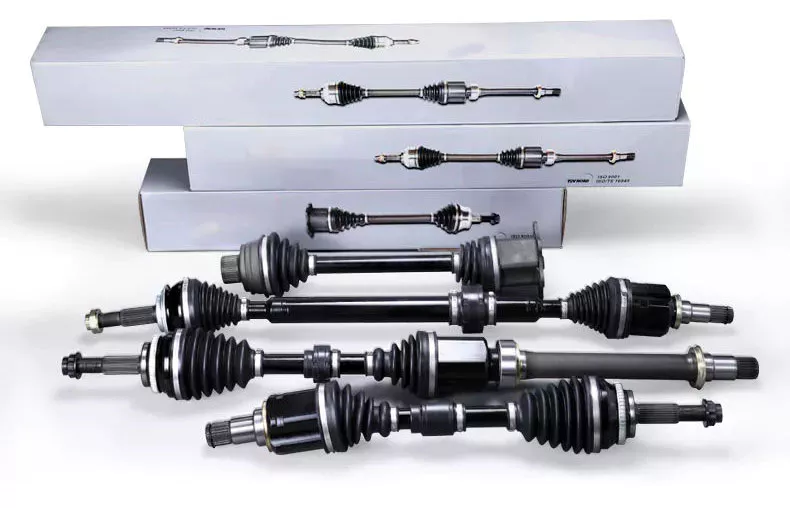
How do PTO shafts ensure efficient power transfer while maintaining safety?
PTO (Power Take-Off) shafts play a crucial role in ensuring efficient power transfer from a power source to driven machinery or equipment, while also maintaining safety. These shafts are designed with various features and mechanisms to optimize power transmission efficiency and mitigate potential hazards. Here’s a detailed explanation of how PTO shafts achieve efficient power transfer while prioritizing safety:
1. Mechanical Power Transmission: PTO shafts serve as mechanical linkages between the power source, typically a tractor or engine, and the driven machinery. They transmit rotational power from the power source to the equipment, enabling efficient transfer of energy. The mechanical design of PTO shafts, including their diameter, length, and material composition, is optimized to minimize power losses during transmission, ensuring that a significant portion of the power generated by the source is effectively delivered to the machinery.
2. Universal Joints and Flexible Couplings: PTO shafts are equipped with universal joints and flexible couplings that allow for angular misalignment and flexibility in movement. Universal joints accommodate variations in the alignment between the power source and the driven machinery, enabling smooth power transfer even when the two components are not perfectly aligned. Flexible couplings help to compensate for slight misalignments, reduce vibration, and prevent excessive stress on the shaft and connected components, thereby enhancing efficiency and reducing the risk of mechanical failure or damage.
3. Constant Velocity (CV) Joints: CV joints are often used in PTO shafts to maintain constant speed and torque transfer, particularly in applications where the driven machinery requires flexibility or operates at different angles. CV joints allow for smooth power transmission without significant fluctuations, even when the driven machinery is at an angle relative to the power source. By minimizing speed variations and power loss due to changing angles, CV joints contribute to efficient power transfer while ensuring consistent performance and reducing the likelihood of mechanical stress or premature wear.
4. Safety Guards and Shields: Safety is a paramount consideration in the design of PTO shafts. Protective guards and shields are installed to cover the rotating shaft and other moving parts. These guards act as physical barriers to prevent accidental contact with the rotating components, significantly reducing the risk of entanglement, injury, or damage. Safety guards are typically made of durable materials such as metal or plastic and are designed to allow the necessary movement for power transmission while providing adequate protection. Regular inspection and maintenance of these guards are crucial to ensure their effectiveness in maintaining safety.
5. Shear Bolt or Slip Clutch Mechanisms: PTO shafts often incorporate shear bolt or slip clutch mechanisms as safety features to protect the driveline components and prevent damage in case of excessive torque or sudden resistance. Shear bolts are designed to shear or break when the torque exceeds a predetermined threshold, disconnecting the PTO shaft from the power source. This helps prevent damage to the shaft, driven machinery, and power source. Slip clutches work similarly by allowing the PTO shaft to slip when excessive resistance is encountered, protecting the components from overload. These mechanisms act as safety measures to maintain the integrity of the PTO shaft and associated equipment while minimizing the risk of mechanical failures or accidents.
6. Compliance with Safety Standards: PTO shafts are designed and manufactured to comply with relevant safety standards and regulations. Manufacturers follow guidelines and requirements set by organizations such as the American Society of Agricultural and Biological Engineers (ASABE) or other regional safety authorities. Compliance with these standards ensures that PTO shafts meet specific safety criteria, including torque capacity, guard design, and other safety considerations. Users can rely on standardized PTO shafts that have undergone testing and certification, providing an additional layer of assurance regarding their safety and performance.
7. Operator Education and Training: To ensure safe and efficient operation, it is essential for operators to receive proper education and training on PTO shafts. Operators should be familiar with the specific safety features, maintenance requirements, and safe operating procedures for the PTO shafts used in their applications. This includes understanding the importance of using appropriate personal protective equipment, regularly inspecting the equipment for wear or damage, and following recommended maintenance schedules. Operator awareness and adherence to safety protocols significantly contribute to maintaining a safe working environment and maximizing the efficiency of power transfer.
In summary, PTO shafts ensure efficient power transfer while maintaining safety through their mechanical design, incorporation of universal joints and CV joints, installation of safety guards and shields, implementation of shear bolt or slip clutch mechanisms, compliance with safety standards, and operator education. By combining these features and practices, PTO shafts provide reliable and secure power transmission, minimizing power losses and potential risks associated with their operation.

Can you provide real-world examples of equipment that use PTO shafts?
Power Take-Off (PTO) shafts are extensively used in various industries, particularly in agriculture and construction. They provide a reliable power source for a wide range of equipment, enabling efficient operation and increased productivity. Here are some real-world examples of equipment that commonly use PTO shafts:
1. Agricultural Machinery:
- Tractor Implements: A wide array of tractor-mounted implements rely on PTO shafts for power transfer. These include:
- Mowers and rotary cutters
- Balers and hay equipment
- Tillers and cultivators
- Seeders and planters
- Sprayers
- Manure spreaders
- Harvesters, such as combine harvesters and forage harvesters
- Stationary Equipment: PTO shafts are also used in stationary agricultural equipment, including:
- Feed grinders and mixers
- Silo unloaders
- Grain augers and elevators
- Irrigation pumps
- Wood chippers and shredders
- Stump grinders
2. Construction and Earthmoving Equipment:
- Backhoes and Excavators: PTO shafts can be found in backhoes and excavators, powering attachments such as augers, hydraulic hammers, and brush cutters.
- Post Hole Diggers: Post hole diggers used for fence installation often rely on PTO shafts to transfer power to the digging mechanism.
- Trenchers: Trenching machines equipped with PTO shafts efficiently dig trenches for utility installations, drainage systems, or irrigation lines.
- Stump Grinders: Stump grinders used in land clearing and tree removal operations often utilize PTO shafts to power their cutting blades.
- Soil Stabilizers and Road Reclaimers: These machines use PTO shafts to drive the rotor and milling drums, which pulverize and mix materials for road construction and maintenance.
3. Forestry Equipment:
- Wood Chippers: Wood chippers used for processing tree branches and logs into wood chips are commonly powered by PTO shafts.
- Brush Cutters and Mulchers: PTO-driven brush cutters and mulchers are employed to clear vegetation and maintain forested areas.
- Log Splitters: Log splitters that split logs into firewood often utilize PTO shafts to power the splitting mechanism.
4. Utility Equipment:
- Generators: Some generators are designed to be driven by PTO shafts, providing an auxiliary power source for various applications in remote locations or during power outages.
- Pumps: PTO-driven pumps are commonly used for agricultural irrigation, water transfer, and dewatering applications.
5. Specialty Equipment:
- Ice Resurfacers: PTO shafts are employed in ice resurfacing machines used in ice rinks to maintain a smooth ice surface for ice hockey and figure skating.
- Air Compressors: Some air compressors are driven by PTO shafts, providing a source of compressed air for various applications.
These examples represent a range of equipment that extensively relies on PTO shafts for power transfer. PTO shafts enable the efficient operation of these machines, increasing productivity and versatility across various industries.
Czy możesz wyjaśnić różne rodzaje wałów odbioru mocy i ich zastosowania?
Wały odbioru mocy (WOM) występują w różnych typach, z których każdy jest przeznaczony do konkretnych zastosowań i wymagań. Różne typy wałów WOM zapewniają wszechstronność i kompatybilność z szeroką gamą maszyn i narzędzi. Poniżej znajduje się wyjaśnienie najpopularniejszych typów wałów WOM i ich zastosowań:
1. Standardowy wałek przekaźnika mocy: Standardowy wałek WOM, znany również jako wał wielowypustowy, jest najczęściej stosowanym typem wałka w maszynach rolniczych i przemysłowych. Składa się on z litego stalowego wału z wielowypustami lub rowkami na całej długości. Standardowy wałek WOM ma zazwyczaj sześć wielowypustów, choć występują również warianty z czterema lub ośmioma wypustami. Ten typ wałka WOM jest szeroko stosowany w ciągnikach i różnego rodzaju maszynach, takich jak kosiarki, prasy, glebogryzarki i kosiarki obrotowe. Wielowypusty zapewniają bezpieczne połączenie między źródłem zasilania a napędzaną maszyną, gwarantując efektywne przenoszenie mocy.
2. Śruba ścinająca wału odbioru mocy: Wały WOM ze śrubą ścinaną są wyposażone w zabezpieczenie, które pozwala na ich rozłączenie w przypadku przeciążenia lub nagłego wstrząsu, chroniąc w ten sposób elementy układu napędowego. Wały WOM wyposażone są w mechanizm śruby ścinanej, który łączy wał odbioru mocy ciągnika z napędzaną maszyną. W przypadku nadmiernego obciążenia lub nagłego oporu, śruba ścinana pęka, rozłączając wał WOM i zapobiegając uszkodzeniu układu napędowego. Wały WOM ze śrubą ścinaną są powszechnie stosowane w urządzeniach narażonych na nagłe przeszkody lub duże obciążenia, takich jak rębaki do drewna, frezarki do pni i ciężkie frezarki obrotowe.
3. Wał odbioru mocy ze sprzęgłem ciernym: Wały odbioru mocy ze sprzęgłem ciernym posiadają mechanizm sprzęgłowy, który umożliwia płynne załączanie i wyłączanie napędu. Te wały odbioru mocy zazwyczaj zawierają tarczę cierną i płytę dociskową, podobnie jak tradycyjne sprzęgła w pojazdach. Sprzęgło cierne pozwala operatorom na stopniowe załączanie i wyłączanie napędu, redukując obciążenia udarowe i minimalizując zużycie elementów układu napędowego. Wały odbioru mocy ze sprzęgłem ciernym są powszechnie stosowane w zastosowaniach wymagających precyzyjnej kontroli załączania napędu, takich jak pompy hydrauliczne, generatory i mieszalniki przemysłowe.
4. Wał odbioru mocy o stałej prędkości (CV): Wały przegubowo-teleskopowe o stałej prędkości (CV), znane również jako wały homokinetyczne, zostały zaprojektowane tak, aby kompensować duże kąty odchylenia bez wpływu na przenoszenie mocy. Wykorzystują one mechanizm przegubu krzyżakowego, który umożliwia płynne przenoszenie mocy, nawet gdy napędzana maszyna znajduje się pod kątem względem źródła napędu. Wały przegubowo-teleskopowe są często stosowane w zastosowaniach, w których maszyny wymagają znacznego zakresu ruchu lub przegubowości, na przykład w ładowarkach przegubowych, ładowarkach teleskopowych i opryskiwaczach samojezdnych.
5. Teleskopowy wałek przekaźnika mocy: Teleskopowe wały WOM mają regulowaną długość, co pozwala na elastyczność konfiguracji sprzętu i zmianę odległości między źródłem napędu a napędzaną maszyną. Składają się one z dwóch lub więcej koncentrycznych wałów, które przesuwają się jeden w drugim, umożliwiając wysuwanie lub wsuwanie wału WOM w zależności od potrzeb. Teleskopowe wały WOM są powszechnie stosowane w zastosowaniach, w których odległość między WOM ciągnika a narzędziem jest zmienna, na przykład w narzędziach montowanych z przodu, odśnieżarkach i przyczepach samozbierających. Teleskopowa konstrukcja umożliwia łatwą adaptację do różnych konfiguracji sprzętu i minimalizuje ryzyko ciągnięcia wału WOM po podłożu.
6. Wał odbioru mocy skrzyni biegów: Wały odbioru mocy przekładni służą do adaptacji przenoszenia mocy między różnymi prędkościami obrotowymi lub kierunkami. Wyposażone są w mechanizm przekładni, który umożliwia redukcję lub zwiększenie prędkości, a także zmianę kierunku obrotów. Wały odbioru mocy przekładni są powszechnie stosowane w zastosowaniach, w których napędzane maszyny wymagają innej prędkości lub kierunku obrotów niż wał odbioru mocy ciągnika. Przykładami są ślimaki zbożowe, mieszalniki pasz i urządzenia przemysłowe wymagające określonych przełożeń lub możliwości cofania.
Należy pamiętać, że dostępność i konkretne zastosowania wałów odbioru mocy mogą się różnić w zależności od czynników regionalnych i branżowych. Ponadto, niektóre maszyny lub narzędzia mogą wymagać specjalistycznych lub niestandardowych wałów odbioru mocy, aby spełnić określone wymagania.
Podsumowując, różne typy wałów odbioru mocy, takie jak standardowy, ze śrubą ścinaną, ze sprzęgłem ciernym, ze stałą prędkością obrotową (CV), teleskopowy i przekładniowy, zapewniają wszechstronność i kompatybilność z różnymi maszynami i narzędziami. Każdy typ wału odbioru mocy został zaprojektowany z myślą o spełnieniu określonych potrzeb, takich jak efektywność przenoszenia mocy, bezpieczeństwo, płynne załączanie, tolerancja na odchylenia, adaptacyjność oraz regulacja prędkości/kierunku. Zrozumienie różnych typów wałów odbioru mocy i ich zastosowań jest kluczowe dla doboru odpowiedniego wału do planowanej maszyny i zapewnienia optymalnej wydajności i niezawodności.

editor by CX 2024-04-30