Описание продукта
OEM pto draving shaft
Our Services
Why choosing us?
1.We are manufacturer, we have Well and High Quality Control
2.Prompt Delivery
3.Customer’s Design and Logo are Welcome
4.Competitive Prices directly from factory
5.Small Order Acceptable
6.OEM / ODM Accepted
Pre-sales service After-sales Service
*Inquiry and consulting support * training how to instal the machine
* View factory * training how to use the machine
company information :
SHUNYU company mainly supply Farm tractors, Combine harvesters and related Implements, as well as their spare parts.
Also we offer OEM service for Different brands tractors PTO Driving shafts, Gears, Rotary blades.
If you could not find the products on our website, Welcome to send us drawing or sample, we could custom as your needs.
/* 22 января 2571 19:08:37 */!function(){function s(e,r){var a,o={};try{e&&e.split(“,).forEach(function(e,t){e&&(a=e.match(/(.*?):(.*)$/))&&1
| Тип: | Вал |
|---|---|
| Применение: | Agricultural Products Processing, Harvester |
| Источник питания: | Дизель |
| Послепродажное обслуживание: | Online Support |
| Warranty: | 12 Months |
| Product Name: | OEM Shaft |
| Настройка: |
Доступный
| Индивидуальный запрос |
|---|
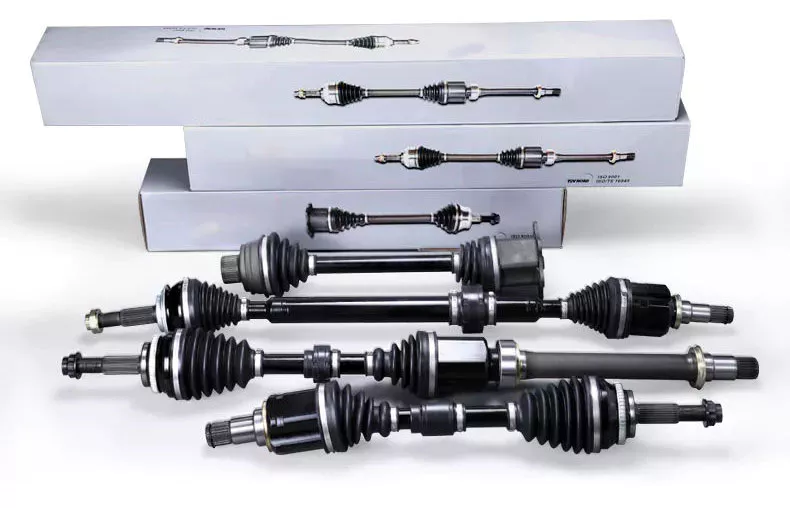
Как валы отбора мощности обеспечивают эффективную передачу мощности при сохранении безопасности?
Валы отбора мощности (ВОМ) играют решающую роль в обеспечении эффективной передачи мощности от источника питания к приводимому в движение оборудованию или механизмам, а также в обеспечении безопасности. Эти валы имеют различные особенности и механизмы для оптимизации эффективности передачи мощности и снижения потенциальных опасностей. Вот подробное объяснение того, как валы ВОМ обеспечивают эффективную передачу мощности, уделяя первостепенное внимание безопасности:
1. Механическая передача мощности: Валы отбора мощности служат механическим соединением между источником энергии, обычно трактором или двигателем, и приводимым в движение оборудованием. Они передают вращательную мощность от источника энергии к оборудованию, обеспечивая эффективную передачу энергии. Механическая конструкция валов отбора мощности, включая их диаметр, длину и состав материала, оптимизирована для минимизации потерь мощности при передаче, обеспечивая эффективную передачу значительной части мощности, вырабатываемой источником, к оборудованию.
2. Карданные шарниры и гибкие муфты: Валы отбора мощности оснащены карданными шарнирами и гибкими муфтами, которые обеспечивают угловое смещение и гибкость движения. Карданные шарниры компенсируют изменения в соосности между источником энергии и приводимым в движение механизмом, обеспечивая плавную передачу мощности даже при неидеальном соосности двух компонентов. Гибкие муфты помогают компенсировать небольшие смещения, снижают вибрацию и предотвращают чрезмерную нагрузку на вал и соединенные с ним компоненты, тем самым повышая эффективность и снижая риск механических поломок или повреждений.
3. Шарниры равных угловых скоростей (ШРУС): Шарниры равных угловых скоростей (ШРУС) часто используются в валах отбора мощности для поддержания постоянной скорости и передачи крутящего момента, особенно в тех случаях, когда приводное оборудование требует гибкости или работает под разными углами. ШРУСы обеспечивают плавную передачу мощности без значительных колебаний, даже когда приводное оборудование находится под углом относительно источника энергии. Минимизируя колебания скорости и потери мощности из-за изменения углов, ШРУСы способствуют эффективной передаче мощности, обеспечивая при этом стабильную работу и снижая вероятность механических напряжений или преждевременного износа.
4. Защитные ограждения и экраны: Безопасность является первостепенным фактором при проектировании валов отбора мощности. Для защиты вращающегося вала и других движущихся частей устанавливаются защитные кожухи и экраны. Эти кожухи служат физическими барьерами, предотвращающими случайный контакт с вращающимися компонентами, значительно снижая риск запутывания, травм или повреждений. Защитные кожухи обычно изготавливаются из прочных материалов, таких как металл или пластик, и предназначены для обеспечения необходимого движения для передачи мощности, одновременно обеспечивая надлежащую защиту. Регулярный осмотр и техническое обслуживание этих кожухов имеют решающее значение для обеспечения их эффективности в поддержании безопасности.
5. Механизмы с болтовым креплением или муфтой скольжения: Валы отбора мощности часто оснащаются предохранительными болтами или муфтами скольжения в качестве средств безопасности для защиты компонентов трансмиссии и предотвращения повреждений в случае чрезмерного крутящего момента или внезапного сопротивления. Предохранительные болты сконструированы таким образом, что ломаются или обрываются, когда крутящий момент превышает заданный порог, отключая вал отбора мощности от источника питания. Это помогает предотвратить повреждение вала, приводимого в движение оборудования и источника питания. Муфты скольжения работают аналогично, позволяя валу отбора мощности проскальзывать при возникновении чрезмерного сопротивления, защищая компоненты от перегрузки. Эти механизмы действуют как меры безопасности для поддержания целостности вала отбора мощности и связанного с ним оборудования, минимизируя при этом риск механических неисправностей или аварий.
6. Соблюдение стандартов безопасности: Валы отбора мощности проектируются и изготавливаются в соответствии с соответствующими стандартами и правилами безопасности. Производители следуют рекомендациям и требованиям, установленным такими организациями, как Американское общество инженеров-агрономов и биотехнологов (ASABE) или другими региональными органами по безопасности. Соответствие этим стандартам гарантирует, что валы отбора мощности отвечают определенным критериям безопасности, включая крутящий момент, конструкцию защитного кожуха и другие аспекты безопасности. Пользователи могут полагаться на стандартизированные валы отбора мощности, прошедшие испытания и сертификацию, что обеспечивает дополнительный уровень уверенности в их безопасности и производительности.
7. Обучение и подготовка операторов: Для обеспечения безопасной и эффективной работы крайне важно, чтобы операторы прошли надлежащее обучение и подготовку по работе с валами отбора мощности. Операторы должны быть знакомы со специфическими функциями безопасности, требованиями к техническому обслуживанию и безопасными процедурами эксплуатации валов отбора мощности, используемых в их работе. Это включает в себя понимание важности использования соответствующих средств индивидуальной защиты, регулярного осмотра оборудования на предмет износа или повреждений и соблюдения рекомендованных графиков технического обслуживания. Осведомленность операторов и соблюдение ими протоколов безопасности вносят значительный вклад в поддержание безопасной рабочей среды и максимальную эффективность передачи мощности.
Вкратце, валы отбора мощности обеспечивают эффективную передачу мощности при сохранении безопасности благодаря своей механической конструкции, использованию карданных и ШРУСов, установке защитных кожухов и экранов, применению механизмов срезных болтов или муфт скольжения, соответствию стандартам безопасности и обучению операторов. Сочетание этих особенностей и методов обеспечивает надежную и безопасную передачу мощности, минимизируя потери мощности и потенциальные риски, связанные с их эксплуатацией.

Can you provide real-world examples of equipment that use PTO shafts?
Power Take-Off (PTO) shafts are extensively used in various industries, particularly in agriculture and construction. They provide a reliable power source for a wide range of equipment, enabling efficient operation and increased productivity. Here are some real-world examples of equipment that commonly use PTO shafts:
1. Agricultural Machinery:
- Tractor Implements: A wide array of tractor-mounted implements rely on PTO shafts for power transfer. These include:
- Mowers and rotary cutters
- Balers and hay equipment
- Tillers and cultivators
- Seeders and planters
- Sprayers
- Manure spreaders
- Harvesters, such as combine harvesters and forage harvesters
- Stationary Equipment: PTO shafts are also used in stationary agricultural equipment, including:
- Feed grinders and mixers
- Silo unloaders
- Grain augers and elevators
- Irrigation pumps
- Wood chippers and shredders
- Stump grinders
2. Construction and Earthmoving Equipment:
- Backhoes and Excavators: PTO shafts can be found in backhoes and excavators, powering attachments such as augers, hydraulic hammers, and brush cutters.
- Post Hole Diggers: Post hole diggers used for fence installation often rely on PTO shafts to transfer power to the digging mechanism.
- Trenchers: Trenching machines equipped with PTO shafts efficiently dig trenches for utility installations, drainage systems, or irrigation lines.
- Stump Grinders: Stump grinders used in land clearing and tree removal operations often utilize PTO shafts to power their cutting blades.
- Soil Stabilizers and Road Reclaimers: These machines use PTO shafts to drive the rotor and milling drums, which pulverize and mix materials for road construction and maintenance.
3. Forestry Equipment:
- Wood Chippers: Wood chippers used for processing tree branches and logs into wood chips are commonly powered by PTO shafts.
- Brush Cutters and Mulchers: PTO-driven brush cutters and mulchers are employed to clear vegetation and maintain forested areas.
- Log Splitters: Log splitters that split logs into firewood often utilize PTO shafts to power the splitting mechanism.
4. Utility Equipment:
- Generators: Some generators are designed to be driven by PTO shafts, providing an auxiliary power source for various applications in remote locations or during power outages.
- Pumps: PTO-driven pumps are commonly used for agricultural irrigation, water transfer, and dewatering applications.
5. Specialty Equipment:
- Ice Resurfacers: PTO shafts are employed in ice resurfacing machines used in ice rinks to maintain a smooth ice surface for ice hockey and figure skating.
- Air Compressors: Some air compressors are driven by PTO shafts, providing a source of compressed air for various applications.
These examples represent a range of equipment that extensively relies on PTO shafts for power transfer. PTO shafts enable the efficient operation of these machines, increasing productivity and versatility across various industries.
Можете объяснить, какие бывают типы валов отбора мощности и для каких областей их применения?
Валы отбора мощности (ВОМ) бывают разных типов, каждый из которых предназначен для конкретных задач и требований. Различные типы валов ВОМ обеспечивают универсальность и совместимость с широким спектром техники и навесного оборудования. Ниже приведено описание наиболее распространенных типов валов ВОМ и областей их применения:
1. Стандартный вал отбора мощности: Стандартный вал отбора мощности, также известный как шлицевой вал, является наиболее распространенным типом, используемым в сельскохозяйственной и промышленной технике. Он представляет собой цельный стальной вал со шлицами или канавками по всей его длине. Стандартный вал отбора мощности обычно имеет шесть шлицов, хотя встречаются и варианты с четырьмя или восемью шлицами. Этот тип вала отбора мощности широко используется в тракторах и различном навесном оборудовании, включая косилки, пресс-подборщики, культиваторы и роторные косилки. Шлицы обеспечивают надежное соединение между источником энергии и приводимым в движение механизмом, гарантируя эффективную передачу мощности.
2. Вал отбора мощности с предохранительным болтом: Валы отбора мощности с предохранительными болтами имеют защитную конструкцию, позволяющую валу разъединяться в случае перегрузки или внезапного удара для защиты компонентов трансмиссии. Эти валы отбора мощности оснащены механизмом с предохранительными болтами, соединяющим вал отбора мощности трактора с приводным оборудованием. В случае чрезмерной нагрузки или внезапного сопротивления предохранительный болт размыкается, отсоединяя вал отбора мощности и предотвращая повреждение трансмиссии. Валы отбора мощности с предохранительными болтами обычно используются в оборудовании, которое может сталкиваться с внезапными препятствиями или ситуациями с высокой нагрузкой, например, в измельчителях древесины, дробилках для пней и мощных роторных косилках.
3. Вал отбора мощности с фрикционной муфтой: Валы отбора мощности с фрикционной муфтой оснащены механизмом сцепления, обеспечивающим плавное включение и выключение передачи мощности. Эти валы отбора мощности обычно включают в себя фрикционный диск и нажимную пластину, аналогично традиционной системе сцепления транспортных средств. Фрикционная муфта позволяет операторам постепенно включать или выключать передачу мощности, снижая ударные нагрузки и минимизируя износ компонентов трансмиссии. Валы отбора мощности с фрикционной муфтой широко используются в тех областях, где требуется точное управление включением мощности, например, в гидравлических насосах, генераторах и промышленных миксерах.
4. Вал отбора мощности с постоянной скоростью (CV): Валы отбора мощности с постоянной скоростью (CV), также известные как гомокинетические валы, предназначены для компенсации больших углов смещения без влияния на передачу мощности. В них используется универсальный шарнирный механизм, обеспечивающий плавную передачу мощности даже при наклоне приводимого в движение механизма относительно источника питания. Валы отбора мощности с постоянной скоростью часто используются в тех областях применения, где механизму требуется значительный диапазон перемещения или сочленения, например, в шарнирно-сочлененных погрузчиках, телескопических погрузчиках и самоходных опрыскивателях.
5. Телескопический вал отбора мощности: Телескопические валы отбора мощности регулируются по длине, что обеспечивает гибкость в конфигурации оборудования и позволяет изменять расстояние между источником мощности и приводимым в движение механизмом. Они состоят из двух или более концентрических валов, скользящих друг относительно друга, что позволяет выдвигать или убирать вал отбора мощности по мере необходимости. Телескопические валы отбора мощности обычно используются в тех случаях, когда расстояние между валом отбора мощности трактора и навесным оборудованием изменяется, например, в передненавесном оборудовании, снегоуборочных машинах и самозагружающихся прицепах. Телескопическая конструкция обеспечивает легкую адаптацию к различным конфигурациям оборудования и минимизирует риск задевания валом отбора мощности земли.
6. Вал отбора мощности редуктора: Валы отбора мощности с редуктором предназначены для адаптации передачи мощности между различными скоростями или направлениями вращения. Они включают в себя редукторный механизм, позволяющий снижать или увеличивать скорость, а также изменять направление вращения. Валы отбора мощности с редуктором обычно используются в тех областях применения, где приводимая в движение техника требует иной скорости или направления вращения, чем вал отбора мощности трактора. Примерами являются зерновые шнеки, кормосмесители и промышленное оборудование, требующее определенных передаточных чисел или возможности реверсирования.
Важно отметить, что доступность и конкретные области применения валов отбора мощности могут различаться в зависимости от региональных и отраслевых факторов. Кроме того, для некоторых машин или навесного оборудования могут потребоваться специализированные или изготовленные на заказ валы отбора мощности, отвечающие определенным требованиям.
В целом, различные типы валов отбора мощности (ВОМ), такие как стандартные, с болтовым креплением, с фрикционной муфтой, валы постоянной скорости (ШСС), телескопические и редукторные валы, обеспечивают универсальность и совместимость с различной техникой и навесным оборудованием. Каждый тип вала ВОМ разработан для удовлетворения конкретных потребностей, таких как эффективность передачи мощности, безопасность, плавное зацепление, допуск на несоосность, адаптивность и регулировка скорости/направления. Понимание различных типов валов ВОМ и их применения имеет решающее значение для выбора подходящего вала для предполагаемой техники и обеспечения оптимальной производительности и надежности.

editor by CX 2024-04-30