Produktbeschreibung
Shacman Delong Axle Cross Joint Pto Drive Shaft for Power Transmission DZ9114315147
| DZ9114315147 | L=1470MM |
| DZ9114315126 | L=1260MM |
| DZ9114315128 | L=1280MM |
| DZ9114315156 | L=1560MM |
| DZ9114315160 | L=1600MM |
| DZ9114315164 | L=1640MM |
Product advantages & features
(1) Thickened shaft tube, thickened universal joint, impact toughness and fatigue resistance.
(2) Machining by machining center, standard size and stable quality.
(3) Single inspection out of the warehouse to ensure 100% qualified products out of the warehouse.
(4) Adjust the dynamic balance test when leaving the warehouse to ensure its loading stability.
Our inventory
More Products
| Truck Model | Sinotruk, Shacman, CHINAMFG Auman, CHINAMFG Xihu (West Lake) Dis., Xihu (West Lake) Dis.feng, Xihu (West Lake) Dis.feng Liuqi Balong, North BENZ( BEIBEN), C&C, JAC, etc. | |
| Product catalogue | Axle | Wheel Assembly |
| Differential Assembly | ||
| Main Reducer Assembly | ||
| Inner Ring Gear& Bracket | ||
| Basin Angle Gear/ Bevel Gear | ||
| Axle Shaft/ Half Shaft & Through Shaft | ||
| Axle Housing& Axle Assembly | ||
| Steering knuckle & Front Axle | ||
| Gear | ||
| Brake Drum& Wheel Hub | ||
| Flange | ||
| Bearing | ||
| Main Reducer Housing | ||
| Oil Seal Seat | ||
| Nut& Shim Series | ||
| Brake Backing Plate | ||
| Chassis Support Products | Leaf Spring Bracket | |
| Drop Arm Series | ||
| Bracket Series | ||
| Leaf Spring Shackle Series | ||
| Balanced Suspension Series | Balance Shaft Assembly | |
| Balance Shaft Housing | ||
| Axle Spring Seat | ||
| Thrust Rod | ||
| Balance Shaft Parts | ||
| Shock Absorber Series | Shock Absorber | |
| Shock Absorbing Airbag | ||
| Steering System | Power Steering Pump | |
| Power Steering Gear | ||
| Rubber Products | Oil Seal | |
| Rubber Support | ||
| Thrust Rod Rubber Core | ||
| Truck Belt | ||
| Engine support | ||
| Other | ||
| Clutch Series | Clutch Pressure Plate | |
| Clutch Disc | ||
| Flywheel Assembly | ||
| Flywheel Ring Gear | ||
| Adjusting Arm Series | ||
Packaging & Shipping
Häufig gestellte Fragen
Q1. How about price of products?
The price is negotiable.It can be changed according to your quantity or package. When you are making an inquiry, please let us know the quantity you want.
Please provide the exact or approximate quantity, packing details, destination port or special requirements, so we could give you the price accordingly.
Q2. What is the products delivery time?
Generally, it will take 3 to 10 days after receiving your advance payment. The specific delivery time depends on the items and the quantity of your order.
Q3.Do you test all your goods before delivery?
Yes,we have 100% test before delivery.
Q4.What is your terms of payment?
By TT or We’ll show you the photos of the products and packages before you pay the balance.
Q5. Do you accept third party inspection?
Yes,we do.
Q6. Are you a factory or trading company?
We are a factory integrating research, development, production and sales.
Zertifizierungen
/* 10. März 2571 17:59:20 */!function(){function s(e,r){var a,o={};try{e&&e.split(“,”).forEach(function(e,t){e&&(a=e.match(/(.*?):(.*)$/))&&1
| Material: | Steel |
|---|---|
| Laden: | Antriebswelle |
| Steifigkeit und Flexibilität: | Flexible Welle |
| Proben: |
US$ 175/Piece
1 Stück (Mindestbestellmenge) | Muster bestellen |
|---|
| Anpassung: |
Verfügbar
| Kundenspezifische Anfrage |
|---|
.shipping-cost-tm .tm-status-off{background: none;padding:0;color: #1470cc}
| Versandkosten:
Geschätzte Frachtkosten pro Einheit. |
über Versandkosten und voraussichtliche Lieferzeit. |
|---|
| Zahlungsmethode: |
|
|---|---|
|
Erste Zahlung Vollständige Zahlung |
| Währung: | US$ |
|---|
| Rückgabe & Erstattung: | Sie können bis zu 30 Tage nach Erhalt der Produkte eine Rückerstattung beantragen. |
|---|
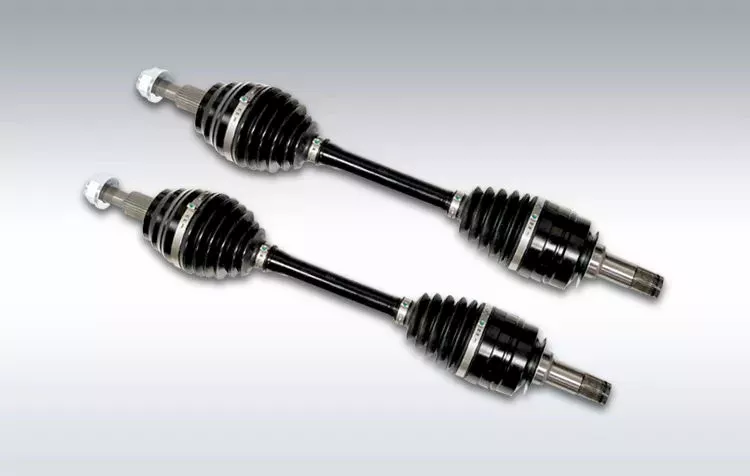
Wie kompensieren Zapfwellen Längenabweichungen und unterschiedliche Verbindungsmethoden?
Zapfwellen (PTO-Wellen) sind so konstruiert, dass sie Längenvariationen und verschiedene Anschlussarten ausgleichen können, um unterschiedliche Gerätekonfigurationen zu ermöglichen und eine effiziente Kraftübertragung zu gewährleisten. Zapfwellen müssen längenverstellbar sein, um die Distanz zwischen Kraftquelle und angetriebener Maschine zu überbrücken. Darüber hinaus müssen sie vielseitige Anschlussmöglichkeiten bieten, um eine breite Palette von Geräten anzuschließen. Im Folgenden finden Sie eine detaillierte Erklärung, wie Zapfwellen Längenvariationen und verschiedene Anschlussarten ausgleichen:
1. Teleskopdesign: Zapfwellen sind häufig teleskopierbar, sodass ihre Länge an verschiedene Maschinenkonfigurationen angepasst werden kann. Durch die Teleskopfunktion lässt sich die Welle aus- oder einfahren und gleicht so unterschiedliche Abstände zwischen der Antriebsquelle (z. B. Traktor oder Motor) und der angetriebenen Maschine aus. Die Längenverstellung der Zapfwelle ermöglicht eine optimale Ausrichtung und Verbindung für eine optimale Kraftübertragung. Teleskopierbare Zapfwellen bestehen typischerweise aus mehreren ineinander schiebbaren Rohrsegmenten und bieten so Flexibilität bei der Längenverstellung.
2. Keilwellen: Zapfwellen verwenden üblicherweise Keilwellen als primäre Verbindung zwischen Antriebsquelle und angetriebener Maschine. Die Keilwellen bestehen aus einer Reihe von Rippen oder Nuten entlang der Welle, die in entsprechende Nuten im Gegenstück greifen. Die Keilwellenverbindung ermöglicht die Drehmomentübertragung und gewährleistet gleichzeitig die Ausrichtung zwischen Antriebsquelle und angetriebener Maschine. Keilwellen können Längenänderungen durch Aus- und Einfahren der Teleskopsegmente ausgleichen und dabei stets eine feste Verbindung zwischen Antriebsquelle und angetriebener Maschine sicherstellen.
3. Verstellbare Gleitjoche: Zapfwellen verfügen typischerweise über verstellbare Gleitstücke an einem oder beiden Enden. Diese Gleitstücke ermöglichen die Winkeleinstellung und gleichen so Abweichungen in der Ausrichtung zwischen Antriebsquelle und angetriebener Maschine aus. Die Gleitstücke lassen sich entlang der Keilwelle verschieben, um den gewünschten Winkel zu erreichen und die korrekte Ausrichtung beizubehalten. Diese Flexibilität gewährleistet, dass die Zapfwelle Längenabweichungen kompensieren kann und gleichzeitig eine effiziente Kraftübertragung ohne übermäßige Belastung der Kreuzgelenke oder anderer Bauteile ermöglicht.
4. Kreuzgelenke: Kreuzgelenke sind integrale Bestandteile von Zapfwellen und gleichen Winkelabweichungen zwischen Antriebsquelle und angetriebener Maschine aus. Sie bestehen aus einem kreuzförmigen Joch mit Lagern, die das Drehmoment zwischen den verbundenen Wellen übertragen und gleichzeitig Fluchtungsfehler ausgleichen. Kreuzgelenke ermöglichen die flexible Verbindung von Zapfwellen mit Geräten, die möglicherweise nicht perfekt ausgerichtet sind. Bei variierender Länge der Zapfwelle gleichen die Kreuzgelenke die Winkeländerungen aus und gewährleisten so eine gleichmäßige Kraftübertragung, selbst bei Längenabweichungen oder Fluchtungsfehlern zwischen Antriebsquelle und angetriebener Maschine.
5. Kopplungsmechanismen: Zapfwellen nutzen verschiedene Kupplungsmechanismen, um eine sichere Verbindung zur Antriebsquelle und zur angetriebenen Maschine herzustellen. Diese Mechanismen umfassen häufig eine Kombination aus Keilwellen, Schrauben, Sicherungsstiften oder Schnellverschlüssen. Die Kupplungsmethoden können je nach spezifischer Ausrüstung und Branchenanforderungen variieren. Die Vielseitigkeit von Zapfwellen ermöglicht den Einsatz unterschiedlicher Kupplungsmethoden und gewährleistet so eine zuverlässige und sichere Verbindung unabhängig von Längenabweichungen oder der Konfiguration der Ausrüstung.
6. Anpassungsoptionen: Zapfwellen lassen sich individuell an unterschiedliche Längen und Anschlussarten anpassen. Hersteller bieten verschiedene Längen für die Teleskopsegmente an, um den jeweiligen Abstand zwischen Antriebsquelle und angetriebener Maschine abzudecken. Darüber hinaus können Zapfwellen durch die Auswahl von Keilwellengrößen, Jochkonstruktionen und Kupplungsmechanismen an verschiedene Anschlussarten angepasst werden. Diese Anpassungsmöglichkeiten gewährleisten, dass Zapfwellen den spezifischen Anforderungen unterschiedlicher Anlagenkonfigurationen gerecht werden und somit eine optimale Kraftübertragung und Kompatibilität sicherstellen.
7. Sicherheitsaspekte: Bei unterschiedlichen Längen und Anschlussarten von Zapfwellen ist die Sicherheit von größter Bedeutung. Zapfwellen sind mit Schutzvorrichtungen und -abdeckungen ausgestattet, um versehentlichen Kontakt mit rotierenden Bauteilen zu verhindern. Diese Sicherheitsvorkehrungen müssen unabhängig von der Länge oder Anschlusskonfiguration der Zapfwelle korrekt eingestellt und installiert werden, um ausreichenden Schutz zu gewährleisten. Die Einhaltung der Sicherheitsrichtlinien und -vorschriften ist unerlässlich, um die ordnungsgemäße Installation, Einstellung und Verwendung von Zapfwellen sicherzustellen und Unfälle oder Verletzungen zu vermeiden.
Durch den Einsatz von Teleskopkonstruktionen, Keilwellen, verstellbaren Gleitgelenken, Kreuzgelenken und vielseitigen Kupplungsmechanismen können Zapfwellen unterschiedliche Längen und Anschlussarten bewältigen. Diese Flexibilität ermöglicht die Anpassung an verschiedene Gerätekonfigurationen und gewährleistet eine effiziente Kraftübertragung bei gleichzeitiger Aufrechterhaltung von Ausrichtung und Sicherheit.
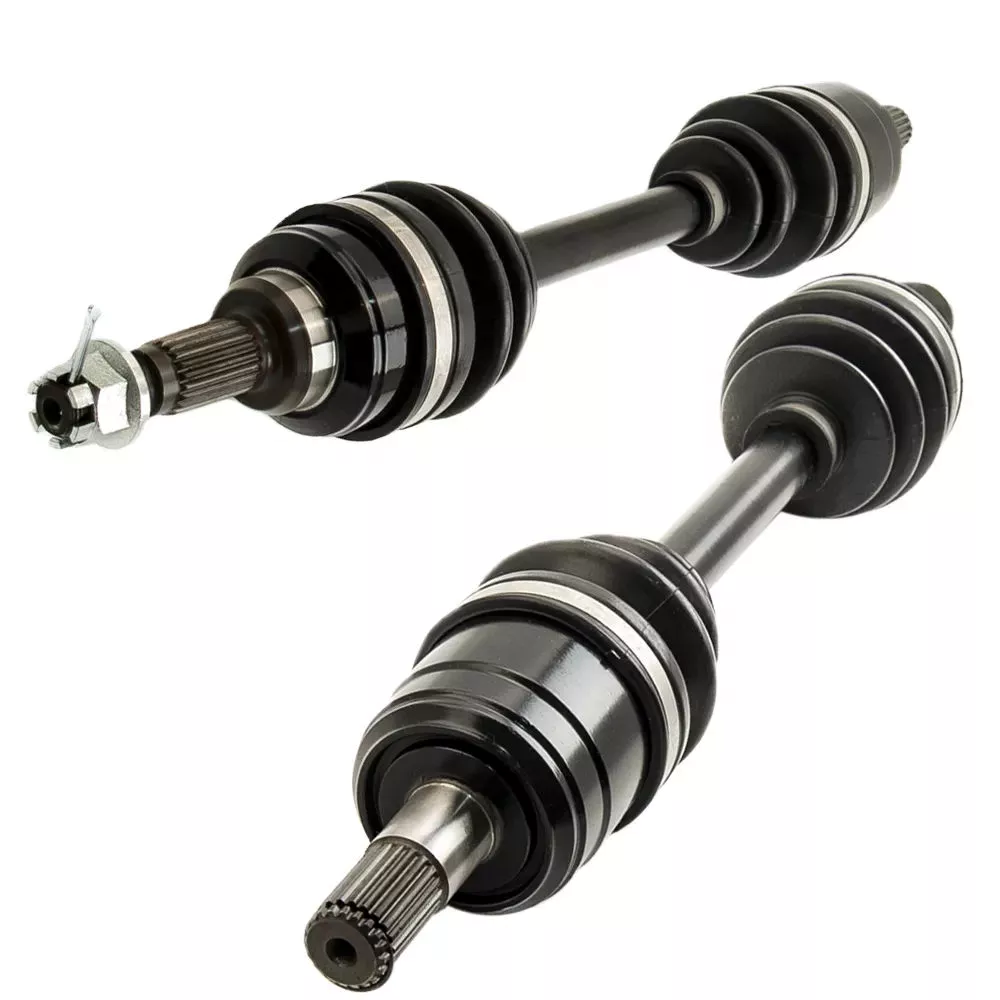
Can PTO shafts be customized for specific machinery and power requirements?
Yes, PTO (Power Take-Off) shafts can be customized to meet the specific machinery and power requirements of different applications. Manufacturers offer customization options to ensure that PTO shafts are precisely tailored to the power source, driven machinery, and the intended application. Here’s a detailed explanation of how PTO shafts can be customized:
1. Shaft Length: PTO shafts can be customized in terms of length to accommodate different equipment configurations. The length of the PTO shaft is critical to ensure proper alignment and connection between the power source and driven machinery. Manufacturers can provide PTO shafts with adjustable or fixed-length options, allowing for flexibility in meeting specific length requirements. Customizing the shaft length ensures that the PTO shaft fits the equipment properly, optimizing power transfer efficiency and reducing the risk of misalignment or excessive stress.
2. Spline Sizes: PTO shafts are available with different spline sizes to match the input and output shafts of various equipment. Spline size customization allows the PTO shaft to seamlessly connect to the power source and driven machinery. Manufacturers can offer different spline configurations, such as 1-3/8 inch, 1-3/4 inch, or metric sizes, to accommodate specific machinery requirements. Customizing the spline size ensures a proper fit and secure connection, enabling efficient power transfer without the need for additional adapters or modifications.
3. Yoke Designs: PTO shafts can be customized with different yoke designs to match the connection points on the power source and driven machinery. The yoke is the component that attaches to the shaft and connects to the equipment. Manufacturers can provide various yoke designs, such as round, triangular, or splined yokes, to ensure compatibility with specific machinery. Customizing the yoke design allows for a secure and reliable connection, aligning the PTO shaft with the equipment’s input/output shafts and optimizing power transmission efficiency.
4. Torque Ratings: PTO shafts can be customized to handle specific torque requirements based on the power demands of the application. Torque is the rotational force that the PTO shaft needs to transmit from the power source to the driven machinery. Manufacturers can design PTO shafts with different torque ratings by using appropriate materials, dimensions, and reinforcement techniques. Customizing the torque rating ensures that the PTO shaft can safely and reliably handle the required power levels without premature wear or failure.
5. Kopplungsmechanismen: PTO shafts can be customized with different coupling mechanisms to match the connection requirements of specific equipment. Coupling mechanisms are the means by which the PTO shaft connects and disconnects from the power source and driven machinery. Manufacturers can provide various coupling options, such as quick-release couplings, shear pin couplings, or mechanical lock couplings, to accommodate different machinery designs and operational needs. Customizing the coupling mechanism ensures ease of use, secure attachment, and quick disengagement when necessary.
6. Protective Features: PTO shafts can be customized with additional protective features to enhance safety and durability. These features may include guard shields, safety covers, or slip clutches. Guard shields and safety covers provide physical protection by enclosing the rotating shaft and preventing accidental contact, reducing the risk of injuries. Slip clutches offer overload protection by allowing the PTO shaft to slip or disengage when excessive torque or resistance is encountered, preventing damage to the shaft and associated equipment. Customizing the protective features ensures compliance with safety regulations and addresses specific safety requirements of the machinery or application.
7. Material Selection: PTO shafts can be customized with different materials based on the application’s demands. Manufacturers can offer a range of material options, such as steel, aluminum, or composite materials, with varying strength, weight, and corrosion resistance properties. Customizing the material selection allows for optimizing the PTO shaft’s performance, considering factors like operating conditions, environmental exposure, and weight restrictions.
By providing customization options such as shaft length, spline sizes, yoke designs, torque ratings, coupling mechanisms, protective features, and material selection, manufacturers can ensure that PTO shafts are specifically tailored to meet the machinery and power requirements of different applications. Customized PTO shafts facilitate seamless integration, efficient power transfer, and reliable operation, enhancing the overall performance and productivity of the equipment.

How do PTO shafts contribute to transferring power from tractors to implements?
PTO shafts (Power Take-Off shafts) play a critical role in transferring power from tractors to implements in agricultural and industrial settings. They provide a reliable and efficient means of power transmission, enabling tractors to drive various implements and perform a wide range of tasks. Here’s a detailed explanation of how PTO shafts contribute to transferring power from tractors to implements:
Power Source: Tractors are equipped with powerful engines designed to generate substantial amounts of mechanical power. This power is harnessed to drive the tractor’s wheels and operate hydraulic systems, as well as to provide power for the attachment of implements through the PTO shaft. The PTO shaft typically connects to the rear or side of the tractor, where the power take-off mechanism is located. The power take-off derives power directly from the tractor’s engine or transmission, allowing for efficient power transfer to the PTO shaft.
PTO Shaft Design: PTO shafts are designed as driveline components that transmit rotational power and torque from the tractor’s power take-off to the implement. They consist of a hollow metal tube with universal joints at each end. The universal joints accommodate angular misalignments and allow the PTO shaft to transmit power even when the tractor and implement are not perfectly aligned. The PTO shaft is also equipped with a safety shield or guard to prevent accidental contact with the rotating shaft, ensuring operator safety during operation.
PTO Engagement: To transfer power from the tractor to the implement, the PTO shaft needs to be engaged. Tractors are equipped with a PTO clutch mechanism that allows operators to engage or disengage the PTO shaft as needed. When the PTO clutch is engaged, power flows from the tractor’s engine through the power take-off mechanism and into the PTO shaft. This rotational power is then transmitted through the PTO shaft to the implement, driving its working components.
Rotational Power Transmission: The rotational power generated by the tractor’s engine is transferred to the PTO shaft through the power take-off mechanism. The PTO shaft, being directly connected to the power take-off, rotates at the same speed as the engine. This rotational power is then transmitted from the PTO shaft to the implement’s driveline or gearbox. The implement’s driveline, in turn, distributes the power to the implement’s working components, such as blades, augers, or pumps, enabling them to carry out their respective functions.
Matching Speed and Power: PTO shafts are designed to match the rotational speed and power requirements of various implements. Tractors often feature multiple speed settings for the PTO, allowing operators to select the appropriate speed for the specific implement being used. Different implements may require different rotational speeds to operate optimally, and the PTO shaft allows for easy adjustment to match those requirements. Additionally, the power generated by the tractor’s engine is transmitted through the PTO shaft, providing the necessary torque to drive the implement’s working components effectively.
Versatility and Efficiency: PTO shafts offer significant versatility and efficiency in agricultural and industrial operations. They allow tractors to power a wide range of implements, including mowers, balers, tillers, sprayers, and grain augers, among others. By connecting implements directly to the tractor’s power source, operators can quickly switch between tasks without the need for separate power generators or engines. This versatility and efficiency streamline workflow, reduce costs, and increase overall productivity in agricultural and industrial settings.
Safety Considerations: While PTO shafts are essential for power transmission, they can pose safety risks if mishandled. The rotating shaft and universal joints can cause severe injuries if operators come into contact with them while in operation. That’s why PTO shafts are equipped with safety shields or guards to prevent accidental contact. Operators should always ensure that the safety shields are in place and secure before engaging the PTO shaft. Proper training, adherence to safety guidelines, and regular maintenance of PTO shafts and associated safety features are crucial to ensuring safe operation.
In summary, PTO shafts are vital components that enable the transfer of power from tractors to implements in agricultural and industrial applications. They provide a reliable and efficient means of power transmission, allowing tractors to drive various implements and perform a wide range of tasks. By engaging the PTO clutch and transmitting rotational power through the PTO shaft, tractors power the working components of implements, providing versatility, efficiency, and productivity in agricultural and industrial operations.


editor by CX 2024-02-23